
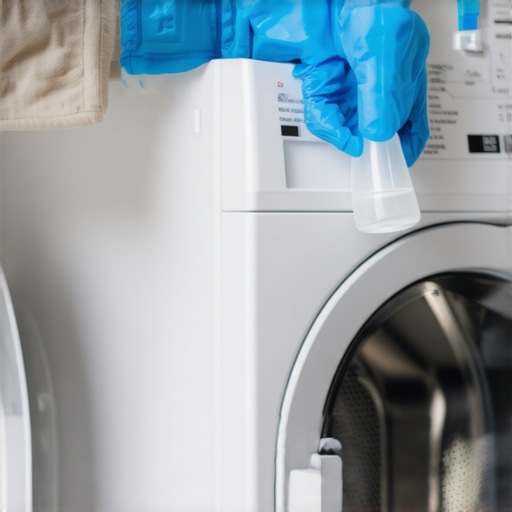
I still remember my ‘bargain’ of 2018. It was a sleek, stainless steel refrigerator I found on a local marketplace for fifty bucks. I was so proud. Then I got it home. The moment I plugged it in and the compressor warmed up, a smell wafted out that I can only describe as forgotten shrimp salad in a hot car. It was a nightmare. I learned the hard way that a quick wipe with a damp rag isn’t a sanitizing strategy—it’s just moving the germs around. I thought a quick spray of whatever was under my sink would do the trick. I was wrong. I ended up scrubbing for four hours and somehow managed to crack a plastic shelf because I didn’t know what I was doing. Buying used is brilliant for your wallet, but if you don’t follow a proper move-in checklist for your new kitchen cabinets and pantry, you’re basically inviting a stranger’s bacteria to dinner. Today, I’m going to show you how to truly disinfect those ‘new-to-you’ appliances so you can actually enjoy your kitchen without the ick factor. [IMAGE_PLACEHOLDER]
Why Your Second-Hand Score Needs a Deep Scrub Before the First Load
When we move, we focus on the big stuff like getting the deposit back and following a move-out clean checklist to simplify your transition. But what about the stuff coming in? I once made the mistake of using a harsh abrasive on a vintage dryer’s drum, thinking it was just extra dirty. I ruined the finish and spent the next six months picking blue paint chips out of my white towels. It was a classic rookie move. We often assume if it looks shiny, it is safe. It isn’t. We need to look deeper at sanitizing hacks for safe house transitions to ensure we aren’t bringing home unwanted guests.
Is it really necessary to go this far for a clean looking fridge?
You might think I’m being a bit paranoid. I get it. However, a study by NSF International found that the vegetable drawer in your refrigerator can harbor up to 750 times more bacteria than a toilet seat. Gross, right? Just because the previous owner wiped it out doesn’t mean it’s ready for your fresh produce. You need effective sanitizing methods for a germ-free home that actually kill the invisible stuff. Have you ever snagged a great deal on an appliance only to find a hidden surprise once you got it home? We are not just talking about aesthetics here; we are talking about health. Whether it is learning how to clean the gaskets in your fridge to prevent mold or figuring out how to remove grease from your range hood vents, the goal is the same: a fresh start. Let’s dive into the grit and get these machines truly spotless.
Stop the Bacteria at the Door
Blast Away Mystery Splatters with a Simple Steam Hack
Cleaning someone else’s microwave is like being a forensic scientist on a very gross crime scene. I once picked up a compact microwave for my first apartment that looked pristine from the outside, but when I opened it, the ceiling was coated in a thick, crusty layer of what I hope was only tomato sauce. Rather than scrubbing until my arm fell off, I used the steam method. Fill a bowl with water and lemon slices, nuke it for five minutes, and let it sit. The steam acts like a chemical-free pry bar, lifting dried-on gunk that you’d normally need a chisel to remove. This is one of those effective sanitizing methods for a germ-free home that saves your sanity and your sponges. 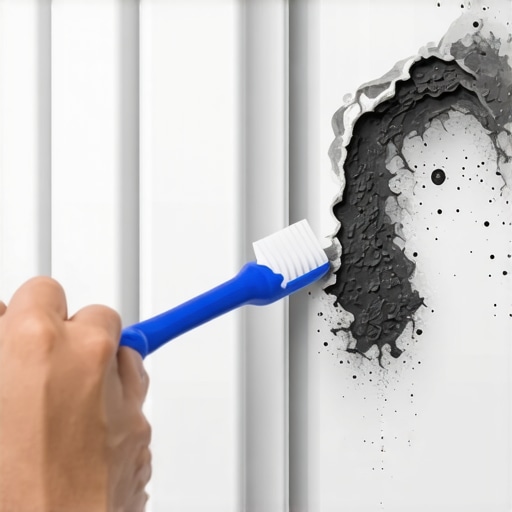
Find the Filter Everyone Ignores
If your used dishwasher leaves your plates feeling gritty, don’t blame the detergent just yet. Most people have no idea there is a removable mesh at the bottom. I learned this when I bought a high-end unit second-hand and it smelled like a wet dog every time it ran. I pulled out the filter and found a literal ecosystem of old food particles and hair. You need to locate the hidden dust trap in your dishwasher filter you need to clean now to prevent that ‘used’ smell from becoming a permanent part of your home. It’s the same logic for laundry appliances; you must know how to deep clean the interior of a dryer to prevent lint fires because the previous owner’s accumulated lint is a literal ticking time bomb sitting in your laundry room.
Stop Mold Before It Invades Your Fridge Gaskets
Those rubber seals around your fridge door are the perfect humid apartments for black mold. I once used a toothbrush to scrub a used fridge and was horrified at the black sludge that came out of the folds. If you don’t learn how to clean the gaskets in your fridge to prevent mold, you’re just circulating spores every time you open the door. Use a 1:1 mixture of vinegar and water; it’s like a detox for your appliance. While you’re at it, don’t forget the top of the machine. Most people miss the how to remove the sticky film on top of the kitchen fridge which is usually a magnet for dust and airborne cooking grease.
Dissolve Grease Without Destroying the Finish
The range hood is often the stickiest part of a second-hand kitchen score. I remember spending a whole Saturday scrubbing a greasy vent with steel wool, only to realize I was permanently scratching the stainless steel. Now, I use the soak and slide technique. Boiling water and heavy-duty dish soap are your best friends here. Knowing how to remove grease from your range hood vents without abrasive pads is the difference between a kitchen that looks new and one that looks abused. It’s about working smarter, not harder, similar to how effective house cleaning secrets from cleaning experts always prioritize the right chemical reaction over raw elbow grease.
Why Your Vinegar Routine Might Be Failing Your Kitchen
Most people swear by vinegar as the ultimate green cleaner. I used to be one of them. While it’s fantastic for breaking down hard water deposits, thinking it will fully disinfect a used fridge is a risky gamble. In my experience, vinegar is often too weak to kill tough pathogens like salmonella or listeria that might be lingering in a second-hand appliance. Plus, you need to be careful; there is a reason why vinegar is not always the best choice for granite countertops or even certain rubber seals, as the acidity can degrade them over time. For a true deep clean, you need to level up to EPA-registered disinfectants or high-heat methods.
Do those fancy sanitize buttons on your dishwasher actually work?
It’s a question I get asked a lot by savvy renters. The short answer is yes, but only if you meet specific conditions. According to NSF/ANSI Standard 184, a residential dishwasher must reach an internal temperature of at least 150°F during the final rinse to be certified for sanitization. If your water heater is set too low, or if the reason your dishwasher still leaves spots on your glasses is a clogged heating element, that ‘Sanitize’ light is just a suggestion, not a reality. You’re better off running a dedicated cleaning cycle with a specialized descaler before you trust it with your family’s plates. [IMAGE_PLACEHOLDER_C]
Don’t Steam Your New-to-You Sofa Into the Trash
The ‘Oops’ factor hits hardest when we try to be too clean. When I bought a vintage velvet armchair last year, I was so worried about germs that I nearly melted the fibers with a heavy-duty steamer. You must understand why you should never use a steam cleaner on these specific upholstery fabrics like silk, velvet, or certain synthetics. High heat can cause permanent ‘bruising’ or water spotting that no amount of brushing can fix. Instead, look for sanitizing secrets for a safer house in 2025 that focus on dry extraction or pH-balanced foams.
The Professional Way to Handle Second-Hand Surfaces
To truly bridge the gap between ‘used’ and ‘safe,’ you have to think like a restorer. This means moving beyond surface wipes and into the mechanics of the machine. Most people focus on the interior, but the real health hazards are often in the airflow—the coils, the vents, and the back-panel dust. It’s all part of a comprehensive daily house cleaning routine to maintain perfection once the initial deep scrub is done. Have you ever fallen into the trap of over-cleaning and accidentally damaging a great find? Let me know in the comments below.
Invest in a Vacuum That Actually Traps the Grime
Once you’ve done the heavy lifting of a move-in scrub, the battle shifts to maintenance. I used to think any vacuum with good suction was enough, but I was wrong. If you aren’t using a sealed HEPA system, you’re just performing a high-speed redistribution of dust. This is why your vacuum filter might be making your allergies worse—it captures the big stuff while sneezing the microscopic spores back into your living room. When dealing with second-hand upholstery, a machine with a dedicated brush motor is non-negotiable. It’s the only way to vibrate out the deep-seated dander that’s been settling since the previous decade. If you are serious about a fresh start, check out these upholstery cleaning tips for a fresh home revival to keep your fabrics looking crisp.
How do I maintain these appliances without burning out?
The secret isn’t more scrubbing; it’s a better schedule. I personally use a ‘zone’ approach where I tackle one major appliance filter every month. This prevents that overwhelming feeling of realizing the whole house is dirty at once. By following a daily house cleaning routine to maintain perfection, you can spot small issues—like a sticky gasket or a rattling fan—before they turn into expensive repairs. This consistent effort is exactly how to schedule a deep clean that actually lasts more than a week. Consistency beats intensity every single time when it comes to home hygiene.
Watch for the Warning Signs Before the Motor Quits
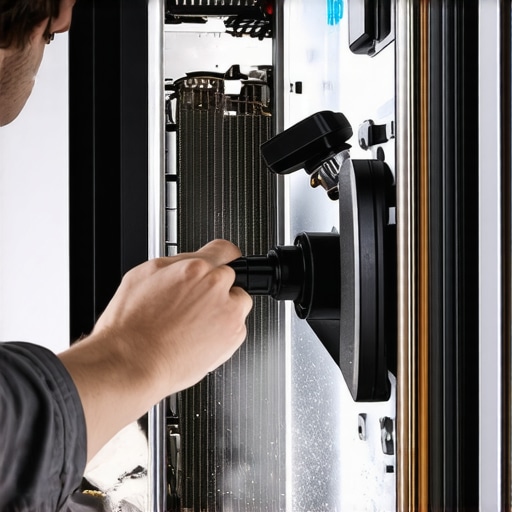
We often ignore our appliances until they stop working, but they are constantly talking to us. If you start noticing a burnt-toast scent during a laundry cycle, pay attention. This is often why your vacuum smell might mean the motor is dying or why your dryer is overheating. According to the Association of Home Appliance Manufacturers (AHAM), failing to clean refrigerator condenser coils at least twice a year can force the compressor to work 30% harder, significantly shortening its lifespan. It’s a five-minute job with a coil brush that saves you hundreds of dollars in the long run. I’ve started using enzyme-based cleaners for my drains and disposals lately too; they use live bacteria to ‘eat’ organic buildup, which is much gentler on old pipes than harsh acids. These are the kinds of effective house cleaning secrets from cleaning experts that separate the amateurs from the pros.
The Future of the Germ-Free Home
Looking ahead to 2025 and beyond, I predict we’re going to see a massive shift away from ‘killing everything’ and toward ‘balancing the microbiome’ of our homes. We are already seeing the rise of probiotic sprays that leave behind ‘good’ bacteria to outcompete the bad ones. It sounds like science fiction, but it’s the ultimate way to maintain a truly healthy environment without constant chemical exposure. Try this today: pull your fridge out and vacuum those back coils. You’ll be shocked at the dust blanket hiding back there, and your electricity bill will thank you next month!
[IMAGE_PLACEHOLDER_E]
The Hard Truth About That Marketplace Bargain
Over the years, I’ve learned that a ‘deal’ isn’t actually a deal if it brings stress into your home. The biggest lightbulb moment for me was realizing that surface-level beauty is a lie. If you want to feel safe, you have to look for the 3 germ hotspots in your kitchen that soap alone wont fix, such as the rubber gaskets and hidden drainage channels. I also learned to trust my nose more than my eyes; if an appliance smells slightly sour when it’s off, it will likely be unbearable once the motor heats up. Finally, remember that cleaning isn’t just about hygiene—it’s about performance. Removing old grease from a motor or dust from coils literally adds years back to the life of your second-hand score.
The Gear I Use to Make Used Gear Look New
You don’t need a professional cleaning crew to get expert results, but you do need the right toolkit. First, I never tackle a used oven or microwave glass without using the two-cloth method for streak-free windows in half the time—it makes the exterior look showroom-ready instantly. Second, for fabrics, I swear by enzyme cleaners to neutralize odors rather than just masking them with perfume. This is especially helpful when figuring out how to get the smoke smell out of second-hand furniture. Lastly, a handheld steam cleaner is my secret weapon; it reaches the tiny crevices in fridge handles and dishwasher buttons where old skin cells and food particles love to hide.
Your Home Deserves a Fresh Start
Bringing a pre-owned piece into your life is a wonderful way to live sustainably and save money, but your family’s health shouldn’t be the price you pay for a lower tag. By taking the time to implement these house cleaning strategies for a sparkling home today, you’re turning a stranger’s cast-off into a safe, cherished part of your home. It might take an afternoon of scrubbing, but the peace of mind knowing you’ve used effective sanitizing methods for a germ-free home is worth every drop of sweat. You’ve got the tools and the knowledge—now go make that kitchen truly yours! What’s the most surprising (or grossest) thing you’ve ever found hiding inside a used appliance? Let me know in the comments below!