
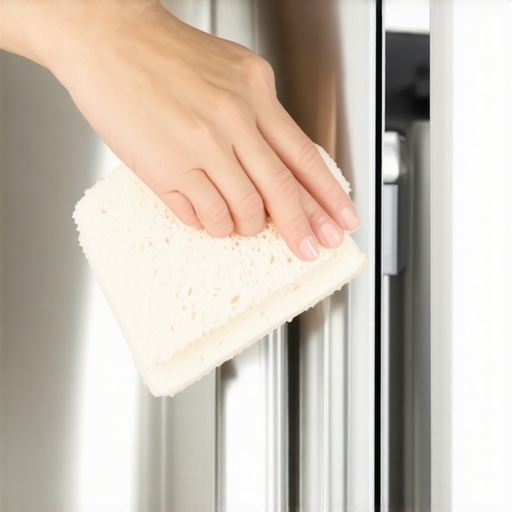
I was standing on a rickety step stool, reaching for a serving platter I only use at Thanksgiving. My fingers brushed the top of the refrigerator, and I froze. It wasn’t just dusty; it was a thick, tacky, amber-colored sludge that felt like I’d just dipped my hand into a bucket of industrial adhesive. I tried to pull away, but the surface literally held onto my skin. It was one of those humbling moments that makes you want to move out and start over. We spend so much time worrying about the real reason your fridge smells like onions or keeping the handles shiny, yet this gross biohazard is quietly growing just above our eye line. Today, I am going to show you how to reclaim that space without the headache.
Why Your Fridge Top Feels Like a Giant Glue Trap
Most of us assume it’s just neglected dust, but the reality is a bit more scientific—and a little annoying. When we cook, microscopic droplets of oil and fat become airborne. These tiny hitchhikers travel across the kitchen and settle on high, flat surfaces. Over time, these oils undergo a process called polymerization. According to technical reports on culinary science, this is when the molecular structure of the oil changes due to oxygen and heat, essentially turning it into a semi-solid plastic-like film that acts as a magnet for every stray dust particle and pet hair in your home. It’s the exact same nightmare people face when figuring out how to get rid of the sticky film on top of kitchen cabinets. I made a massive mistake early on by attacking this with a heavy-duty abrasive sponge and undiluted bleach. I thought I was being extra thorough, but all I did was scratch the appliance finish and make my eyes water. Today, I’m going to share effective house cleaning secrets from cleaning experts that won’t ruin your fridge or your afternoon.
Does This Gunk Actually Require Industrial Solvents?
It’s easy to look at that yellow, pebbled texture and think you need a blowtorch or a hazmat suit to fix it. You might even worry that scrubbing it will strip the paint right off, which is a valid fear if you are currently executing move-out cleaning strategies to secure your deposit. But here is the good news: you don’t need anything toxic. We are going to use the “like dissolves like” principle to break that bond safely. By the time we’re done, your fridge will be as smooth as the day it was delivered. Have you ever reached up there and felt that disgusting velcro sensation on your fingertips? Tell me about your grossest kitchen discovery in the comments below! To stay ahead of these hidden messes, keep these sanitizing secrets for a safer house in 2025 in your back pocket. Let’s get to work on the step-by-step process.
Stop Scrubbing and Start Dissolving
When you encounter that hardened, amber-colored shell, your first instinct is to grab a scouring pad. Don’t. It is like trying to sand down a piece of chewing gum; you will just make a gummy, scarred mess that is impossible to manage. Instead, we use the principle of like-dissolves-like. I remember my first apartment, a tiny studio where the previous tenant had not touched the fridge top in years. I tried soap and water, but the water just beaded off like it was hitting a freshly waxed car. I ended up creating a weird, gray sludge that looked like industrial runoff. The secret is to apply a layer of something that can actually penetrate the polymerized oil. According to effective house cleaning secrets from cleaning experts, the chemical bond of the grease needs to be broken before you even think about wiping.
The Magic Trio of Warm Water, Dish Soap, and Patience
Mix a heavy concentration of grease-cutting dish soap with very warm water. Think of it as a variation of the dish soap trick for spot cleaning grease stains on upholstery but scaled up for the rigors of the kitchen. Apply the sudsy mixture liberally with a sponge and let it sit for at least ten minutes. You want the surfactant molecules to surround the grease and pull it away from the metal surface. If the grime is particularly stubborn or feels like hard plastic, a tiny bit of mineral oil on a paper towel can help soften that bond.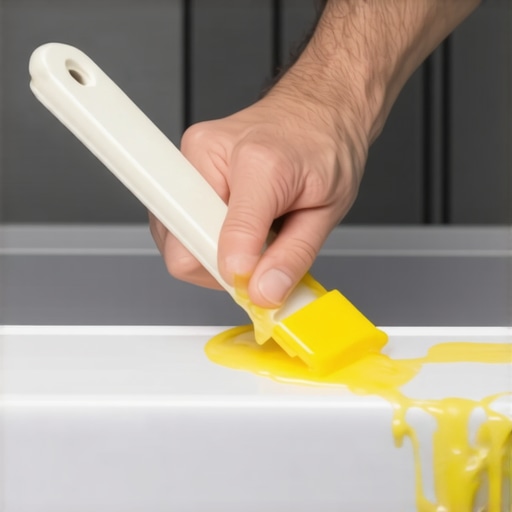
Use a Plastic Scraper for the Heavy Lifting
Once the gunk starts to soften, do not reach for a metal spatula. You will scratch the paint and ruin the aesthetic, which is a total disaster if you are trying to follow a move-out clean checklist to simplify your transition. Instead, use a plastic putty knife or even an old credit card. Hold it at a 45-degree angle and watch the sludge curl up like shavings from a pencil. It is incredibly satisfying, like peeling a sunburn but without the pain. This mechanical removal saves your microfiber cloths from becoming instantly ruined and unusable.
The Final Sanitizing Pass
After the physical mass of grease is gone, you still have a microscopic layer of bacteria and residue to deal with. This is where you implement effective sanitizing methods for a germ-free home. Use a clean microfiber cloth and a dedicated kitchen degreaser to finish the job. Wipe in one direction to avoid redepositing the grime. If you find the sides of the fridge are just as bad, you might need to look into how to get grease off kitchen cabinets without removing the finish because that airborne oil travels further than you think.
Never Clean This Spot Again
The ultimate pro tip I learned from a professional organizer is a game-changer. Once the surface is pristine and completely dry, lay down a layer of parchment paper or wax paper across the top. No one can see it from the ground. Next time you do your daily house cleaning routine to maintain perfection, you simply check the paper. If it feels sticky, you roll it up, throw it away, and lay down a fresh sheet. You have just turned a two-hour ordeal into a thirty-second task. This is the kind of practical logic found in house cleaning strategies for a sparkling home today.While we have successfully reclaimed the top of your refrigerator, it is time to dig deeper into the hidden nuances of home maintenance. Most people assume that clean is a single destination, but professional-grade results come from understanding the chemistry of your surfaces. One of the biggest myths I see is the idea that household vinegar is a universal cure-all. I have seen homeowners ruin beautiful kitchens by following the natural trend without checking the science first.
Stop Smearing Vinegar on Your Stone Counters
We have been conditioned to believe that vinegar and baking soda can handle anything. However, a study by the American Cleaning Institute highlights that using acidic cleaners like vinegar on alkaline-sensitive surfaces like marble or granite can lead to irreversible chemical etching. You might be trying to be eco-friendly, but you are actually eating away at the sealant. For these surfaces, you really need to follow the vinegar-free way to clean granite countertops to preserve the stone’s integrity. It is an expensive lesson to learn the hard way. Have you ever accidentally ruined a finish by trying to be too clean? Let me know in the comments below!
Avoid the Heat Trap When Dealing With Stains
Another massive oops factor involves temperature. We often associate heat with sanitizing, but when it comes to protein-based stains like blood or dairy, heat is your enemy. If you use hot water, you are not cleaning; you are cooking the protein into the fibers. This is exactly why you should never use hot water on a fresh blood stain. It creates a permanent bond that even professional equipment might struggle to break. This is a common mistake made during a rush, especially when people are executing move-out cleaning hacks to ensure your deposit refund.
Why Is Your Fabric Sofa Still Giving Off That Odor?
If you have scrubbed your upholstery and it still smells, the problem is not the surface; it is the wicking effect. Odors often live deep in the foam, and store-bought sprays usually just mask the issue. This is a common frustration and explains why your fabric sofa still smells after using store-bought deodorizers. To fix it properly, you need to understand the S or W codes on your furniture tags. If you ignore these, you might cause water rings or fabric shrinkage. Knowing how to treat s-coded upholstery fabric without ruining it is the difference between a fresh living room and an expensive replacement. 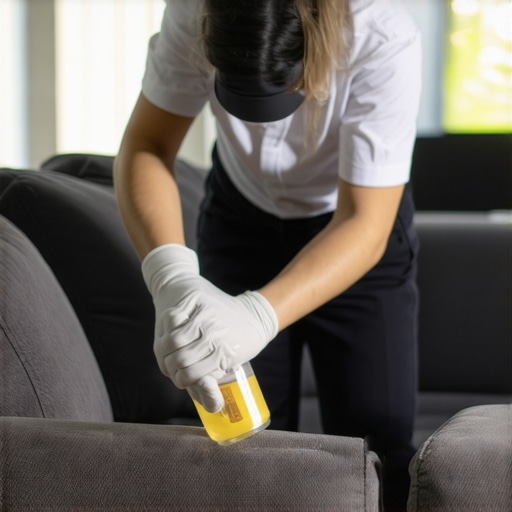
Master the Move-Out Nuance
Finally, if you are cleaning for a landlord, remember that they do not just look for dust; they look for neglect markers. These are spots like the tracks of your windows or the space behind the appliances. Using move-out clean checklist to simplify your transition ensures you do not miss the microscopic grease layers that inspectors love to flag. When you combine these tactics with sanitizing hacks for safe house transitions, you are not just cleaning a house; you are protecting your financial investment and ensuring a healthy start in your next home.I’ve learned the hard way that a broom and a prayer aren’t enough for a busy household. If you’re still using that $40 vacuum from college, stop. You are likely just recirculating allergens. According to the IICRC (Institute of Inspection Cleaning and Restoration Certification) S520 standards, proper airflow and filtration are non-negotiable for true decontamination. I personally use a sealed-system HEPA vacuum because it actually traps the microscopic grease-dust combo we talked about earlier. This is crucial because if your equipment isn’t up to par, why your vacuum is actually spreading more dust around becomes a daily reality rather than a one-time mistake. I’ve also moved almost entirely to 300 GSM microfiber cloths. They aren’t just rags; they are engineered tools with wedge-shaped fibers that lift dirt rather than pushing it. This is one of the many effective house cleaning secrets from cleaning experts that actually changes the physics of your chores. When you combine high-quality cloths with house cleaning strategies for a sparkling home today, you stop working harder and start working smarter. This is especially vital when you’re under the gun for move-out cleaning strategies to secure your deposit.
How do I keep these results from fading in a week?
The secret isn’t a deep clean once a year; it’s the tactical ‘micro-clean.’ For your sofa, that means a five-minute vacuuming session every Sunday to prevent skin oils from bonding with the fabric. If you miss this, you’ll be searching for upholstery cleaning tips for a fresh home revival much sooner than you’d like. I also keep a bottle of distilled water and a clean microfiber cloth in the utility closet specifically for those high-touch zones. This simple daily house cleaning routine to maintain perfection prevents the polymerization of grease we saw on the fridge. 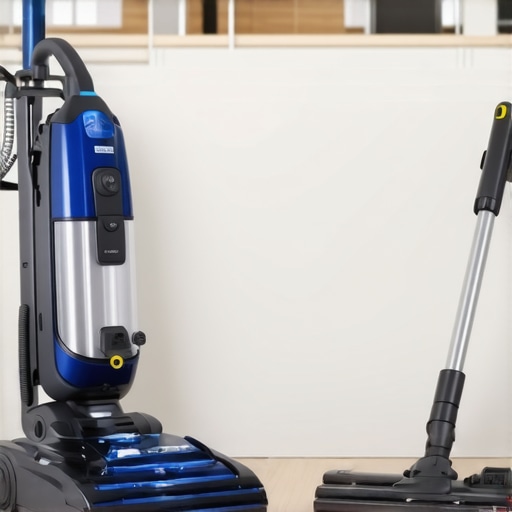 When it comes to sanitizing, I’m moving away from harsh chemicals. I think the future of cleaning lies in bio-enzymatic cleaners and stabilized aqueous ozone. We are seeing a shift where ‘clean’ no longer smells like bleach, but like nothing at all. This is where effective sanitizing methods for a germ-free home are headed—killing pathogens without compromising our indoor air quality. If you want to dive deeper into the technical side, check out the ultimate upholstery care guide for lasting freshness to see how professional-grade maintenance actually works.
The Future of Grime Resistance
I predict we’ll soon see ‘self-cleaning’ coatings for kitchen cabinets that use light-activated catalysts to break down grease before it even settles. A steam cleaner is also my MVP tool. It uses pressurized vapor to melt grease without scrubbing. People often ask is steam cleaning enough to kill bacteria on high-touch surfaces, and the answer is yes, provided the surface stays at 175°F for several seconds. Also, your tools need cleaning too. Using the only way to deep clean your washing machine without harsh chemicals ensures your rags aren’t just spreading old bacteria around. Don’t forget the small stuff like the gunk in your window frames. Taking the time to learn how to scrub window tracks so they look brand new again might seem overkill, but it stops the buildup from becoming a permanent fixture. I want you to try this today: take five minutes to wipe down just one high-touch surface using a professional-grade microfiber cloth. You’ll be amazed at what a difference it makes.
The Grimy Lessons That Changed My Approach
I used to think cleaning meant scrubbing until my shoulders ached, but the biggest lesson I learned is that chemistry is a better worker than muscle. If you use the right surfactant, you don’t need to sweat. Another realization: the top of the fridge is a gateway to the rest of the kitchen’s health. If it’s greasy, your air filters and cabinets are likely suffering too. Lastly, I realized that house cleaning strategies for a sparkling home today focus more on prevention than heavy restoration. It is about stopping the polymerization before it turns into that plastic-like shell.
The Gear That Saves My Sanity Every Week
I don’t believe in buying every gadget on the shelf, but a few items are non-negotiable for me. First, a high-quality 300 GSM microfiber cloth—these are the workhorses mentioned in effective house cleaning secrets from cleaning experts. Second, I swear by a plastic scraper; it is much safer than metal and far more effective than a standard sponge for heavy grease. Finally, I always keep a copy of my move-out clean checklist to simplify your transition nearby, because it keeps me from missing those hidden spots that landlords love to inspect during a final walk-through.
Take Control of Your Kitchen Atmosphere
You do not have to tackle the whole house in one afternoon. Start with that one sticky spot on top of the refrigerator and feel the immediate relief of a job well done. Once you master these sanitizing secrets for a safer house in 2025, the rest of the house feels much more manageable. Remember, effective house cleaning isn’t about impressing guests; it’s about creating a sanctuary for yourself where you can actually breathe and cook without feeling overwhelmed by hidden grime. Have you ever reached for something on top of the fridge only to find your hand stuck to a layer of grease? What is the grossest thing you have discovered up there? Let me know in the comments below!