
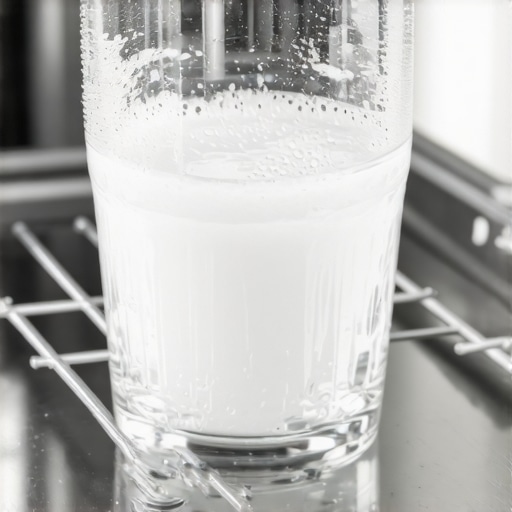
I stood in my kitchen, squinting at a wine glass that was supposed to be sparkling. Instead, it looked like it had been frosted with a layer of grit. I’d spent all afternoon getting ready for a dinner party, yet my clean dishes were a total embarrassment. It felt like my dishwasher was playing a prank on me. Have you ever felt that sinking realization that your high-end appliance is actually making things look worse?
Why Your Dishwasher is Failing the Clear Glass Test
I used to think the solution was simple: more soap. I’d jam two detergent pods into the dispenser, convinced that extra suds would blast away the film. I was wrong. My glassware came out even cloudier. I eventually realized that I wasn’t just dealing with dirt; I was fighting chemistry and a lack of maintenance. Before you decide how to prep your kitchen for a professional deep clean, you need to understand that most spotting comes down to two things: hard water minerals and a dirty machine. According to the American Cleaning Institute, roughly 85% of households deal with hard water, which leaves calcium and magnesium deposits behind as the water evaporates. If you don’t address this, no amount of scrubbing will help.
Do I really need a brand-new dishwasher?
It’s easy to assume the motor is dying or the arms aren’t spinning. Trust me, I almost called a repairman myself. But usually, the fix is much simpler—and cheaper. It often starts with the hidden dust trap in your dishwasher filter you need to clean now. If that filter is clogged with old food particles and grease, your machine is basically bathing your clean glasses in a soup of yesterday’s lasagna. [image_placeholder]
The Invisible Culprits Ruining Your Shine
One of the biggest mistakes I made early on was ignoring the 3 germ hotspots in your kitchen that soap alone wont fix, and the dishwasher filter is definitely one of them. We assume the machine cleans itself while it cleans our plates, but that’s a myth. When those minerals in the water meet residual food proteins, they create a stubborn bond on the surface of your glass. Have you noticed this happening more often lately? If so, you aren’t alone. Sometimes, natural solutions like why lemon juice is better than bleach for cutting through grease can help break down that initial film, but we need a consistent strategy to keep those spots away for good. I am going to show you how to tweak your routine so you never have to hand-buff a glass again.
Kill the Hard Water Film with Rinse Aid
The most common reason for cloudiness isn’t lack of soap; it’s actually how the water dries. Think of rinse aid as a protective shield for your plates. It lowers the surface tension of the water so it sheets off instead of forming individual droplets. When those droplets sit and evaporate, they leave behind “skeleton” remains of calcium and magnesium. I used to skip this step to save five bucks, but I learned that effective house cleaning secrets from cleaning experts always prioritize these finishing agents. If your glasses still look hazy even after a wash, check your rinse aid reservoir; it is likely empty.
The Secret Vinegar Bowl Trick
Once a month, I run what I call a “reset” cycle. I place a dishwasher-safe bowl filled with two cups of white vinegar upright on the top rack and run a hot cycle with no other dishes or detergent. The vinegar slowly splashes out as the arms spin, neutralizing the lime scale that builds up on the heating element and the spray nozzles. It’s a similar principle to effective sanitizing methods for a germ-free home where you let the acidity do the heavy lifting for you. I remember the first time I tried this; the gunk that cleared out of the spray arms was terrifying—it looked like chunks of wet cardboard that had been blocking the water flow for months.
How to Load for Maximum Water Flow
You cannot just shove everything in and hope for the best. Your dishwasher spray arms work like a series of rhythmic fountains. If you overlap your plates, you create “blind spots” where the water and detergent never actually hit the surface.
Stop the Nesting Bowls
I used to nest my cereal bowls tightly together to save space, but they would always come out with a gritty, greasy ring on the inside. Now, I follow house cleaning strategies for a sparkling home today by angling every bowl downward and leaving at least an inch of “breathing room” between each piece. Imagine each bowl is an umbrella; if you stack umbrellas, the one on the bottom stays completely dry. The same logic applies to your glassware. If the water can’t reach it, the soap can’t clean it. #IMAGE_PLACE_HOLDER_B#
Keep the Internal Gaskets Clean
While you are focusing on the glass, do not ignore the black rubber seals around the door. Food bits and detergent sludge often get trapped in the bottom gasket, which then rot and recirculate during the final rinse cycle. This is an essential part of a daily house cleaning routine to maintain perfection. If you have ever wondered why your floors feel sticky even after you finished mopping, it is usually due to the same culprit: chemical and organic residue buildup. In your dishwasher, this residue creates a thin, invisible film that sticks to the glass as it dries. Wipe the door edges and the seals with a damp cloth every few weeks to keep that “dirty water” smell away and ensure your sanitizing secrets for a safer house in 2025 are actually being put to good use.While we often focus on the visual sparkle, true sanitation is where most homeowners get tripped up. There is a persistent belief that dumping a capful of bleach into the tub is the ultimate way to kill germs. I am here to tell you: stop doing that. Bleach is incredibly corrosive to the stainless steel components and rubber seals inside modern machines. It is a common trap that leads to premature leaks and mechanical failure. Instead, focus on the temperature and the enzymes in your detergent.
Does the NSF Rating on Your Dishwasher Really Matter?
For those who want to get technical, the National Sanitation Foundation (NSF) states in their ANSI/Standard 184 that a dishwasher must reach an internal temperature of at least 150°F during the final rinse to be labeled as sanitizing. If your water heater is not set high enough, or if your heating element is coated in scale, you are just washing with warm, dirty water. This is a critical detail often missed during a move-out clean checklist to simplify your transition. Just as you would not use a steam cleaner on delicate fabrics without checking the ultimate upholstery care guide for lasting freshness, you should not assume your dishwasher is disinfecting just because a light is blinking on the console. 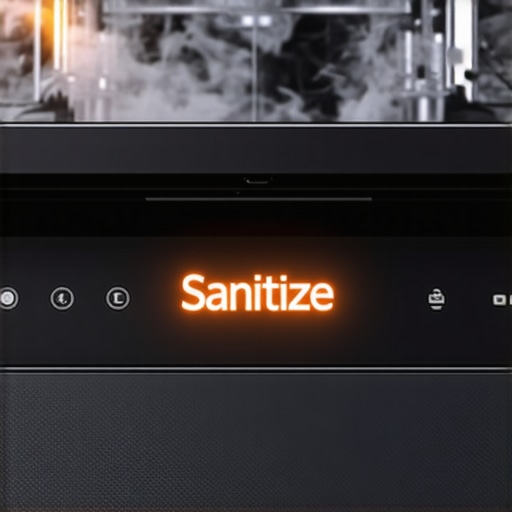
The Air Gap Trap You Probably Ignored
One of the biggest oops factors I see is the neglected air gap—that little silver cylinder sitting on your sink. If this gets clogged with food debris, it creates a vacuum that pulls dirty sink water back into your dishwasher during the drain cycle. You could be following all the effective sanitizing methods for a germ-free home, but if that air gap is blocked, your clean dishes are being rinsed in dirty runoff. It is these hidden nuances that separate a surface-level wipe-down from professional-grade sanitizing secrets for a safer house in 2025. Have you ever noticed water leaking from your air gap or found grit in the bottom of your machine? It is a classic sign of this plumbing failure. Have you ever fallen into this trap? Let me know in the comments below!
Stop the Gunk Before It Starts
I’ve learned the hard way that a sponge and soap are only half the battle. If you want professional results, you need professional-grade logic. To keep that showroom shine, you have to look beyond the racks. I’ve started treating my dishwasher maintenance as part of a broader daily house cleaning routine to maintain perfection. One trick I swear by is checking the spray arm holes with a toothpick. Even a tiny seed from a smoothie can block a nozzle, reducing the water pressure and leaving your glasses streaky. It’s these tiny, granular details that make the difference between a clean kitchen and a truly sanitized one.
Why a Wet-Dry Vac is My Secret Weapon
It sounds like overkill for a kitchen, but if you have ever had a stagnant pool of water at the bottom of your machine, you know the frustration. When my drain line gets sluggish, I don’t reach for chemicals. I take my shop vac to the exterior drain hose or the air gap. The suction power clears out the grease logs that detergent alone can’t touch. This is the same kind of mechanical precision you would see in a professional move-out cleaning hacks ensure your deposit refund strategy. It is about removing the source of the problem, not just masking the symptoms. According to the Association of Home Appliance Manufacturers (AHAM), modern dishwashers use sensors to detect soil levels, so if your sensors are obscured by a film of grease, the machine will short-change the cycle, leaving your dishes dirty. #IMAGE_PLACE_HOLDER_D#
How do I maintain my dishwasher performance over time?
Consistency is your best friend here. Beyond the monthly vinegar rinse I mentioned earlier, you should be checking the fine mesh filter every week. If you’ve been following my effective sanitizing methods for a germ-free home, you know that organic buildup is a breeding ground for bacteria. I also recommend leaving the door cracked for an hour after the cycle ends. This allows moisture to escape, preventing that mildew smell from taking root in the gaskets. It is the same logic I use when I’m teaching people ultimate upholstery care guide for lasting freshness—moisture management is the key to longevity.
The High-Tech Future of Home Sanitation
Looking ahead, I suspect we are going to see a massive shift toward ozone-infused water and UV-C light integration in home appliances. We are already seeing these technologies in industrial settings, and as they scale down, the need for harsh chemicals will plummet. For now, we rely on enzymes. I’ve switched entirely to high-enzyme detergents because they literally eat the proteins and starches off your plates. It’s a smarter way to clean that aligns with the sanitizing secrets for a safer house in 2025. If you want to see an immediate improvement tonight, try this: clear your sink’s garbage disposal before you hit ‘start’ on the dishwasher. Since they often share the same drain, a clear disposal means a clear path for your dishwasher’s waste water. Give that shop-vac trick a try on your air gap this weekend—you’ll be disgusted (and satisfied) by what comes out!
The Hardest Lesson I Learned While Chasing Perfect Glassware
For a long time, I was convinced that if the dishes weren’t coming out clean, I simply needed to buy a more expensive machine. I learned the hard way that even a high-end dishwasher will fail if you ignore the basics of water chemistry. The biggest lightbulb moment for me was realizing that my “clean” dishes were actually being rinsed in recirculated grime because I hadn’t learned how to schedule a deep clean that actually lasts more than a week. Now, I prioritize flow over soap every single time.
- The Hot Start Trick: Always run the hot water at your kitchen sink until it’s steaming before you start the dishwasher cycle. This ensures the very first fill is hot enough to activate the detergent’s enzymes immediately.
- Scale is the Hidden Enemy: Even if your machine looks clean, invisible lime scale on the heating element can prevent it from reaching proper sanitizing temperatures.
- The Air Gap is Vital: If you smell something funky, check the sink air gap; it’s the most common cause of cross-contamination in the kitchen environment.
#IMAGE_PLACEHOLDER_FINAL#
The Essential Toolkit for Every Modern Kitchen
I’ve found that you don’t need a cabinet full of specialty products to maintain a professional standard. My personal “must-haves” include a large bottle of white vinegar for monthly descaling and a simple wooden toothpick for clearing spray arm nozzles. If you’re looking to expand your maintenance routine beyond the kitchen, I highly recommend checking out the proper way to sanitize your bathroom sink drain to prevent odors from drifting through your home. If your quest for cleanliness leads you to the laundry room, you’ll find similar logic applies to why your washing machine smells like a swamp and how to fix it—moisture and residue management are universal rules of appliance care.
Your Future in a Spotless Home
Reclaiming the shine on your glassware is more than just an aesthetic win; it’s a sign that your home environment is truly healthy. By sticking to these effective sanitizing methods for a germ-free home, you’re ensuring that every meal is served on a surface that is as safe as it is sparkling. Don’t let a little hard water film discourage you—now that you have the right strategy, you’re well on your way to mastering the art of house cleaning. Have you ever found something totally unexpected inside your dishwasher filter during a cleaning? Let me know in the comments below!