
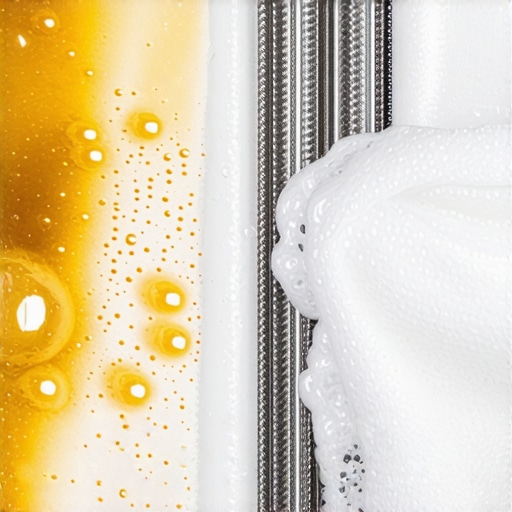
I’ll never forget the Sunday morning I was flipping sourdough pancakes and a thick, honey-colored drop of mystery goo landed right next to a blueberry. It wasn’t syrup. It was pure, rancid kitchen grease dripping from my range hood. I’d been so focused on making sure the counters looked great and [following a daily house cleaning routine](https://spotlesscarpetz.com/daily-house-cleaning-routine-to-maintain-perfection) that I completely ignored the metal mesh hanging over my head. My kitchen didn’t just smell like old bacon; it was becoming a genuine fire hazard. If you’ve ever looked up and realized your vents look like they’ve been dipped in candle wax, you aren’t alone. Today, I’m going to show you how to melt that gunk away without breaking a sweat or ruining your manicure. [IMAGE_PLACEHOLDER]
Don’t let a sticky vent ruin your kitchen vibe
When grease builds up, your fan stops pulling air. It just spins and makes noise while the smoke from your searing steak drifts into the living room and settles into your curtains. I made the mistake of waiting until I could see the grime hanging in stalactites before I acted. Trust me, [effective house cleaning secrets from cleaning experts](https://spotlesscarpetz.com/effective-house-cleaning-secrets-from-cleaning-experts) always emphasize the stuff you can’t see at eye level. Beyond the smell, there’s a safety issue. According to the National Fire Protection Association, grease is a primary fuel source for kitchen fires that spread rapidly. Have you ever noticed a weird, sticky film on your stove and wondered where it came from?
Is cleaning these things even worth the effort?
Many people think they can just ignore the vents until they move out, but that’s a recipe for losing money. If you’re a renter, [why the space behind the oven costs most renters their deposit](https://spotlesscarpetz.com/why-the-space-behind-the-oven-costs-most-renters-their-deposit) is the same reason you should worry about your range hood: grease travels. A filthy range hood is always next on the inspector’s list. I once spent three hours scrubbing with a tiny brush because I didn’t know [the dish soap trick for removing greasy buildup](https://spotlesscarpetz.com/the-dish-soap-trick-for-removing-greasy-buildup-on-kitchen-cabinets). You don’t have to live with that yellow haze or the fear of a grease fire. We’re going to tackle this together using a method that actually works, so you can get back to cooking without the ‘goo-drip’ anxiety. Before we dive into the steps, tell me: when was the last time you actually looked at the underside of your range hood?
The boiling water bath that melts grease on contact
To start this process, you need to treat your range hood filters like a spa guest in a volcanic spring. Fill your sink or a large heat-safe basin with boiling water. This isn’t the time for lukewarm tap water; we need intense heat to break the molecular bonds of that hardened, honey-like oil. I learned this the hard way during a panicked Sunday cleaning session where I tried to use cold water and a sponge. I ended up with a grey, sticky sludge all over my hands, and the sponge was ruined within thirty seconds. It was a frustrating disaster that only got worse until I realized that heat is your absolute best friend when dealing with kitchen gunk.
Pick a degreaser that actually cuts through the film
Once your water is steaming, add a generous squirt of a high-quality degreasing dish soap and half a cup of baking soda. This combination creates a fizzy, alkaline environment that acts like a thousand tiny jackhammers on the grease. If you have struggled with sticky surfaces before, you might find that learning how to get grease off kitchen cabinets without removing the finish requires a similar balance of chemical strength and physical gentleness. Don’t reach for harsh abrasive chemicals yet; the goal is to lift the grime, not etch the metal mesh.
Let the filters soak until the water looks like tea
Slide those filters into the water and walk away. This is where most people fail—they want to start scrubbing immediately. You need to give it at least 15 to 20 minutes. Think of it like soaking a pan with burnt-on lasagna; time does the work so your arms don’t have to. If you are prepping for a move, remember that move-out cleaning strategies to secure your deposit often hinge on these small, overlooked areas that landlords love to check with a flashlight. 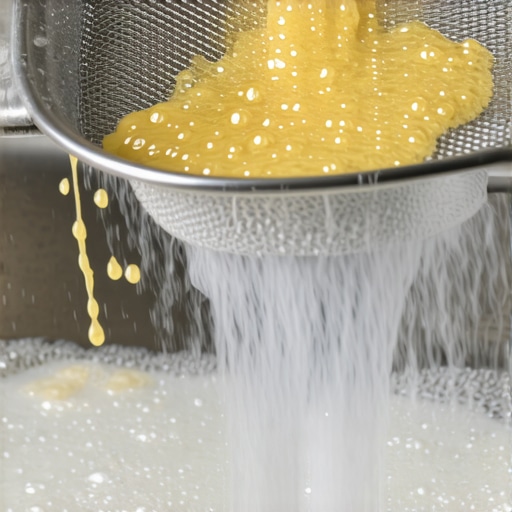
The gentle scrub and final rinse
After the soak, use a soft-bristled brush to whisk away the remaining residue. If you’ve soaked them long enough, the grease should fall off in clumps rather than smearing. I once found that even 3 germ hotspots in your kitchen that soap alone wont fix include these vents because the grease traps bacteria and dust. Once they look shiny and the metal mesh is clear, rinse them under hot running water to ensure no soap film remains. While the filters are drying, take a microfiber cloth dampened with the same degreasing solution and wipe the underside of the range hood itself. I remember reaching up to wipe mine and my hand actually got stuck to the metal—it was that bad. Keeping the housing clean is just as vital as the filters. For those who want a truly professional finish, applying house cleaning strategies for a sparkling home today means looking at the machine as a whole system. Dry the filters completely before sliding them back in, as damp filters can actually attract new dust faster than bone-dry ones. Using effective house cleaning secrets from cleaning experts like this ensures your kitchen stays fresh and your range hood actually pulls the steam away.It’s easy to get caught up in the satisfaction of a clean surface, but there’s a nuance that most DIYers miss: the difference between looking clean and being biologically safe. Everyone says vinegar is the ultimate green solution, but why vinegar is not always the best choice for granite countertops also applies to heavy grease. Vinegar is an acid, and while it’s great for hard water stains, grease is often better tackled by an alkaline solution. If you rely solely on ‘natural’ acids for a kitchen deep clean, you’re often just moving the oils around rather than truly emulsifying them. This results in that tacky, ghost-like film that you can feel but not always see.
Why does the grease keep coming back so quickly?
The answer usually lies in the residue trap. When we use too much detergent or don’t rinse properly, we leave behind a microscopic sticky film. This film acts like a magnet for dust and airborne cooking oils. According to the ISSA (The Worldwide Cleaning Industry Association), the most effective hygiene protocol involves a distinct two-step process: cleaning to physically remove soil, followed by sanitizing to kill pathogens. Skipping the first step makes the second step useless because germs can easily hide beneath the organic soil. This is one of the most effective sanitizing methods for a germ-free home that professionals swear by, yet homeowners rarely execute. The biggest ‘oops’ factor I see in the field involves the misuse of heat. While I previously suggested boiling water for metal filters, never apply that logic to your furniture or delicate finishes. I’ve seen beautiful sofas ruined because someone thought steam was a universal sanitizer. Knowing why you should never use a steam cleaner on these specific upholstery fabrics can save you thousands in replacement costs. Similarly, during a move-out, people often over-scrub walls and end up losing their deposit because they wiped away the paint sheen or created ‘hot spots.’ Following the secret to getting your full security deposit back every time requires knowing when to be aggressive and when to be gentle. If you’re dealing with soft surfaces, use these upholstery cleaning tips for a fresh home revival to avoid the common trap of over-wetting fabrics, which leads to deep-set mold and permanent browning.  Have you ever fallen into the trap of using a ‘hack’ that actually made the mess worse? Let me know in the comments.
Stop the buildup before it sticks
Maintenance isn’t about being a perfectionist; it’s about being efficient. I’ve found that adopting a daily house cleaning routine to maintain perfection is less about scrubbing for hours and more about the five-minute habits that stop the ‘goo’ from forming in the first place. Every time I finish a heavy sauté, I give the underside of the hood a quick thirty-second wipe while the surfaces are still warm. This simple act prevents the grease from cooling and hardening into that impossible-to-remove lacquer. If you want to take it a step further, how to schedule a deep clean that actually lasts more than a week involves timing your filter checks with your dishwasher cycles. Many modern filters are dishwasher safe, and tossing them in once a month on a high-heat setting keeps the airflow optimal without you ever having to see a ‘stalactite’ again.
How do I maintain my kitchen vents over time?
Consistency is key, but so is using the right barrier. After I’ve deep-cleaned my filters, I sometimes apply a very light coating of mineral oil to the mesh. This doesn’t attract more dust; rather, it creates a non-stick surface that makes the next cleaning session twice as fast. If you are managing a larger home or preparing for a transition, house cleaning strategies for a sparkling home today often revolve around these small preventative measures. For those moving out, these habits ensure you aren’t stuck with a massive bill, as move-out cleaning strategies to secure your deposit always prioritize kitchen degreasing. 
The professional tools that actually save you time
I swear by 300 GSM (grams per square meter) microfiber cloths. Most grocery store rags are too thin and just smear the grease around, but high-density microfiber actually hooks into the lipid molecules and pulls them away. When it comes to floors and upholstery, I never settle for a standard filter. I use a true HEPA-rated vacuum because why your vacuum filter might be making your allergies-worse is a real concern for indoor air quality. If your vacuum is blowing fine dust back into the air, that dust eventually settles on your newly cleaned kitchen cabinets, mixing with grease to create a fresh layer of grime. For soft surfaces, following an ultimate upholstery care guide for lasting freshness ensures that the ‘kitchen smell’ doesn’t migrate into your living room fabrics. According to the IICRC (Institute of Inspection Cleaning and Restoration Certification), effective soil suspension is the most critical part of the cleaning process, requiring a balance of chemical action, heat, agitation, and time. In the near future, I predict we’ll see range hoods equipped with integrated laser-scatter sensors that monitor particulate buildup and alert your smartphone the moment airflow drops by even 10%. Until then, I strongly encourage you to try the two-cloth method for streak-free windows in half the time on your stainless steel appliances—use one damp cloth to clean and one dry microfiber to polish immediately. You’ll be shocked at the professional-grade shine you can achieve in seconds.
The Hardest Lesson I Learned While Fighting Kitchen Gunk
The biggest epiphany I had wasn’t about a specific chemical, but about the power of patience. I spent years thinking that more scrubbing meant a cleaner surface, but I was just wearing myself out. The real secret is letting the heat and chemistry do the heavy lifting for you. Also, I realized that ignoring the vent is like ignoring a leak in the roof; by the time you see the damage, it’s already widespread. If you are prepping for a transition, these sanitizing hacks for safe house transitions can prevent that overwhelming feeling of ‘too much to do’ at the last minute.
- Grease isn’t just oil; it’s a trap for dust and allergens that becomes a breeding ground for bacteria if left alone.
- Natural isn’t always better for every surface—acidic solutions can actually damage some metal finishes over time.
- Consistency in your daily house cleaning routine to maintain perfection prevents the need for back-breaking deep cleans later.
[IMAGE_PLACEHOLDER]
My Essential Toolkit for Winning the War on Grime
I don’t believe in having a cupboard full of fifty different cleaners. My go-to list is short and focused on high-quality results. I always keep a stack of high-GSM microfiber cloths because they actually lift particles instead of just sliding them around. I also rely heavily on a HEPA-rated vacuum to ensure that the dust I’m cleaning isn’t just being redistributed into the air. If you’re tackling soft surfaces, I recommend following this ultimate upholstery care guide for lasting freshness to keep the living room as clean as the kitchen. Lastly, a simple, high-quality alkaline degreaser is my secret weapon for anything that feels tacky to the touch.
Start Fresh and Cook Without the Stress
Cleaning your range hood filters might feel like a chore you can push off for another month, but the peace of mind that comes from a fire-safe, fresh-smelling kitchen is worth every minute of that boiling water soak. You’ve got the steps, you’ve got the tools, and now you have the momentum to tackle the rest of your home. Whether you are using move-out cleaning strategies to secure your deposit or just want to level up your standard house cleaning strategies for a sparkling home today, remember that every small effort counts toward a healthier environment. Don’t wait for the ‘goo’ to start dripping again—take action today and breathe easier in your own home. Have you ever discovered a hidden spot of grease that took you forever to clean? Let me know in the comments below!