
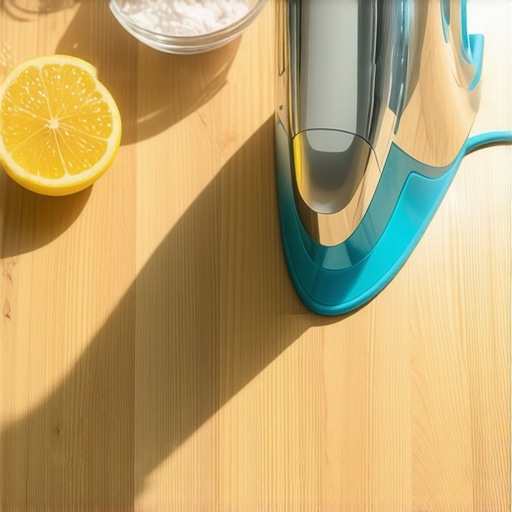
I stood there, paralyzed, watching a dark, sticky streak ruin my favorite white linen shirt just ten minutes before a big meeting. It wasn’t just a stain; it was the smell of scorched fabric and a sudden realization that my iron had turned into a weapon of mass destruction. I’d ignored that slight ‘drag’ for weeks, thinking it was just the humidity. Boy, was I wrong. If you’ve ever seen that brownish gunk on the bottom of your iron and wondered if your clothes are next, you’re in the right place. Today, I’m sharing the exact method I used to save my iron and my sanity without reaching for harsh chemicals.
The Day I Almost Threw My Steam Iron Out the Window
I remember the first time I tried to fix this problem. I was younger, impatient, and frankly, a bit reckless. I grabbed a green scouring pad and went to town on the metal. It was a disaster. [image_placeholder_1] I learned the hard way that you should never use abrasives if you want to know how to clean the bottom of your iron without ruining the surface. Those scratches I left behind just caught more lint and made the sticking even worse. It’s a common pitfall in any daily house cleaning routine to maintain perfection; we get frustrated and choose force over finesse. But your iron’s soleplate is sensitive. Whether it’s ceramic, stainless steel, or non-stick, it needs a gentle touch. Natural acids and mild abrasives—the kind you already have in your pantry—are surprisingly effective. In fact, many experts at the Good Housekeeping Institute suggest that simple household items like vinegar can break down the mineral deposits that clog steam vents and cause that frustrating drag. When these minerals build up, they don’t just stay inside; they eventually bake onto the outside, creating that rough texture that snags your delicate fabrics. Using a natural approach means you aren’t breathing in toxic fumes while you work over a hot appliance, which is a major win for your indoor air quality.
Is a DIY Mixture Really Strong Enough for That Burnt Gunk?
It’s a fair question. We’ve been conditioned to think that if a cleaner doesn’t smell like a laboratory, it isn’t working. But when you look at why lemon juice is better than bleach for cutting through grease and grime, the science of acidity starts to make a lot of sense. The burnt-on fibers on your iron are essentially carbonized gunk. You don’t need a sledgehammer to remove them; you need something that can penetrate the bond between the residue and the metal. I was skeptical too, until I saw a paste of baking soda and water lift a year’s worth of starch buildup in seconds. Have you ever faced that moment of panic where your iron just stops gliding and starts gripping? It’s enough to make anyone want to quit chores forever, but I promise the fix is easier than you think. By focusing on the chemistry of the stain rather than just scrubbing harder, you can restore your appliances to their former glory without spending a dime on specialized cleaning products. These are the kinds of effective house cleaning secrets from cleaning experts that save you money and protect your belongings over the long term. We’re going to dive into the salt method, the vinegar soak, and even a surprising trick involving a common medicine cabinet item that will change your laundry game forever.
Whip Up a Baking Soda Paste That Actually Works
To get that professional finish you’d expect from effective house cleaning secrets from cleaning experts, start with baking soda. Think of it as a gentle facial for your appliance; it provides just enough friction to lift gunk without scratching the surface. Mix two tablespoons of baking soda with one tablespoon of water until it reaches the consistency of Greek yogurt. I remember the first time I used this after accidentally melting a polyester-blend tie. The black residue looked permanent, but as I spread the paste over the cold soleplate and let it sit for five minutes, the carbonized plastic started to soften. Use a damp microfiber cloth to wipe it away in circular motions. This is far safer than the chemicals people often use during a move-out clean checklist to simplify your transition. If the stains are stubborn, repeat the process, but never use a metal scraper. 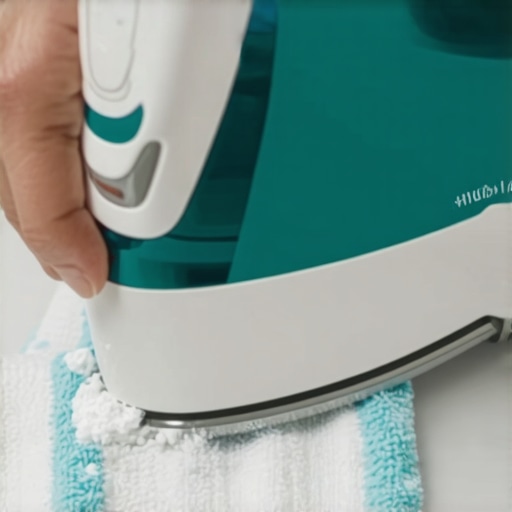
Use Salt to Buff Away Surface Residue
If your iron is sticky rather than scorched, salt is your best friend. This follows the same logic as the grease-cutting power of salt for cast iron pans. Spread a generous layer of coarse sea salt onto a piece of brown paper or a cotton towel. Turn your iron to the highest setting with the steam turned OFF. Run the hot iron over the salt several times. The salt acts like tiny scrubbers that catch the sticky wax or starch buildup and pull it away from the metal. It’s a satisfying process—you’ll literally see the salt turn grey as it absorbs the grime. This technique is a staple among those who follow a daily house cleaning routine to maintain perfection because it takes less than two minutes and requires zero cleanup of the appliance itself.
Flush Your Steam Vents with White Vinegar
Mineral buildup inside the vents is often why your iron starts spitting brown water onto your clean clothes. To fix this, fill the water tank with a 1:1 mixture of white vinegar and distilled water. Turn the iron to the highest steam setting and let it sit upright for a few minutes. Then, grab an old towel and iron it while constantly pressing the steam button. You’re essentially power-washing the internals. This is one of the most effective sanitizing methods for a germ-free home appliance, as vinegar kills mold that can grow in stagnant water tanks. If you see white flakes coming out, that’s just the calcium breaking down. Once the tank is empty, refill it with plain distilled water and run the steam again to rinse out the vinegar scent.
The Tylenol Trick for Stubborn Scorched Fabric
It sounds like an urban legend, but an acetaminophen tablet (like Tylenol) is the ultimate secret weapon for localized burn marks. Turn the iron on high. Holding the tablet with tweezers—be extremely careful not to touch the plate with your fingers—rub the pill directly onto the hot scorched area. The pill will melt into a gel that chemically dissolves the burn. Wipe it away immediately with a thick damp rag. This is much like the move-out trick for removing rust from bathroom fixtures; it’s about using the right reactive agent for the specific mess. I once saved a high-end steam station using just two tablets and a bit of patience, proving you don’t need a toolbox to maintain your house cleaning strategies for a sparkling home today.While these iron hacks save your clothes, there is a bigger picture to consider when you are tackling a full-room refresh. Most people assume that heat is a universal friend, but as an expert, I have seen more furniture ruined by ‘good intentions’ than by actual dirt.
Why Your Steam Cleaner Might Be Your Sofas Worst Enemy
Everyone tells you to steam everything to kill germs, but in my experience, moisture is often the enemy of longevity. If you have a velvet or silk-blend piece, high-heat steam can cause permanent pile distortion or water spotting. I have seen homeowners try to be thorough during a move-out cleaning strategy to secure your deposit and end up losing money because they shrank the cushion covers. This is exactly why you should never use a steam cleaner on these specific upholstery fabrics without checking the manufacturer tag first. According to the Institute of Inspection, Cleaning and Restoration Certification (IICRC), excess moisture that stays in the padding for more than 24 hours is a primary trigger for mold and ‘wicking,’ where deep stains travel back to the surface as the fabric dries. 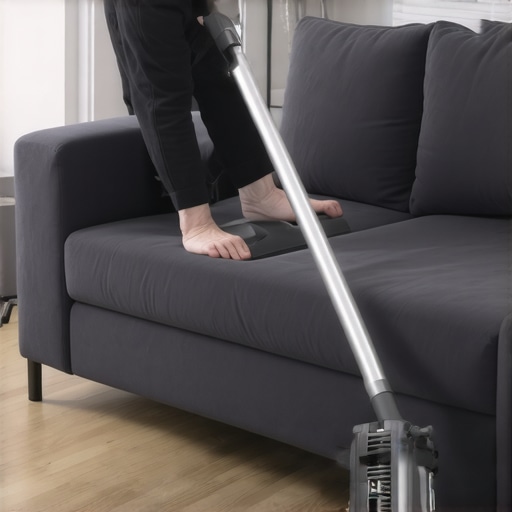
Can You Actually Sanitize Without Using Harsh Bleach?
It is a common myth that you need bleach to achieve a truly ‘safe’ home. Advanced sanitization is actually about dwell time, not chemical strength. When I am implementing sanitizing secrets for a safer house in 2025, I focus on pH-neutral cleaners that sit on the surface long enough to disrupt pathogens without eating away at the finish of your furniture. If you are following a daily house cleaning routine to maintain perfection, you will find that micro-fiber and mechanical action often outperform heavy sprays. The ‘oops’ factor usually happens when people mix products; never combine ammonia-based cleaners with bleach, as it creates toxic chloramine gas.
Stop Ignoring Those Hidden Dirt Traps
If you are looking for a upholstery cleaning tip for a fresh home revival, remember that the most significant pollutants are usually invisible. Dust mites and skin cells accumulate deep in the fibers, which is why you must always vacuum thoroughly before applying any liquid. If you skip this, you are just making ‘mud’ inside your sofa. This same logic applies to appliances; for instance, many people forget why the space behind the oven costs most renters their deposit—it is a grease magnet that requires specific degreasers, not just a wet wipe. Have you ever fallen into this trap of over-cleaning and making a mess worse? Let me know in the comments. For more professional guidance, feel free to contact us.
Stop Using Tools That Just Move the Dirt Around
Over the years, I have realized that the biggest barrier to a clean home isn’t laziness; it’s bad equipment. I used to buy the cheapest vacuum on the market until I realized why your vacuum is actually spreading more dust around rather than removing it. If your machine doesn’t have a truly sealed HEPA system, you are essentially just filtering large debris and aerosolizing the fine allergens back into your breathing zone. I personally switched to a high-end canister model because the suction at the floor head is consistent regardless of the surface, which is vital for long-term air quality. For my furniture, I never skip using a natural horsehair brush attachment. It is soft enough to follow my ultimate upholstery care guide for lasting freshness but firm enough to dislodge pet dander from deep within the weave. Using the wrong plastic bristles can actually fray delicate fibers over time, leading to that ‘fuzzy’ look you see on old sofas. 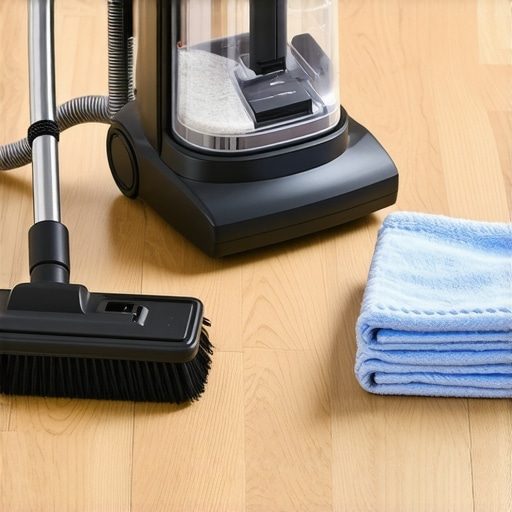
How do I keep my home professional-grade clean all year?
The secret isn’t a massive twelve-hour scrub once a month; it’s the ‘rolling deep clean’ method. I tell my clients that they need to learn how to schedule a deep clean that actually lasts more than a week by breaking the house into high-impact zones. This prevents the mental and physical burnout that usually follows a major move-out clean checklist to simplify your transition. According to the IICRC S300 Standard for Professional Upholstery Cleaning, soil suspension and extraction are the two most critical phases of fabric maintenance. If you maintain a daily house cleaning routine to maintain perfection in those high-traffic zones, you never allow the soil to become ‘set’ in the fibers. This simple consistency is what separates a home that looks staged for a magazine from one that just looks ‘okay.’
Smart Homes and the Death of the Traditional Mop
Looking ahead, I suspect we are moving toward a world where bio-enzymatic cleaners and UV-C light will replace most liquid chemicals. We are already seeing this in how sanitizing secrets for a safer house in 2025 focus more on light-based disinfection for electronics and hard-to-wash items rather than saturating them with sprays. It’s an exciting shift toward a more sustainable and allergy-friendly lifestyle that prioritizes health over heavy scents. I want you to try one thing this week: stop using a single wet rag for your mirrors and try the two-cloth method for streak-free windows in half the time. It is a game-changer that will make you feel like a pro instantly. If you need help with a more serious deep clean or specialized fabric care, please contact us today.
What I Wish Someone Told Me Before I Burnt My First Shirt
Reflecting on years of appliance maintenance, the biggest lightbulb moment was realizing that heat is a double-edged sword. If you don’t implement effective sanitizing methods for a germ-free home, you are often just “cooking” the bacteria and mineral deposits into your surfaces. I learned the hard way that a dirty iron doesn’t just stop gliding; it actually damages the fibers of your clothes at a molecular level by trapping heat unevenly. Another realization was how much upholstery cleaning tips for a fresh home revival apply to every area of the house—prep work is 90% of the job. If you don’t wipe away loose debris before applying a cleaning paste, you are simply making mud on your appliances. Finally, never underestimate the power of a “cool down” period; just as you shouldn’t scrub a hot soleplate with cold water, you shouldn’t rush the drying process on delicate items.
The Toolkit That Rescued My Laundry Room
If you want to move beyond basic chores and achieve professional results, I highly recommend investing in a few specific items. First, a dedicated set of microfiber cloths is non-negotiable for any daily house cleaning routine to maintain perfection, as they trap particles that cotton just pushes around. Second, I always keep a bottle of distilled water specifically for my steam iron to prevent the mineral clogs that ruin internal components. #IMAGE_PLACEHOLDER_WRAP# Third, I suggest reading the manufacturer’s manual for every major appliance—it sounds boring, but it is where the best house cleaning strategies for a sparkling home today are often hidden. Lastly, a reliable HEPA-filter vacuum is your best defense against why your vacuum is actually spreading more dust around, ensuring that the allergens you pick up from your laundry area don’t just fly back into your breathing zone.
Your Path to a Stress-Free Laundry Day
Taking care of your home shouldn’t feel like a constant battle against grime or the fear of ruining your wardrobe. Now that you have mastered how to clean the bottom of your iron without ruining the surface, you can approach your laundry with confidence rather than dread. These small habits—using the right baking soda paste, flushing your steam vents regularly, and choosing the right tools—build up over time to create a home that feels truly revitalized and managed. Remember, the goal isn’t just a clean iron; it’s the peace of mind that comes with knowing your belongings are protected and your household environment is healthy. Have you ever accidentally ruined a favorite piece of clothing because of a dirty iron? Let me know your stories in the comments below!