

I remember staring down at my grandmother’s heirloom skillet after a particularly aggressive Saturday morning bacon session, feeling like a total failure. A literal lake of liquefied fat and charred, black bits was glued to the bottom like superglue. My first instinct, fueled by years of standard house cleaning strategies, was to reach for the heavy-duty degreaser and a scouring pad. I almost did it. I almost stripped away decades of history and flavor in one misguided attempt to get things tidy. But then I remembered a trick my neighbor once mentioned over the fence: a handful of coarse kosher salt. That moment changed how I looked at my kitchen forever. Today, I want to show you exactly why that humble shaker of salt is actually a grease-cutting powerhouse that protects your pan while obliterating the grime.
Why I stopped using soap on my favorite skillet
Early in my cooking journey, I made the cardinal sin of cast iron care. I thought ‘clean’ meant ‘stripped to the bone,’ so I took a wire wool pad and high-alkaline dish soap to my pan. I spent forty minutes scrubbing until it was shiny silver, only to realize I had destroyed the non-stick seasoning I’d worked so hard to build. It was a disaster. Since then, I’ve learned that cleaning a cast iron skillet without losing the seasoning is an art form, and salt is the paintbrush. Unlike liquid soaps that can break down the polymerized oils we want to keep, salt provides a mechanical scrub. It’s abrasive enough to lift burnt-on protein but soft enough that it won’t gouge the iron. It’s the same logic I use when I’m looking for upholstery cleaning tips; you want something effective that doesn’t compromise the integrity of the material.
Is coarse salt actually abrasive enough for the tough stuff?
Many people worry that a little sodium chloride won’t stand a chance against a blackened steak crust. I get it. It seems too simple. However, salt is naturally hygroscopic, meaning it literally draws moisture and fats out of the crevices. According to the food science experts at Serious Eats, salt acts as a gentle abrasive that absorbs oil as it works, turning into a gray paste that you can simply wipe away. It’s one of those effective sanitizing methods that feels like magic but is actually just solid physics. Have you ever tried a ‘natural’ hack that ended up being a total waste of time, or are you ready to give the salt method a shot? Let me tell you, once you see that grease lift without a single bubble of soap, you’ll never go back to the blue bottle for your ironwork. It’s about working smarter, much like using sanitizing hacks to keep your kitchen healthy without the harsh chemicals.
Heat makes the grease let go
Before you even touch that salt shaker, you need to understand that cast iron is a porous beast. When it’s cold, the microscopic pores are tightly closed, trapping fats and carbonized food particles. I always put my pan back on the burner for about sixty seconds on medium-low heat. You aren’t looking to sear a steak here; you just want the pan warm enough that the grease starts to liquefy. It’s a similar logic used in effective house cleaning secrets from cleaning experts: heat breaks the bond between the surface and the soil. Once the pan is warm, use a dry paper towel to wipe out any standing pools of liquid fat. Be careful—I once rushed this step after a messy bacon fry-up and ended up with a literal grease fire on my stovetop. Take your time, wipe away the bulk of the mess, and leave only the stubborn, stuck-on bits for the salt to handle.
How to execute the perfect salt scrub
Now comes the satisfying part. Pour about a quarter-cup of coarse kosher salt into the center of the warm pan. Avoid table salt; the grains are too small and won’t provide the mechanical action needed to dislodge burnt protein. Using a folded-over paper towel or a clean rag, start buffing the salt in circular motions. You’ll notice the salt quickly changes from bright white to a dull, charcoal gray. This is the salt acting as a natural absorbent. Much like how you might learn how to sanitize your cutting boards using salt and lemon, the abrasive crystals act as thousands of tiny scrapers. 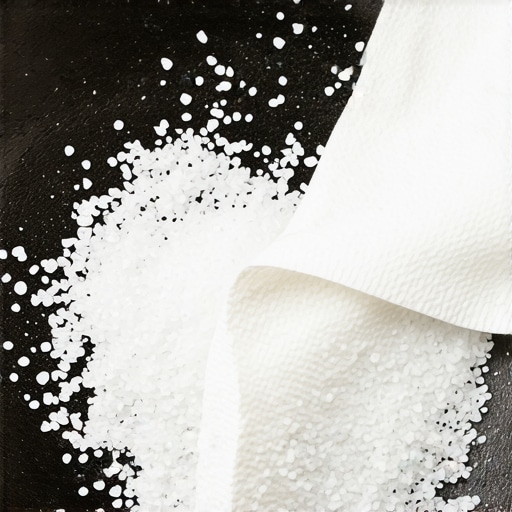
Rinse fast and dry even faster
Once the salt has done its job and the pan surface feels smooth under your paper towel, you need to get rid of the residue. I use a quick blast of hot water—never cold, as thermal shock can crack the iron—and a soft brush to whisk away the gray salt paste. This is the only part of my daily house cleaning routine to maintain perfection where I prioritize speed over everything else. Water is the sworn enemy of cast iron. If you let it air dry, you’re basically inviting rust to move in and pay rent. I remember a time I got distracted by a phone call while my skillet was sitting in the rack; twenty minutes later, a fine orange film had already started to bloom. Now, I immediately throw the pan back on the stove over a high flame for two minutes until every molecule of moisture has evaporated. It’s as crucial as a move-out cleaning hack to ensure your deposit refund; you simply cannot leave the job half-finished.
The final seal that keeps the iron happy
The salt scrub leaves the surface clean but vulnerable. To maintain that glass-like finish, you must apply a microscopic layer of oil while the pan is still piping hot. Dip a clean paper towel into a high-smoke-point oil like grapeseed or flaxseed and rub it over the entire interior. You aren’t looking for a greasy coat; you want to buff it in until the pan looks dark and matte, not shiny. This process is very similar to how to get grease off kitchen cabinets without removing the finish; you are protecting the integrity of the underlying material while removing the grime. Last month, after a particularly sticky batch of honey-glazed salmon, I used this exact re-oiling technique. The next morning, a fried egg slid around the pan like it was on ice. That is the reward for respecting the chemistry of your kitchen tools.While salt works wonders for iron, I see people applying that same ‘scrub-til-it-hurts’ mentality to their entire home, which is a massive mistake. The biggest myth I encounter is that ‘sanitizing’ is an instant process. Most people spray a surface and immediately wipe it away, thinking they’ve achieved a germ-free environment. In reality, you’ve likely just moved the bacteria around. To truly achieve effective sanitizing methods, most EPA-registered disinfectants require a ‘dwell time’ of three to ten minutes to actually work. According to experts at the CDC, skipping this step means you aren’t disinfecting at all; you’re just doing a subpar cleaning job. This is one of those sanitizing secrets that separates the pros from the amateurs. One specific warning I always give: never assume ‘natural’ means ‘safe’ for every material. I once saw a client use a homemade vinegar solution on their marble countertops for a month, only to realize they had permanently etched the stone. Vinegar is an acid, and marble is calcium carbonate; they react, and the stone loses. This is why you need house cleaning strategies tailored to the specific chemistry of your home. Another common ‘oops’ factor happens in the living room. I’ve seen homeowners take a steam cleaner to a high-end couch, only to watch the fabric pucker and die. You must check the tag. If you see an ‘S,’ water is your enemy. Learning how to treat s-coded upholstery fabric without ruining it is crucial because using a water-based upholstery cleaning routine on these materials will leave permanent rings. It’s the same level of care you’d apply during a move-out clean; one wrong chemical can cost you a security deposit. 
Can you actually over-clean a surface until it becomes more vulnerable?
Yes, you absolutely can. Much like how soap strips the seasoning from your skillet, over-using harsh acids or high-alkaline cleaners on wood floors will eventually eat away the protective seal. I’ve seen beautiful granite countertops dulled to a matte finish because the owner thought more acid meant more clean. Instead, stick to a daily house cleaning routine to maintain perfection using pH-neutral cleaners. For those finishing a lease, remember that the space behind the oven is the number one reason deposits are withheld. It’s about the hidden nuances, not just the visible shine. Have you ever fallen into this trap and lost a deposit or ruined a piece of furniture? Let me know in the comments.I’ve spent years testing every gadget that hits the market, and I’ve concluded that your biggest enemy isn’t the visible dirt—it’s the tool you think is helping you. Take the vacuum, for instance. If you notice a funky, metallic, or ‘dusty attic’ odor when you start your chores, your vacuum cleaner is making the house smell worse because the motor is essentially a high-powered fan blowing microscopic debris right back into your breathing zone. I only use sealed HEPA systems now. The reason is simple: your vacuum filter is actually spreading dust if it isn’t medical grade, negating all that hard work. It’s the difference between a surface that looks clean and a home that actually supports your health. 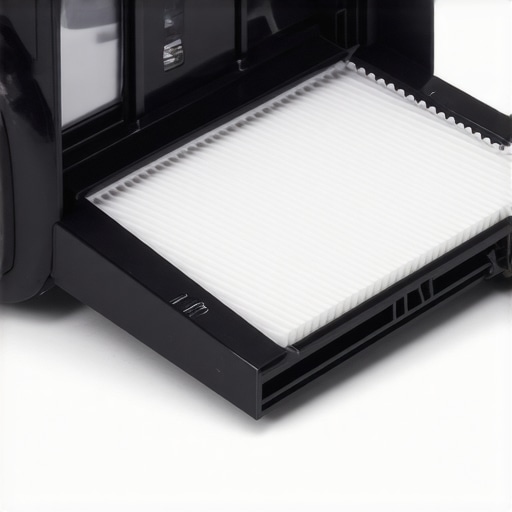
How can I maintain this level of clean without burning out?
The secret to a pristine home isn’t found in a massive, back-breaking weekend scrub; it’s hidden in the micro-habit. I live by the 10-minute routine for a permanently tidy kitchen sink. If the sink is clear, the kitchen feels controlled. This prevents that psychological ‘avalanche’ effect where one dirty dish eventually turns into a four-hour deep-cleaning nightmare. When you integrate a consistent daily house cleaning routine to maintain perfection, you aren’t ‘cleaning’ in the traditional sense anymore—you’re just managing the flow of life. It’s about small wins that prevent large failures. When it comes to your furniture, long-term results depend on the ‘dry-brush’ technique. I see so many well-meaning homeowners ruin their luxury fabrics by reaching for a spray bottle the moment they see a smudge. If you follow an ultimate upholstery care guide for lasting freshness, you’ll find that a soft horsehair brush often does more for the pile than a gallon of chemical cleaner. Especially for those tricky pieces, learning how to restore the texture of a flattened velvet sofa at home without using moisture is a total game-changer. According to the IICRC S100 standard for professional upholstery cleaning, excessive moisture is the primary cause of permanent browning and fiber shrinkage in fine textiles. Looking ahead, I see a massive shift in how we approach our living spaces. The future belongs to probiotic and enzymatic cleaners rather than harsh biocides. We are finally starting to realize that effective sanitizing methods aren’t just about a ‘scorched earth’ policy with bleach; they are about creating a microscopic environment where harmful pathogens simply can’t compete. It’s a smarter, more biological way to maintain a home. If you’re prepping for a transition, don’t wait until the last day to figure this out. Start implementing these move-out cleaning strategies to secure your deposit weeks in advance to ensure every surface meets that professional standard. My challenge to you is simple: try the ‘dry-brush’ method on one cushion this weekend. You’ll be shocked at how much dust and dander comes out without using a single drop of water.
The Lessons I Learned the Hard Way So You Do Not Have To
Over the years, my kitchen has been my greatest classroom, and some of the lessons were expensive. I have realized that true clean does not have a heavy chemical scent; in fact, the most pristine homes often smell like nothing at all because they are not masking grime with artificial perfumes. Another major realization was that speed is the enemy of hygiene. Just like rushing the salt scrub on a skillet leaves behind carbonized bits, skipping the dwell time on your counters leaves behind bacteria. I also learned that how to stop cross-contamination while cleaning the bathroom is just as important as the strength of your scrub. If you use the same cloth for the toilet and the faucet, you are just moving the problem around. Finally, I have come to embrace that the best house cleaning strategies are those that respect the material, whether it is seasoned iron or delicate marble.
The Toolkit I Never Leave Behind
If you were to peek into my cleaning cabinet today, you would see a very specific set of tools that prioritize longevity over quick fixes. First is a large box of coarse kosher salt for my ironwork, followed by grapeseed oil for that perfect non-stick seal. For my cabinets, I have moved away from harsh degreasers and instead use a gentle approach because the only way to clean sticky grease off kitchen cabinets without peeling paint is through patient, pH-neutral chemistry. I also keep a soft horsehair brush for my upholstery to lift dust without ruining the nap of the fabric. These tools, combined with a consistent daily house cleaning routine to maintain perfection, make the difference between a house that looks clean and one that feels truly revitalized. #IMAGE_PLACE_HOLDER_E#
Turn Your Home Into a Stress-Free Sanctuary
At the end of the day, your home should be a place where you can relax, not a source of constant stress. By shifting your mindset from ‘stripping’ surfaces to ‘nurturing’ them, you save yourself money, time, and the heartbreak of ruined heirlooms. Whether you are scrubbing a pan with salt or implementing move-out cleaning strategies to secure your deposit, remember that consistency is your greatest ally. You do not need a cabinet full of toxic chemicals to achieve a professional-grade result; you just need the right techniques and a little bit of patience. If you ever feel overwhelmed by a specific cleaning challenge, do not hesitate to contact us for expert guidance. Your journey to a cleaner, healthier home starts with that very first handful of salt. Have you ever tried the salt method on a pan and been surprised by the result, or do you have another ‘natural’ hack that actually works? Let me know in the comments below!