
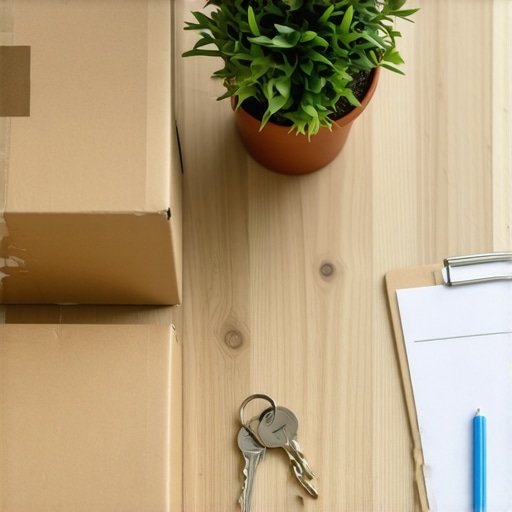
I stood in the middle of my first ‘luxury’ studio, clutching a set of keys and a bottle of cheap champagne, only to realize the ‘fresh’ scent the landlord promised was actually heavy-duty bleach masking a layers-deep layer of grease on top of the fridge. It was my first lesson in adulting: landlords and professional cleaning crews have very different definitions of ‘clean.’ My white socks were charcoal black within twenty minutes of walking across the hardwood. I’d spent every cent on my security deposit and forgot to buy a single sponge. That mistake cost me my first three nights of sleep because I couldn’t stop sneezing from the previous tenant’s hidden pet dander. I learned the hard way that you never truly know a space until you’ve scrubbed it yourself. Today, I’m sharing the hard-won wisdom of a seasoned renter so you don’t spend your first night sleeping on a mattress atop a layer of someone else’s dust. We are going to tackle everything from the grime in the cabinets to the invisible germs on the light switches.
Stop Moving Your Stuff Into Other People’s Dirt
Before you even think about unboxing your favorite mugs, you need to establish a baseline of hygiene that a standard landlord sweep just doesn’t provide. You deserve a fresh start, and that starts with an essential checklist for your first night in a new home that prioritizes actual sanitation over just ‘looking’ tidy. I remember thinking that if the floors shined, the place was safe. I was wrong. I ignored the upholstery on the built-in window seat and ended up with a rash that lasted a week. Don’t be me. You need to implement sanitizing hacks for safe house transitions to ensure that every surface—especially those high-touch areas—is actually germ-free. Whether you are dealing with a studio or a three-bedroom, the goal is to reclaim the space. Following proven house cleaning strategies for a sparkling home today will save you from the mid-week realization that your pantry is crawling with ‘welcome’ gifts from the last guy. Have you ever moved into a place that looked spotless but felt… sticky? I want to hear about your first-apartment horror stories in the comments!
Is All This Deep Cleaning Actually Worth My Time?
It is easy to feel like deep cleaning a rental is a waste of energy since you don’t own the place. However, the American Cleaning Institute notes that high-touch surfaces like doorknobs and faucet handles can harbor bacteria for several days, making a thorough move-in scrub a matter of health, not just vanity. By using effective sanitizing methods for a germ-free home, you aren’t just cleaning for the landlord; you are cleaning for your own peace of mind. It’s about making the transition from ‘their space’ to ‘your home.’ We aren’t just dusting; we are disinfecting the history of the previous inhabitants away so you can breathe easy.
Start at the Ceiling and Work Your Way Down
Gravity is either your best friend or your worst enemy when cleaning. If you scrub the floors first, you’ll just end up raining dust and cobwebs down onto your hard work later. This is why professional cleaners always start at the top of the room. I begin by dusting the ceiling fan blades and the tops of door frames, areas that landlords almost always skip. I once ignored the air vents in a ‘professionally cleaned’ apartment and spent the whole first week wondering why my allergies were acting up. It turns out, learning how to clean the dusty slats on your air conditioner vents is the only way to stop circulating old dust from the previous decade into your new bedroom.
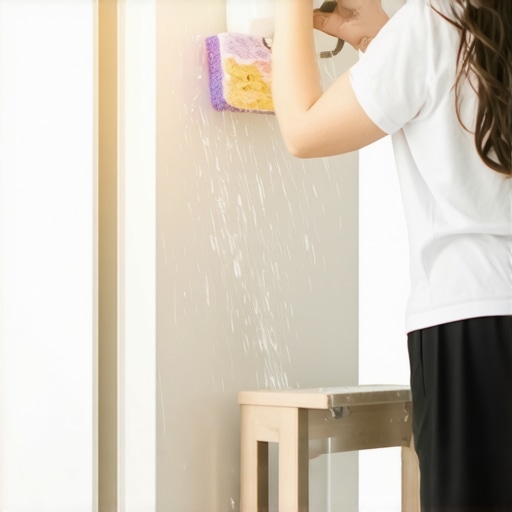
Cut Through the Mystery Gunk in the Kitchen
Kitchens are notorious for ‘invisible’ grease. That thin, tacky layer on top of the cabinets isn’t just dust; it’s a magnet for bacteria and pests. You can’t just wipe it with a damp cloth and call it a day. I learned this the hard way in a tiny walk-up where the cabinets felt like they were coated in flypaper. I discovered the dish soap trick for removing greasy buildup on kitchen cabinets and it changed my life. It cuts through the film without ruining the wood finish. While you’re at it, grab a step stool. You need to know how to remove the sticky film on top of the kitchen fridge because that is where the real ‘move-in surprises’ live. I once found a collection of petrified coupons and a layer of grime so thick I had to use a plastic scraper just to see the actual appliance color.
The Five-Minute Sanitizing Sweep You Can’t Skip
Think about how many times a day you flip a light switch or grab a door handle. Those are the most contaminated spots in any home, yet they are rarely part of a standard daily house cleaning routine to maintain perfection. You have to be proactive here. Scrubbing the hidden grime on your light switches you never notice is a five-minute task that drastically reduces the germ count in your home. I use sanitizing secrets for a safer house in 2025 to ensure I’m not just spreading the dirt around with a dirty rag, but actually neutralizing the pathogens left behind by the previous tenants.
Don’t Sit on Someone Else’s Skin Cells
If your rental comes with any furniture, or even if you just brought your own mattress, treat the upholstery with extreme suspicion. The moving truck isn’t a sterile environment. You should always vacuum your mattress before you sanitize it to pull out the dust mites that hitched a ride during the transition. For any existing sofas, check the care tags first. Knowing how to treat s-coded upholstery fabric without ruining it prevents you from creating permanent water stains while trying to freshen up the seat cushions. I once tried to ‘steam’ a vintage armchair in my second apartment without checking the code, and I ended up with a velvet mess that looked like it had been through a swamp. Using effective house cleaning secrets from cleaning experts will help you avoid those expensive mistakes and ensure your living room is actually a place where you can relax.
Most renters assume that if a room smells like a swimming pool, it must be sterile. I’m here to tell you that the ‘bleach smell’ is often a mask for poor technique. Real sanitization is about chemistry and patience, not just the strength of the fumes. One of the biggest myths I see is the ‘spray and wipe’ habit. If you are cleaning for a fresh start, you have to understand ‘dwell time.’
Are you wiping away your disinfectant before it actually kills anything?
It’s a common mistake: you spray a surface, immediately wipe it dry, and assume the germs are gone. According to the Environmental Protection Agency (EPA), most household disinfectants need to remain wet on a surface for anywhere from three to ten minutes to effectively neutralize pathogens. If you’re in a rush, you aren’t actually using effective sanitizing methods for a germ-free home; you’re just moving dirt around. This is especially true when you are trying to implement the essential sanitization steps for your home after a family illness or a previous tenant’s departure. Have you ever fallen into this ‘instant-clean’ trap? Let me know in the comments! 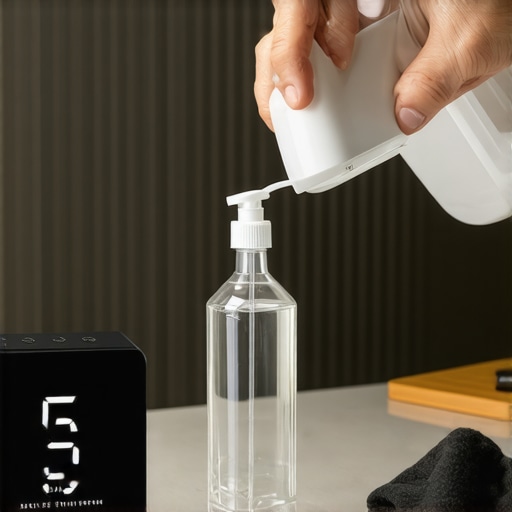
Stop Using Vinegar on Every Surface
We’ve all been told that white vinegar is the ultimate green cleaning solution. While it’s great for glass, using it as a universal cleaner is a dangerous game. I’ve seen beautiful rental kitchens ruined because someone tried to be eco-friendly on the wrong materials. You need to know why vinegar is not always the best choice for granite countertops; the acid can etch the stone permanently, leaving you with a bill that eats your security deposit. The same goes for hardwood. If you don’t use the right house cleaning strategies for a sparkling home today, you might find why your floors feel sticky even after you finished mopping—usually a result of using too much product or the wrong pH-balanced cleaner for the finish.
Don’t Turn Your Sofa Into a Science Project
When it comes to the living room, many people think a steam cleaner is a magic wand for all fabrics. This is a high-stakes ‘oops’ factor. High-heat moisture can set certain stains permanently or shrink delicate fibers beyond repair. Before you start, you must check those tiny white tags. I always tell my friends to look for the ‘S’ code because knowing why you should never use a steam cleaner on these specific upholstery fabrics is the difference between a fresh couch and a ruined one. For a safe approach, follow an ultimate upholstery care guide for lasting freshness that emphasizes vacuuming and solvent-based cleaning over drenching the foam.
Secure Your Security Deposit Early
If you are preparing for a move-out, don’t wait until the last day to scrub. The ‘landlord special’ of painting over dirt is a nightmare to clean later. Focus on the high-inspection areas like the space behind the stove or the window tracks. Using move-out cleaning hacks ensure your deposit refund by addressing the details that professional inspectors actually look for. Implementing move-out cleaning strategies to secure your deposit early means you won’t be panic-scrubbing at midnight. Remember, a deep clean is an investment in your financial return and your next home’s hygiene.
Stop Spreading Dust and Start Filtering Your Air
Maintaining that first-day freshness isn’t about working harder; it’s about working smarter with the right gear. I used to buy the cheapest vacuum I could find until I realized it was basically a dust-distribution machine. If your machine doesn’t have a sealed HEPA system, you’re likely experiencing why your vacuum filter might be making your allergies worse. I swear by a Miele or a high-end Shark because the filtration captures 99.97% of particles down to 0.3 microns. According to the Carpet and Rug Institute (CRI), using certified equipment is the only way to ensure you aren’t damaging the fibers while you clean. I personally prefer a bagged vacuum because it keeps the dirt fully contained when you empty it, preventing that ‘dust cloud’ that ruins a clean room.
How do I keep my home this clean without losing my weekends?
The secret is the transition from a ‘deep clean’ mindset to a daily house cleaning routine to maintain perfection. I focus on ‘low-friction’ habits. For example, I keep a dedicated microfiber cloth under the sink just for the faucet. It sounds obsessive until you realize it prevents the hard water buildup that usually takes an hour of scrubbing every month. If you’re looking for upholstery cleaning tips for a fresh home revival, start by using a brush attachment on your vacuum once a week. This prevents skin oils and dust from being ground into the fabric by your body weight every time you sit down. It is far easier to vacuum a dry sofa than it is to extract a deep-set grease stain later.
The Secret Life of Professional Microfiber
One tool I never skip is a set of color-coded microfiber cloths. It sounds like a corporate cleaning gimmick, but it’s the most effective way to stop cross-contamination while cleaning the bathroom. Red is for the toilet, blue is for the glass, and green is for the kitchen. I’ve seen people use the same rag for the kitchen counter that they used on the bathroom sink, and frankly, that’s how ‘stomach bugs’ get passed around the whole family. Investing in professional-grade towels that can withstand 100+ washes is a game-changer compared to paper towels that just disintegrate. I also rely on effective house cleaning secrets from cleaning experts like the ‘two-bucket’ method for floors. One bucket for your cleaning solution and one for rinsing your mop. If you only use one, you’re just spreading lukewarm grey water across your hardwood.
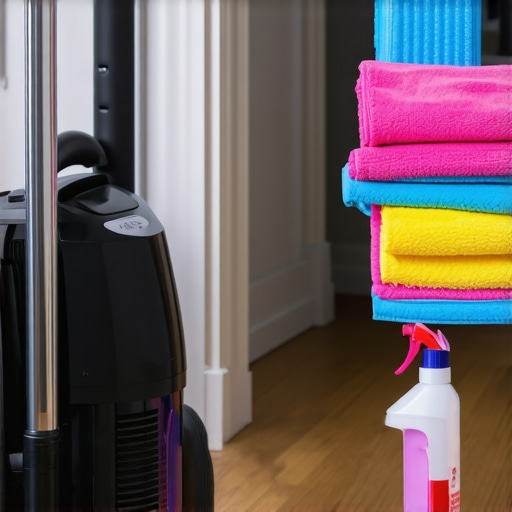
When it comes to scaling your efforts, think about the long-term health of your surfaces. I always tell my friends to look into an ultimate upholstery care guide for lasting freshness because most people wait until there’s a visible stain to act. By then, the dirt has acted like sandpaper on the fabric fibers. Looking ahead, I predict we will see the rise of ‘smart’ sanitization. Imagine sensors in your entryway that alert you when the bacterial load on your doorknobs exceeds a certain threshold. We are already seeing air purifiers that communicate with your HVAC system to ramp up filtration during peak pollen counts. The future of a ‘clean home’ isn’t just about what you see; it’s about the data you can’t see. Don’t let the momentum fade after move-in week. If you’re feeling overwhelmed by the sheer volume of tasks, contact us for a professional baseline clean so you can just focus on the maintenance. Give the two-bucket method a try this weekend—I promise you’ll be horrified (and satisfied) by how dark that rinse water gets.
What My First Lost Security Deposit Taught Me About Deep Cleaning
Looking back at my younger self scrubbing with a single rag and a bottle of window cleaner, I realize how much I didn’t know about the ‘landlord standard.’ Here are the lightbulb moments that changed how I approach every new space:
- The ‘Clean Smell’ is a Trap: Just because a place smells like a pine forest doesn’t mean the bacteria are gone. Landlords often use scent to mask neglect. Real cleanliness is odorless.
- Visual Cleanliness vs. Sanitary Surfaces: A floor can shine while still being covered in previous tenants’ biological traces. This is why I never skip sanitizing secrets for a safer house in 2025.
- Detailing Pays Off: It’s the areas you can’t see—like the top of the fridge or inside the dishwasher filter—that actually determine your health and your refund.
Tools That Actually Make Move-In Day Tolerable
I’ve wasted hundreds of dollars on ‘miracle’ cleaners that did nothing. Now, I keep my kit simple and high-quality. My must-haves include a set of professional-grade microfiber cloths to stop cross-contamination while cleaning the bathroom and a vacuum with a certified HEPA filter. I also keep a printed copy of a move-out clean checklist to simplify your transition taped to the back of my cleaning supply door. It keeps me focused when the exhaustion of moving starts to set in. If you’re tackling a particularly rough space, learning effective house cleaning secrets from cleaning experts will save you hours of wasted scrubbing.
Your Home Deserves a Fresh Start
Moving is inherently stressful, but walking into a space that is truly yours—free from the grime and history of the people before you—is the ultimate reward. Don’t let the pressure of unboxing make you compromise on your health. By taking the time to implement a thorough house cleaning strategy now, you are setting the stage for a healthier, happier life in your new sanctuary. If the task feels too big to handle alone while balancing a move, don’t hesitate to contact us for a professional deep clean that guarantees peace of mind. Have you ever discovered a ‘move-in surprise’ that a landlord tried to hide with a quick coat of paint? Let me know your stories in the comments below!