
The air in my hallway still smelled faintly of chicken soup and despair. My youngest was finally back at school, my husband had stopped sneezing every five seconds, and I was left standing in a house that felt like a biological hazard zone. You know the feeling, right? It’s that skin-crawling realization that even though the fevers have broken, the ghosts of the flu are still lurking on every doorknob and light switch. I used to think a quick spray of lavender air freshener and a lap with the vacuum was enough to call the house clean. I was wrong. My biggest mistake early on was using a single rag to wipe down the entire bathroom—effectively giving the germs a guided tour from the toilet to the sink. It was gross, it was ineffective, and it’s why we all got sick a second time. Today, I’m going to show you how to hit the reset button on your living space so you can breathe easy again without feeling like you need a hazmat suit.
Wipe Away the Aftermath of the Family Flu
When the house is a battlefield of used tissues and half-empty water bottles, you need more than a surface-level tidy. You need effective sanitizing methods for a germ-free home that actually target the hidden hotspots. I start by opening every single window, even if it’s chilly outside. Fresh air is the best way to flush out that heavy, stagnant ‘sick room’ smell. Then, I focus on the high-touch surfaces we often ignore. Did you know that according to the Centers for Disease Control and Prevention (CDC), some flu viruses can live on hard surfaces for up to 48 hours? That’s two full days for a stray germ to find a new host. I’ve learned to be meticulous, especially with tech. It’s vital to learn how to safely disinfect your remote control and game controllers, as these are often the most handled but least cleaned items in the house. Have you ever noticed yourself cleaning one area only to realize you’ve completely missed the spots where everyone actually puts their hands?
Do These Extra Cleaning Steps Actually Prevent a Relapse?
It’s tempting to wonder if we are just being paranoid. Is it really worth the extra elbow grease? In my experience, absolutely. When I started implementing sanitizing secrets for a safer house in 2025, our ‘recovery relapses’ almost vanished. The key is understanding the difference between cleaning and disinfecting. Cleaning moves the dirt; disinfecting kills the pathogens. This is especially true for the bedroom where the illness spent most of its time. You have to strip the beds and find the best way to disinfect a mattress without soaking the foam, because sweat and germs don’t just stay on the sheets. While you’re at it, you must be careful not to spread the love. Learning how to stop cross-contamination while cleaning the bathroom is the difference between a truly healthy home and one that just looks the part. We’re going to walk through the exact steps to scrub away the residue of the past week so you can finally stop worrying about who is going to wake up with a sore throat next.
Stop Chasing Germs and Start Cornering Them
To get your home back to a baseline of health, you have to adopt a systematic mindset. Think of cleaning like a professional athlete thinks of their warm-up—it’s about the sequence. If you jump straight into scrubbing the floors while the ceiling fans are still caked in dust, you’re essentially raining debris down on your hard work. This is why professional cleaners always start at the top of the room. I once spent three hours detailing my baseboards after a flu bout, only to realize I hadn’t touched the light fixtures. As soon as I wiped the bulbs, a grey cloud of ‘sick-dust’ settled right back onto the pristine white wood. It was a heart-breaking lesson in efficiency.
Work From the Ceiling to the Floor
Start by knocking down cobwebs and wiping the tops of door frames with a damp microfiber cloth. Once the high-altitude dust is grounded, you can move to eye-level surfaces. This is where you apply effective house cleaning secrets from cleaning experts to ensure you aren’t just moving dirt around. Use a cloth dampened with a disinfectant—don’t just spray and wipe immediately. Most sanitizers require ‘dwell time,’ meaning they need to sit wet on the surface for several minutes to actually kill the pathogens. If you wipe it dry instantly, you’re just giving the bacteria a bath instead of an eviction notice.
Deep Clean the Kitchen Without Chemical Overload
The kitchen is often the first place we congregate once we feel well enough to eat, which makes it a major transmission zone. You need to identify the 3 germ hotspots in your kitchen that soap alone won’t fix, specifically the faucet handles, the fridge door seal, and the trash can lid. Instead of dousing everything in bleach, which can be harsh on your lungs right after an illness, use natural abrasives where possible. For instance, knowing how to sanitize your cutting boards using salt and lemon allows you to keep food prep areas safe without leaving behind a chemical residue that might affect your first real meal post-recovery.
Soft Surfaces Need More Than a Quick Spritz
Upholstery acts like a giant filter for the air in your home, trapping skin cells, sweat, and whatever virus particles were exhaled during those long days on the sofa. Simply spraying a floral deodorizer won’t cut it; that just masks the smell of illness. You need real upholstery cleaning tips for a fresh home revival to get deep into the fibers. Be careful with your materials, though; checking the cleaning tags is non-negotiable. If you don’t know how to treat s-coded upholstery fabric without ruining it, you risk leaving permanent water rings or damaging the pile. I typically use a vacuum with a HEPA filter first to pull out the dry particles before applying any moisture.
Don’t Forget the Objects You Touch Every Hour
Finally, address the personal items that move from room to room with you. Your phone is basically a third hand that you never wash. You must learn the best way to sanitize your phone without ruining the screen—usually a 70% isopropyl alcohol wipe does the trick without stripping the protective coating. While you’re at it, swap out your oral care tools. Knowing the best way to sanitize your toothbrush during flu season or simply replacing it entirely can prevent you from re-introducing the same bacteria back into your system just as you’re starting to feel human again.
The air in my hallway still smelled faintly of chicken soup and despair. My youngest was finally back at school, my husband had stopped sneezing every five seconds, and I was left standing in a house that felt like a biological hazard zone. You know the feeling, right? It’s that skin-crawling realization that even though the fevers have broken, the ghosts of the flu are still lurking on every doorknob and light switch. I used to think a quick spray of lavender air freshener and a lap with the vacuum was enough to call the house clean. I was wrong. My biggest mistake early on was using a single rag to wipe down the entire bathroom—effectively giving the germs a guided tour from the toilet to the sink. It was gross, it was ineffective, and it’s why we all got sick a second time. Today, I’m going to show you how to hit the reset button on your living space so you can breathe easy again without feeling like you need a hazmat suit.
Wipe Away the Aftermath of the Family Flu
When the house is a battlefield of used tissues and half-empty water bottles, you need more than a surface-level tidy. You need effective sanitizing methods for a germ-free home that actually target the hidden hotspots. I start by opening every single window, even if it’s chilly outside. Fresh air is the best way to flush out that heavy, stagnant ‘sick room’ smell. Then, I focus on the high-touch surfaces we often ignore. Did you know that according to the Centers for Disease Control and Prevention (CDC), some flu viruses can live on hard surfaces for up to 48 hours? That’s two full days for a stray germ to find a new host. I’ve learned to be meticulous, especially with tech. It’s vital to learn how to safely disinfect your remote control and game controllers, as these are often the most handled but least cleaned items in the house. Have you ever noticed yourself cleaning one area only to realize you’ve completely missed the spots where everyone actually puts their hands?
Do These Extra Cleaning Steps Actually Prevent a Relapse?
It’s tempting to wonder if we are just being paranoid. Is it really worth the extra elbow grease? In my experience, absolutely. When I started implementing sanitizing secrets for a safer house in 2025, our ‘recovery relapses’ almost vanished. The key is understanding the difference between cleaning and disinfecting. Cleaning moves the dirt; disinfecting kills the pathogens. This is especially true for the bedroom where the illness spent most of its time. You have to strip the beds and find the best way to disinfect a mattress without soaking the foam, because sweat and germs don’t just stay on the sheets. While you’re at it, you must be careful not to spread the love. Learning how to stop cross-contamination while cleaning the bathroom is the difference between a truly healthy home and one that just looks the part. We’re going to walk through the exact steps to scrub away the residue of the past week so you can finally stop worrying about who is going to wake up with a sore throat next.
Stop Chasing Germs and Start Cornering Them
To get your home back to a baseline of health, you have to adopt a systematic mindset. Think of cleaning like a professional athlete thinks of their warm-up—it’s about the sequence. If you jump straight into scrubbing the floors while the ceiling fans are still caked in dust, you’re essentially raining debris down on your hard work. This is why professional cleaners always start at the top of the room. I once spent three hours detailing my baseboards after a flu bout, only to realize I hadn’t touched the light fixtures. As soon as I wiped the bulbs, a grey cloud of ‘sick-dust’ settled right back onto the pristine white wood. It was a heart-breaking lesson in efficiency.
Work From the Ceiling to the Floor
Start by knocking down cobwebs and wiping the tops of door frames with a damp microfiber cloth. Once the high-altitude dust is grounded, you can move to eye-level surfaces. This is where you apply effective house cleaning secrets from cleaning experts to ensure you aren’t just moving dirt around. Use a cloth dampened with a disinfectant—don’t just spray and wipe immediately. Most sanitizers require ‘dwell time,’ meaning they need to sit wet on the surface for several minutes to actually kill the pathogens. If you wipe it dry instantly, you’re just giving the bacteria a bath instead of an eviction notice.
Deep Clean the Kitchen Without Chemical Overload
The kitchen is often the first place we congregate once we feel well enough to eat, which makes it a major transmission zone. You need to identify the 3 germ hotspots in your kitchen that soap alone won’t fix, specifically the faucet handles, the fridge door seal, and the trash can lid. Instead of dousing everything in bleach, which can be harsh on your lungs right after an illness, use natural abrasives where possible. For instance, knowing how to sanitize your cutting boards using salt and lemon allows you to keep food prep areas safe without leaving behind a chemical residue that might affect your first real meal post-recovery.
Soft Surfaces Need More Than a Quick Spritz
Upholstery acts like a giant filter for the air in your home, trapping skin cells, sweat, and whatever virus particles were exhaled during those long days on the sofa. Simply spraying a floral deodorizer won’t cut it; that just masks the smell of illness. You need real upholstery cleaning tips for a fresh home revival to get deep into the fibers. Be careful with your materials, though; checking the cleaning tags is non-negotiable. If you don’t know how to treat s-coded upholstery fabric without ruining it, you risk leaving permanent water rings or damaging the pile. I typically use a vacuum with a HEPA filter first to pull out the dry particles before applying any moisture.
Don’t Forget the Objects You Touch Every Hour
Finally, address the personal items that move from room to room with you. Your phone is basically a third hand that you never wash. You must learn the best way to sanitize your phone without ruining the screen—usually a 70% isopropyl alcohol wipe does the trick without stripping the protective coating. While you’re at it, swap out your oral care tools. Knowing the best way to sanitize your toothbrush during flu season or simply replacing it entirely can prevent you from re-introducing the same bacteria back into your system just as you’re starting to feel human again.
The Soap Trap That Makes Your Floors Sticky
We’ve all been there: you’ve scrubbed the kitchen until your back aches, but as soon as you walk across the room, your socks make a distinct tacky sound. Most people assume they didn’t use enough cleaner, but the reality is usually the opposite. This is a classic nuance that separates the pros from the amateurs. When you use too much detergent, you leave behind a microscopic film of surfactant. This residue acts like a magnet for new dirt, which is exactly why your floors feel sticky even after you finished mopping. According to experts at the American Cleaning Institute, the goal of a cleaner is to break the surface tension of water, not to create a bubble bath on your linoleum. In my experience, cutting your recommended soap ratio in half and doing a secondary rinse pass with plain water is the only way to achieve a truly clean surface.
Why Your Security Deposit Depends on Things You Can’t Even See
If you are prepping for a move, don’t get caught in the surface-level trap. Many renters spend hours scrubbing the walls but forget the structural grime that landlords actually check. For example, why the space behind the oven costs most renters their deposit is because of grease vapor that solidifies into a glue-like substance over time. You need to use specific move-out cleaning hacks ensure your deposit refund, like pulling out heavy appliances to check the baseboards where they meet the floor. This is often the difference between getting your full check back and losing a few hundred dollars to a cleaning fee. I always recommend following the move-out checklist for people who want their full deposit back to ensure no corner—or gap behind the fridge—is left to chance.
Can You Actually Sanitize Your Home Too Much?
There is a growing myth that more chemicals equal a safer home, but the nuance lies in the dwell time we discussed earlier, not the volume of product. Over-sanitizing can actually lead to chemical sensitivities or damage your belongings. One major oops factor I see is people reaching for a steam cleaner at the first sign of a germ. However, you must know why you should never use a steam cleaner on these specific upholstery fabrics, as high heat can permanently set certain stains or even shrink the fabric right off the frame. Instead, rely on the ultimate upholstery care guide for lasting freshness which prioritizes mechanical vacuuming over chemical drenching. Have you ever fallen into this trap of over-cleaning and accidentally making things worse? Let me know in the comments.
Once the house is sanitized and the sticky floor mystery is solved, the real challenge begins: not letting the chaos reclaim your territory. I used to be a ‘cyclical cleaner’—I’d wait for the house to become a disaster, spend 12 hours scrubbing, and then collapse until the next crisis. It’s a miserable way to live. Now, I lean on a few specific tools that do the heavy lifting for me. If you’re still using that old bag-style vacuum from the early 2000s, you aren’t just cleaning; you’re likely recycling pathogens. High-efficiency particulate air (HEPA) filters are non-negotiable for me now. According to technical specifications from Dyson’s microbiology research team, a vacuum without proper filtration can actually exhaust fine dust and allergens back into your breathing zone. This is exactly why your vacuum filter might be making your allergies worse if it isn’t cleaned or replaced regularly.
The Gear That Actually Earns Its Keep
I don’t believe in buying every gadget on the late-night infomercials, but a few professional-grade items changed my life. First is the pressurized steam cleaner—not for floors (where it can be risky), but for grout and window tracks. It’s the only way I’ve found to blast away the gunk without using enough chemicals to peel my own skin off. For my furniture, I’ve moved away from the ‘spray and pray’ method. Using the ultimate upholstery care guide for lasting freshness, I focus on dry-extraction tools that pull hair and skin cells out rather than just wetting them. This prevents that weird ‘musty’ smell that happens when you dampen old fabric. I also swear by color-coded microfiber cloths. Red is for the toilet, blue is for the mirrors, and green is for the kitchen. This simple visual cue is the easiest way how to stop cross-contamination while cleaning the bathroom and surrounding areas.
How do I keep the house this clean without losing my mind?
Maintenance isn’t about perfection; it’s about preventing the ‘dirt snowball.’ I’ve integrated a daily house cleaning routine to maintain perfection that takes exactly fifteen minutes every evening. It involves wiping the high-touch points we talked about earlier and doing a quick sweep of the entryway. By hitting those spots daily, you break the chain of germ transmission before it starts. If you’re looking for a long-term solution, you need to learn how to schedule a deep clean that actually lasts more than a week by focusing on air quality as much as surface sparkle. I predict that over the next few years, we will see a massive shift toward ‘smart sanitization’—integrated UV-C lighting in closets and air purifiers that communicate with your vacuum to identify high-dust zones. We are moving toward a world where the house helps us stay healthy.
Stop treating your vacuum like an invincible dirt eater
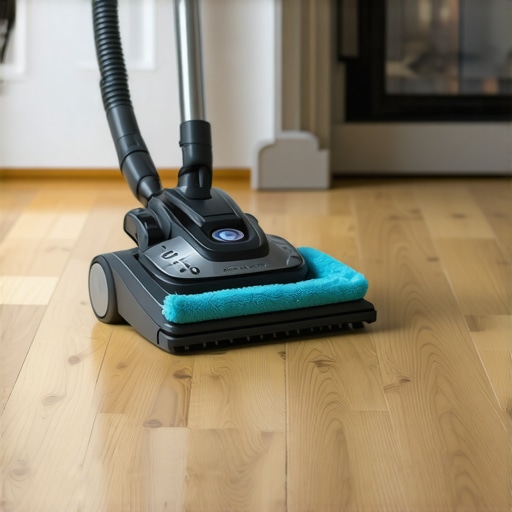
The biggest maintenance mistake I see people make is neglecting their equipment. If your vacuum smells like a wet dog, it’s because the brush roll is choked with hair and the internal bin is a breeding ground for bacteria. I make it a habit to cut the tangled hair off the rollers once a month. This ensures the machine actually has the suction power to pull allergens out of the carpet. You’ll also want to apply effective house cleaning secrets from cleaning experts to your utility closet. Wash your mop heads after every single use. If you store a damp mop in a dark closet, you are basically growing a science project that you’ll then spread across your floor next week. My advanced tip for you this week: Go check your vacuum’s pre-motor filter. If it’s grey or black, wash it in cold water today. You’ll be shocked at how much better the air in your home feels when the machine is actually breathing correctly.
The Hardest Lessons I Learned While Scrubbing My Way Back to Health
Over the years of managing a busy household through flu seasons and move-out deadlines, I’ve realized that the small habits make the biggest difference. Here are the lightbulb moments that changed how I approach a germ-ridden space:
- The ‘One-Cloth’ Trap: I used to think a single rag could handle the whole bathroom. Now, I know that how to stop cross-contamination while cleaning the bathroom is the most important skill for preventing a family-wide relapse.
- Patience is a Sanitizer: Most people wipe away disinfectant too quickly. If it doesn’t meet the required ‘dwell time’ on the label, you’re essentially just moving the bacteria around instead of killing them.
- Your Vacuum is a Lung: If you don’t clean the filters, your machine is just exhausting allergens back into your air. This is why your vacuum filter might be making your allergies worse and why regular maintenance is non-negotiable.
#IMAGE_PLACEHOLDER_E#
My Personal Toolkit for a House That Actually Stays Clean
I don’t believe in cluttering my cabinets with every new cleaning spray. Instead, I rely on a few high-quality house cleaning strategies for a sparkling home today and the right tools. I always keep a stash of color-coded microfiber cloths so I never mix the ‘toilet cloth’ with the ‘counter cloth.’ A vacuum with a sealed HEPA system is also a must-have for anyone dealing with seasonal allergies or post-flu recovery. For those deep-set grime issues, like how to get rid of the sticky film on top of kitchen cabinets, I find that a simple mixture of warm water and a high-quality dish soap works better than any ‘magic’ chemical. I also recommend checking out sanitizing secrets for a safer house in 2025 if you want to stay ahead of the next wave of germs.
Reclaiming Your Home as a Sanctuary Not a Germ Lab
The goal of all this effort isn’t just to have a shiny floor—it’s to create a space where your family feels safe and energized. When you implement a daily house cleaning routine to maintain perfection, you stop the ‘dirt snowball’ before it starts. Whether you are prepping for a deep reset or using move-out cleaning hacks ensure your deposit refund, the process should leave you feeling in control of your environment. Remember, the first breath of fresh air in a truly sanitized room is the best reward for all that hard work. Have you ever found a hidden germ hotspot in your home that you completely missed during a deep clean? Let me know below.