
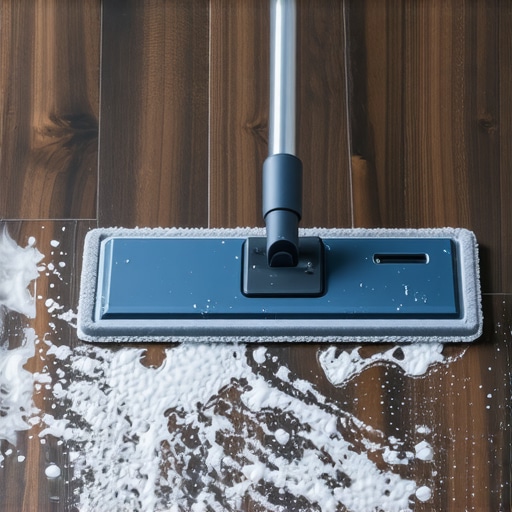
I remember the first time I unboxed my steam mop. I felt like a domestic wizard. No more heavy buckets! No more grey, dirty water! I spent an hour gliding across my living room, basking in the cloud of hot vapor. But then 4 PM rolled around. The afternoon sun hit the floor at just the right angle, and my heart sank. It looked like a herd of greasy snails had held a convention across my laminate planks. It was cloudy, streaky, and honestly, it looked worse than before I started. If you have ever felt that soul-crushing disappointment of finishing a deep clean only to see a milky film staring back at you, I have been in your shoes. We are going to fix those streaks once and for all.
Stop Blaming the Sunlight for Your Cloudy Floors
I used to think my floors were just “picky” or that the laminate was low quality. I would buy every expensive microfiber pad on the market and obsessively refill my tank, yet the result was always the same: a dull, hazy mess. It turns out, I was making the same rookie mistakes that many of us do when we try to level up our house cleaning routine. I was essentially baking microscopic layers of residue onto my floor. If you have wondered why your floors feel sticky even after you finished mopping, the answer is often hiding in the very tool you think is helping you. Steam mops are fantastic for sanitizing, but they are not a magic wand. In fact, if used without the right technique, your steam mop might be damaging your laminate floors by forcing moisture into the delicate seams where it does not belong. I learned the hard way that more steam does not equate to more clean; it usually just means more streaks. According to the flooring experts at The Spruce, excessive moisture and high heat can actually compromise the protective wear layer of your laminate over time.
Can a simple steam mop really ruin my expensive flooring?
It is a valid fear. Most laminate is a sandwich of compressed wood and a high-resolution photograph topped with a clear coat. When you blast it with high-heat steam, you are not just lifting dirt; you are potentially softening that finish or trapping hard water minerals right on the surface. I once thought the highest heat setting was the “best” setting. Wrong. I was literally cooking the minerals from my tap water onto the planks. Whether you are doing a quick tidy or a full move out clean, getting the floor right is the foundation of a home that actually feels fresh. Have you ever looked at your “clean” floor and felt like it looked worse than before you started? I want to hear your floor-cleaning horror stories in the comments! Learning effective house cleaning secrets from cleaning experts changed my perspective entirely. It is not about the intensity of the steam; it is about the prep work and the small adjustments that stop those streaks before they even start.
The Secret Sauce for a Streak-Free Shine
I used to treat my steam mop like a vacuum, pushing it haphazardly across the room whenever I saw a smudge. I was wrong. Achieving that glass-like finish requires a process that starts long before you plug the machine into the wall. If you skip the prep, you aren’t cleaning; you are just making hot, wet mud and spreading it around. To get the results you want, you have to treat your laminate like a delicate surface rather than a rugged sidewalk.
Clear the Dust Before the Steam Hits
The number one reason for streaks is residual dirt. If there is even a fine layer of dust on the planks, the steam will liquefy it into a grey sludge that dries into a cloudy film. I learned this the hard way during a stressful weekend of move out cleaning hacks when I was trying to save my security deposit. I rushed the sweeping, and the floors looked like I had mopped them with a bucket of milk. Now, I vacuum twice. Once with the brush roll off to prevent scratches, and once with an attachment to get the corners. Be careful, though, because certain vacuum brush rolls can ruin hardwood floors and laminate finishes if they are too aggressive.
Swap Your Tap Water for the Pure Stuff
Stop using water straight from the sink. Tap water is full of minerals like calcium and magnesium. When the mop turns that water into steam, the moisture evaporates, but those minerals stay behind, creating a white, hazy residue. Using distilled water is the single most effective way to ensure a streak-free finish. It is also a core part of effective sanitizing methods because it prevents mineral buildup from clogging your mop’s internal heating element. I once ignored this advice for six months and had to throw away a perfectly good mop because the steam jets were completely calcified.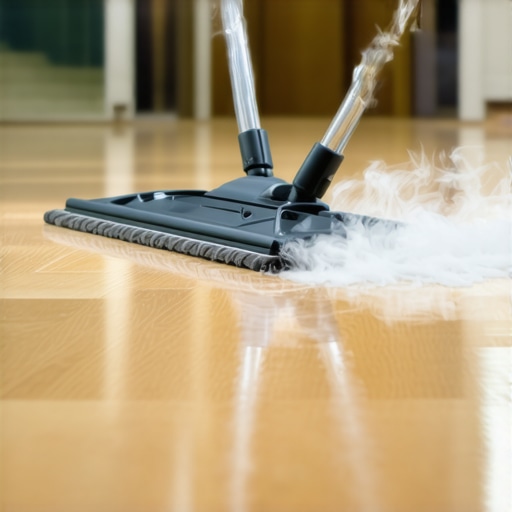
Master the Continuous Glide to Avoid Heat Rings
The biggest mistake I ever made was leaving my steam mop stationary for thirty seconds while I answered the door. When I came back and moved the mop, there was a permanent, ghostly white circle etched into the finish. Steam mops are powerful, and that concentrated heat can actually melt the resin in your laminate. Think of it like ironing a silk shirt; you must keep it moving. Use long, overlapping strokes and never let the mop sit in one spot while it is turned on. If you are worried about the floor feeling tacky afterward, remember that why your floors feel sticky usually boils down to trapped moisture or old cleaner residue being reactivated by the heat.
Change Your Pads Every Room
Imagine trying to dry your face with a soaking wet, dirty towel—you wouldn’t do it. Yet, we often try to clean an entire house with one single microfiber pad. Once the pad is saturated with heat and the dirt it has picked up, it loses its ability to absorb anything else. It just drags the filth to the next room. Much like the two-cloth method for windows, you need a fresh, dry surface to actually lift the grime away. I keep a stack of at least six pads ready for a standard cleaning session. The moment the pad looks slightly grey, I swap it out. It feels like extra laundry, but it is the only way to avoid the dreaded ‘snail trail’ effect.
Most people think of steam as a heavy-duty dirt remover, but I am going to challenge that common belief right now: your steam mop is actually a terrible tool for removing heavy soil. If you see deep brown streaks on your pads, you have already failed the prep stage. In my experience, if your floor is truly dirty, steam just turns that grit into a hot, abrasive slurry that you are essentially painting across the grain. I have seen so many tenants try to use raw steam for a heavy move-out cleaning, only to find they have polished the grime into the floor’s finish. True house cleaning requires full mechanical extraction—meaning a vacuum or a dry mop—before the steam even enters the room.
Wait, isn’t high heat supposed to kill every germ instantly?
Technically, yes—but context is everything in the world of sanitation. According to the experts at the International Association of Certified Home Inspectors (InterNACHI), steam must maintain a specific temperature on the surface for a sustained period, often several seconds, to achieve true sterilization. Simply waving a mop over a tile for a fraction of a second is not enough to kill deep-seated bacteria. You are achieving a surface-level refresh, but for a truly safer house in 2025, you need to understand the ‘dwell time’ of your heat. If you move too fast, you are just making the floor wet without actually killing the germs you are worried about.
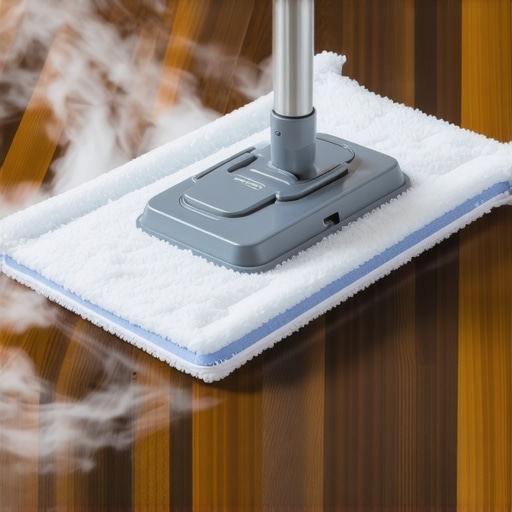
The Hidden Danger of Using Steam on Your Furniture
I once made the expensive mistake of thinking my steam mop was a universal sanitizing tool. I took it to my microfiber couch, thinking I would get a deep refresh and kill some allergens. It was a disaster. You have to be incredibly careful because you should never use a steam cleaner on these specific upholstery fabrics like silk, velvet, or high-synthetic blends that can literally melt or develop permanent water marks. If you are following an ultimate upholstery care guide, you know that moisture management is the most important factor. Using high-pressure steam on furniture is the quickest way to saturate the internal foam, leading to a musty smell that never leaves. Always check the cleaning code (S, W, or WS) on your furniture tags before you even plug the machine in.
Don’t Fall for the Sticky Adhesive Trap
The ‘Oops’ factor I see most often during a high-stakes move out clean is people using steam to try and remove sticky tape residue or wax from laminate floors. While heat usually helps, the pressurized steam often makes the adhesive more pliable and spreads it into a larger, stickier mess that is impossible to buff out. Instead, stick to house cleaning secrets that prioritize chemical breakdown of the glue before you introduce heat. Have you ever fallen into this trap of overestimating what your steam mop can do? Let me know in the comments below! If you are feeling the pressure of a final inspection, remember that the secret to getting your full security deposit back every time is usually doing less damage during the cleaning process, rather than trying to blast every stain with 200-degree vapor.
Stop the Clogs Before They Kill Your Machine
I have lost two steam mops to ‘the sputter’—that sad, coughing sound the machine makes when it is dying a slow death from mineral buildup. It is heartbreaking because it is entirely preventable. If you are using your mop for effective sanitizing methods, you have to treat the device like a precision tool. After every single use, I drain the water tank completely. Leaving water in the reservoir is an invitation for algae or mold to grow in the dark, damp corners of your machine. I also run a ‘purge’ cycle once a month using a 50/50 mix of distilled water and white vinegar to break down any scale inside the heater. Just like why you must clean the filter in your washing machine, keeping your mop’s internal pathways clear is the difference between a tool that lasts five years and one that dies in five months.
How do I maintain my cleaning gear for the long haul?
The secret is in the pads and the storage. I never, ever wash my microfiber pads with fabric softener. Softener coats the fibers in a waxy layer, which is exactly why your floors look streaky later—the pad can’t actually absorb the liquid! If you notice why your microfiber cloths are leaving lint everywhere, it is usually because they have been dried on high heat, which melts the delicate plastic hooks in the fabric. I air-dry my mop pads to keep them ‘grabby.’ For those of you deep in a move out clean checklist, I recommend having a dedicated ‘dirty’ bin for used pads so you aren’t accidentally cross-contaminating your fresh laundry with floor grease.
The High-End Tools That Actually Make a Difference
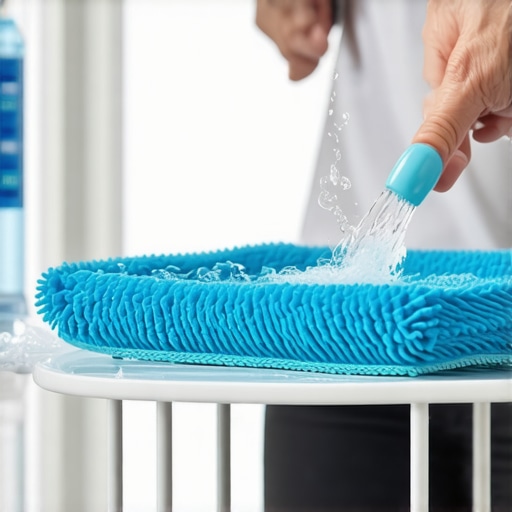
I am a firm believer that you don’t need a thousand-dollar machine, but you do need professional-grade accessories. I have switched to 500 GSM (grams per square meter) microfiber pads. Most ‘off the shelf’ pads are thin and flimsy, but the high-density versions hold onto heat much longer, which is vital for sanitizing secrets for a safer house. According to the technical standards set by the Institute of Inspection Cleaning and Restoration Certification (IICRC) in their S500 guide, moisture control is the most critical element in preventing secondary damage during cleaning. This is why I also keep a high-velocity floor fan nearby. I blast the floor with air immediately after steaming to lock in that shine and prevent any airborne dust from settling on the damp surface.
The Future of Smart Steam Technology
Looking ahead, I predict we are going to see a massive shift toward ‘smart sensors’ in home steam mops. We are already seeing prototypes that can detect the porosity of your floor and automatically adjust the steam PSI so you never accidentally warp a plank again. Until those become affordable, your best bet is staying consistent with a daily house cleaning routine that prevents the need for aggressive, high-heat blasting in the first place. If you are currently dealing with a tough room, I challenge you to try the ‘distilled water only’ rule for one week. You will be shocked at how much clearer your floors look when you stop cooking tap-water minerals into them. If you run into a stain that even steam can’t touch, don’t forget to check out these upholstery cleaning tips for the rest of your living space.
Lessons from the Greasy Snail Trail Incident
After years of trial and error, I finally realized that steam is not a replacement for a broom. If you are aiming for house cleaning perfection, you have to treat the steam mop as the very last step, not the heavy lifter. I also learned that ‘more’ is rarely ‘better’—using a medium steam setting often yields a clearer result than the highest blast because it prevents excessive pooling of moisture. Most importantly, I stopped using any chemical cleaners in the tank. The moment I switched to pure, distilled water, ninety percent of my streaking problems vanished instantly. I also realized that why your floors feel sticky is almost always a result of previous chemical residue being heated up, so a few ‘water-only’ passes are often necessary to clear the slate.
The Gear That Rescued My Sunday Cleaning Routine
For those ready to level up, I recommend grabbing a gallon of distilled water from any grocery store; it is the cheapest upgrade you will ever make for your machine’s longevity. I also swear by 500 GSM microfiber pads which you can find at specialized cleaning supply outlets; they are significantly more absorbent than the thin pads included in the box. If you notice why your microfiber cloths are leaving lint everywhere, it is a sign they are reaching the end of their life cycle and need a gentle, air-dry replacement. Finally, I always keep a high-velocity fan in the room to speed up drying, a trick I picked up from house cleaning secrets from cleaning experts to ensure a mirror-like finish.
Reclaim Your Weekends and Your Glass-Like Floors
Don’t let a few streaks or a cloudy film discourage you from using one of the most powerful tools in your arsenal. When you master these small adjustments—from the vacuum prep to the distilled water switch—your daily house cleaning routine becomes faster, safer, and far more rewarding. You deserve a home that glows as much as your hard work does. Have you ever accidentally left a heat ring or struggled with a persistent ‘cloudy’ film on your laminate? Let me know your experiences in the comments below!