
I was standing in my kitchen last Tuesday, the afternoon sun streaming through the window and illuminating every single greasy fingerprint on my refrigerator door. I had just spent twenty minutes “cleaning” it, yet the surface looked like a blurry, oily mess. It was one of those moments where you just want to throw the whole kitchen away and start over. We buy stainless steel because it’s supposed to look high-end and sleek, but most of the time, it just looks like a forensic evidence lab for handprints. My biggest mistake early on was thinking that any cleaning spray and a wad of paper towels would do the trick—boy, was I wrong. I ended up with a foggy film that seemed impossible to lift, much like the frustration homeowners feel when they see floors that stay sticky even after mopping. Today, I’m going to pull back the curtain on why your wiping technique is actually working against you and how you can reclaim that mirror-like finish without losing your mind.
Stop Fighting the Grain and Start Winning the Shine
If you’ve ever felt like your appliances are just magnets for grime, you aren’t alone. In fact, many people face a similar struggle when they try to remove grease from kitchen cabinets only to realize they’ve smeared it around instead of lifting it. The truth is, stainless steel has a “grain,” much like wood, and if you aren’t following it, you’re just pushing dirt into the microscopic grooves of the metal. I learned this the hard way after a particularly disastrous move-out clean where my landlord pointed out every single streak on the oven.
Is keeping stainless steel streak-free actually worth the effort?
I know what you’re thinking: “It’s just going to get dirty again in five minutes, so why bother?” But here is the secret: once you use the right method—like the logic behind the two-cloth method for windows—the surface actually repels new prints longer. According to manufacturing standards, using the wrong abrasive cleaners or hard water can actually damage the protective chromium oxide layer that makes the steel “stainless” in the first place. Have you ever spent an hour cleaning your kitchen only to realize the fridge looks worse than when you started? It’s a specific kind of heartbreak. I want to help you avoid that. By understanding the chemistry of what you’re using, much like how you’d look for sanitizing hacks for a safe home, you can keep your kitchen looking professional-grade with half the work. We’re about to dive into the exact tools and movements that will change your cleaning routine forever.
Find the Direction Your Steel is Flowing
Most people assume stainless steel is a flat, uniform surface, but if you look closely—and I mean really get your nose up against that fridge—you’ll see faint lines running either vertically or horizontally. This is the grain. I remember a particularly stressful Thanksgiving when I was trying to impress my mother-in-law. I saw a smudge on the dishwasher and, in a panic, I grabbed a heavy-duty scrub sponge and went to town in circular motions. The result? A permanent, cloudy swirl that mocked me every time the kitchen lights were on. I had effectively sanded against the metal’s natural flow. If you want to avoid my $500 mistake, always wipe in the direction of those lines. It’s the same logic used in effective house cleaning secrets from cleaning experts: work with the material, not against it. When you wipe with the grain, you lift the oils out of the grooves instead of packing them in. 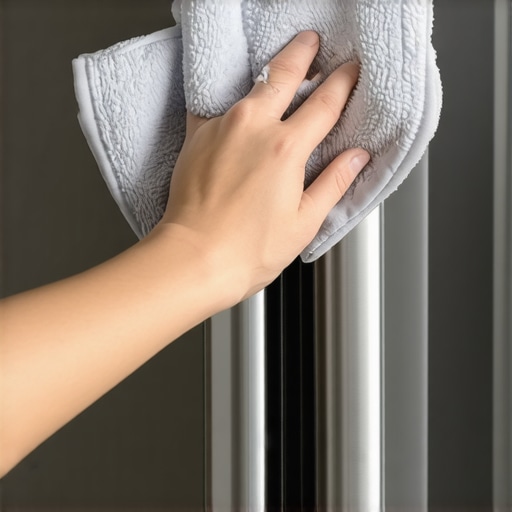
Ditch the Harsh Chemicals for Simple Solutions
You don’t need a shelf full of specialized ‘stainless steel polish’ that often leaves a greasy residue. In fact, learning how to remove the sticky film on top of the kitchen fridge taught me that less is often more. For a deep clean, a few drops of dish soap in warm water is usually enough to break down the surface tension of grease. If you’re dealing with stubborn hard water spots, a 50/50 mix of white vinegar and water works wonders. It’s a gentle acid that cuts through mineral buildup without eating away at the finish. This is similar to how we approach sanitizing secrets for a safer house in 2025—using the right tool for the job prevents collateral damage.
The Secret Power of Microfiber
Paper towels are actually quite abrasive and often leave behind tiny lint particles that ruin the ‘mirror’ effect. I switched to high-quality microfiber cloths years ago and never looked back. One cloth is for the damp wipe (cleaning), and the second is for the dry buff (shining). This ‘dry buff’ is where the magic happens. Without it, the water evaporates and leaves behind those frustrating ghostly outlines.
Master the Two-Cloth Motion
Once you have your soapy water or vinegar mix, dampen your first cloth. Wipe in long, even strokes following the grain from top to bottom. Then, immediately follow up with your dry microfiber cloth. Don’t wait for it to air dry. This prevents the ‘sticky’ feeling that many homeowners complain about, which is often just dried cleaner residue. It’s a core part of any daily house cleaning routine to maintain perfection. If you still see a smudge, a tiny drop of olive oil or mineral oil on a clean cloth can be buffed into the steel to provide a protective barrier against future fingerprints. Just remember: a little goes a long way. If the surface feels oily, you’ve used too much. You want a microscopic layer, not a slip-and-slide. This technique is as essential to kitchen maintenance as knowing the dish soap trick for removing greasy buildup on kitchen cabinets. By treating the metal with this level of care, you ensure it stays looking showroom-ready for years.But even if your fridge is glowing, there is a much bigger mistake I see people make the moment they move from ‘shining’ to ‘sanitizing.’ Most homeowners believe that if a surface smells like bleach or lemon, it’s germ-free. This is what I call the Disinfection Fallacy. In my years of obsessing over home hygiene, I’ve realized that speed is the enemy of safety.
Stop Wiping Your Disinfectant Away Immediately
Everyone says you need to scrub hard to get things clean, but when it comes to sanitizing, you actually need to do nothing. Most EPA-registered disinfectants require what’s known as ‘dwell time.’ If you spray a surface and immediately wipe it dry, you haven’t killed the bacteria; you’ve just given them a slightly damp ride to a new location. According to the Environmental Protection Agency (EPA), many common household cleaners need to stay visibly wet on a surface for anywhere from 3 to 10 minutes to reach their full efficacy. If you aren’t checking the label for that ‘contact time,’ you aren’t really performing effective sanitizing methods for a germ-free home. 
Why did your professional-grade steam cleaner ruin the velvet sofa?
This is where the ‘oops’ factor usually hits the hardest. We often assume that high heat and steam are the ultimate cleaning duo, but in the world of fabrics, they can be a death sentence. I remember a client who bought a beautiful velvet armchair and tried to use a steam mop on a small spill. They didn’t realize the piece was ‘S-coded,’ meaning it can only be cleaned with solvent-based cleaners, never water. The steam permanently collapsed the pile and left a water ring that looked like a topographical map. This is a nuance often missed in a standard daily house cleaning routine to maintain perfection. Before you even touch a fabric, you have to know how to treat s-coded upholstery fabric without ruining it, or you’ll be shopping for a replacement sooner than you think.
The Tiny Spaces That Steal Your Security Deposit
The same level of scrutiny is required when you’re prepping for a move. You might think the kitchen is spotless because the counters are clear, but landlords don’t look at the counters—they look at the ‘dark zones.’ I’ve seen dozens of people lose hundreds of dollars because they didn’t realize why the space behind the oven costs most renters their deposit. It’s a magnet for grease and pet hair that creates a literal fire hazard. Including these zones in your move-out cleaning strategies to secure your deposit is the difference between an amateur clean and a professional-grade transition. Finally, here is a trap to avoid: never use heat on a protein-based stain like blood or milk. While you might want to ‘sanitize’ that upholstery spill with hot water, you’re actually ‘cooking’ the protein into the fibers, making it a permanent part of your furniture. It’s one of those effective house cleaning secrets from cleaning experts that sounds counterintuitive until you see the damage firsthand. Have you ever fallen into this trap? Let me know in the comments.I used to think my old upright vacuum was doing a great job until I saw a sunbeam hit the air right after I finished a ‘deep clean.’ It looked like a snow globe of skin cells and pet dander. That’s when I realized that without a sealed system, you’re often just recirculating allergens. If you’ve ever wondered why your vacuum filter might be making your allergies worse, it usually comes down to the lack of a true HEPA seal. I’ve since upgraded to a certified sealed-system vacuum because, as the Department of Energy (DOE) technical standards specify, a true HEPA filter must trap 99.97% of particles as small as 0.3 microns. Anything less is just a motorized dust-pusher.
Stop Turning Your Living Room Into a Dust Storm
When I’m tackling a client’s home or my own, I rely heavily on specialized brushes. For those of us with furry roommates, a standard vacuum head won’t cut it. You need a dedicated rubberized pet hair tool. I use one religiously on my stairs and sofa because it creates the friction necessary to pull hair out of the weave rather than just skimming the surface. This is one of the most vital upholstery cleaning tips for a fresh home revival that actually works in the real world. If you want to take it a step further, look into the IICRC (Institute of Inspection Cleaning and Restoration Certification) standards for carpet maintenance—they emphasize that frequent, high-filtration vacuuming is the single most important factor in extending the life of your floor fibers. 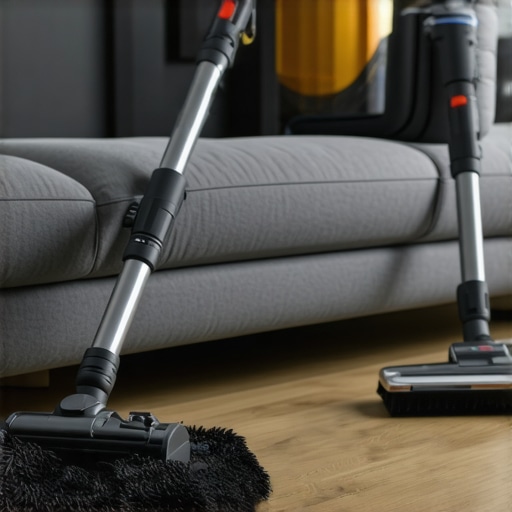
The One Tool That Saves My Suede Sofa Weekly
Beyond vacuums, my secret weapon for maintenance is a simple horsehair brush. It’s gentle enough for delicate fabrics but stiff enough to lift the nap. I use it to keep my velvet and suede pieces from looking matted and tired. It’s a core part of the ultimate upholstery care guide for lasting freshness. When you brush your furniture weekly, you prevent dust from settling deep into the fibers where it acts like sandpaper, grinding away at the material every time you sit down. This proactive approach is much easier than trying to figure out how to restore the texture of a flattened velvet sofa at home after the damage is already done.
How do I maintain a germ-free home over the long haul?
Consistency is the only way to avoid the ‘reset’ clean that takes eight hours. I’ve found that a daily house cleaning routine to maintain perfection is actually less about cleaning and more about management. I predict that in the next few years, we will see a massive shift toward UV-C integrated cleaning tools and smart sensors that actually tell you if a surface is biologically clean. For now, we rely on mechanical removal. If you’re moving, don’t wait until the last day to scrub. Using move-out cleaning hacks to ensure your deposit refund throughout your final month makes the transition seamless. I strongly recommend you try the ‘cross-hatch’ vacuuming method today: vacuum a 3×3 area horizontally, then immediately go over it vertically. You’ll be shocked at how much more debris you pull up by changing the angle of the brush roll. It’s a game-changer for high-traffic zones.
Lessons Learned From Years in the Cleaning Trenches
After years of trying every viral hack on the internet, I’ve realized that the most effective house cleaning secrets aren’t about magic products, but about physics. For instance, professional cleaners always start at the top of the room for a reason—dusting your baseboards before your ceiling fans is just a recipe for doing the work twice. I also learned that “clean” doesn’t always mean “safe.” We need to stop treating sanitizing as a quick wipe and start respecting dwell times, especially when following sanitizing secrets for a safer house in 2025. Finally, don’t let the fear of a big project stop you; most tasks look like a mountain but are really just a series of ten-minute molehills that build toward a healthier living environment.
My Go-To Toolkit for a Sparkling Home
If I were starting my cleaning kit from scratch today, I would skip the aisle of colorful sprays and stick to these four essentials. First, a high-quality microfiber set is non-negotiable—it is the only way to get that streak-free finish we talked about earlier. Second, never underestimate a simple horsehair brush; it is vital for upholstery cleaning tips for a fresh home revival because it lifts the nap without causing permanent damage. Third, I always keep a bottle of white vinegar and a separate one for diluted dish soap; between them, ninety percent of your kitchen surfaces are covered. Lastly, invest in a vacuum with a sealed HEPA system; your lungs will thank you during your daily house cleaning routine to maintain perfection.
Take Back Your Home One Room at a Time
Cleaning your home should not feel like an endless battle you are destined to lose. It is about creating a functional space where you can actually breathe and relax. Whether you are mastering the grain of your stainless steel or using move-out cleaning hacks to ensure your deposit refund, the goal is consistent progress rather than unattainable perfection. You have the tools and the knowledge now—it is time to put them into practice and enjoy the clarity that comes with a truly clean home. #IMAGE_PLACEHOLDER_E# What is the one spot in your house that always seems to defeat you no matter how hard you try? Let me know in the comments below!