
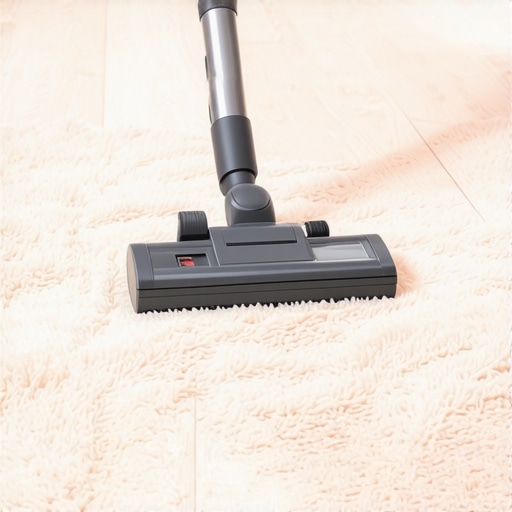
I remember the day I finally brought home that hand-tufted wool rug I’d been eyeing for months. It felt like walking on a cloud. But three weeks later, I noticed something terrifying: the surface looked “hairy” and fuzzy, almost as if it were shedding its skin. I panicked. I grabbed my heavy-duty vacuum, thinking I just needed to suck up the loose bits. That was my biggest mistake. Instead of fixing it, the aggressive rotating brush was literally tearing the delicate fibers apart. If you’ve ever looked at your expensive rug and felt that same sinking feeling of regret, you aren’t alone. Wool is a natural protein fiber—think of it like your hair—and you wouldn’t use a power sander on your head, would you?
Stop Treating Your Wool Rug Like a Synthetic Carpet
Most of us grew up with indestructible synthetic carpets where “the more suction, the better” was the golden rule. But wool is a different beast entirely. It’s durable, sure, but it’s also remarkably sensitive to mechanical friction. When I started out, I thought my house cleaning secrets were enough for any surface. Boy, was I wrong. Vacuuming wool incorrectly doesn’t just make it look messy; it can permanently weaken the structural integrity of the weave. Whether you are doing a move-out clean or just maintaining your living room, you need a strategy that respects the material. [IMAGE_PLACEHOLDER]
Does it really matter which vacuum setting I use?
You might be thinking, “It’s a rug, it’s meant to be walked on, so how can a vacuum hurt it?” Here is the reality: the beater bar—that spinning brush roll—is the primary enemy. Research from the WoolSafe Organisation suggests that excessive agitation from stiff bristles can cause “pilling” and “fuzzing” that cannot be reversed. In my early days, I left the beater bar engaged on my low-pile wool runner, and within six months, the pattern looked blurred and the texture felt like sandpaper. It was a lesson learned the hard way. To keep your home healthy, you might also want to look into effective sanitizing methods for other areas, but for the rug, we need to dial back the aggression. Have you ever noticed your vacuum’s brush roll pulling up huge clumps of wool? If so, let me know—I’d love to hear if your vacuum is acting more like a lawnmower. We are going to solve this today by mastering the “suction-only” approach and understanding height adjustments. Just like why your vacuum brush roll is ruining your hardwood floors, using the wrong tool for the right job is a recipe for disaster.The first thing you must do is locate your vacuum’s height adjustment lever. Most people leave this on ‘Auto’ or ‘Low,’ but for wool, you want it at the highest setting where you still feel suction. It’s like trimming a hedge—you want to take off the top layer of debris without scalping the plant. If you’re following a house cleaning strategy for a sparkling home, you know that the right tool height prevents unnecessary wear. Next, look for the brush roll switch. If your vacuum doesn’t let you turn it off, do not use it on wool rugs. Period. High-quality upholstery cleaning tips always emphasize gentle agitation, but for wool, no agitation is best. I once ignored this on a vintage Oushak rug. After just three passes, the fibers looked like they’d been through a blender. I had to spend the entire weekend hand-trimming fuzz with fabric scissors just to make it presentable again. 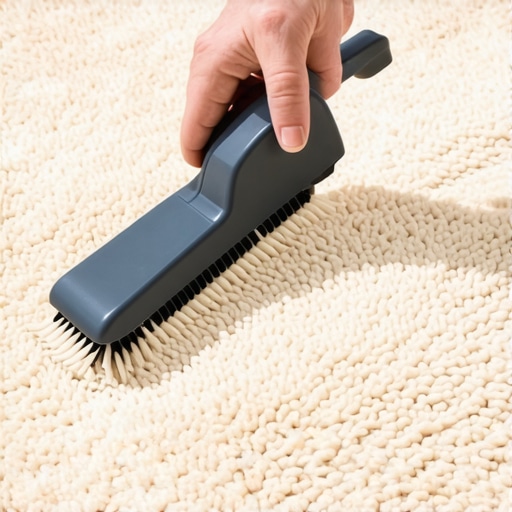
Glide With the Grain to Keep Fibers Smooth
Think of your rug as having a ‘nap,’ much like a cat’s fur. If you rub a cat from tail to head, the fur stands up and the cat gets annoyed. Wool is the same. Run your hand across the rug; one way will feel smooth, and the other will feel slightly resistant. You want to vacuum in the smooth direction. This prevents the suction from lifting individual fibers out of the backing, which is the main cause of that messy, hairy look. This level of detail is exactly what you need for move-out cleaning hacks to ensure your deposit, as landlords often check for damaged rug textures.
Ditch the Back-and-Forth Scrubbing Motion
We are often taught to scrub the floor with the vacuum, but for wool, you should use long, slow, overlapping strokes in one direction only. When you finish a pass, lift the vacuum head and start again at the top of the next row. It feels tedious at first, but it preserves the natural luster of the wool. This is similar to how we handle delicate fabrics in our ultimate upholstery care guide. If you notice a dusty smell during this process, check your machine immediately; why your vacuum is blowing dust back into the air is usually due to a clogged filter, which can actually redeposit sharp grit back into the wool fibers, acting like sandpaper.
Clean the Edges Without the Friction
The fringe and edges of a wool rug are its most vulnerable points. Never run a vacuum head over the fringe; it will get sucked into the intake and tear the warp threads. Instead, use your upholstery attachment—the one with the soft felt strip—to gently suction the edges. To really schedule a deep clean that actually lasts, do this edge-to-edge work once a week to prevent moths from nesting in the undisturbed borders. If you find your vacuum is still struggling to pull up dirt, it might be time to investigate why your vacuum filter might be making your allergies worse, as a clean filter provides the consistent, gentle airflow needed for this suction-only method.Wait, I know what you’re thinking next: “If I can’t vacuum it hard, I’ll just steam clean the dirt away.” This is exactly where the “more is better” philosophy fails. While some house cleaning secrets suggest high heat for disinfection, applying a standard steam cleaner to a wool rug is like putting a wool sweater in a hot dryer. You’ll end up with a shrunken, distorted mess.
What happens when you use a high-pH cleaner on natural fibers?
Here is the hidden nuance that separates a DIYer from a pro: the pH scale. Wool and silk are protein fibers, and they thrive in a slightly acidic environment (around pH 4.5 to 5.5). Most “all-purpose” cleaners are highly alkaline. According to experts at the WoolSafe Organisation, using an alkaline cleaner on wool can cause “browning”—a permanent yellowing of the fiber that no amount of scrubbing can fix. I’ve seen homeowners try to save their security deposit by scrubbing a small stain with bleach or heavy-duty degreaser, only to find the spot turn a permanent shade of rust. If you’re looking for move-out cleaning hacks to ensure your deposit, rule number one is to check the label of your cleaning solution. The “Oops” factor here is moisture. I once helped a friend who thought she was being thorough by “soaking” a pet stain on her wool runner. Because wool can hold up to 30% of its weight in water without feeling wet, she didn’t realize she’d created a swamp in the backing. Three days later, the room smelled like a damp basement. This is why your living room still smells like pets after you vacuum; the moisture reactivates old odors and breeds mold.  Instead of soaking, use a blot-only method with a pH-neutral wool detergent. If you are dealing with furniture, you must be even more careful. You should never use a steam cleaner on these specific upholstery fabrics like velvet or rayon, as the heat can permanently collapse the pile. Have you ever tried to “deep clean” something only to make the texture worse? Let me know in the comments—I’ve definitely been there! When you’re executing a move-out clean checklist to simplify your transition, the temptation is to rush. But for upholstery, I always recommend the “dry foam” method. It provides the upholstery cleaning tips for a fresh home revival without the risk of water rings. If you’re moving into a new place and need sanitizing hacks for safe house transitions, remember that sanitizing doesn’t always mean saturating. For delicate items, light mists and specialized tools are your best friends.If you’re tired of guessing which tools won’t ruin your investment, let’s talk shop. I personally swear by the Miele Complete C3 series because it features a manual suction control dial. This isn’t just a fancy button; it’s a bypass valve that allows you to drop the pressure so low that you can vacuum a silk scarf without snagging it. When you are executing your daily house cleaning routine to maintain perfection, having that granular control is the difference between a rug that lasts forty years and one that thins out in five. I also keep a set of horsehair brush attachments for my handheld vacuum. Natural bristles are softer than wool, meaning they won’t abrade the fibers when I’m getting into the crevices during house cleaning strategies for a sparkling home today.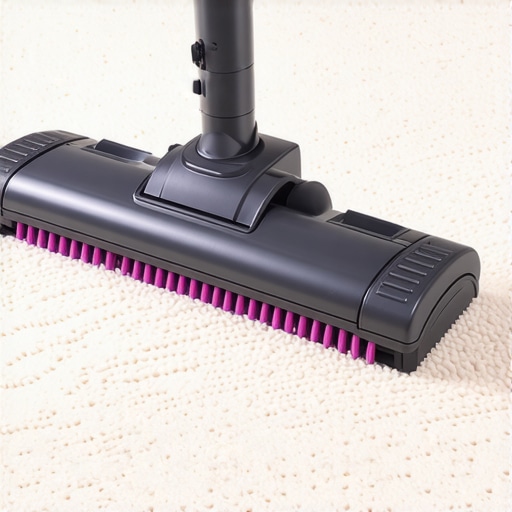
How do I maintain my wool rug’s life over time?
Maintenance isn’t just about what you remove; it’s about how you position the piece. I recommend rotating your rugs 180 degrees every six months. This prevents traffic lanes from wearing down the pile in one specific spot and ensures that any sun exposure is even across the entire surface. This is a tip I picked up from the IICRC S100 Standard for Professional Carpet Cleaning, which emphasizes that mechanical wear is often more destructive than actual soil. If you are integrating this into a schedule for a deep clean that actually lasts, you’ll find the wool recovers its bounce much faster. For those of you dealing with high-traffic entryways, don’t forget the importance of a high-quality felt pad underneath; it acts as a shock absorber for the fibers. Just like following the ultimate upholstery care guide for lasting freshness, protecting the foundation is half the battle. Looking ahead to 2025, I predict we will see more smart vacuums with optical sensors that automatically detect fiber types and adjust RPMs, but until then, your manual settings are your best defense. For a healthier home environment, always check your equipment; why your vacuum filter might be making your allergies worse is often down to fine wool dust clogging the HEPA media, which reduces the very suction you need for a gentle clean. If you’re moving soon, check your sanitizing secrets for a safer house in 2025 to ensure your new space is ready for these delicate textiles. My advanced challenge for you: tonight, check your vacuum’s underside. If the bristles feel stiff like a hairbrush, they are too hard for wool. Wrap a small piece of soft Velcro, the loop side, over the stiffest sections to dampen the impact, or better yet, switch to a dedicated floor tool.I remember the day I finally brought home that hand-tufted wool rug I’d been eyeing for months. It felt like walking on a cloud. But three weeks later, I noticed something terrifying: the surface looked “hairy” and fuzzy, almost as if it were shedding its skin. I panicked. I grabbed my heavy-duty vacuum, thinking I just needed to suck up the loose bits. That was my biggest mistake. Instead of fixing it, the aggressive rotating brush was literally tearing the delicate fibers apart. If you’ve ever looked at your expensive rug and felt that same sinking feeling of regret, you aren’t alone. Wool is a natural protein fiber—think of it like your hair—and you wouldn’t use a power sander on your head, would you?
Stop Treating Your Wool Rug Like a Synthetic Carpet
Most of us grew up with indestructible synthetic carpets where “the more suction, the better” was the golden rule. But wool is a different beast entirely. It’s durable, sure, but it’s also remarkably sensitive to mechanical friction. When I started out, I thought my house cleaning secrets were enough for any surface. Boy, was I wrong. Vacuuming wool incorrectly doesn’t just make it look messy; it can permanently weaken the structural integrity of the weave. Whether you are doing a move-out clean or just maintaining your living room, you need a strategy that respects the material. [IMAGE_PLACEHOLDER]
Does it really matter which vacuum setting I use?
You might be thinking, “It’s a rug, it’s meant to be walked on, so how can a vacuum hurt it?” Here is the reality: the beater bar—that spinning brush roll—is the primary enemy. Research from the WoolSafe Organisation suggests that excessive agitation from stiff bristles can cause “pilling” and “fuzzing” that cannot be reversed. In my early days, I left the beater bar engaged on my low-pile wool runner, and within six months, the pattern looked blurred and the texture felt like sandpaper. It was a lesson learned the hard way. To keep your home healthy, you might also want to look into effective sanitizing methods for other areas, but for the rug, we need to dial back the aggression. Have you ever noticed your vacuum’s brush roll pulling up huge clumps of wool? If so, let me know—I’d love to hear if your vacuum is acting more like a lawnmower. We are going to solve this today by mastering the “suction-only” approach and understanding height adjustments. Just like why your vacuum brush roll is ruining your hardwood floors, using the wrong tool for the right job is a recipe for disaster.The first thing you must do is locate your vacuum’s height adjustment lever. Most people leave this on ‘Auto’ or ‘Low,’ but for wool, you want it at the highest setting where you still feel suction. It’s like trimming a hedge—you want to take off the top layer of debris without scalping the plant. If you’re following a house cleaning strategy for a sparkling home, you know that the right tool height prevents unnecessary wear. Next, look for the brush roll switch. If your vacuum doesn’t let you turn it off, do not use it on wool rugs. Period. High-quality upholstery cleaning tips always emphasize gentle agitation, but for wool, no agitation is best. I once ignored this on a vintage Oushak rug. After just three passes, the fibers looked like they’d been through a blender. I had to spend the entire weekend hand-trimming fuzz with fabric scissors just to make it presentable again.
Glide With the Grain to Keep Fibers Smooth
Think of your rug as having a ‘nap,’ much like a cat’s fur. If you rub a cat from tail to head, the fur stands up and the cat gets annoyed. Wool is a same. Run your hand across the rug; one way will feel smooth, and the other will feel slightly resistant. You want to vacuum in the smooth direction. This prevents the suction from lifting individual fibers out of the backing, which is the main cause of that messy, hairy look. This level of detail is exactly what you need for move-out cleaning hacks to ensure your deposit, as landlords often check for damaged rug textures.
Ditch the Back-and-Forth Scrubbing Motion
We are often taught to scrub the floor with the vacuum, but for wool, you should use long, slow, overlapping strokes in one direction only. When you finish a pass, lift the vacuum head and start again at the top of the next row. It feels tedious at first, but it preserves the natural luster of the wool. This is similar to how we handle delicate fabrics in our ultimate upholstery care guide. If you notice a dusty smell during this process, check your machine immediately; why your vacuum is blowing dust back into the air is usually due to a clogged filter, which can actually redeposit sharp grit back into the wool fibers, acting like sandpaper.
Clean the Edges Without the Friction
The fringe and edges of a wool rug are its most vulnerable points. Never run a vacuum head over the fringe; it will get sucked into the intake and tear the warp threads. Instead, use your upholstery attachment—the one with the soft felt strip—to gently suction the edges. To really schedule a deep clean that actually lasts, do this edge-to-edge work once a week to prevent moths from nesting in the undisturbed borders. If you find your vacuum is still struggling to pull up dirt, it might be time to investigate why your vacuum filter might be making your allergies worse, as a clean filter provides the consistent, gentle airflow needed for this suction-only method.Wait, I know what you’re thinking next: “If I can’t vacuum it hard, I’ll just steam clean the dirt away.” This is exactly where the “more is better” philosophy fails. While some house cleaning secrets suggest high heat for disinfection, applying a standard steam cleaner to a wool rug is like putting a wool sweater in a hot dryer. You’ll end up with a shrunken, distorted mess.
What happens when you use a high-pH cleaner on natural fibers?
Here is the hidden nuance that separates a DIYer from a pro: the pH scale. Wool and silk are protein fibers, and they thrive in a slightly acidic environment (around pH 4.5 to 5.5). Most “all-purpose” cleaners are highly alkaline. According to experts at the WoolSafe Organisation, using an alkaline cleaner on wool can cause “browning”—a permanent yellowing of the fiber that no amount of scrubbing can fix. I’ve seen homeowners try to save their security deposit by scrubbing a small stain with bleach or heavy-duty degreaser, only to find the spot turn a permanent shade of rust. If you’re looking for move-out cleaning hacks to ensure your deposit, rule number one is to check the label of your cleaning solution. The “Oops” factor here is moisture. I once helped a friend who thought she was being thorough by “soaking” a pet stain on her wool runner. Because wool can hold up to 30% of its weight in water without feeling wet, she didn’t realize she’d created a swamp in the backing. Three days later, the room smelled like a damp basement. This is why your living room still smells like pets after you vacuum; the moisture reactivates old odors and breeds mold. Instead of soaking, use a blot-only method with a pH-neutral wool detergent. If you are dealing with furniture, you must be even more careful. You should never use a steam cleaner on these specific upholstery fabrics like velvet or rayon, as the heat can permanently collapse the pile. Have you ever tried to “deep clean” something only to make the texture worse? Let me know in the comments—I’ve definitely been there! When you’re executing a move-out clean checklist to simplify your transition, the temptation is to rush. But for upholstery, I always recommend the “dry foam” method. It provides the upholstery cleaning tips for a fresh home revival without the risk of water rings. If you’re moving into a new place and need sanitizing hacks for safe house transitions, remember that sanitizing doesn’t always mean saturating. For delicate items, light mists and specialized tools are your best friends.If you’re tired of guessing which tools won’t ruin your investment, let’s talk shop. I personally swear by the Miele Complete C3 series because it features a manual suction control dial. This isn’t just a fancy button; it’s a bypass valve that allows you to drop the pressure so low that you can vacuum a silk scarf without snagging it. When you are executing your daily house cleaning routine to maintain perfection, having that granular control is the difference between a rug that lasts forty years and one that thins out in five. I also keep a set of horsehair brush attachments for my handheld vacuum. Natural bristles are softer than wool, meaning they won’t abrade the fibers when I’m getting into the crevices during house cleaning strategies for a sparkling home today.
How do I maintain my wool rug’s life over time?
Maintenance isn’t just about what you remove; it’s about how you position the piece. I recommend rotating your rugs 180 degrees every six months. This prevents traffic lanes from wearing down the pile in one specific spot and ensures that any sun exposure is even across the entire surface. This is a tip I picked up from the IICRC S100 Standard for Professional Carpet Cleaning, which emphasizes that mechanical wear is often more destructive than actual soil. If you are integrating this into a schedule for a deep clean that actually lasts, you’ll find the wool recovers its bounce much faster. For those of you dealing with high-traffic entryways, don’t forget the importance of a high-quality felt pad underneath; it acts as a shock absorber for the fibers. Just like following the ultimate upholstery care guide for lasting freshness, protecting the foundation is half the battle. Looking ahead to 2025, I predict we will see more smart vacuums with optical sensors that automatically detect fiber types and adjust RPMs, but until then, your manual settings are your best defense. For a healthier home environment, always check your equipment; why your vacuum filter might be making your allergies worse is often down to fine wool dust clogging the HEPA media, which reduces the very suction you need for a gentle clean. If you’re moving soon, check your sanitizing secrets for a safer house in 2025 to ensure your new space is ready for these delicate textiles. My advanced challenge for you: tonight, check your vacuum’s underside. If the bristles feel stiff like a hairbrush, they are too hard for wool. Wrap a small piece of soft Velcro, the loop side, over the stiffest sections to dampen the impact, or better yet, switch to a dedicated floor tool.
The Rug Saving Epiphanies That Changed My Cleaning Game Forever
Looking back on my early mistakes, I’ve realized that wool rug care is more about what you *don’t* do than what you do. One of my biggest lightbulb moments was the ‘Silk Stocking Test.’ If you aren’t sure if your vacuum intake is too rough, stretch a pair of pantyhose over the nozzle; if it snags the hose, it will absolutely shred your wool. I also learned that shedding isn’t a defect—it’s the rug’s way of releasing excess fibers. Attempting to ‘stop’ shedding by vacuuming more aggressively is a trap that leads to permanent pile thinning. Finally, I discovered that just as there is a way to clean a cast-iron skillet without ruining it, wool responds best to patience and the right pH balance rather than raw power.
The Precision Tools I Keep in My Professional Stash
To keep your textiles in museum-grade condition, you need a specialized kit. I always recommend the WoolSafe Selector app, which identifies safe detergents for every possible spill. My toolkit also includes a high-quality horsehair brush for hand-grooming high-traffic areas and a manual Miele Complete C3 for its unparalleled suction control. If you are worried about your deposit, knowing how to get your security deposit back when you have pets often starts with having these professional tools ready to handle accidents before they set into the backing.
Build a Home That Breathes and Lasts for Decades
A wool rug is more than a floor covering; it’s a natural air filter and a piece of art that can last generations. By committing to a 5-minute daily habit that keeps your entryway mud-free, you reduce the abrasive grit that acts like sandpaper on those delicate fibers. When you treat your wool rug with the respect it deserves, it rewards you with unparalleled warmth and beauty. Have you ever accidentally ‘fuzzed’ your favorite wool rug by using a beater bar? Let me know your recovery stories in the comments below!”,”image”:{“imagePrompt”:”A close-up shot of a high-end canister vacuum head with soft bristles gliding over a cream-colored wool rug, showing the smooth texture of the fibers with warm natural lighting.”,”imageTitle”:”Proper wool rug vacuuming technique”,”imageAlt”:”A professional vacuuming a wool rug using a soft brush attachment and suction-only setting to protect the fibers.”},”categoryId”:0,”postTime”:””}