
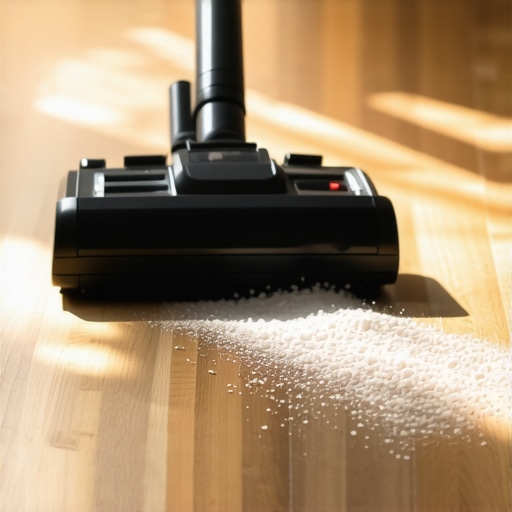
I remember the day vividly. I was trying to get a head start on a move-out clean checklist to simplify your transition when the afternoon sun streamed through the window at just the right angle. Instead of seeing a sparkling floor, I saw a shimmering, hazy cloud of particles erupting from the back of my upright. It hit me like a ton of bricks: I wasn’t cleaning; I was just redistributing the mess. It felt like a betrayal. You buy these machines to make life easier, but sometimes why your vacuum cleaner is making the house smell worse is actually because it is failing at its one job. Have you ever finished vacuuming only to find a layer of gray powder on your coffee table five minutes later? If so, you are not alone.
Stop Chasing the Same Dust Twice
Today, I am going to help you figure out why your machine is acting like a leaf blower for allergens. We will look at the seals, the filters, and the hidden clogs that turn a daily house cleaning routine to maintain perfection into a dusty nightmare. I promise that by the end of this, you will know exactly which part of your vacuum is betraying you and how to stop the cycle for good. This is not just about keeping the floors tidy; it is about the air you breathe while you are relaxing on the sofa. Speaking of sofas, it is incredibly frustrating when upholstery cleaning tips for a fresh home revival fail because your vacuum is spewing dust back onto the fabric you just scrubbed.
Is Your Vacuum Actually Making You Sneeze More?
Early on, I made the classic rookie error of thinking washable filters meant immortal. I kept using the same gunked-up sponge filter for years, thinking a quick rinse under the tap solved everything. Spoiler alert: it did not. In fact, why your vacuum filter is actually spreading dust around your home often comes down to the microscopic holes we cannot see getting clogged or stretched beyond repair. According to the American Lung Association, indoor dust can contain everything from pet dander to lead particles, which makes that dusty smell a lot more concerning than just a simple nuisance. When your vacuum lacks a proper seal, it essentially becomes an aerosol machine for these pollutants.
The Seal is Just as Important as the Suction
If your vacuum was not built with a sealed system, all that expensive HEPA filtration is basically a marketing gimmick. Air follows the path of least resistance. If there is a gap in the plastic housing or a worn-out rubber gasket, the dust-filled air will bypass the filter entirely and shoot right out the side. I learned this the hard way during a heavy-duty house cleaning strategies for a sparkling home today session where I realized a tiny crack in my hose was the culprit. It was a small detail, but it made my entire cleaning effort pointless. Have you checked the rubber seals around your dust bin lately? It might be the simplest fix you have ever found. [image]
Check the Rubber Seals First
Think of your vacuum like a submarine; the moment a seal fails, the whole system is compromised. I once spent four hours on move-out cleaning strategies to secure your deposit only to realize my upright was “bleeding” dust from a cracked O-ring. It was like trying to bail water out of a boat with a sieve. To fix this, run your hand along the seams of the canister while the machine is running. If you feel a puff of air, that is your leak. Most of the time, a bit of silicone grease or a five-dollar replacement gasket will restore that airtight integrity and keep the allergens inside the bin where they belong.
Ditch the Forever Filter Mentality
If your “washable” filter is permanently grey, it is no longer a filter; it is a bottleneck. I used to be cheap about this, rinsing my HEPA filter until the fibers literally started to fray. What I didn’t realize is that effective house cleaning secrets from cleaning experts always emphasize replacement schedules over cleaning. Those microscopic pores in the filter material stretch out over time, allowing the very dust you are trying to capture to pass right through. If you are doing sanitizing hacks for safe house transitions, a fresh filter is non-negotiable. It is the difference between actually removing germs and just giving them a high-speed ride through your living room.
The Pen Test for Your Vacuum Hose
Sometimes the dust isn’t escaping through a leak; it’s being forced out because of a partial clog. I remember a particularly frustrating afternoon trying to lift pet hair when I noticed a faint whistling sound. A rogue penny and a wad of lint had created a “dam” inside the hose. This caused back-pressure that forced dust out of the motor housing. Use a broom handle or a long dowel to gently push through the hose and clear these obstructions. This simple move is often more effective than any of the house cleaning strategies for a sparkling home today you will find in a manual.
Sniff Out a Dying Motor Before It Spits Carbon
If you smell something “electric” or metallic, pay attention. Often, why your vacuum smell might mean the motor is dying is due to the carbon brushes wearing down. When these brushes fail, they emit a fine, black carbon soot that is far more dangerous to breathe than ordinary house dust. This soot bypasses most standard filters and coats your surfaces in a greasy film. If your vacuum sounds like a jet engine or smells like a burnt toaster, it is time to service the motor before you attempt any ultimate upholstery care guide for lasting freshness. Using a failing machine on a sofa is a recipe for permanent stains.
Empty the Bin Outside Every Single Time
This is the most common mistake I see. People open their bagless canister right over the kitchen trash can, creating a “dust mushroom cloud” that settles on every surface within ten feet. Even the most sanitizing secrets for a safer house in 2025 won’t save you if you re-contaminate your air every time you empty the machine. Take the bin to the outdoor rolling bin, stand upwind, and let it go. This prevents the “cycle of dust” from ever starting in your home.
While emptying the bin outside stops the immediate dust cycle, what happens to the microscopic residue left on your surfaces? I see so many well-intentioned homeowners make the same mistake: they over-saturate their furniture and floors. Everyone tells you to use plenty of cleaner for a tough stain, but in my experience, that is the fastest way to ruin a rug. When you douse a spot in soapy water, you are creating a chemical magnet. The IICRC (Institute of Inspection Cleaning and Restoration Certification) warns that leaving soapy residue behind actually acts as a magnet for new dirt, leading to rapid re-soiling. This is why your high-traffic areas look dingy again just two weeks after a deep clean.
The Soap Residue Trap You Are Probably Falling Into
Most people believe that more bubbles equal more clean. However, effective house cleaning secrets from cleaning experts suggest that the less product you use, the better. If you can feel a sticky film after you have finished, you have used too much. This residue is particularly harmful during ultimate upholstery care guide for lasting freshness sessions, as it can trap skin oils and pet dander deep within the fibers, making it nearly impossible to vacuum out later. Have you ever fallen into this trap of ‘over-cleaning’ only to see the spot return? Let me know in the comments below.
Can You Really Sanitize a Soft Surface Without Professional Gear?
This is the question I get most often from people preparing for a transition. Many homeowners assume that a quick spray of disinfectant is enough. The ‘oops’ factor here is the lack of dwell time. According to the Environmental Protection Agency (EPA), most sanitizers must remain visibly wet on a surface for several minutes to actually kill pathogens. If you are doing sanitizing hacks for safe house transitions and you wipe the surface dry immediately, you have effectively done nothing but move the germs around. Furthermore, when it comes to fabric, is steam cleaning enough to kill bacteria on high-touch surfaces? Not always, if the temperature doesn’t reach a consistent 212 degrees Fahrenheit at the point of contact.
Don’t Forget the Walls Before You Hand Over the Keys
If you are focused solely on the floors, you are going to lose your deposit. A major nuance many people miss is the vertical surfaces. You should why you should always dust your walls before a move-out clean because dust clings to paint just as easily as it clings to your carpet. When you move furniture out, the static electricity often leaves ‘ghost marks’ where the sofa used to be. Failing to address this is one of the top reasons for a failed inspection during move-out cleaning strategies to secure your deposit. Take a dry microfiber mop to the walls first; it is a five-minute job that saves you hundreds in professional cleaning fees.
Why I Swapped the Supermarket Aisle for Professional Microfiber
For years, I bought those cheap, multi-colored packs of microfiber from the local big-box store. I thought I was being savvy, but after three washes, they turned into glorified rags that just pushed water around. If you want a daily house cleaning routine to maintain perfection, you need a high-GSM (grams per square meter) cloth. Professional-grade cloths, often 300 GSM or higher, have fibers that actually split to grab microscopic debris. I use these religiously because they allow me to use less chemical cleaner, protecting my family and my wallet. When you are done, never use fabric softener on them; it coats the fibers in oil and ruins the absorbency, which is one of the most overlooked effective house cleaning secrets from cleaning experts.
Stop Your Tools from Becoming a Biohazard
It sounds counterintuitive, but your cleaning equipment is often the filthiest thing in the house. I make it a point to sanitize my spray bottles, scrub brushes, and even my broom handles every Sunday. This is why why you should be cleaning your reusable grocery bags every week is such a vital habit; cross-contamination doesn’t just happen in the kitchen. According to technical bulletins from the Carpet and Rug Institute (CRI), using dirty equipment can actually void the warranty on certain high-end floor coverings because it grinds old bacteria back into the new fibers. I always keep a dedicated bucket for soaking my brush heads in a mild disinfectant after a big job.
How do I maintain my home’s freshness over time?
The secret isn’t a massive weekend marathon; it is the integration of small, high-impact tasks. For example, I keep a small pH test kit in my utility drawer. It might seem overkill, but knowing the acidity of your cleaner is the only way to ensure the vinegar-free way to clean granite countertops stays safe for the stone. If you keep the pH neutral, your surfaces won’t etch or dull, which keeps that ‘new home’ look for a decade rather than a few months. This level of detail is what separates a standard tidy-up from the move-out cleaning hacks ensure your deposit refund level of precision.
A Glimpse into the Future of Sanitization
I predict that within the next five years, we will see ‘smart sensors’ become standard in every residential vacuum and mop. We are already seeing the first wave of lasers that highlight dust you can’t see with the naked eye. In the near future, your vacuum will likely report back on the actual bacterial load of your carpet, telling you exactly when to switch from a standard suction to a deep sanitizing steam. This will take the guesswork out of sanitizing hacks for safe house transitions and make our homes truly safer. For now, I recommend you try this one advanced tip: the next time you finish a room, turn off the overhead lights and use a bright LED flashlight held parallel to the floor. It will reveal every bit of dust you missed, giving you a professional-level finish instantly.
Lessons from the Dust-Filled Frontlines
After years of chasing dust bunnies, I’ve realized that the ‘clean house’ smell we often associate with lemon sprays is actually just a mask for poor air filtration. One lightbulb moment for me was realizing that a vacuum with a scent cartridge is often hiding a filter that hasn’t been changed in a year. Another hard-earned truth? If you don’t clean the tools that clean your house, you are essentially just painting with dirt. I now treat my vacuum maintenance as seriously as the cleaning itself.
The Gear That Actually Earned a Spot in My Closet
I don’t believe in buying every gadget on the shelf. Instead, I rely on a few high-quality items that consistently deliver. First, a dedicated crevice tool is non-negotiable for the window track cleaning hack you actually need for a move-out. Second, I only use high-GSM microfiber cloths to ensure I’m actually lifting debris. Finally, for anyone serious about safety, following effective sanitizing methods for a germ-free home is more about the quality of your tools than the strength of your chemicals. #IMAGE_PLACE_HOLDER_E# I also highly recommend keeping a the move-out checklist for people who want their full deposit back handy, even if you aren’t moving yet, just to stay ahead of the grime.
You Deserve to Breathe Easier
Don’t let the frustration of a dusty vacuum discourage you from maintaining your space. Implementing even one or two of these house cleaning strategies for a sparkling home today will make a noticeable difference in your indoor air quality. It is not just about the appearance of your floors; it is about creating a sanctuary where you can truly relax. Why did no one tell us that fabric protection was so complex? I’ve found that why most fabric protectors dont work on cheap upholstery is a common pitfall that can be avoided with the right knowledge. You’ve got this!
Have you ever discovered a hidden leak in your vacuum that was sabotaging your cleaning? Let me know in the comments below!