
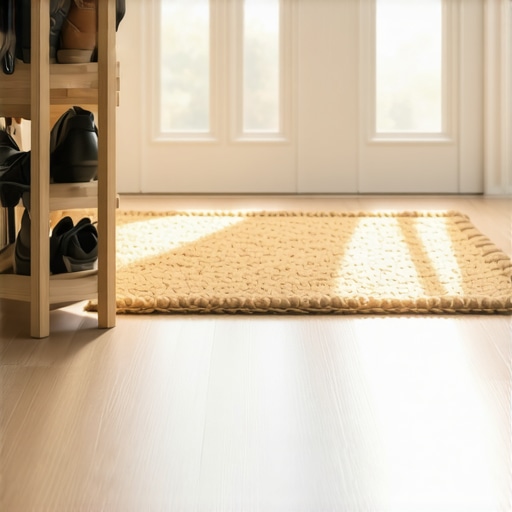
I still remember the Tuesday afternoon I finally snapped. It had been raining for three days straight, and between my boots and my dog’s paws, my entryway looked less like a home and more like a swamp. I’d just bought this beautiful cream-colored rug—total rookie move, by the way—and it was covered in dark, gritty streaks. I spent my entire Saturday morning on my hands and knees, frantically searching for how to lift muddy paw prints without making the mess worse. That was my lightbulb moment. I realized that I was working way too hard because I didn’t have a system. I was letting the mud win all week and trying to stage a counter-attack on the weekend. Today, I’m going to share the dead-simple, five-minute habit that keeps my floors pristine even during a monsoon, so you never have to face a ruined carpet again. [image_placeholder]
Stop the Sludge Before It Hits Your Living Room
The biggest mistake I made early on was thinking I could just “clean as I go” without a specific landing zone. If you don’t contain the mess at the door, it travels. It hitches a ride on socks, pets, and grocery bags, eventually requiring a full daily house cleaning routine just to keep up. I used to ignore the small piles of dried dirt near the mat, thinking they weren’t a big deal. Big mistake. According to a study by the University of Arizona, the average pair of shoes carries about 421,000 units of bacteria on the outside, which is why stopping grime at the threshold is so critical. By spending just five minutes on a proactive “entryway reset” every evening, you’re not just cleaning; you’re protecting your home’s foundation. Have you ever felt like you’re losing a losing battle against the dirt the second you walk through the door?
Does five minutes really stand a chance against real-world grime?
I know what you’re thinking. Five minutes sounds like a “Pinterest hack” that doesn’t actually work when you have kids, pets, or a life. I was skeptical too. But the secret isn’t a deep scrub; it’s about managing the “Active Zone.” When I stopped trying to deep clean every day and focused on three specific touchpoints, everything changed. If you’ve already had a disaster, don’t panic—there are ways to lift mud stains from carpeting without scrubbing and ruining the fibers. But wouldn’t you rather just keep the mud from getting there in the first place? Let’s break down exactly what those five minutes look like and why they are the most important minutes of your day.
Kick the Dirt Habit at the Doorstep
The secret to a permanently clean floor isn’t a better vacuum; it’s a better defense. Think of your entryway as a customs checkpoint. Nothing enters without being cleared. Last October, when my dog Jasper decided a mud puddle was his new best friend, I avoided a massive professional bill because my staging area was already set. I grabbed my pre-positioned microfiber cloth and caught him before a single paw touched the rug. This isn’t just about appearance; it’s about health. If you’ve ever wondered is steam cleaning enough to kill bacteria on high-touch surfaces, the answer is often yes, but prevention is much cheaper and more effective for daily life. 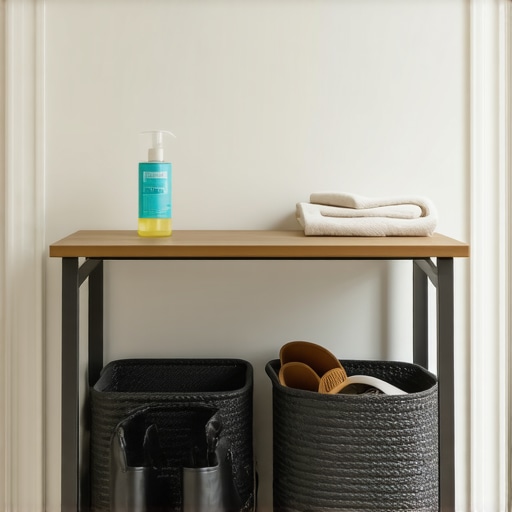
Treat Your Mat Like an Airport Tarmac
Your floor mats are the unsung heroes of effective house cleaning secrets from cleaning experts. I use a double-mat system: a heavy-duty scraper mat outside and a soft, absorbent one inside. Every evening, I take exactly sixty seconds to shake them out. If you leave the grit on the mat, the next person to walk in just grinds it deeper into the fibers. It’s like trying to filter water through a dirty sponge; eventually, the sponge becomes the source of the problem. If your interior mats are looking tired, don’t forget that upholstery cleaning tips for a fresh home revival often apply to high-quality entry rugs as well, helping you maintain that plush feel without a full replacement.
Wipe the Hidden Grime from the Tracks
While focusing on the floor, most people ignore the thresholds and door tracks. Dust and pollen settle here, and when the wind blows or the door opens, that debris is sucked straight into your living room. I learned this the hard way during a move-out inspection where I almost lost my deposit over a gritty door track. Using the window track cleaning hack you actually need for a move-out—using a sponge notched to fit the rail—keeps these areas from becoming mud-factories during rainstorms. It’s a sixty-second task during your evening reset that saves hours of scrubbing later.
Make Your Sanitizing Routine Automatic
Finally, the Active Zone reset includes your door handles and light switches. These are the highest-touch areas in your home, and they are usually the stickiest. I keep a small bottle of gentle disinfectant near my keys. A quick spritz and a wipe prevents the buildup of skin oils that eventually attract dust and turn into that dark, greasy film. By making this part of your entry ritual, you are implementing house cleaning strategies for a sparkling home today that pay off in long-term hygiene and significantly less weekend labor.
The Sticky Trap of Using Too Much Soap
Everyone thinks the secret to a spotless home is a collection of high-powered sprays, but that’s actually the first trap. I used to be a “more is better” cleaner until I realized that excessive product is what makes carpets and sofas look dull. When you douse a stain in detergent, you’re often leaving behind a sticky residue. This residue acts like a magnet for every piece of dust that floats by. It’s a vicious cycle: you clean more, the spot gets darker, and you wonder why your ultimate upholstery care guide for lasting freshness isn’t working. The reality? Less is almost always more. According to a report by the Cleaning Industry Research Institute, improper extraction leaves behind high-pH residues that significantly accelerate re-soiling. This is why learning how to treat s-coded upholstery fabric without ruining it is so vital—it’s about chemistry, not just scrubbing.
Why Heat is the Enemy of a Fresh Fabric
Here’s a warning I wish I’d known before I ruined my favorite linen chair: never use heat to dry a fresh spill. I see people reach for a hairdryer or use steaming hot water on everything, thinking they are sanitizing. In reality, heat “cooks” proteins in organic stains like food or blood, bonding them to the fiber forever. That’s why you should never use hairdryers on wet fabric spills—it turns a temporary mess into a permanent part of your decor. If you are moving out, this becomes even more critical. You might think you’re being thorough, but using the wrong temperature can lead to damage that costs you your security deposit. It’s much better to stick to move-out cleaning strategies to secure your deposit that prioritize fiber safety over brute force.
Why does that mystery spot keep coming back to haunt your carpet?
If you’ve ever cleaned a spot only to see it reappear three days later, you’ve experienced “wicking.” This happens when the liquid has soaked deep into the backing or pad. As the surface dries, the moisture from below travels up the fibers, bringing the dirt along with it. 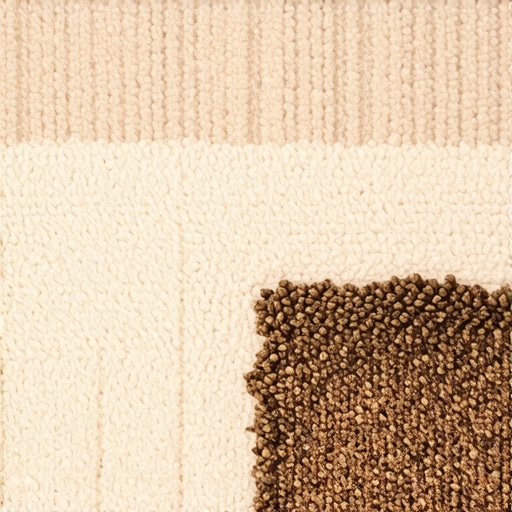 To stop this, you need to use weighted towels to absorb the moisture from the deep layers. Most people skip this and then wonder why their sanitizing secrets for a safer house in 2025 aren’t quite enough to handle deep-set issues. In the world of sanitization, another common myth is that more contact time always means more germs killed, but without removing the “biofilm” first, you’re just disinfecting the top of the dirt. This is a common pitfall when people try sanitizing hacks for safe house transitions. You have to clean the surface with a detergent before applying a sanitizer, otherwise, the bacteria hide under the grease. Have you ever fallen into this trap where a stain comes back after you thought it was gone? Let me know in the comments. If you’re struggling with a stubborn area, don’t hesitate to contact us for professional advice.Once you’ve mastered the chemistry of stains, the next hurdle is the gear. I’ve spent years trying every gadget on the market, from vibrating mops to industrial-grade steamers, but the truth is that your results are only as good as your maintenance routine. If you aren’t caring for your tools, you aren’t actually cleaning; you’re just moving dirt from one room to another. This is a hard truth I learned when I realized why your vacuum filter is actually spreading dust around your home rather than trapping it. If that filter is clogged, the motor works harder, the suction drops, and you’re essentially just blowing microscopic allergens back into your face. I now swear by a sealed-system HEPA vacuum and I wash the filters every single month—no exceptions.
The Gear That Actually Saved My Sanity
For the upholstery and high-touch areas, I moved away from paper towels and generic rags long ago. I now use color-coded microfiber cloths with a high GSM (grams per square meter) count. These aren’t just for show; different weights are designed for different tasks. Using a heavy-duty cloth for ultimate upholstery care guide for lasting freshness means you’re actually lifting the oils from the fabric rather than just dampening them. 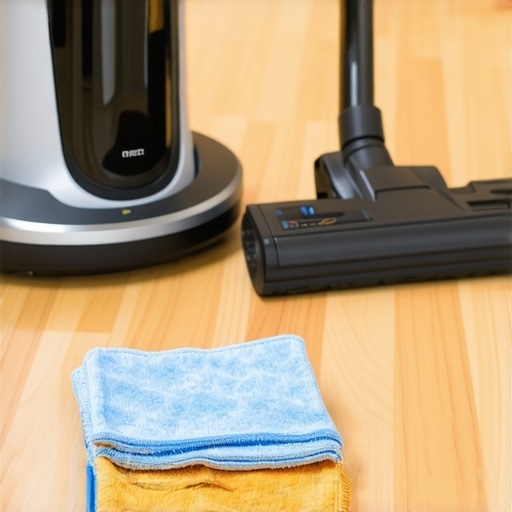 For those big transitions, like leaving a rental, having the right kit is the difference between getting your money back and losing it. I’ve refined a move-out clean checklist to simplify your transition that focuses on high-impact tools, like a simple utility knife and a sponge for window tracks. According to the IICRC (Institute of Inspection Cleaning and Restoration Certification) S100 Standard, professional-level soil removal is dependent on a precise balance of chemical, heat, agitation, and time (the C.H.A.T. principle). By using high-quality microfiber and consistent agitation, you’re hitting those professional benchmarks right at home.
How do I maintain professional-level results over time?
The biggest secret to long-term success is the “Batch and Scale” method. I don’t wait for the whole house to get dirty. I focus on one high-traffic system a week. One week is for the floors, the next is for effective sanitizing methods for a germ-free home on all handles and electronics. This prevents the overwhelming feeling of a “deep clean” day. If you’re preparing for a big move, you can use move-out cleaning hacks ensure your deposit refund by starting these small batches two weeks before your move date. Looking toward the future, I predict we’re going to see a massive shift toward AI-integrated sensors in home cleaning tools—think vacuums that tell you exactly which bacteria are present or steamers that adjust temperature based on the specific fiber type they detect. Until then, the best way to stay ahead is to how to schedule a deep clean that actually lasts more than a week by sticking to a rigid tool-maintenance schedule. I want you to try one thing this week: go pull the filter out of your vacuum. If it’s grey or brown, wash it or replace it. You’ll be shocked at how much faster your house cleaning strategies for a sparkling home today actually work when the equipment isn’t fighting you.
The Hardest Lesson I Learned About Chasing Perfection
One of the biggest lightbulb moments for me was realizing that I was often the one creating the mess by over-cleaning. I used to think a fresh scent meant a clean surface, but I was just layering perfumes over bacteria. The real win came when I shifted to effective sanitizing methods for a germ-free home that focus on removal rather than just masking. I also learned that if I didn’t address a spill immediately with the right temperature, I was essentially permanent-marking my own furniture. Why you should never use hot water on a fresh blood stain is a rule I now live by to avoid those heartbreaking permanent marks. My favorite trick to avoid spreading germs is how to stop cross contamination while cleaning the bathroom by using a strict one-cloth-per-zone policy.
The Small Kit That Makes a Big Difference
You don’t need a closet full of chemicals. My daily success comes down to a few high-quality items and a solid plan. If you are preparing to switch homes, I cannot recommend this move-out clean checklist to simplify your transition enough—it keeps you from spinning your wheels on tasks that don’t matter. I personally trust my HEPA vacuum more than my coffee maker, especially since I discovered why your vacuum filter is actually spreading dust around your home when it is neglected. Keep a stack of high-GSM microfiber cloths and a simple spray bottle; it handles 90% of what life throws at you.
Take Back Your Weekends One Step at a Time
Cleaning shouldn’t be a punishment for living your life. It’s about creating a space where you can actually breathe and relax. By implementing a daily house cleaning routine to maintain perfection, you’re not just scrubbing floors; you’re buying back your Saturday mornings. Don’t feel like you have to master everything today. Start with the entryway, then the upholstery, and soon the whole house will feel lighter. [image_placeholder_final]
I’m curious—what’s the one area of your home that always seems to attract the most grime no matter how often you clean it? Let me know in the comments below!