
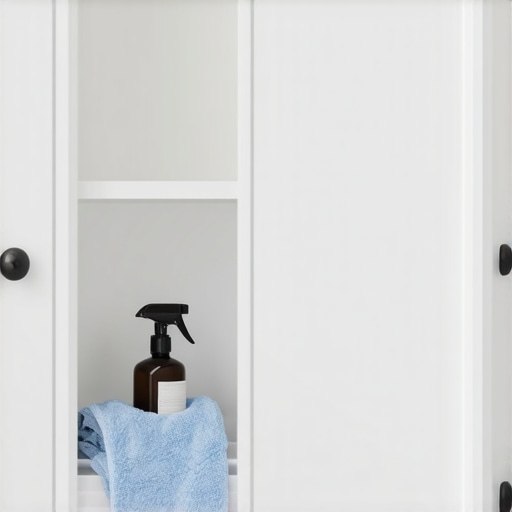
I stood there with a stack of freshly laundered linens, ready to start my new life in a beautiful sun-drenched flat, only to realize the hall closet smelled like a gym locker from 1994. It’s a classic mistake. We look at the shiny kitchen counters and the scrubbed toilets, but we forget that closets are essentially sealed time capsules of the previous tenant’s habits. I once made the massive error of assuming a quick wipe-down with a damp rag was enough for a bedroom closet. Spoiler alert: it wasn’t. Three days later, my favorite wool coats smelled like stale cigarette smoke and wet dog. I learned the hard way that a closet isn’t just a storage box; it’s a part of the home’s breathing system. If the previous occupant didn’t follow a proper move-out clean checklist, you are basically moving your wardrobe into a dust-filled tomb. Today, I’m sharing the exact steps I use to ensure every nook and cranny is safe for your belongings. We’re going to talk about the often-ignored grime that hides on top of closet rods and the mold spores that love dark corners. Have you ever moved your clothes into a new place only to find yourself sneezing the next morning?
Stop letting hidden grime ruin your fresh start
Moving is exhausting. I get it. You just want to unpack and finally collapse onto your sofa. But if you don’t tackle those dark corners now, you’re essentially marinating your clothes in someone else’s legacy. According to the American Lung Association, dust mites and mold thrive in small, poorly ventilated spaces like closets, which can significantly impact your indoor air quality. I’ve found that sanitizing hacks for safe house transitions are most effective when you start with a totally blank canvas. One year, I rushed the process and didn’t realize there was a sticky residue on the top shelf of the pantry closet. I put my dry goods right on top of it, and it attracted ants within forty-eight hours. Since then, I treat closets with the same intensity as the bathroom. You really have to get in there and scrub the walls, not just the floors. If you are also looking at your kitchen storage, you might want to check out the checklist for deep cleaning your pantry because the principles of hygiene are identical.
Is deep cleaning the closet actually worth the effort?
You might think I’m being a bit extra. It’s just a closet, right? Wrong. Closets are the ultimate silent offenders. They hold onto odors and allergens that regular air fresheners can’t touch. I’ve learned some effective house cleaning secrets over the years, and the biggest one is that if you don’t kill the bacteria at the source, it will spread to your fabrics. Think about it: your clothes are porous. They soak up the environment. By the time you realize the closet is dirty, your whole wardrobe needs a trip to the dry cleaners. I once spent a fortune reviving my suits because I was too lazy to spend twenty minutes with a vacuum and some vinegar. Don’t be like past me. Let’s get these spaces actually clean so you can unpack with total peace of mind.
Start with the ceiling to prevent falling debris
Cleaning a closet is like detail-cleaning a car engine; if you leave one dusty corner at the top, gravity will eventually ruin all your hard work on the bottom. I learned this the hard way during a move in mid-July. I had spent an hour scrubbing the floor only to wipe down the top shelf and watch a cloud of ‘mystery gray fuzz’ settle right back onto my clean boards. It was infuriating. Now, I follow the golden rule: why professional cleaners always start at the top of the room. Take a vacuum attachment to the ceiling corners first. You aren’t just looking for cobwebs; you’re removing dormant dust mites that wait for a vibration to drop onto your favorite sweaters.
Kill the bacteria living on your shelves
Once the ceiling is clear, focus on the shelves. This is where most people just do a ‘swipe and hope.’ Instead, you need effective sanitizing methods for a germ-free home. I once moved into a studio where the shelves looked clean but felt slightly tacky. I ignored it, and within a week, my white t-shirts had yellowed stains where they touched the wood. That ‘tacky’ feeling was actually a build-up of old hairspray and skin oils from the previous tenant. I now use a mixture of warm water and a drop of dish soap to cut through the oils, followed by a disinfectant. Think about the closet rod too; it’s a high-touch surface we never think about. Every time the previous person hung up a coat, they touched that rod. For those moving into older homes, implementing sanitizing secrets for a safer house in 2025 is the only way to ensure you aren’t inheriting someone else’s bio-legacy. Breaking down that biofilm is non-negotiable if you want your clothes to stay fresh.
The floor is more than just a surface for shoes
By the time you reach the floor, you might be tempted to just run a vacuum and call it a day. Don’t. Closets are notorious for trapping moisture, especially in the corners where the baseboards meet the floor. I once found a patch of black mold the size of a quarter hiding behind a loose piece of trim in a hall closet. If I hadn’t been down on my hands and knees with a flashlight, I never would have seen it. Use a crevice tool to get deep into the tracks. If you notice your equipment isn’t picking up everything, consider why your vacuum filter might be making your allergies worse. A clogged filter just blows the closet’s ‘legacy dust’ right back into the small, confined space. Finally, tackle the scuff marks from old boots. You can usually remove scuff marks from baseboards without using chemicals by using a simple melamine sponge. This small detail makes the closet feel brand new rather than just ‘used but wiped.’ Taking these extra ten minutes ensures that your wardrobe starts its life in your new home in a truly sterile environment.Everyone tells you that a splash of white vinegar is the ultimate eco-friendly disinfectant, but in my experience, that’s a dangerous oversimplification when tackling a move-in deep clean. While it’s great for glass, the reason why vinegar is not always the best choice becomes immediately clear when you are dealing with the protein-based grime or ancient skin oils left behind by a previous tenant. Vinegar is an acid, not a surfactant. It lacks the chemical structure to actually lift the ‘bio-grease’ that acts as a glue for dust and bacteria. According to a study published in the Journal of Applied Microbiology, some common household pathogens can survive for weeks in a dry environment if they are protected by a persistent biofilm. To truly sanitize, you need a solution that breaks that surface tension first. This is where house cleaning strategies for a sparkling home today focus on dual-action cleaning: first emulsify the organic matter, then apply your disinfectant for a real kill-rate.
Why does that ‘old house smell’ stick around after scrubbing?
If you’ve bleached every shelf and the air still feels heavy, the culprit is often the porous nature of the building materials themselves. Drywall, unsealed wood, and cheap shelf liners act like sponges for VOCs (Volatile Organic Compounds) and old tobacco smoke. If you simply wipe the surface, you’re just temporarily dampening the residue while the odor molecules remain trapped in the fibers below. This is the ‘Oops’ factor many DIY cleaners hit—they assume if a surface looks clean, it is sterile. I once made the massive mistake of soaking a wood-veneer shelf trying to eliminate a musty scent, only to have the fiberboard swell and crumble within hours. You have to be incredibly careful with your moisture levels; the same logic behind why your steam mop might be damaging your laminate floors applies to your shelving. Moisture trapped in a dark, poorly ventilated closet is a recipe for a secondary mold bloom. If your closet features a built-in bench or any fabric elements, you must pivot to an ultimate upholstery care guide for lasting freshness to pull those deep-set odors out of the padding rather than just masking them. Another advanced trap is cross-contamination through cleaning tools. If you use the same microfiber cloth for the baseboards that you used for the hanging rods, you are simply redistributing invisible mold spores. Many people clean an entire room using a single bucket of water, failing to realize why your mop bucket is spreading more dirt than it removes as the water turns gray. For a truly professional result, use a two-bucket system or a stack of fresh cloths, and always move from the cleanest zones to the dirtiest. Have you ever fallen into this trap of over-cleaning one spot only to ruin the material or spread the mess elsewhere? Let me know in the comments.
Stop buying tools that just move the dirt around
I’ve spent years testing every gadget on the market, and I can tell you that most ‘convenient’ cleaning tools are just fancy ways to spread dust. If you are serious about maintaining a sanitized home, you have to invest in a vacuum with a certified HEPA seal. I learned this when I realized why your vacuum is blowing dust back into the air every time I tried to clean the closet corners. If the air coming out of the exhaust smells like ‘dust,’ you aren’t cleaning; you’re just filtering the large particles and aerosolizing the allergens. I personally swear by a sealed-system canister vacuum because it allows me to get into those high shelving tracks without the weight of an upright. Also, pay attention to your floor attachments. I’ve seen so many people ruin their finishes because they didn’t realize why your vacuum brush roll is ruining your hardwood floors. You need a dedicated soft-parquet brush for closet floors to ensure you aren’t scratching the wood, which creates tiny grooves where new bacteria can hide.
How do I maintain this level of clean without losing my mind?
Maintenance isn’t about a six-hour Saturday scrub; it’s about a daily house cleaning routine to maintain perfection. I focus on the ‘ventilation path.’ If your closet feels stuffy, check the ceiling. You should definitely know why you should clean your bathroom exhaust fan every month, but this logic applies to any HVAC return near your dressing area. Dust travels. If the air isn’t moving, the dust settles on your fabrics. I also recommend a quarterly rotation of your hanging items. This prevents ‘dead zones’ where silverfish or moths might find a quiet, undisturbed corner to settle in. For those with built-in seating or velvet-lined jewelry drawers, following upholstery cleaning tips for a fresh home revival every few months will keep the fabric from absorbing skin oils that eventually turn rancid. According to the IICRC S300 Standard for Professional Upholstery Cleaning, the physical removal of dry soil is the most critical step before any liquid cleaning happens—so vacuum those closet benches before you ever think about a spray bottle. I predict that in the next few years, we’re going to see a massive shift toward ‘probiotic’ cleaning sprays that leave behind ‘good’ bacteria to outcompete the odor-causing ones in these small spaces. It’s a much more sustainable way to live than constantly nuking our homes with harsh chemicals. My challenge to you: tonight, grab two fresh microfiber cloths and try the two-cloth method for streak-free windows on your closet mirrors or glass shelving. You’ll be amazed at how much brighter the space feels when you remove that invisible film of old cleaning product residue.
I used to think that as long as the shelves looked white and the floor was swept, my closet was ready for my expensive linens. I was wrong. The hardest lesson I learned about house cleaning is that odors don’t just float; they embed themselves. If you are following the move-in checklist for every first-time apartment renter, you have to look beyond the surface. One lightbulb moment for me was realizing that the dust on top of a closet rod is actually a mix of skin cells and fabric fibers from the person who lived there before you. It sounds gross because it is. Another realization was that sanitizing the ‘touch points’ like the light pull-cord or the door handle is just as important as the floor itself. Finally, I learned that a closet needs to be ‘reset’ to a neutral pH before it can actually smell clean. This isn’t just about aesthetics; it’s about starting your new chapter without the literal baggage of the past.
The essential tools that never leave my cleaning kit
When I’m tackling a high-stakes move, I don’t reach for the latest viral gadget. I stick to a toolkit that has never failed me. First, a high-filtration vacuum is non-negotiable because move-out cleaning hacks only work if you are removing the soil rather than redistributing it. I also swear by 300 GSM microfiber cloths; their density allows them to trap bacteria that a paper towel would simply push around. I personally trust the IICRC standards for cleaning, which emphasize that heat and dwell time are your best friends when dealing with mystery residues. If you are dealing with built-in storage benches, I always refer back to upholstery cleaning tips for a fresh home revival to ensure the fabric doesn’t trap old allergens. These tools aren’t fancy, but they are the difference between a house that looks clean and a house that is truly sanitized.
#IMAGE_PLACEHOLDER_E#
You deserve a home that breathes with you
Unpacking is the most satisfying part of moving, but that satisfaction only lasts if you know your belongings are safe. By taking these extra steps, you aren’t just doing house cleaning; you are performing an act of self-care for your future self. When you hang your clothes in a space you’ve personally vetted, you eliminate that underlying anxiety about ‘old house smells’ or hidden mold. The effort you put in today creates a foundation for a healthy daily house cleaning routine to maintain perfection in the months to come. Don’t be afraid to take the extra twenty minutes to scrub that last corner. You’ve worked hard for this new start, so make sure it’s a truly fresh one. Have you ever found a mystery stain or smell in a new closet that made you rethink your move? Let me know in the comments below!