
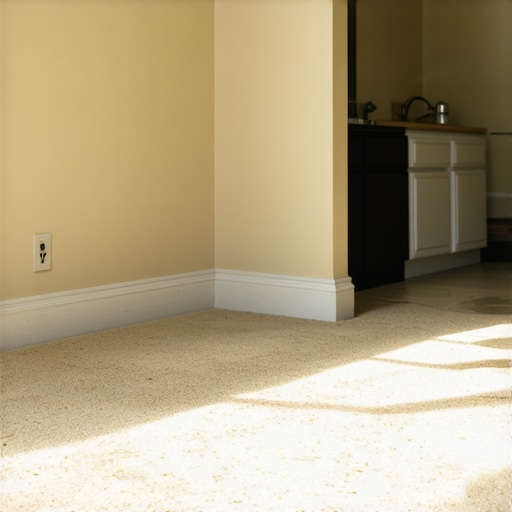
I stood in the middle of my empty apartment, smelling the faint scent of lemon-scented spray, feeling pretty smug. I’d spent three hours cleaning. Three weeks later, my former landlord sent me a check for half of what I expected. The culprit? Dust on the ceiling fan blades and a grimy oven. I was livid. But honestly? I was also wrong. I had made the classic mistake of thinking a surface wipe was enough to satisfy a professional inspection.
My Expensive Lesson in Being Almost Clean
The truth is, most of us treat move-out cleaning like we’re just tidying up for a party. But your landlord isn’t a guest; they’re an auditor. I learned that the hard way when I left behind a tiny bit of soap scum in the shower. I thought it was no big deal. The cleaning service they hired to fix it cost me $150. That’s when I realized that move-out clean strategies are entirely different from your daily house cleaning routine. Today, I’m going to share exactly how to stop bleeding cash during your transition. [IMAGE_PLACEHOLDER]
Is the system rigged against your deposit?
It’s easy to feel like landlords just want to keep your money, and let’s be real, some do. But often, the cleaning fee is a flat rate they charge the moment they find one missed spot. If you don’t use move-out cleaning hacks to ensure a spotless finish, you’re basically handing them a blank check.
Stop Ignoring the High-Traffic Zones That Cost You Cash
One of my earliest failures was the kitchen. I cleaned the counters, sure, but I completely ignored what your move-out inspector is really looking for in the kitchen. They are checking for grease on the range hood and crumbs inside the drawers. In fact, a report by the National Association of Realtors suggests that cleanliness is the primary reason for deposit disputes. I also learned that if you have furniture included in your lease, neglecting upholstery cleaning is a fast track to a damage fee. Have you ever lost money on a deposit for something you thought was totally clean? It’s frustrating, right? Let’s make sure it never happens again by diving into the specific spots you’re probably missing.
Why the Kitchen is Where Deposits Go to Die
I used to think my kitchen was clean until I pulled the stove out just two inches. The amount of petrified pasta and grease living in that gap was enough to fail anyone. You have to learn how to clean the space between the stove and countertop if you want that deposit back. It’s like the Bermuda Triangle of crumbs. Another major red flag is the ventilation. If you look up and see yellow drips, that is grease. Learning the secret to cleaning greasy range hood filters will save you from a ‘deep clean kitchen’ fee, which is usually three times the cost of a bottle of degreaser. I remember spending an entire Saturday scrubbing my first apartment’s range hood with a toothbrush because I didn’t have the right products; now, I just soak them and watch the gunk slide off.
Hit the Hidden Spots with These Sanitizing Hacks
Think of sanitizing like a final layer of insurance. Landlords love seeing a home that feels fresh, not just tidy. Using effective sanitizing methods for a germ-free home means hitting the light switches and door handles. I once lost money because of ‘visible grime’ on a light switch in the hallway. Since then, I’ve mastered the best method for cleaning grimy handprints off painted walls without taking the paint off with it. It is about a gentle touch and the right microfiber cloth. If you are rushing, you’ll leave streaks, and streaks look like dirt to an inspector.
Don’t Let the Furniture and Windows Betray You
If your place came furnished, the sofa is a ticking time bomb. Most people just spray some scent and call it a day, but that doesn’t remove the hair and skin cells that accumulate. There is a reason why professional cleaners always vacuum the sofa before wiping it. If you apply liquid to a dusty couch, you just create a muddy paste that sinks into the fibers. I made that mistake once on a microsuede chair and ended up with a permanent water ring that cost me a $200 ‘furniture restoration’ fee.
The Five Minute Track Trick
Finally, look down at your windows. Not the glass, but the tracks. They are magnets for dead bugs and black soot. Most people ignore them, but a savvy landlord will check. You can how to deep clean your window tracks in five minutes using just a vacuum attachment and a damp cloth. In the bathroom, don’t just rinse the tub. You need to know how to get rid of soap scum without harsh scrubbing to make the porcelain shine like it is brand new. If the shower looks dull, it looks dirty. Making it sparkle tells the inspector you actually cared for the property, which makes them less likely to nitpick the rest of the house.But here is the thing: caring too much—or rather, using too much of a good thing—can backfire. Most people assume that if a little cleaner is good, a lot is better. This is the biggest myth in the industry. In reality, over-saturating surfaces is how you end up with those stubborn streaks that scream ‘amateur’ to an inspector.
Why Drowning Your Sofa in Foam Destroys the Fabric
If you’re tackling the living room, resist the urge to soak every spot. I see people dump gallons of ‘miracle’ foam onto a cushion, thinking it will dissolve the stain. It won’t. It just pushes the dirt deeper into the batting. Following a proper ultimate upholstery care guide for lasting freshness means using the least amount of moisture possible. If you over-wet it, you’re inviting mold to grow inside the foam, and that’s a smell you’ll never get out. This is also why why you should never spray cleaning products directly on surfaces. Instead, spray your cloth. This prevents the liquid from seeping into sensitive electronics or the crevices of your furniture, which can cause ‘ghost’ stains or even electrical shorts.
Is Your 30-Second Wipe Actually Killing Any Germs?
This is the nuance that separates a basic tidy-up from professional sanitizing hacks for safe house transitions. Most people spray a disinfectant and immediately wipe it away. Here is the ‘Oops’ factor: most household disinfectants require a ‘dwell time’ of three to ten minutes to actually kill pathogens. A study by the Cleaning Industry Research Institute (CIRI) highlights that improper chemical use often leads to ‘soil attraction,’ where residue actually pulls more dirt into the surface shortly after cleaning. If you don’t let the product sit, you’re just moving the bacteria around with a wet rag. #IMAGE_PLACE_HOLDER_C#
The Residue Trap That Makes Your Floors Look Filthy
Have you ever mopped your floors only to have them look worse once they dry? It’s a common frustration. Usually, it’s because why your mop bucket is spreading more dirt than it removes. Once that water turns gray, you’re essentially painting your floors with diluted filth. This leads to the real reason your luxury vinyl plank floors look cloudy after you mop: chemical buildup. Landlords love to call this ‘neglect,’ even if you worked yourself to the bone. To avoid this, use a two-bucket system or change your water every time you finish a room. It sounds tedious, but it’s the difference between a sparkling finish and a cloudy mess that gets flagged during the walkthrough. These effective house cleaning secrets from cleaning experts aren’t about working harder; they’re about working with the chemistry of the products. Have you ever fallen into this trap of over-cleaning and making things worse? Let me know in the comments.I used to think that once I passed the move-out inspection, the job was done. But the real secret to never losing a deposit again—or just living in a home that doesn’t feel like it’s slowly decaying—is the equipment you keep in your utility closet. If you are using a ten-year-old vacuum with a clogged filter, you aren’t cleaning; you are just redistributing allergens. I learned this the hard way when my carpets still looked gray after two hours of work. I realized that why your vacuum isn’t picking up dirt like it used to often comes down to simple maintenance. I now swear by a HEPA-certified vacuum and a dedicated steam mop. These aren’t just ‘extra’ tools; they are the baseline for house cleaning strategies for a sparkling home today that actually last. If you have delicate surfaces, remember that why your vacuum brush roll is ruining your hardwood floors is a common tragedy that can be avoided with a simple height adjustment.
The Maintenance Routine That Saves Your Saturday
Most people treat cleaning like a marathon, but it should be a series of sprints. I’ve transitioned into a daily house cleaning routine to maintain perfection that focuses on high-impact areas for ten minutes a day. This includes a quick wipe of the kitchen sink, because why your kitchen sink is likely the dirtiest place in your home is a biological fact most people ignore. I also make it a point to check my appliances once a month. For example, knowing why you must clean the filter in your washing machine prevented a flooded laundry room last spring. It’s these small, proactive steps that separate an amateur from someone who treats their home like a professional asset.
How do I maintain my furniture and floors over time?
Consistency is your only real defense against wear and tear. For those with soft surfaces, I recommend following the ultimate upholstery care guide for lasting freshness at least once a quarter. This prevents the deep-set oils from skin and pets from bonding with the fibers. According to the Carpet and Rug Institute (CRI), nearly 90% of the soil in your home is dry particulate matter, which can be removed with high-frequency vacuuming before it ever becomes a ‘stain.’ If you wait until you see the dirt, it’s already causing abrasive damage to the material. I’ve started using a soft brush technique on my seating, specifically the best method for cleaning a microfiber recliner, to keep the nap looking plush rather than matted.
Looking Toward a Smarter and Cleaner Future
We are moving into an era where ‘smart’ cleaning is the norm. I predict that in the next few years, we will see a massive shift toward probiotic cleaners that continue to eat away at grime for days after you’ve finished wiping. Until then, you need to rely on proven effective house cleaning secrets from cleaning experts like the two-bucket mop method. It prevents that cloudy residue on LVP floors and ensures you aren’t just moving dirt from the kitchen to the bathroom. Don’t forget the tiny details either; the hidden grime on your dishwasher gasket and how to kill it is a five-minute task that can save you a $300 repair bill down the line. I want you to try one thing this week: go check your vacuum filter and your dishwasher gasket. If you’ve never cleaned them, prepare to be both horrified and inspired by how much better your home feels once they’re clear.
My Hard-Won Shifts in the Way I Approach Moving Day
After years of apartment hopping, I realized that cleaning for an inspection isn’t about the dirt—it’s about the psychological signal you send to the landlord. When an auditor sees a spotless grimy oven door window, they subconsciously decide you are a ‘low-risk’ tenant. This mental shift changed everything for me. I stopped scrubbing aimlessly and started focusing on the high-visibility details that prove I took care of the property. I also learned that smell is the first thing they notice; if the air feels heavy, they look closer for stains. If it smells like a fresh citrus grove, they tend to move through the rooms faster. Lastly, I always take ‘before and after’ photos with a time stamp. This simple act of documentation has saved me from at least three unfair cleaning deductions because I had proof of using move-out cleaning strategies to secure your deposit properly.
The Utility Closet Essentials I Never Leave Behind
I’ve ditched the generic all-purpose sprays for a more curated toolkit that actually works. First, a HEPA-certified vacuum is non-negotiable; it’s the only way to ensure the ‘dusty’ smell doesn’t return ten minutes after you finish. I also keep a digital copy of the best way to lift coffee stains from a white sofa bookmarked on my phone for those last-minute living room emergencies. I trust my microfiber cloth set over paper towels any day because they don’t leave behind lint that an inspector will flag as debris. Finally, I’ve started using probiotic cleaners for drains. These are life-savers because they keep eating away at organic matter long after you’ve handed over the keys, ensuring no weird smells greet the landlord the next morning.
Build a Home That Stays Ready for Anything
Moving is one of life’s most stressful transitions, but it shouldn’t be a financial burden. When you master these sanitizing secrets for a safer house in 2025, you aren’t just working for a landlord; you’re reclaiming your own peace of mind. Taking control of the process ensures that your hard-earned money stays in your pocket rather than paying for a cleaning service you could have handled yourself. Remember, a clean home is a reflection of a fresh start. Whether you are moving into a new space or handing back the keys to an old one, do it with the confidence that no hidden dust bunny or grease spot can stand in your way. Have you ever been blindsided by a cleaning fee you didn’t expect? Let me know in the comments below.