
Imagine this. Saturday morning, sun is streaming through the window, and I’m finally sitting down with my favorite book and a steaming mug of dark roast. Then, the cat jumps. The mug flies. My beautiful, pristine white sofa—the one I treat like a sacred relic—now looks like a topographical map of the Andes. I felt that pit in my stomach instantly. If you’ve ever stared down a brown splotch on your expensive upholstery, you know exactly what I’m talking about. I’ve been there, heart pounding, convinced I’d just ruined my living room forever. I spent hours researching upholstery cleaning tips for a fresh home revival, and honestly, most of the advice out there is either too chemical-heavy or just plain wrong. Today, I’m going to share the exact, gentle method I used to erase that stain completely. We’re going to tackle this together, neighbor to neighbor, so you can stop stressing and start relaxing on your sofa again. [image placeholder]
Stop the Panic and Put Down the Scrub Brush
When I saw that brown liquid soaking into the fibers, my first instinct was to grab a rag and scrub like my life depended on it. That was my biggest mistake. Friction is the enemy of white fabric. By scrubbing, I was actually driving the coffee particles deeper into the weave and fraying the delicate fibers of my sofa. According to the American Cleaning Institute, blotting is the only way to successfully manage a spill without causing permanent damage. If you want to keep your furniture looking new, you have to follow a specific ultimate upholstery care guide for lasting freshness. I learned the hard way that patience wins every time. Have you ever tried to ‘fix’ a stain only to make it twice as large? It’s a frustrating cycle, but it ends today.
Will this actually work on a white couch or just leave a giant yellow ring?
This is the number one fear I hear from friends. White fabric is notoriously unforgiving. If you use the wrong cleaner, you often trade a brown stain for a yellow chemical ring. However, the trick is in the pH balance of your solution. Coffee is acidic, so we need something to neutralize it without bleaching the fabric. I’ve found that even if you’ve had luck with how to lift red wine spills from a white sofa using only cold water, coffee requires a slightly different approach because of the tannins. I’m going to walk you through the layering technique that ensures the stain lifts up into your cloth rather than spreading out into the cushion. We are going to turn that ‘ruined’ sofa back into your favorite seat in the house.
Master the Lift and Transfer Technique
To get that coffee out, you need to think like a thief in the night—quick, quiet, and leaving no trace. Grab a white microfiber cloth. I cannot stress the white color enough; dyed cloths can bleed onto your sofa, and then you are fighting a two-front war. Blot from the outside of the stain toward the center. This prevents the puddle effect where the liquid migrates outward. I learned why you should never spray cleaning products directly on surfaces because it drives the moisture deep into the foam padding. Instead, spray your cloth. Think of the cloth as a magnet and the stain as iron filings; you want to pull the dirt out, not push it in.
The Soapy Secret to Lifting Tannins
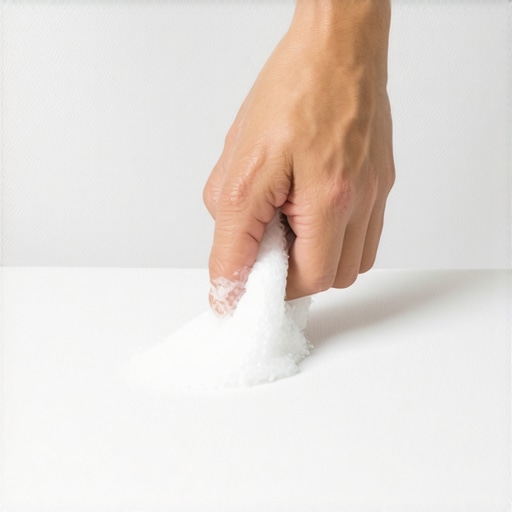
Mix one tablespoon of clear liquid dish soap with two cups of cool water. Avoid warm water at all costs. Heat is like glue for coffee tannins; it will bake the stain into the polyester or cotton fibers. If you are following effective house-cleaning secrets from cleaning experts, you know that the less is more rule applies here. You want the chemistry of the suds to do the heavy lifting, not the volume of liquid. 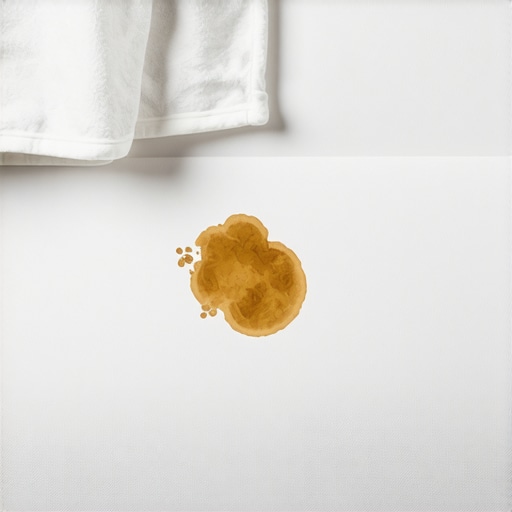
Stop the Moisture Before It Hits the Padding
Think of your sofa fabric like a thin skin. If you soak it, the internal components—the foam and wooden frame—get wet, which is the perfect recipe for mildew. This is very similar to the caution needed for how to clean a fabric headboard without getting it too wet. Dampen a small section of your cloth and press it firmly into the stain. Hold it for ten seconds. When you lift, you will see the brown transferring to the white fabric. Rotate the cloth to a clean spot and repeat. Patience is your greatest tool here.
The Time I Almost Drowned My Linen Armchair
Last summer, I tried to clean a small chocolate smudge on my guest room armchair. I was in a rush and poured a whole bowl of soapy water directly onto the spot. I thought the more soap I used, the cleaner it would be. Big mistake. Within an hour, the chocolate was gone, but I had a massive, gray-rimmed water stain that took three days to dry and never quite looked the same. It was a messy, expensive lesson in restraint. Now, I use the dry-damp-dry method to ensure the fabric stays taut and original.
Avoid the Yellow Ring with a Distilled Rinse
Once the color is gone, the job is not over. Leftover soap residue acts like a magnet for dirt, which is why your cleaned spot often looks darker a week later. Use a fresh cloth dampened with just a bit of distilled water to rinse the area. This is a core part of a daily house cleaning routine to maintain perfection. If you are doing this as part of move-out cleaning hacks ensure your deposit refund, speed and thorough rinsing are your best friends. Finally, take a dry towel and press it into the spot with all your weight to suck out every last drop of moisture.
Once you’ve successfully lifted the visible color, it’s tempting to call it a day, but this is where most DIYers fail the ‘expert test.’ People often assume that if a stain is gone, the fabric is clean and safe. In reality, you’ve only addressed the aesthetics. If you’re dealing with a spill that could harbor bacteria—like a spilled latte with milk or an accidental pet mess—you need to shift from cleaning to sanitizing. I’ve seen so many people follow effective sanitizing methods for a germ-free home but apply them incorrectly to upholstery, leading to crunchy fabric or localized bleaching. The nuance here is that ‘sanitized’ doesn’t always mean ‘soaked in bleach.’ In fact, over-applying harsh disinfectants can break down the fire-retardant coatings on modern furniture.
The Vinegar Myth That Might Be Ruining Your Surfaces
Let’s talk about a major industry secret: vinegar is not the miracle worker everyone says it is. While it’s great for some things, it is a weak acid that fails to kill many common household pathogens. If you are looking for sanitizing secrets for a safer house in 2025, you need to know that the CDC (Centers for Disease Control and Prevention) clearly distinguishes between cleaning (removing dirt) and disinfecting (killing germs). Using vinegar on a protein-based stain can sometimes set the odor permanently rather than neutralizing it. This is a common trap during a move-out cleaning strategies to secure your deposit session; you think you’re being ‘green,’ but you’re actually leaving behind biological residue that a professional inspector will smell the moment they walk in. I always recommend checking why vinegar is not always the best choice for granite countertops before you start splashing it around your kitchen and living room.
Can you truly sanitize a sofa without professional-grade chemicals?
The answer is yes, but it requires a ‘dry-first’ approach. Most people reach for a spray bottle immediately. However, you should why you should always vacuum your mattress before you sanitize it—and the same rule applies to your sofa. If you apply a liquid sanitizer to a dusty couch, you are simply making ‘sanitized mud’ that sinks into the cushions. To truly sanitize without ruin, use a fine-mist alcohol-based spray (at least 70% isopropyl) on a hidden patch first. Alcohol evaporates quickly, reducing the risk of mold. This is a level of detail often missed in a standard daily house cleaning routine to maintain perfection. 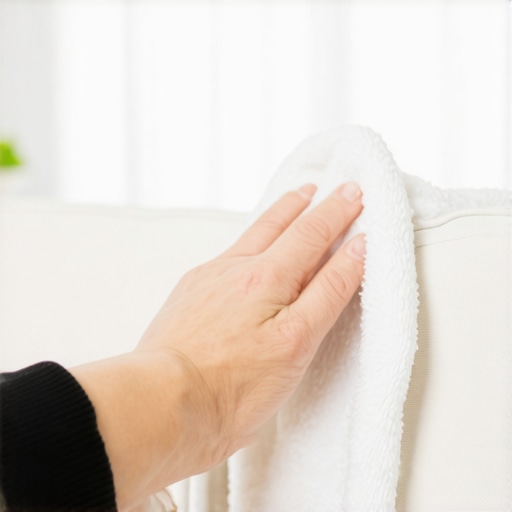
Don’t Let Steam Cook the Stain Into the Fabric
The ‘Oops’ factor I see most often is the premature use of a steam cleaner. Everyone thinks heat equals clean. But if you haven’t fully removed the tannins from that coffee or the proteins from a pet accident, the high-temperature steam will essentially ‘cook’ the stain into the fibers, making it permanent. You must verify why you should never use a steam cleaner on these specific upholstery fabrics before you even plug the machine in. If you’re preparing for a move, focusing on the wrong details can cost you your deposit. Beyond the sofa, remember the one spot behind the toilet that landlords check for your deposit and ensure you are addressing the hidden grime on your light switches and how to kill it. Have you ever fallen into the trap of using a tool that actually made the mess worse? Let me know in the comments below so we can troubleshoot it together!
Once you’ve navigated the immediate crisis of a coffee spill, the real challenge begins: keeping that surface pristine for years to come. I’ve realized that the ‘secret’ isn’t a magic spray; it’s a specific set of tools I keep in a dedicated upholstery kit under my sink. For me, the game-changer was a natural horsehair brush. Synthetic bristles are often too aggressive and can cause ‘pilling’ on delicate fabrics, which ruins the texture forever. I use the horsehair brush once a week to gently agitate the fibers before vacuuming, which is a key part of my ultimate upholstery care guide for lasting freshness. This simple habit prevents the ‘graying’ effect that happens when microscopic skin cells and dust settle deep into the weave. The IICRC (Institute of Inspection Cleaning and Restoration Certification) notes in their S500 standards that managing moisture and airflow is the most critical factor in preventing secondary damage like mold or mildew. I personally use a high-velocity small fan directed at any spot I’ve cleaned to ensure it dries in under four hours. If you are handling move-out cleaning hacks ensure your deposit refund, speed is your ally, but never at the expense of proper drying technique.
How do I maintain my sofa’s fresh look over time?
Consistency beats intensity every time. Instead of waiting for a disaster, I follow a daily house cleaning routine to maintain perfection. This includes a 30-second ‘pat down’ of the cushions to prevent them from flattening, something I detail in how to revive your flat couch cushions with this simple technique. By rotating the cushions monthly, you distribute the wear and tear, ensuring that one side doesn’t end up looking like a ‘sad pancake’ while the other stays plump. If you find yourself overwhelmed, knowing how to schedule a deep clean that actually lasts more than a week can save you hours of unnecessary labor later. 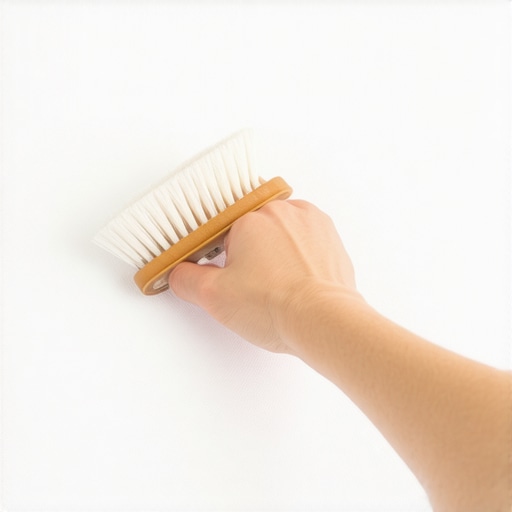
The Next Level of Home Sanitization
Looking ahead, I see a major shift toward UV-C light technology and high-efficiency HEPA filtration as standard home maintenance. We are moving away from the ‘spray and pray’ method of disinfection. In the coming years, expect to see more integrated sanitizing systems that don’t rely on liquids at all, reducing the risk of fabric degradation. This trend is already hinted at in sanitizing secrets for a safer house in 2025. I recommend investing in a vacuum with a certified HEPA seal now; it’s the only way to ensure you aren’t just blowing dust out the back of the machine and onto your clean sofa. If you want to keep your home truly safe, remember you must why you should always vacuum your mattress before you sanitize it. My final piece of advice? Go grab your vacuum right now and use the narrow upholstery attachment on the hidden crevices of your favorite chair. You’ll be shocked at what’s hiding in there!
Why Your Eyes Deceive You After Cleaning a Spill
One of the hardest lessons I learned is that the ‘invisible’ residue is often more dangerous than the initial stain. When I first started experimenting with upholstery cleaning tips for a fresh home revival, I thought if the brown spot was gone, the job was finished. I was wrong. If you leave even a trace of soap behind, it acts as a chemical magnet for every piece of dust and pet hair that floats by. Within a month, that ‘clean’ spot becomes a dark shadow. I also learned that speed is everything—the longer a liquid sits, the more it reacts with the fabric’s internal structure. Finally, never underestimate the power of a simple white cloth; I once used a yellow rag and ended up with a lemon-colored streak on my white linen that was harder to remove than the original coffee! If you find yourself in a pinch with different stains, sometimes the shaving cream trick for removing foundation stains from upholstery works surprisingly well too.
The Secret Weapons in My Cleaning Closet
I don’t believe in expensive, one-use gadgets. My personal toolkit is built on simplicity and effectiveness. First, the natural horsehair brush is non-negotiable; it lifts dirt without fraying the weave. Second, I swear by distilled water for the final rinse because tap water minerals can leave their own rings. Third, a high-velocity fan is your best friend to prevent that musty damp smell. I’ve incorporated these tools into my daily house cleaning routine to maintain perfection, ensuring my home stays guest-ready. These are the same effective house-cleaning secrets from cleaning experts that turn a stressful spill into a minor 10-minute task.
Don’t Be Afraid to Live on Your Furniture
At the end of the day, your home is a place for living, not a museum. Spills will happen, and now you have the skills to handle them. When you know how to revive your flat couch cushions with this simple technique and how to lift even the toughest tannins, you can finally relax with that cup of coffee. This peace of mind is essential, especially if you are looking for move-out cleaning hacks ensure your deposit refund or just want a cozy space for your family. Taking care of your upholstery is about preserving memories, not just fabric. Have you ever tried the blotting method and felt that wave of relief when the stain actually lifted? Let me know your biggest ‘sofa save’ stories in the comments below!