
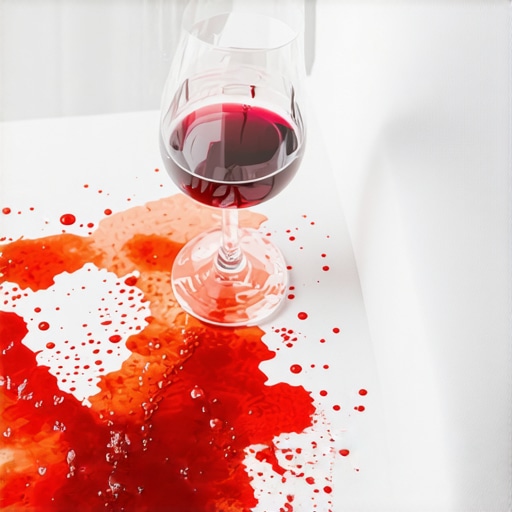
I remember the slow-motion horror of my brother-in-law tipping his glass of Cabernet right onto my brand-new, ivory linen sofa. It looked like a crime scene. My heart dropped. I had just finished reading about upholstery cleaning tips for a fresh home revival, but in that moment of panic, all logic vanished. I did exactly what you should not do: I grabbed a bowl of steaming hot water and started scrubbing like my life depended on it. I did not realize that heat acts as a catalyst for tannins. I basically dyed my sofa red. It took a professional and a lot of money to fix that first mistake. But today, I am going to save you that heartache. You do not need fancy chemicals or expensive sprays. In fact, if you use them wrong, you will end up needing a move-out clean checklist to simplify your transition sooner than you planned because your furniture is ruined.
Stop Reaching for the Soap and Listen to Me
The secret is not in the pantry; it is in the cold tap. When that spill happens, your instinct screams action, but the wrong action is worse than none at all. I learned the hard way that why you should never use hot water on a fresh blood stain applies perfectly to wine too—heat sets the pigment. According to the American Cleaning Institute, tannin-based stains like those in wine and fruit can become permanent if they encounter heat or soap before the pigment is lifted. That is why we are sticking to the basics. If you follow my lead, that white sofa will look like that spill never happened. Have you ever stood there, paper towel in hand, wondering if you are about to make a massive mistake? Tell me I am not the only one who has panicked over a spill!
Can plain water really beat a red wine stain?
It sounds like a myth, does it not? We have been told for years that we need salt, club soda, or specialized enzymes. While those have their place in my ultimate upholstery care guide for lasting freshness, the immediate first responder should always be cold water. The physics are simple: cold water dilutes the wine without cooking it into the fabric fibers. Before you try anything else, you need to understand the material you are working with. If you are dealing with delicate pieces, you might want to learn how to treat s-coded upholstery fabric without ruining it first. But for most white sofas, the cold water method is the hero we need. Let us get into the why and how so you can breathe again.
Ditch the Scrub Brush and Grab a White Cloth
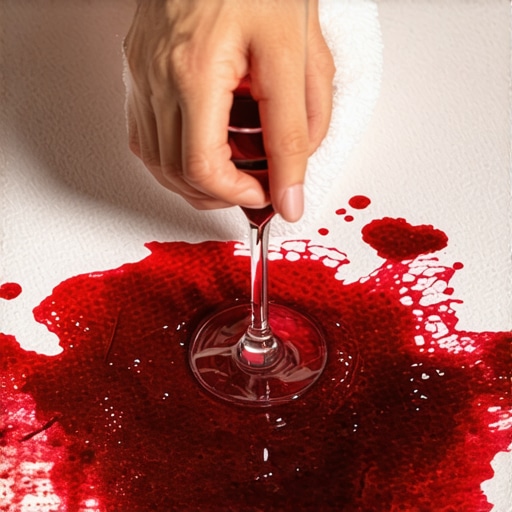
The first rule of stain combat is to act like a ninja: silent, swift, and precise. When the wine hits the fabric, your first mission is to remove the excess liquid before it migrates into the padding. I once tried to tackle a similar disaster on my neighbor’s cream ottoman using a sponge and a dollop of dish soap. I thought I was being a hero, but the circular scrubbing motion pushed the coffee particles deeper into the weave. By the time I was done, I hadn’t cleaned the spot; I had just made a larger, permanent beige halo. Now, I always reach for a clean, white microfiber cloth. The white color is non-negotiable; using a colored rag risks dye transfer, which creates a whole new nightmare. Press the cloth firmly into the spill. Do not wipe. Do not swirl. Blotting is like a heartbeat—press down to absorb, lift up to check, and repeat with a dry section of the cloth. This technique is remarkably similar to how to lift mud stains from white carpeting without scrubbing, where patience is the primary ingredient.
The Physics of Cold Water vs. Tannins
Once you have wicked up as much liquid as possible, it is time for the cold tap. Why cold? Heat is a binder for organic pigments. Think of it like an egg: once you apply heat, the proteins change structure and set. Red wine tannins react the same way. By using cold water, you keep the molecules moving freely so they can be lifted away. This is exactly the cold water secret for removing blood stains from linen that professionals swear by. Drip a small amount of cold water onto a fresh area of your white cloth and dab the edges of the stain first, working your way toward the center. This prevents the edges from ‘bleeding’ outward. If you are currently juggling a major home transition, incorporating these house cleaning strategies for a sparkling home today can make the difference between keeping your furniture and tossing it in a dumpster.
How to Handle the Damp Spot So it Does Not Turn Into a Ring
The most common mistake people make after successfully lifting the pigment is leaving the fabric too wet. As the water dries, it can pull dirt and dust from deep inside the cushion to the surface, creating a ‘water ring’ that looks like a ghost of the original stain. To avoid this, take a dry towel and sandwich the fabric. If the cushion is removable, put a towel on both sides and step on it. Your body weight provides the pressure needed to transfer the moisture out of the upholstery and into the towel. While you are at it, remember that moisture management is a key part of effective sanitizing methods for a germ-free home. Damp fabric is a breeding ground for bacteria, so ensuring it dries quickly is vital. I learned this the hard way after a ‘successful’ cleaning left my sofa smelling like a damp basement for a week because I didn’t extract the water properly. If you want to keep things hygienic, especially if you have pets, looking into how to lift muddy paw prints from a cream rug without spreading the dirt offers great parallels in moisture control. Proper drying is as much about sanitizing secrets for a safer house in 2025 as it is about aesthetics. You want a sofa that looks clean and is actually deep-down sanitized.
Now that we have successfully navigated the wine crisis, let’s dig deeper into the invisible layer of home care. Most of us think that once the spot is gone, the job is finished. However, there is a massive gap between a surface that looks clean and one that is truly sanitized. I used to be the person who sprayed a bottle of cleaner and immediately wiped it away with a flourish, feeling like a domestic warrior. But that flourish was actually my biggest mistake. We have been conditioned by commercials to believe in the ‘spray and wipe’ miracle, but real science tells a different story. If you want to master sanitizing hacks for safe house transitions, you have to embrace the pause.
Stop Wiping Away Your Disinfectant Immediately
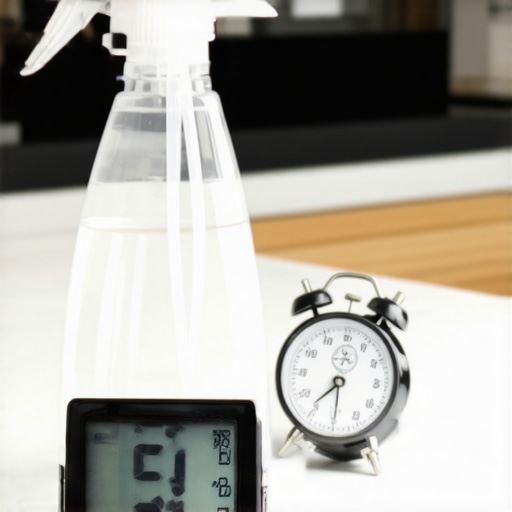
The biggest myth in house cleaning is that disinfectants work on contact. They don’t. Every EPA-registered disinfectant has a specific ‘dwell time’—the amount of time the surface must remain visibly wet to actually kill pathogens. According to the Environmental Protection Agency (EPA), many common household cleaners require a full three to ten minutes of wet contact to eliminate 99.9% of bacteria and viruses. When you spray and immediately buff it dry, you are essentially just giving the germs a bath and moving them to a new location on your cloth. This is a common pitfall when people are trying to follow a move-out clean checklist to simplify your transition; they rush through the final wipe-down and leave behind the very microbes they intended to kill. Have you ever fallen into this trap? Let me know in the comments.
Beyond the dwell time, there is a dangerous ‘oops’ factor when it comes to soft surfaces. I have seen homeowners drench their couches in harsh disinfectants thinking they are being thorough, only to realize they’ve caused permanent damage. If you over-saturate fabric to meet that ten-minute dwell time, you risk moisture seeping into the foam core. This leads to the phenomenon of why your fabric sofa still smells after using store-bought deodorizers—you’ve essentially created a mold-friendly swamp deep inside the cushions. This is why understanding the nuances of ultimate upholstery care guide for lasting freshness is so critical. You need to balance the chemical action with proper extraction and airflow.
Is steam cleaning actually enough to kill bacteria on high-touch surfaces?
It is a sophisticated question that often divides the pros from the amateurs. While high-temperature steam is a potent tool, its efficacy depends entirely on the temperature at the point of contact and the duration of exposure. If you move the steam wand too quickly, you aren’t actually reaching the thermal threshold required for sanitization. You can find more detail on this in my breakdown of whether is steam cleaning enough to kill bacteria on high-touch surfaces. For the average person, combining targeted effective sanitizing methods for a germ-free home with mechanical removal (vacuuming and blotting) is much safer than relying on heat alone, which can sometimes set stains or melt delicate fibers.
How to Spot the Grime Your Landlord is Hunting For
Finally, if you are cleaning because you are leaving, remember that ‘clean’ is a subjective term for landlords. Most people focus on the floors and counters, but the ‘nuance’ lies in the high-touch, low-visibility spots. I’m talking about the tops of door frames, the tracks of your sliding doors, and the interior of the dishwasher filter. These are the 7 hidden dust traps renters forget during move-out inspections that usually result in a lost deposit. By applying sanitizing secrets for a safer house in 2025 to these forgotten areas, you demonstrate a level of care that puts inspectors at ease. When the light switches and baseboards are sanitized and dust-free, the whole home feels different. Taking the extra five minutes to let your cleaner work—and hitting those hidden spots—is the difference between a ‘good enough’ job and a professional-grade finish that secures your refund through better move-out cleaning hacks to ensure your deposit refund.
Once you’ve mastered the art of the emergency wine-blot, you have to shift your focus from ‘crisis management’ to ‘lifestyle maintenance.’ I used to think a deep clean every six months was enough to keep my home healthy, but I was wrong. The secret to a truly pristine environment—the kind that makes you feel like you’re living in a high-end hotel—is the gear you use and the frequency of your small wins. I personally swear by high-GSM (grams per square meter) microfiber cloths. Unlike the thin, cheap rags from the dollar store, a 300+ GSM cloth has a dense weave that traps particles rather than just pushing them into the air. This is one of those effective house cleaning secrets from cleaning experts that changed my entire Saturday routine. Instead of dusting three times a week, I do it once, and the dust actually stays gone.
The One Tool That Actually Stops You From Moving Dust Around
I spent years wondering why your vacuum is actually spreading more dust around until I upgraded to a sealed HEPA system. If your vacuum doesn’t have a high-efficiency particulate air filter, you are essentially just vacuuming for the exercise. You suck up the heavy dirt, and the machine exhausts the microscopic allergens and dust mites right back into your face. According to the IICRC (Institute of Inspection Cleaning and Restoration Certification) S100 Standard, dry soil removal is the most critical step, accounting for nearly 80% of any successful cleaning job. If you aren’t removing that dry soil effectively, your wet cleaning efforts will always result in a muddy mess. This is why I always tell people that why your vacuum filter is actually spreading dust around your home is the first thing to check if your allergies are flaring up. Check your filters today; if they look like a grey sweater, replace them immediately.
How do I maintain my upholstery’s fresh look for years?
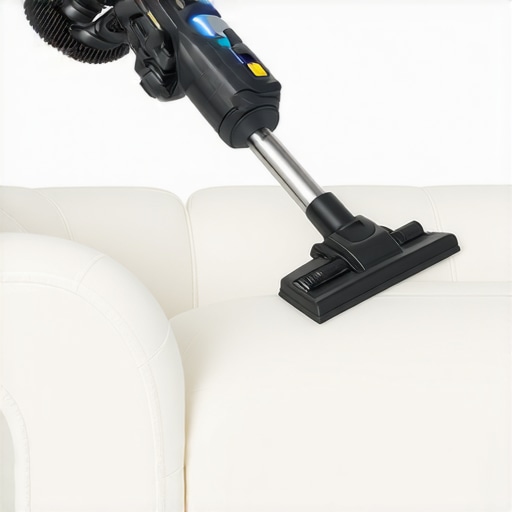
Maintenance is less about the big tools and more about the micro-habits. For my ivory sofa, I implemented a ‘no-shoes, no-jeans’ rule (jeans are notorious for dye transfer!), but the real game-changer was a weekly vacuuming of the cushions. Most people wait until they see crumbs to vacuum their furniture, but by then, the grit has already acted like sandpaper on the fibers. By following a daily house cleaning routine to maintain perfection, you prevent that abrasive wear and tear. If you are a pet owner, you know the struggle is even harder. I found that ultimate upholstery care guide for lasting freshness is impossible without a dedicated lint-lifter or a rubber squeegee to grab the hair that the vacuum misses. This proactive approach is the backbone of move-out cleaning strategies to secure your deposit because it prevents the deep-set damage that landlords charge for.
The Future of Home Sanitization Is Moving Toward Light
As we look toward 2025 and beyond, the cleaning industry is shifting away from heavy liquid chemicals and toward light-based technology. We are already seeing high-end air purifiers and vacuum heads incorporating UV-C light to kill pathogens on contact. I predict that in five years, we won’t be spraying our counters nearly as much; we will be using handheld LED sanitizers that disrupt the DNA of bacteria without leaving a chemical residue. This fits perfectly with the newer sanitizing secrets for a safer house in 2025 that focus on environmental health rather than just ‘bleaching everything.’ We are moving into an era where we clean smarter, not wetter. For now, focus on the tools you have. My biggest advice? Go check your vacuum’s motor filter right now—if you haven’t changed it in three months, that’s your first task for a cleaner home.
The Brutal Lessons Only a Red Wine Spill Could Teach Me
After years of trial and error, I have realized that the biggest hurdle to a clean home isn’t the mess itself—it is the rush to fix it. First, remember that natural does not always mean safe. I once used a lemon juice concoction on a silk blend and watched the fibers dissolve because I did not know how to treat s-coded upholstery fabric without ruining it properly. Second, frequency beats intensity every single time. If you wait for a seasonal deep clean to handle dust, you are already behind. Finally, respect the tool. A dirty vacuum is just a dust-relocation machine. If you do not clean your filters, why your vacuum filter might be making your allergies worse becomes a lived reality rather than a theoretical warning.
My Trusted Toolkit for Sustained Freshness
I do not believe in hoarding gadgets, but these four items have earned a permanent spot in my closet. I rely on high-GSM microfiber cloths because they actually trap the grime instead of pushing it around. For the detailed work, I use the toothbrush trick for removing pet dander from baseboard crevices, which is incredibly effective for those tight corners behind the cushions. I also suggest keeping a simple digital timer near your cleaning supplies; it is the only way to ensure your disinfectants hit that crucial ten-minute dwell time. To pull it all together, I follow a strict timeline, often referring to my guide on how to schedule a deep clean that actually lasts more than a week to ensure I am not wasting my energy on temporary fixes.
Take Control of Your Space Today
A clean home isn’t about achieving perfection; it is about the peace of mind that comes from knowing you can handle whatever life—or your brother-in-law—throws at your furniture. By mastering these upholstery techniques and slowing down your sanitizing process, you are not just cleaning; you are preserving your sanctuary. You now have the move-out cleaning hacks to ensure your deposit refund and the knowledge to keep your current home sparkling for years to come. Have you ever had a cleaning emergency where your first instinct actually made the problem worse? Let me know in the comments below!