
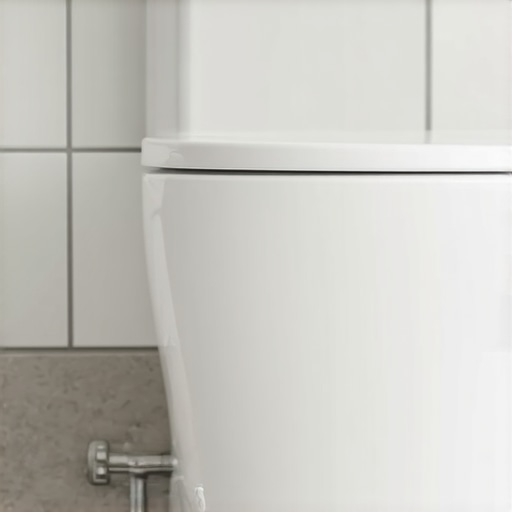
I’ll never forget the sinking feeling in my gut when my first landlord, a guy who looked like he’d never held a mop in his life, pointed out a dusty ‘fur’ growing behind the toilet tank. I’d spent twelve hours scrubbing that place until my fingers were pruned. I followed every move-out cleaning strategy I knew. I’d wiped the mirrors, mopped the tile, and even shined the faucet to a mirror finish. But that narrow, dark gap between the tank and the wall? I completely ignored it. That one mistake cost me a chunk of my deposit, and honestly, it felt like a personal betrayal. Today, I’m going to show you exactly how to tackle those hidden grime traps so you never lose a cent of your deposit again.
Stop Letting a Dusty Tank Ruin Your Refund
Most of us treat the bathroom like a quick surface job. We spray, we wipe, and we move on. But landlords are smarter than that. They know that the average person doesn’t want to get on their hands and knees to reach into the shadows. Using move-out cleaning hacks isn’t just about making things look pretty; it’s about eliminating the evidence of ‘neglect’ that allows property managers to justify keeping your cash. According to the National Fair Housing Alliance, security deposit disputes are one of the most common friction points between tenants and owners, often boiling down to the subjective definition of ‘clean.’ When a landlord sees a layer of dust on the water line or the floor bolts, they assume you haven’t been sanitizing properly throughout the lease.
Is one tiny missed spot really enough to lose my security deposit?
You bet it is. In the world of property management, cleanliness is binary—it’s either clean or it’s not. If they find a layer of grime behind the toilet, it sets a negative tone for the rest of the inspection. I once thought it was a myth until I saw a professional checklist that specifically highlighted spots behind the toilet as a priority. It’s the ultimate litmus test for a ‘deep clean.’ If you miss the obvious stuff, they’ll start looking closer at the specific spot under the bathroom sink as well. I’m here to make sure you don’t repeat my failure. Have you ever walked through a final inspection only to have the landlord find something you totally overlooked? It’s a gut punch, but it’s avoidable. We’re going to dive into the specifics of how to reach those impossible gaps without throwing your back out or needing specialized tools.Cleaning behind a toilet is like trying to change a tire through the tailpipe—it’s cramped, awkward, and requires a level of flexibility most of us haven’t had since middle school. To start, you need to abandon the standard spray bottle and paper towel routine. Those just push the dust into the corners. Instead, incorporating these house cleaning strategies involves using tools that extend your reach without straining your joints.
Grab the Right Tools for Tight Spaces
Don’t just reach back there with your bare hands. I once tried to scrub that dark void with just a sponge and ended up with a bruised wrist and a half-clean floor that still looked gray under a flashlight. Now, I use a ‘flossing’ technique. I wrap a damp microfiber cloth around a long, thin tool—like a yardstick or even a sturdy silicone spatula—and slide it back and forth. This ensures you’re actually lifting the grime rather than just smearing it against the drywall. If you are following a detailed move-out clean checklist, this is the part where you win or lose the game.
The Flossing Method for Narrow Gaps
Apply a cleaning solution directly to the cloth, not the wall. Sliding the cloth horizontally behind the tank catches the ‘fur’ that accumulates from toilet paper fibers and dust. I remember the first time I did this; the amount of gray sludge that came out on the first pass was honestly horrifying. It took three cloth swaps before the fabric came back white. This is the level of detail landlords look for when they often focus on the 7 spots behind the toilet that most tenants ignore.#IMAGE_PLACE_PLACEHOLDER_B#
Kill the Bacteria You Can’t See
It isn’t enough for the area to look clean; it has to be medically clean to pass a rigorous inspection. Bathrooms are breeding grounds for microscopic issues, so knowing how to stop cross-contamination while cleaning the bathroom is vital. You don’t want to use the same cloth on the toilet handle that you just used on the floor bolts. Using specific sanitizing hacks for safe house transitions ensures that the ‘clean’ smell isn’t just a chemical cover-up but a result of actual germ removal.
Detail the Floor Bolts and Base
Those plastic caps at the base of the toilet are magnets for hair and dried cleaning product. Use an old toothbrush dipped in a heavy-duty degreaser to scrub the threading of the bolts. In my last apartment, I thought I was done until I popped one of those caps off and found a literal ecosystem of gunk underneath. Cleaning that small detail took two minutes but likely saved me fifty dollars in ‘cleaning fees.’ When you finish, wipe down the entire base with a fresh cloth to ensure no streaks are left behind, as those are the first things a flashlight will catch during the final walkthrough.Most people believe that a heavy scent of pine or lemon means they’ve done a great job. I used to believe that too until I realized that a truly clean home shouldn’t smell like anything at all. In fact, if your vacuum is kicking up a dusty odor while you work, understanding why your vacuum filter is actually spreading dust around your home is a question you need to answer before you do another pass. Professionals don’t rely on heavy fragrances to signal cleanliness; they rely on physical extraction. If you’re just masking smells on the couch with a spray, the reason why your fabric sofa still smells after using store-bought deodorizers becomes obvious: the bacteria are still there, just wearing perfume. According to the American Cleaning Institute, ‘soil’ isn’t just dirt—it’s a complex mix of skin cells, oils, and microbial debris that requires mechanical removal, not just a chemical mist. To get that deposit back, you need to think like an extractor, not a decorator.
Avoid the Wetness Mistake on Upholstery
One of the biggest traps you’ll face is the ‘over-saturation’ error. People think more water equals more clean, especially when trying to impress a landlord with a fresh-looking sofa. But if you soak your upholstery, you’re inviting mold to move in before your security deposit check even clears. This is why I always suggest effective house cleaning secrets from cleaning experts like using dry-solvent methods for delicate fabrics. I’ve seen beautiful linen ottomans ruined and security deposits forfeited because someone used a hot steam mop on a fabric not designed for moisture. If you are dealing with ‘S’ coded fabrics, you must be extremely careful. Knowing how to treat s-coded upholstery fabric without ruining it is the difference between a professional result and a costly replacement bill.
Can a simple steam cleaner actually kill all the bacteria?
Many DIYers swear by steam for sanitizing, but there’s a nuance most miss: dwell time. If you just wave a steam wand quickly over a surface, you aren’t doing much more than humidifying the room. To truly disinfect and achieve a ‘germ-free’ status, the surface temperature must reach at least 175°F and remain there for several seconds. If you’re curious if your home unit is actually up to the task, checking is steam cleaning enough to kill bacteria on high touch surfaces will help you understand the limitations of consumer-grade equipment. In many cases, it’s safer to use a verified botanical disinfectant than to rely on ‘steam’ that isn’t hot enough to finish the job.
Don’t Forget the Invisible Fire Hazards
While you’re obsessing over the baseboards, remember that landlords are often looking for safety maintenance as much as aesthetics. Learning how to deep clean the interior of a dryer to prevent lint fires is a critical safety step that demonstrates you’ve cared for the property properly. It’s an advanced move that separates the ‘surface cleaners’ from the ‘deep cleaners.’ Similarly, you should never ignore the kitchen appliances. If the top of your refrigerator is sticky, an inspector assumes the oven is a mess too. Learning how to remove the sticky film on top of the kitchen fridge requires a degreaser that breaks down aerosolized cooking oils—soap alone won’t cut it. Using a comprehensive the move out checklist for people who want their full deposit back ensures you aren’t just cleaning for the eyes, but cleaning for the technical inspection. Have you ever fallen into this trap? Let me know in the comments.To truly sustain that ‘just cleaned’ look, you have to look beyond the standard spray bottle and paper towel. I personally swear by a sealed-system HEPA vacuum because I realized my old one was essentially a dust-circulating machine. If you aren’t checking your filters, the reason why your vacuum filter is actually spreading dust around your home becomes painfully obvious during the final walkthrough. I recommend investing in a high-quality microfiber system—not the cheap ones from the grocery store, but the high-denier cloths that actually trap particles instead of just moving them around. This is the foundation of any daily house cleaning routine to maintain perfection without burning yourself out.
Don’t Let Your Vacuum Sabotage Your Hard Work
I’ve seen so many tenants lose their deposits because their ‘clean’ carpets still smelled like a wet dog. The Institute of Inspection Cleaning and Restoration Certification (IICRC) S300 Standard emphasizes that improper drying after a deep clean can lead to microbial growth within 24 to 48 hours. This is why I always use an air mover or a dehumidifier if I’ve had to do any spot treatment on the rugs. When you are following upholstery cleaning tips for a fresh home revival, the goal is always moisture control. Over-saturating a fabric is the fastest way to ruin a piece of furniture and get a bill from your landlord. I use a specific pH-balanced foam for my sofa because it cleans without soaking the internal padding. 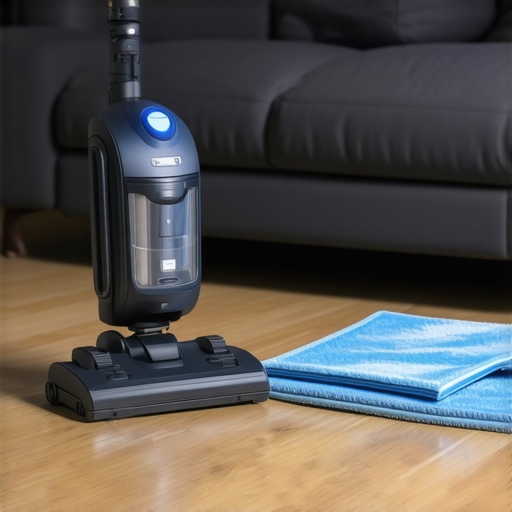
How do I maintain professional results over time?
Consistency is the only way to avoid the ‘moving day panic.’ I’ve transitioned to a method where I tackle one ‘deep’ zone every week—like the window tracks or the area behind the fridge—rather than waiting for a lease to end. Using house cleaning strategies for a sparkling home today means you are essentially doing a rolling move-out clean. For the long haul, I rely on a ultimate upholstery care guide for lasting freshness to ensure that my velvet and linen pieces don’t accumulate the oils that attract permanent grime.
Look Toward a Smarter Sanitizing Future
As we move into the next few years, I predict we will see a massive shift toward UV-C light sanitization and botanical-based disinfectants that don’t leave toxic residues. We are already seeing sanitizing secrets for a safer house in 2025 that focus on the microbiome of the home rather than just killing everything with bleach. This ‘probiotic cleaning’ approach is better for your surfaces and your health. If you want to elevate your game, try the the toothbrush trick for removing pet dander from baseboard crevices next time you finish a room; the level of detail it adds will shock you and leave your landlord with zero excuses to keep your money. Try this advanced detailing tip in just one room this weekend to see the difference for yourself.
The One Move-Out Truth I Had to Learn the Hard Way
After years of moving in and out of rentals, I realized that a landlord isn’t just looking for dirt; they are looking for a reason to distrust your care of the property. If you leave a single dust bunny behind the toilet, you’ve handed them a justification to hire a ‘professional cleaning crew’ on your dime. One of effective house cleaning secrets from cleaning experts is to always assume the inspector has a better flashlight than you do. I now use a high-powered LED light to sweep every corner before I hand over the keys. Another hard-earned lesson? Don’t wait until the last day. I’ve found that learning how to schedule a deep clean that actually lasts more than a week is the real secret to avoiding that 2 AM panic scrub. Finally, remember that your nose is a liar. You become ‘nose-blind’ to your own pets or cooking, so always get a second opinion from a brutally honest friend to see if why your living room still smells like pets after you vacuum is something you need to address before the inspection.
Tools That Make These Dirty Jobs Actually Tolerable
I don’t believe in over-complicating things with expensive gadgets, but there are four items I never move without. First, a high-denier microfiber cloth is non-negotiable; it’s the only thing that truly grabs dust rather than pushing it into the air where why your vacuum is blowing dust back into the air becomes a major issue. Second, a long-reach flexible crevice tool for your vacuum is the only way to get those baseboards behind heavy appliances. Third, I always keep a bottle of pH-balanced foam for upholstery cleaning tips for a fresh home revival because it saves me from ruining expensive fabric with water marks. Lastly, never underestimate the power of an old toothbrush—it’s the only tool that can handle the toothbrush trick for removing pet dander from baseboard crevices effectively. These tools transform a back-breaking labor into a surgical strike on grime.
Take Control of Your Transition Today
Cleaning for a move-out can feel like a mountain of stress, but it’s really just a series of small, manageable tasks. By focusing on the hidden details—the narrow gaps, the upholstery fibers, and the microbial health of the space—you are doing more than just cleaning; you are protecting your financial assets. Using move-out cleaning strategies to secure your deposit allows you to walk away from your old home with your head held high and your bank account intact. You have the tools and the knowledge to make this transition flawless. Which of these hidden spots has tripped you up during a final walkthrough? Let me know in the comments below!