
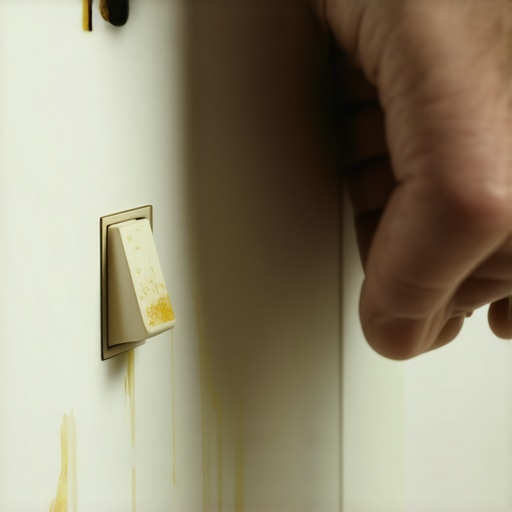
I stood in my hallway last Tuesday, coffee in hand, staring at the light switch by the front door. The morning sun hit it just right, and honestly? I wanted to scrub my skin off. Despite my pride in keeping a tidy home, there it was—a dull, gray-brown film of oils and mystery dust coating the very thing I touch twenty times a day. It’s that visceral realization that you’ve been ignoring a biological petri dish right under your nose. If you’ve ever felt like your house is “clean” but still feels a bit… off, you’re likely overlooking the hidden grime on your light switches. Today, I’m showing you exactly how to kill that buildup and reclaim your home’s hygiene without ruining your electrical work.
Stop ignoring the one thing you touch most
We obsess over upholstery cleaning tips or scrubbing the floors until they shine, but we treat light switches like they’re invisible. I’ll admit, for years, I was a “surface wiper.” I’d do a quick pass with a duster and call it a day. But those switches are high-touch surfaces that harbor everything from E. coli to the common cold. When I finally decided to dive into effective sanitizing methods for a germ-free home, I realized my “clean” house was actually hosting a bacterial convention. It’s especially critical if you are tackling a move-out clean checklist; landlords always check these little spots for greasy fingerprints.
Is all this extra scrubbing actually worth your time?
You might think a little finger oil never hurt anyone, but the science says otherwise. According to researchers at the University of Arizona, a light switch can host hundreds of bacteria per square inch, often making them dirtier than a kitchen sink handle. I learned the hard way that you can’t just spray and pray. Early in my DIY cleaning journey, I made the huge mistake of spraying liquid cleaner directly onto the plate. Zzap. I tripped the breaker and felt like a complete idiot. It’s a classic mistake, but one that taught me the importance of sanitizing secrets that don’t involve a call to the electrician. Whether you’re preparing for a move-out clean or just want to stop the spread of winter sniffles, these small touch-points matter. Have you ever noticed a dark smudge around your light switches and wondered how long it’s actually been there? Trust me, once you see it, you can’t un-see it. We’re going to fix that right now with some house cleaning strategies that are fast, safe, and incredibly satisfying.
Ditch the spray bottle and grab a cloth
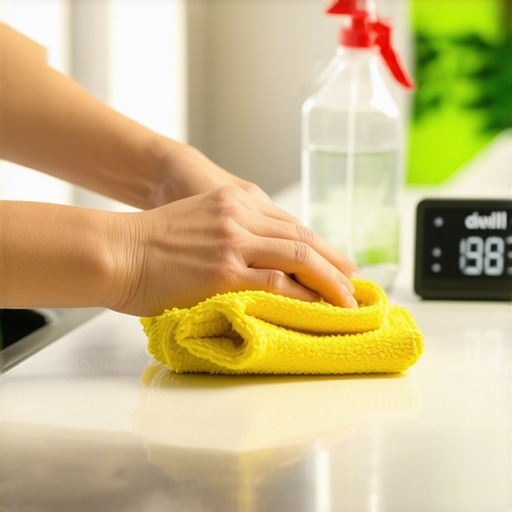
The biggest mistake people make is thinking they need a heavy chemical soak to get results. I used to be the person who would douse a paper towel until it was dripping, but that’s how you end up with a short circuit or a sticky residue that actually attracts more dust. Instead, I’ve adopted a method similar to the two-cloth method for streak-free windows in half the time. You need one microfiber cloth slightly dampened with a mixture of warm water and a drop of dish soap, and one completely dry cloth for buffing. If you’re dealing with a nasty flu season, swap the soap for a 70% isopropyl alcohol solution. This is one of those sanitizing secrets for a safer house in 2025 that ensures you aren’t just moving the bacteria around—you’re actually neutralizing it.
Reach the dirt stuck in the toggle
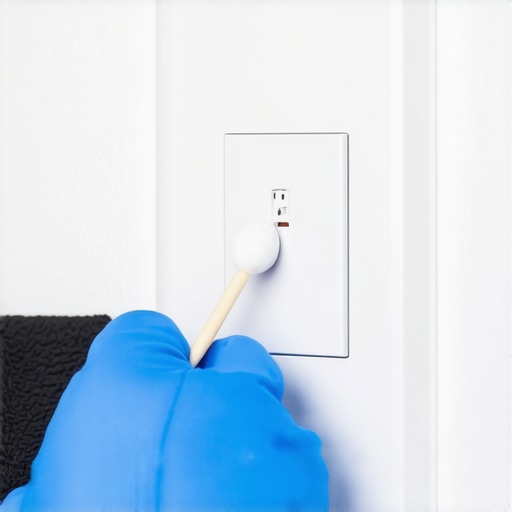
Last year, while doing a deep dive into effective house cleaning secrets from cleaning experts, I realized the flat part of the switch wasn’t the problem; it was the tiny ledge where the toggle meets the plate. I took a wooden toothpick and ran it along that seam, and what came out looked like a dark, waxy crayon. It was horrifying. Now, I always keep a box of cotton swabs specifically for these tight spots. Dip the swab in your cleaning solution, squeeze out the excess so it’s just barely damp, and trace the perimeter of the switch. This attention to detail is what separates a standard wipe-down from a daily house cleaning routine to maintain perfection. If the buildup is particularly stubborn—maybe near a stove where grease is an issue—you might need to apply how to get grease off kitchen cabinets without removing the finish logic: use a grease-cutting agent applied strictly to your tool, never the wall.
Sanitize without the sticky aftermath
When you are performing move-out cleaning hacks ensure your deposit refund, the goal is to make things look brand new, but for daily life, the goal is safety. Using a disinfectant wipe is fine, but many leave a film that feels tacky to the touch. I learned the hard way that if you don’t buff the switch dry, the next person who touches it will leave a deeper, more permanent fingerprint. For those of us focused on effective sanitizing methods for a germ-free home, the final step is always a quick dry-buff with a clean microfiber. It removes any remaining cleaning agents and leaves a factory-finish shine. This simple habit keeps your home’s most-touched surfaces from becoming magnets for the very grime you just removed. Whether you are managing upholstery cleaning tips or simple wall hardware, the dry-finish technique is king.
Stop wiping your sanitizer off too soon
Most of us treat cleaning like a speed-run. We spray a surface, immediately wipe it down, and feel a surge of accomplishment. But here is the professional truth: you probably didn’t kill a thing. In my early days, I assumed the chemical reaction was instant. It’s not. To truly master effective sanitizing methods for a germ-free home, you have to respect the ‘dwell time.’ According to the CDC, most household disinfectants need to remain visibly wet on a surface for anywhere from three to ten minutes to actually neutralize pathogens. If you’re wiping it dry after five seconds, you’re just performing ‘theatrical cleaning’—it looks good, but the bacteria are still laughing at you. This is one of the most overlooked sanitizing secrets for a safer house in 2025: patience is your most powerful tool.
Are you actually killing germs or just moving them around?
The ‘spray and wipe’ myth isn’t the only trap. Many people use the same cloth for the entire kitchen, effectively cross-contaminating every handle and switch they touch. When I shifted my focus to a daily house cleaning routine to maintain perfection, I started color-coding my microfibers. Blue for glass, red for high-risk zones like the bathroom, and yellow for the kitchen. It sounds obsessive until you realize that a kitchen sponge can harbor more bacteria than a toilet seat. If you aren’t rotating your tools, you aren’t cleaning; you’re just redistribution germs. Have you ever fallen into this trap? Let me know in the comments.
Why hot water is the secret enemy of your white sofa
Another common mistake happens when people try to apply upholstery cleaning tips to delicate fabrics. The instinct is to use hot water to ‘sanitize’ a stain, but if you’re dealing with a protein-based spill like blood or sweat, you’ve just made a permanent mistake. I learned the hard way that why you should never use hot water on a fresh blood stain is because heat ‘cooks’ the protein into the fibers. Similarly, if you have furniture labeled with an ‘S’ tag, water is your enemy. You must know how to treat s-coded upholstery fabric without ruining it using solvent-based cleaners. Following a generic ultimate upholstery care guide for lasting freshness is great, but skipping the label check can result in water rings that never come out.
Don’t let the space behind the oven steal your security deposit
If you are currently working through a move-out clean checklist, you likely know the standard spots. But the nuance that separates a pro from an amateur—and determines if you get your money back—is the ‘hidden grease.’ People scrub the counters but forget why the space behind the oven costs most renters their deposit. Dust and grease congeal back there into a flammable, sticky resin that landlords despise. Using move-out cleaning strategies to secure your deposit means looking where the light doesn’t shine. It’s about the gap between the fridge and the cabinet, the top of the door frames, and those light switches we discussed earlier. High-level cleaning isn’t just about effort; it’s about the technical knowledge of how grime behaves.
Stop buying cheap tools that fail after a month
I’ve spent thousands of dollars on cleaning gadgets over the years, and if there is one thing I’ve learned, it’s that the ‘bargain’ vacuum is the most expensive thing you’ll ever buy because you’ll have to replace it every two years. When I finally invested in a high-tier HEPA-sealed system, the air in my home literally felt lighter. I used to think my sneezing was just seasonal until I realized why your vacuum filter might be making your allergies worse. Cheap filters just blast fine dust back into your face. To maintain a truly healthy environment, you need tools that actually trap the particles you’re trying to remove. Beyond vacuums, I recommend switching to high-gsm (grams per square meter) microfiber cloths. Most grocery store rags are too thin to actually lift grease; look for 300gsm or higher to ensure you are actually removing pathogens rather than just spreading them around.
How do I keep my home sanitary for the long haul?
Maintenance isn’t about a once-a-month deep scrub; it’s about micro-habits. I’ve integrated a daily house cleaning routine to maintain perfection that focuses on these high-touch points. This prevents the ‘biological petri dish’ I found on my light switches from ever coming back. By doing a two-minute sweep of the main floor switches and handles every evening, you break the cycle of biofilm buildup. For larger tasks, like keeping your couches fresh, following the upholstery cleaning tips for a fresh home revival once a quarter will extend the life of your furniture by years. It’s significantly cheaper than replacing a sofa every five years because it ‘smells old.’ If you are preparing for a transition, these habits simplify any move-out cleaning hacks ensure your deposit refund because the ‘deep’ grime never has a chance to set in.
Why steam is the ultimate sanitizer
If you want to stop using harsh chemicals, you need a high-pressure steam cleaner. I personally use a McCulloch because it reaches temperatures over 212°F, which is the magic number for killing most bacteria and dust mites instantly. According to the IICRC S300 Standard (the professional benchmark for upholstery care), soil suspension through heat and moisture is far more effective than just scrubbing. This is how I handle everything from tile grout to the ultimate upholstery care guide for lasting freshness. Steam doesn’t leave the sticky residue that attracts more dirt, which is one of the best effective sanitizing methods for a germ-free home. I use a detail nozzle for those light switch crevices—just be sure to hold a cloth nearby to catch any moisture before it can drip into the electrical box.
Predicting the future of home hygiene
As we move further into this decade, I suspect we will see a massive shift toward UV-C light integration and smart sensors. We are already seeing vacuums that can detect the exact amount of dust on a floor and adjust suction accordingly. I believe sanitizing secrets for a safer house in 2025 will revolve around autonomous devices that don’t just clean, but actively monitor air and surface quality using laser-based particle counters. This technology, currently used in high-end purifiers, will likely become standard in every household tool. Until then, the best tool you have is your own consistency. If you ever feel overwhelmed or if you’re facing a massive job like a move, don’t be afraid to contact us for professional backup. Sometimes you need a professional industrial reset to make your daily maintenance possible. Try this today: take a barely damp microfiber and wipe just five light switches. You’ll be shocked at what’s on the cloth.
The Brutal Reality of Germ-Swapping in My Own Hallway
I used to think that a quick swipe with a kitchen towel meant my home was safe. I was wrong. The biggest lightbulb moment for me was realizing that cross-contamination is real. If you use the same rag for the kitchen counter and then wipe your switches, you are essentially painting your walls with bacteria. I had to learn the hard way that patience is a literal disinfectant; if you do not let the cleaner sit for its full dwell time, you are not actually killing anything. Also, those tiny crevices in the switch plate are prime real estate for biofilm—that waxy, dark buildup that regular dusting never touches. Once I started applying effective house cleaning secrets from cleaning experts, my indoor air quality felt better because I was no longer ignoring these hidden bacterial colonies.
The Gear I Actually Use to Stop the Grime
You do not need a cupboard full of expensive chemicals to master sanitizing secrets for a safer house in 2025. Here is what I personally trust: 70% Isopropyl Alcohol for its fast evaporation and high kill rate, high-GSM microfiber cloths because they actually trap oils rather than smearing them, and a simple wooden toothpick for those annoying switch seams. For the heavy lifting, I rely on heat to melt away oils without leaving a sticky residue. These are the same principles I recommend when people ask for upholstery cleaning tips for a fresh home revival. If you ever feel like the job is too big, especially during a high-stakes transition, do not hesitate to contact us for professional backup.
Take Back Your Home One Switch at a Time
A truly healthy home is not built in a single marathon cleaning session; it is the result of small, intentional acts. By integrating a daily house cleaning routine to maintain perfection, you ensure that grime never gets a foothold again. Whether you are prepping for a move and using move-out cleaning strategies to secure your deposit or just trying to protect your family from the next flu cycle, these small touch-points make the biggest difference. You have the knowledge and the strategy—now it is time to grab a cloth and start. Which light switch in your house is the most suspiciously dark right now? Let me know in the comments below!