
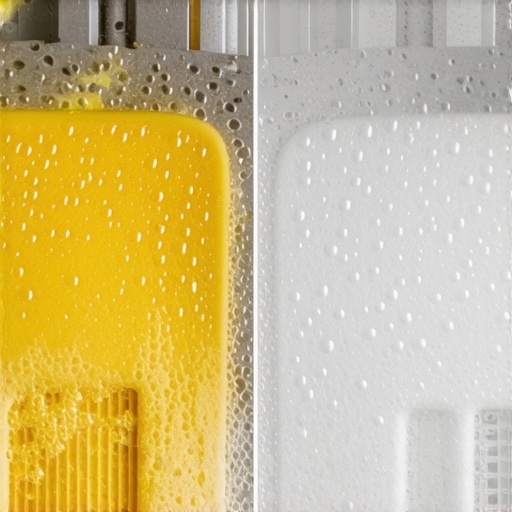
I stood there in my kitchen, staring at a beautiful piece of salmon searing in the pan, when I noticed the smoke wasn’t actually going up. It was swirling around the cabinets like a lost ghost. I reached up, touched the metal mesh filter of my range hood, and my hand came back coated in a thick, amber-colored sludge that felt more like industrial glue than cooking oil. It was gross. It was embarrassing. And honestly? It was a major fire hazard I’d been ignoring for months while I focused on my daily house cleaning routine. I realized then that my exhaust fan wasn’t breathing; it was suffocating. If you have ever felt that tacky, yellow film on top of your fridge or noticed your kitchen smells like yesterday’s bacon even after a deep clean, you are dealing with the exact same culprit.
Stop Fighting the Gunk and Start Cleaning Smart
Most people think a quick wipe-down with a paper towel and some window cleaner is enough to handle kitchen grease. I’m here to tell you, from a person who once ruined a perfectly good microfiber cloth trying to scour that gunk away, that there is a much better way. We often focus so much on upholstery cleaning tips or floor care that we forget the lungs of our kitchen. When those filters clog, grease starts settling everywhere else—on your light fixtures, your backsplash, and even building up on your kitchen cabinets. Today, I am sharing the exact method I used to transform my filters from a sticky mess into sparkling clean vents that actually do their job.
Is this actually going to work without a power washer?
I know what you’re thinking. You’ve looked at those grease-caked squares and thought they were a lost cause. You might even be tempted to just buy new ones. Trust me, I’ve been there. My biggest mistake early on was thinking that brute force was the answer. I spent an hour scrubbing with a stiff brush and cold water, which only served to smear the grease around and make my sink a nightmare to clean later. But you don’t need a professional degreaser or heavy machinery. According to the National Fire Protection Association, grease is a leading cause of home fires, and a clean exhaust system is your first line of defense. Have you ever noticed your vent fan getting louder or less effective over time? That is the sound of a filter begging for help.
The Real Reason Your Standard Scrubbing Doesn’t Work
The chemistry of kitchen grease is stubborn. It’s a combination of vaporized oils and household dust that creates a polymer-like bond to the metal mesh. Cold water or standard spray cleaners just slide right off it. When I finally figured out the right temperature and the right alkaline balance, the grease didn’t just come off—it literally melted away into the water. This isn’t just about aesthetics; it’s about effective sanitizing methods that keep your cooking environment healthy. If you are preparing for a move and need strategies to secure your deposit, this is one of those hidden spots landlords always check. Let’s dive into the simple, heat-driven process that will save your afternoon and your exhaust fan.To get these filters truly clean, you need to think like a scientist, not a janitor. Grease is a lipid, and lipids hate high heat and high alkalinity. I remember the first time I tried this; I used a plastic dish pan and nearly warped the bottom because the water was so hot. Lesson learned: use your stainless steel sink or a large stockpot if your filters are small enough. This is one of those effective house cleaning secrets from cleaning experts that actually saves you money.
The Three Pillars of Grease Liquidation
First, you need to clear the deck. Take those filters out and set them aside. If you’re in the middle of a move-out cleaning strategy to secure your deposit, you might notice the area around the vent is just as bad. While the filters soak, you can use the dish soap trick for removing greasy buildup on kitchen cabinets to tackle the surrounding surfaces.
Heat is the Engine
Fill your sink with boiling water. Warm tap water won’t cut it. Think of it like trying to melt candle wax with a lukewarm hair dryer—it just won’t happen. You need that intense heat to break the physical bonds of the oil. I once tried to skip the kettle and just use hot tap water, and I ended up with a gray, smeary mess that looked worse than when I started. #IMAGE_PLACE_B#
The Alkaline Punch
Once the water is steaming, add a generous half-cup of baking soda and a good squirt of de-greasing dish soap. It will fizz up like a middle-school science project. This is the volcano effect that works into the tiny crevices of the mesh. It’s similar to how sanitizing secrets for a safer house in 2025 often rely on simple chemical reactions rather than harsh, expensive toxins. Submerge the filters completely. If your sink is too small, soak one half for ten minutes, then flip it.
Wait for the Magic to Happen
This is where most people fail. They want to start scrubbing immediately. Don’t do it. Let them sit for at least 15 to 20 minutes. You’ll see the water turn a murky, unappetizing shade of brown. That’s the grease surrendering. If you are preparing for an inspection, following a move-out clean checklist to simplify your transition, this passive cleaning time is your best friend because you can go scrub the baseboards while the chemistry does the heavy lifting here.
The Final Rinse and Dry
After the soak, use a non-scratch brush to gently whisk away any remaining loosened particles. Rinse them under the hottest water your hands can stand. If you see any remaining amber spots, repeat the soak. Never put them back in wet; moisture trapped in the mesh can lead to mold, which defeats the purpose of your sanitizing hacks for safe house transitions. Shake them out well and let them air dry completely on a towel before sliding them back into the hood.While we’re on the subject of chemistry, let’s address the elephant in the room: the ‘Vinegar Fixes Everything’ myth. If you scroll through any social media platform, self-proclaimed gurus will tell you to use white vinegar for every square inch of your home. But here’s the cold, hard truth—vinegar is an acid. Grease, like the amber sludge on your filters, is a lipid. When you apply an acid to an organic oil buildup, you aren’t breaking it down; you’re just smearing it. Worse yet, using it on the wrong surface can be a disaster. This is exactly why vinegar is not always the best choice for granite countertops; the acid can actually etch the natural stone, leaving dull spots that no amount of buffing will fix. To truly liquefy grease, you need high alkalinity, which is why baking soda and specialized soaps are non-negotiable effective house cleaning secrets from cleaning experts.
The Dangerous Myth of the Instant Wipe
The biggest mistake I see even seasoned homeowners make is what I call ‘the spray and swipe.’ We’ve been conditioned by commercials to think that as soon as the liquid hits the counter, the germs vanish. According to the Environmental Protection Agency (EPA), most household disinfectants require a specific ‘dwell time’—the duration the surface must stay visibly wet—to actually kill 99.9% of pathogens. For many products, that time is five to ten minutes. If you are wiping it off after five seconds, you aren’t sanitizing; you’re just moving bacteria around. This nuance is vital for effective sanitizing methods for a germ-free home. 
How Much Dwell Time Does Your Disinfectant Really Need?
Most labels hide this information in the tiny fine print under ‘Directions for Use.’ If you’re rushing through a move-out clean checklist to simplify your transition, you might be tempted to speed through this, but skipping the dwell time means you aren’t actually disinfecting the area. This is especially true in high-touch spots like door handles and light switches. Understanding these sanitizing secrets for a safer house in 2025 will change how you view your cleaning caddy.
Avoid the Steam Cleaning Trap on Your Furniture
Another ‘advanced’ mistake involves the misuse of heat on upholstery. It’s a common belief that steam equals clean. However, why you should never use a steam cleaner on these specific upholstery fabrics like velvet, silk, or certain microfibers is a lesson that often costs people a whole new sofa. High-pressure steam can shrink fabrics, melt synthetic fibers, or cause permanent water staining and ‘bruising’ of the pile. When you are following upholstery cleaning tips for a fresh home revival, always check the manufacturer cleaning code before introducing moisture.
The Hidden Deposit Killers You Are Missing
Finally, let’s talk about the ‘hidden zones.’ You can spend all day scrubbing the floors, but why the space behind the oven costs most renters their deposit comes down to one thing: the grease-dust hybrid that builds up where you can’t see it. This environment becomes a breeding ground for pests and stubborn odors. Professional-level cleaning isn’t about working harder; it’s about knowing where the critical failures happen and addressing the chemistry first. Have you ever fallen into the ‘instant wipe’ trap or accidentally ruined a surface with vinegar? Let me know in the comments.Knowing the chemistry behind the grease is half the battle; the other half is having a system that ensures you aren’t doing a ‘deep clean’ every single weekend. I’ve found that the difference between a home that looks lived-in and one that looks staged is a daily house cleaning routine to maintain perfection. It isn’t about scrubbing for hours; it is about those small, high-impact tasks that prevent the amber sludge from returning to your range hood.
Keep Your Kitchen Air Fresh Without Lifting a Finger
One of the best investments I ever made for my kitchen wasn’t a new appliance, but a set of high-quality, reusable stainless steel mesh filters that are dishwasher safe. If you can’t replace the hood, replace the habit. I now set a recurring calendar alert for the first of every month to swap my filters. This kind of proactive approach is the core of house cleaning strategies for a sparkling home today.
How do I keep my home truly sanitized after the deep clean ends?
Maintenance isn’t just about what you see; it is about the microbial level. To keep things safe, I rely on a rotation of microfiber cloths color-coded by room. This prevents cross-contamination, which is a vital part of effective sanitizing methods for a germ-free home. According to the American Lung Association, using a vacuum with a certified HEPA filter is the only way to ensure you are actually removing allergens rather than just exhausting them back into your living space. If you are preparing for a transition, using these sanitizing hacks for safe house transitions will ensure your new space is truly a fresh start. 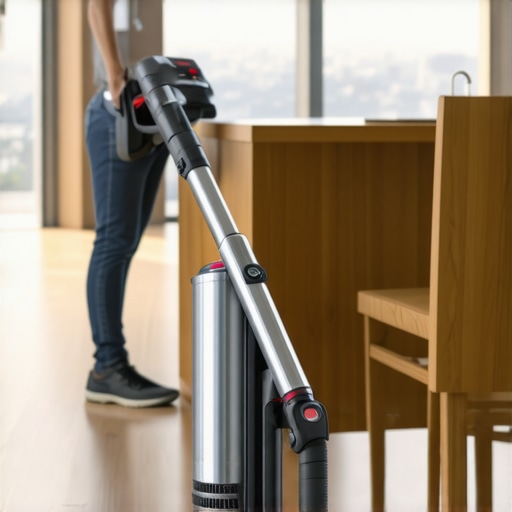
The One Tool I Refuse to Clean Without
People often ask me if they really need a professional-grade vacuum. My answer is always yes, especially if you have pets. I personally use a Miele C3 because of its sealed system; it ensures that every bit of dander and dust stays inside the bag. I’ve seen so many people struggle with why your vacuum filter might be making your allergies worse because they use cheap, unsealed models that leak fine particulates. If you are dealing with furniture, following an ultimate upholstery care guide for lasting freshness is much easier when you have a machine that can actually extract the dust before it settles.
Where the Future of Home Care is Heading
I predict that within the next five years, we will see smart sensors integrated directly into our cabinetry and ventilation systems that alert us to grease buildup before it becomes a fire hazard. We are already seeing a shift toward probiotic cleaners that leave ‘good bacteria’ on surfaces to fight pathogens naturally. This is the next level of sanitizing secrets for a safer house in 2025. If you are currently in a rental, mastering these move-out cleaning hacks to ensure your deposit refund will save you thousands over a lifetime of moving. I challenge you to check your disinfectant label today and actually set a timer for the dwell time—you might be surprised how much longer five minutes feels than you thought.
Lessons Learned the Hard Way Under the Range Hood
After years of scrubbing until my knuckles were raw, I realized that the hardest lesson isn’t about how hard you work, but how smart you play the chemistry game. Here are the lightbulb moments that changed everything for me:
- Grease is a magnet: If you don’t use how to remove grease from your range hood vents as a monthly baseline, that airborne oil acts like a glue for every piece of dust in your house, creating a layer that is twice as hard to remove later.
- Temperature is non-negotiable: I wasted years using lukewarm water. If it isn’t steaming, it isn’t cleaning. Grease has a specific melting point, and your tap probably doesn’t hit it.
- Patience pays off: Walking away for twenty minutes while the filters soak is more effective than twenty minutes of manual labor. Let the alkalinity do the heavy lifting.
These effective house cleaning secrets from cleaning experts are what separate a frustrating weekend from a successful one.
The Gear That Actually Saved My Sanity
To maintain this level of clean without burning out, I’ve curated a small but mighty toolkit. I swear by a sealed-system vacuum because it is the only way to stop dust from recirculating onto your freshly cleaned kitchen surfaces. I also keep a stash of high-quality microfibers and use the two-cloth method for streak-free windows in half the time for all my kitchen glass and stainless steel. Upgrading to permanent stainless steel mesh filters was also a game-changer; they don’t warp and they handle the dishwasher much better than the cheap aluminum ones. These house cleaning strategies for a sparkling home today focus on longevity, not just a quick fix.
You’re Just One Soak Away from a Fresh Kitchen
It’s easy to feel overwhelmed by the hidden grime in a house, but remember that every deep clean starts with a single step. Whether you are following a daily house cleaning routine to maintain perfection or just trying to get your kitchen back to a baseline of health, you have the tools and the chemistry on your side. Your home is your sanctuary, and keeping the air clear of grease and allergens is the best gift you can give yourself and your family. #IMAGE_PLACEHOLDER_E# Don’t be afraid to let those filters soak today. How long has it been since you actually looked at the mesh on your range hood? Let me know your biggest ‘grease horror story’ in the comments below!