
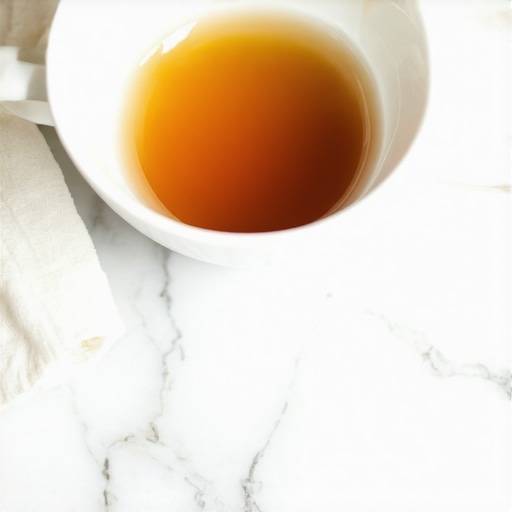
I remember staring at my grandmother’s Royal Albert teacups, the ones with the delicate gold filigree and those tiny, hand-painted roses. They were supposed to be the crown jewel of my Sunday brunch table. Instead, they looked like they’d spent a decade in a forgotten attic. Thick, stubborn brown rings of Earl Grey were etched into the bottom of every single cup, and no amount of dish soap seemed to care. It’s a gut-wrenching feeling when you realize your ‘good’ china looks like a failed science experiment. I tried scrubbing them until my knuckles were white, but those stains didn’t budge. I even made the rookie mistake of reaching for a green scouring pad, which—let me tell you—is the fastest way to ruin a finish forever.
The Reason Your Teacups Look Dingy Even After a Wash
We often think a quick rinse is enough, but tea is remarkably persistent. The tannins in your favorite brew are essentially the same compounds used to tan leather; they are designed to stick. When these tannins meet the minerals in your tap water, they create a hard, brown film that bonds to the ceramic. If you are diligent about your daily house cleaning routine to maintain perfection, you might notice this buildup happening slowly over months. It isn’t a sign of poor cleaning; it is just chemistry. According to the Royal Society of Chemistry, the polyphenols in tea react specifically with calcium and magnesium ions in hard water to form that unsightly scum that eventually ‘bakes’ onto the surface.
Can You Really Clean Fine China Without Scouring It?
You might be skeptical. I know I was. I figured if a standard sponge wouldn’t take it off, I’d need something industrial-strength. But the truth is, fine bone china is more resilient than it looks, yet it demands a certain level of respect. You cannot treat it like a greasy baking sheet or a piece of outdoor furniture. Just like learning how to clean the bottom of your iron without ruining the surface, the secret to china is using the right chemical reaction rather than brute force. Have you ever pulled out your favorite set for a special occasion only to find yourself hiding the stains under a dark pour of coffee? It’s a common struggle, but we are going to fix it today.
Why Acid is Your Best Friend for Bone China
Early in my ‘neighborly expert’ journey, I thought bleach was the only answer. I soaked my cups in a heavy solution, and while the stains vanished, the clinical smell lingered for days and I noticed the gold trim started to look a bit duller. I later discovered that why lemon juice is better than bleach isn’t just a kitchen myth; it is a reality for delicate porcelain too. Natural acids break down those mineral-tannin bonds without the harshness of chlorine. I’m going to walk you through my gentle, ‘Neighbor-Approved’ method that uses simple household staples to make those cups sparkle like the day they left the showroom, without a single scratch in sight.
Start with a Warm Vinegar Bath
Before you even think about scrubbing, you need to weaken the enemy. I like to think of this as a ‘pre-soak’ strategy, much like the move-out cleaning strategies to secure your deposit; if you don’t loosen the grime first, you’re just making more work for yourself later. Fill a plastic basin with a 50/50 mix of warm water and white distilled vinegar. Submerge your cups completely and let them sit for at least thirty minutes. I once tried to skip this step with my great-aunt’s teapot, thinking I could just power through with a sponge. I ended up with sore wrists and a half-clean pot. The vinegar acts as a mild solvent, gently breaking down the calcium bonds that hold tea tannins to the glaze. It’s a passive way to clean that respects the integrity of the material.
Make a Non-Abrasive Scouring Paste
Once the soak is done, some stains might still linger, especially in the crevices of ornate handles. This is where you create your ‘secret weapon.’ Mix two tablespoons of baking soda with just enough lemon juice to form a thick, gritty paste. Because why lemon juice is better than bleach for cutting through grease and mineral buildup is a proven fact, this combination fizzes slightly, providing a mechanical lift to the stains without being sharp enough to scratch the glaze. Apply this paste directly to the brown rings using your fingertip. 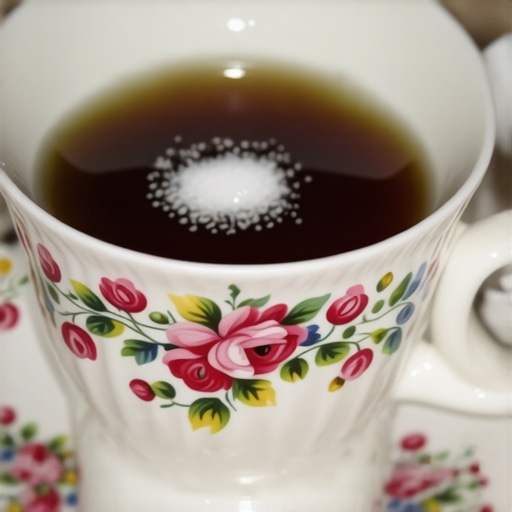
The Soft Touch for Delicate Edges
Now comes the actual cleaning, but put down the green scrubby. You need something soft and absorbent. I highly recommend using a high-quality microfiber cloth or even an old, clean cotton T-shirt. Using a circular motion, rub the paste into the stained areas. This technique is very similar to how we approach upholstery cleaning tips for a fresh home revival—you want to lift the soil, not grind it deeper into the fibers (or in this case, the microscopic pores of the ceramic). If the stain is particularly stubborn, like the ones I found on a set of thrifted 1950s mugs, let the paste sit for an additional ten minutes before wiping. You’ll see the brown residue transfer directly onto your cloth, leaving the white porcelain underneath gleaming.
Sanitize Without the Harsh Chemicals
After the stains are gone, you still want to ensure the pieces are hygienic, especially if they’ve been sitting in storage. Instead of reaching for hospital-grade disinfectants, use a mild dish soap and a final rinse of very hot water. Following effective sanitizing methods for a germ-free home doesn’t always require industrial products; heat and acidity often do the trick for food-contact surfaces. It’s about being thorough rather than aggressive.
Keep Your Water Spots at Bay
The final hurdle is drying. If you let fine china air dry, especially if you have hard water, you’ll end up with those cloudy white spots. This is a common frustration, much like the reason your dishwasher still leaves spots on your glasses. To prevent this, use a dry, lint-free towel immediately after rinsing. I prefer using the two-cloth method for streak-free windows in half the time adapted for my dishes: one cloth to take off the bulk of the moisture and a second, bone-dry cloth to polish the surface. This ensures that the secret to making your stainless steel sink shine like new also applies to your teacups. When you’re done, the gold filigree should catch the light without any hazy film dulling its sparkle.
Everyone tells you that ‘elbow grease’ is the mark of a true cleaning pro, but when it comes to delicate heirlooms, that is actually a recipe for disaster. In my years of refining effective house cleaning secrets from cleaning experts, I have learned that the biggest mistake people make is trying to out-muscle a chemical bond. You see, those tea stains aren’t just ‘dirt’; they are a complex matrix of polyphenols and calcium. Most people think bleach is the ultimate solution because it turns the stain white. However, bleach is a ‘lazy’ cleaner—it only removes the color, not the physical residue. This is why you might find your cups feel rough even after they look clean. To truly restore the surface, you need to address the mineral buildup that provides the ‘anchor’ for the stain.
Stop Scrubbing and Start Thinking Like a Chemist
I used to think that the longer I scrubbed, the better the result. I was wrong. Brute force often leads to micro-abrasions in the glaze, which actually makes it easier for future stains to take hold. It is a similar principle to ultimate upholstery care guide for lasting freshness; if you damage the fibers (or the glaze), you are just creating a permanent home for grime. A study published in the Journal of Agricultural and Food Chemistry confirms that tea tannins bond specifically to metal ions in water. This means your cleaning agent needs to be a chelator—something that ‘grabs’ those metals—rather than just a detergent. This is why my acid-based approach works better than the harshest industrial soaps. It isn’t just about ‘being natural’; it is about being more effective at a molecular level.
#IMAGE_PLACE_HOLDER_C#
Why does your tea set still feel sticky after a deep clean?
This is a question I get from readers who have successfully removed the brown rings but are left with a tacky, dull finish. This ‘oops’ factor usually comes from one of two things: soap film or the ‘Heat Trap.’ Many people use boiling water to rinse their china, thinking it’s the best way to ensure sanitizing secrets for a safer house in 2025. But extreme heat can cause the microscopic pores in older glaze to expand and then contract around soap molecules, trapping them. If your pieces feel tacky, you likely have a buildup of surfactant residue. This is the same reason why your floors feel sticky even after you finished mopping. A quick rinse with a very mild, cool acid solution (like a splash of lemon in cold water) will neutralize those bases and return the ‘squeak’ to your porcelain.
The Hidden Danger of the Overnight Soak
Here is a trap most people fall into: thinking that if a thirty-minute soak is good, a twelve-hour soak must be better. When you are dealing with vintage items during move-out cleaning hacks to ensure your deposit refund or just seasonal maintenance, time is a tool that must be used carefully. Over-soaking in acidic solutions can actually start to leach the lead or cadmium used in the colorful over-glaze decorations of antique pieces. You want to dissolve the stain, not the art. Limit your active acid contact to under an hour. If the stain is still there, rinse, dry, and repeat the process the next day rather than leaving it in the basin overnight. Have you ever fallen into this trap or accidentally ruined a finish by over-cleaning? Let me know in the comments! Proper maintenance is about balance, ensuring your home stays beautiful without sacrificing the integrity of the things you love.
Once you have conquered those stubborn tea stains, the real challenge begins: making sure they never come back. I have found that the difference between a house that looks clean and a house that stays clean is the set of tools you keep in your utility closet. I don’t believe in having a thousand different gadgets, but I do believe in having the ‘right’ ones. For my delicate bone china and high-end ceramics, I’ve moved away from standard kitchen sponges entirely. I now rely exclusively on a set of precision detail brushes—the kind usually reserved for automotive interiors or high-end electronics. These allow you to reach into the delicate filigree and handle joins without putting pressure on the structural integrity of the piece.
Stop the Grime Before It Bonds
The most effective tool in your arsenal is actually your schedule. If you integrate a daily house cleaning routine to maintain perfection, you stop the mineral-tannin matrix from ever hardening. For your tea sets, this means a 10-second rinse with warm water immediately after use. It sounds simple, but it’s the exact strategy I recommend for ultimate upholstery care guide for lasting freshness: treat the spill while it’s a liquid, not after it becomes a solid. When you let tea sit overnight, you aren’t just leaving a stain; you are inviting a chemical reaction to take place on your porcelain glaze.
How do I maintain my fine china over time?
Maintenance is less about deep scrubbing and more about environmental control. According to the Victoria and Albert Museum’s Conservation Department, the biggest threat to fine glazed ceramics isn’t just use, but improper storage where fluctuations in humidity can cause micro-crazing in the glaze. I recommend using acid-free tissue paper or soft felt dividers between your saucers. This prevents the abrasive foot of one cup from scratching the delicate gold rim of the one below it. If you are preparing for a transition, following a move-out clean checklist to simplify your transition often reminds us to pack these heirlooms with the same care we give to our structural surfaces.
#IMAGE_PLACE_HOLDER_D#
The Tools I Swear By for Delicate Surfaces
If you want to scale your cleaning efforts without burning out, you need to invest in a high-quality handheld steamer. I use mine for everything from sanitizing the rim of a vintage teapot to lifting grime from hard-to-reach tracks. It is one of the most effective sanitizing methods for a germ-free home because it uses pure thermal energy to kill 99.9% of bacteria without leaving a chemical film that might react with your food or tea. This is the ‘secret sauce’ for professional cleaners who need to deliver results that last longer than a few hours. Just be sure to keep the steam moving; lingering too long on a single spot of old bone china can cause thermal shock.
Probiotic Cleaning is the Next Big Shift
I’m predicting a massive shift in how we handle home sanitization over the next few years. We are moving away from ‘scorched earth’ cleaning—where we kill every microbe in sight—and toward probiotic cleaning. This involves applying ‘good’ bacteria that continue to eat away at organic stains and odors long after you’ve put the cloth away. I’ve already started experimenting with these in my sanitizing secrets for a safer house in 2025, and the results on porous surfaces like old ceramic and upholstery are mind-blowing. It’s about creating a living barrier that keeps your home fresh automatically. I challenge you to try one ‘passive’ cleaning habit this week: don’t just scrub a surface, but think about how you can treat it to stay clean longer, perhaps by switching to a pH-neutral maintenance spray instead of your usual heavy-duty degreaser.
What I Learned When Brute Force Failed My Heirloom
The biggest lightbulb moment for me was realizing that time is a far better tool than muscle. I spent years thinking that if I didn’t see the stain moving in five seconds, I simply wasn’t trying hard enough. In reality, letting a mild acid do the work is the difference between a ruined finish and a restored masterpiece. I also learned that you should never trust a standard dishwasher for these pieces; the reason your dishwasher still leaves spots on your glasses is often the same reason it will eventually etch the delicate gold filigree off your fine china. Finally, remember that your storage environment matters as much as your cleaning technique; moisture trapped in a closed cabinet can be just as damaging as a surface stain over time.
The Arsenal That Keeps My China Showroom-Ready
To keep everything in pristine condition, I rely on a few non-negotiables that have never let me down. First, I always keep a stash of high-gsm microfiber cloths; they provide the softest possible contact while lifting residue. Second, for those tiny handle crevices where tannins love to hide, I use specialized soft-bristle detail brushes rather than standard kitchen sponges. I also highly recommend reading the ‘Care and Conservation’ guides from the Victoria and Albert Museum—they are the gold standard for anyone serious about historical preservation. Integrating these small tweaks into your daily house cleaning routine to maintain perfection will save you hours of grueling deep-cleaning later on.
Your Heritage Deserves a Second Chance at the Table
Don’t let the fear of a stubborn brown ring keep your best pieces locked away in a dark cupboard. These cups were made to be used, shared, and enjoyed during long conversations over warm tea. By using effective sanitizing methods for a germ-free home that respect the chemical integrity of the material, you are preserving more than just porcelain; you are preserving family memories. It takes a little patience, but the result is a set of china that feels brand new and carries the weight of history without the weight of grime. #IMAGE_PLACEHOLDER_E# Have you ever found a set of ‘ruined’ china at a thrift store and successfully brought it back to life? Tell me your restoration success stories in the comments below!