
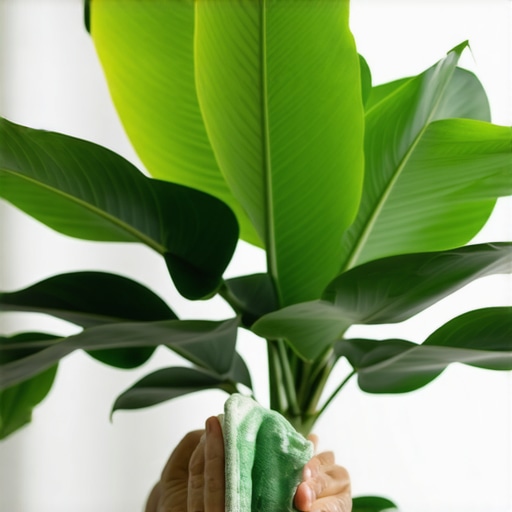
I’ll admit it—I’m a fake plant enthusiast. I don’t have a green thumb; I actually have what my husband calls a ‘black thumb of doom.’ So, when I finally filled my living room with beautiful artificial monsteras and silk ferns, I thought I was set for life. No watering, no wilting, no drama. Then, one Tuesday afternoon, the sun hit the leaves just right, and I realized my greenery wasn’t green anymore. It was covered in a thick, velvety layer of gray grime that looked like a prop from a haunted house. It wasn’t just unsightly; it felt gross to the touch. I tried to wipe one leaf with a wet paper towel, but it just smeared the dirt deeper into the texture of the leaf, leaving a streaky mess. I felt like a total failure. We spend so much time on a daily house cleaning routine to maintain perfection, yet we completely ignore the plastic jungle in the corner. If you’ve ever felt like your ‘low-maintenance’ decor has become a high-maintenance dust magnet, you are definitely not alone. Today, I’m sharing the exact method I use to restore that showroom shine without damaging the delicate materials. Believe me, I’ve made every mistake in the book—including the time I used a garden hose and turned the dust into a permanent muddy stain. (Pro tip: just as you have to be careful with specific upholstery fabrics, you must treat silk and plastic leaves with a gentle hand).
Stop Treating Artificial Leaves Like Hardwood Floors
[image_placeholder_1] The biggest hurdle isn’t the cleaning itself; it’s the fear of ruin. Many of us worry that water will loosen the glue or that chemicals will bleach the vibrant greens. According to research cited by the American Lung Association, indoor dust is often a cocktail of skin cells, pet dander, and outdoor pollutants. When this settles on your artificial plants, it doesn’t just look bad—it can trigger allergies every time you walk past. You can’t just ignore it, but you also shouldn’t treat them like your kitchen counters. I used to think effective house cleaning secrets from cleaning experts only applied to floors and windows, but your decor needs love too. Have you ever tried a cleaning ‘hack’ you saw online only to realize you made the mess ten times worse?
Is deep cleaning actually worth the effort?
You might be thinking, ‘It’s just a fake plant, why bother?’ But think about the cost. High-quality artificial plants are a real investment. If they look dusty, they look cheap and take away from the vibe of your home. The goal is to make them indistinguishable from the real thing. Much like how you’d learn the best way to lift dust from delicate fabric lampshades, you need a specific strategy for those nooks and crannies in your silk ivy. I’m going to walk you through the dry-cleaning method first, because moisture is often the enemy of artificial foliage.
Start with a Soft Touch to Avoid Permanent Scratches
Think of your silk plants as the fine china of your interior decor. You wouldn’t scrub a delicate plate with steel wool, and you certainly shouldn’t use a rough rag on fabric leaves. I always start with a soft-bristled paintbrush—the kind you find in an art supply store—to whisk away loose particles. This step is essential because why your vacuum filter might be making your allergies worse is a real concern; if you simply blow the dust around with a hairdryer, you are just recirculating allergens throughout your home. I learned this the hard way when I tried to use a standard feather duster on a silk ficus. The feathers caught on the delicate wire stems, and I ended up pulling half the leaves off. Instead, use a gentle downward stroke. If you are working on larger, flatter leaves, follow the logic of upholstery cleaning tips for a fresh home revival by supporting the leaf from behind with one hand while you brush with the other. This prevents the fabric from bending or creasing, which can lead to permanent damage.
Use the Salt Shaker Trick for Tiny Detailed Leaves
For those nightmare plants like baby’s breath or intricate ferns where a brush simply cannot reach, you need a more clever strategy. Get a large brown paper bag, pour in half a cup of coarse kosher salt, and place the plant (or just the branches, if it is a large tree) inside. Close the top tightly and shake gently for about sixty seconds. The salt acts as a mild abrasive that knocks the dust loose from every tiny crevice without damaging the underlying material. I once did this with a particularly grimy silk ivy I had neglected for three years atop a tall cabinet. When I pulled it out, the salt had turned a visible shade of gray, but the leaves looked like they had just come from the florist. It is one of those house cleaning strategies for a sparkling home today that feels like magic but is actually just simple physics. 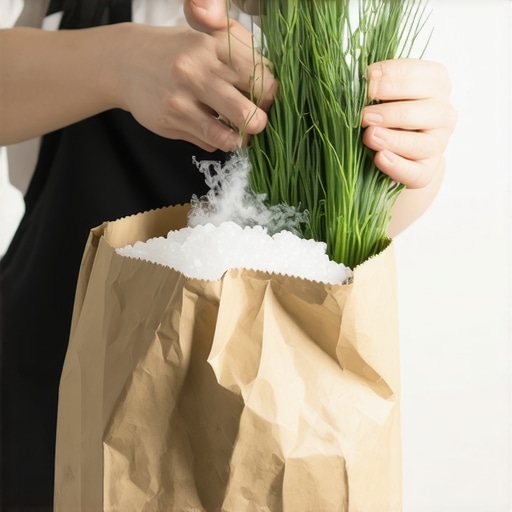
How to Deep Clean Plastic Without the Residue
If your plants are made of plastic or have a latex coating, you can be a bit more aggressive, but you must beware of leaving behind a dulling residue. Much like using the two cloth method for streak-free windows in half the time, you need a wet-dry approach here. Mix a few drops of mild dish soap in a spray bottle with lukewarm water. Mist the plant lightly—do not soak the base—and wipe each leaf carefully. To prevent the sticky film that often occurs in kitchens, similar to how to remove the sticky film on top of the kitchen fridge, go back over the surface with a dry microfiber cloth immediately. This is a vital part of maintaining effective sanitizing methods for a germ-free home, especially if your greenery lives in high-moisture areas. If you are dealing with stubborn grime, remember sanitizing secrets for a safer house in 2025: less is usually more. Over-saturating the stems can cause the internal structural wires to rust, leading to a situation similar to the reason your bathroom grout stays orange even after you scrub it. I once ruined a gorgeous artificial fiddle leaf fig by being too heavy-handed with a spray bottle; the water seeped into the trunk core and caused ugly orange stains that looked like a disease.
The transition from a dusty artificial monstera to a perfectly maintained home requires more than just a spray bottle and a dream; it requires a shift in how we perceive ‘clean.’ Most people operate under the contrarian myth that a house must smell like bleach to be truly sanitized. In my experience, a heavy chemical odor is actually a warning sign of poor ventilation or an over-reliance on caustic agents rather than mechanical cleaning. To achieve a professional-level finish, you need to understand the chemical ‘dwell time’—the specific amount of time a surface must remain wet with a product to actually kill pathogens. This is one of the most overlooked effective house cleaning secrets from cleaning experts that separates the amateurs from the pros.
Stop Trusting the Smell of Bleach
We’ve been conditioned to equate the sharp sting of chlorine with safety, but according to the Centers for Disease Control and Prevention (CDC), cleaning and disinfecting are two entirely different actions. Cleaning removes the physical soil—the ‘food’ for bacteria—while disinfecting kills the remaining organisms. If you spray a disinfectant directly onto a dusty surface without cleaning it first, the organic matter can actually neutralize the active ingredients in your cleaner. This is especially true when applying effective sanitizing methods for a germ-free home. You are essentially just ‘sanitizing the dust’ rather than the surface underneath. This nuance is vital when you are preparing for a landlord inspection and using move-out cleaning hacks to ensure your deposit refund; it’s the microscopic clean that keeps the inspector happy, not just the scent of the air.
The Invisible Risk of High-Heat Steam Cleaners
One of the most dangerous ‘traps’ in home maintenance is the universal application of steam. We assume heat equals clean, but this is a high-stakes gamble with your furniture. For instance, knowing why you should never use a steam cleaner on these specific upholstery fabrics like velvet or certain synthetics is crucial. High heat can permanently ‘set’ protein-based stains (like sweat or milk) or melt the delicate glue bonds in high-end artificial plants and upholstery frames. 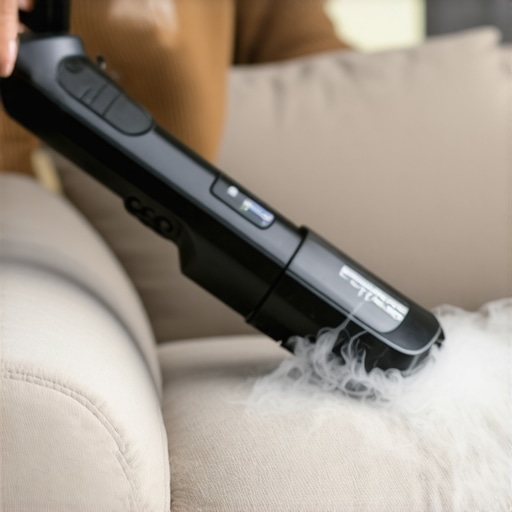 If you are looking for a safer way to maintain your living room, always refer to an ultimate upholstery care guide for lasting freshness before pulling out the heavy machinery. Moisture, if trapped in the internal foam of a sofa, can lead to mold growth within 48 hours, creating a problem much worse than a simple surface stain.
How can you tell if your disinfectant is actually working?
True sanitation is about physics, not just chemistry. Advanced cleaning involves managing the ‘biofilm’—a thin layer of bacteria that sticks to surfaces. To break this down, you often need mechanical agitation (scrubbing) rather than just a passive soak. When we discuss sanitizing secrets for a safer house in 2025, we focus on high-touch zones like light switches and remote controls where biofilms are thickest. If you just spray and immediately wipe, you’ve accomplished very little. You must let the product sit for the manufacturer’s recommended time—usually 3 to 10 minutes—to be effective. Have you ever fallen into the trap of the ‘spray and immediate wipe’ only to realize your surfaces still felt tacky? Let me know in the comments!
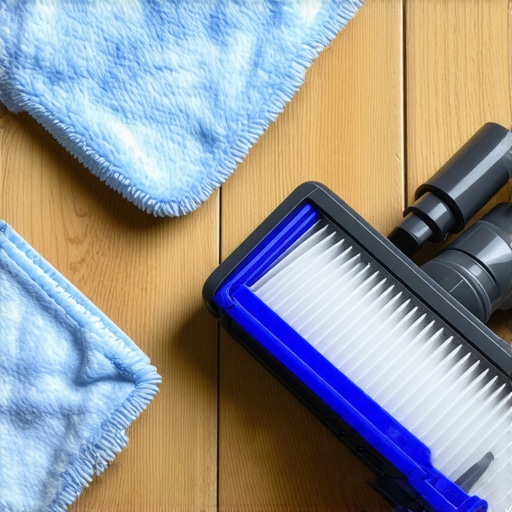
If you want to move beyond surface-level aesthetics and stop the cycle of endless scrubbing, you have to look at your tools. For years, I used a basic vacuum, thinking I was winning the war on dust. But according to technical standards from the Carpet and Rug Institute (CRI), a vacuum without a high-efficiency particulate air (HEPA) filter is often just a dust redistributor. It sucks up the big stuff and sprays the microscopic allergens back into your breathing zone. That’s exactly why your vacuum filter might be making your allergies worse. I finally invested in a sealed-system vacuum with a certified HEPA filter, and the difference in the air quality of my living room was immediate. It’s not just about the floors; it’s about stopping the particles before they settle on your delicate artificial plants or your sofa.
Upgrade Your Gear to Stop Chasing Dust
Maintenance isn’t about one big Saturday scrub; it’s about a daily house cleaning routine to maintain perfection. I use a ‘top-down’ approach where I spend five minutes every morning addressing high-touch surfaces like light switches and remotes. This avoids the need for aggressive scrubbing later. If you are a renter, this habit is your best friend. It’s the difference between a quick wipe-down and needing heavy-duty move-out cleaning hacks to ensure your deposit refund when you finally decide to move. I also recommend switching to high-gsm (grams per square meter) microfiber cloths. Unlike the cheap ones from the dollar store, professional-grade microfiber has millions of tiny hooks that grab pathogens instead of just sliding over them.
How do I maintain a deep clean for months at a time?
The secret isn’t more cleaning; it’s better barriers. I started using fabric protectors on my furniture after reading an ultimate upholstery care guide for lasting freshness. These create a molecular barrier that prevents spills from becoming permanent stains. Think of it like a screen protector for your sofa. To keep this going, you need to learn how to schedule a deep clean that actually lasts more than a week by syncing your tasks with the seasons. Spring is for filters and ducts; autumn is for deep upholstery sanitization. This prevents the ‘grime-stacking’ effect where layers of dirt become impossible to remove without professional help.
Future-Proof Your Space with Smart Maintenance
In the next few years, I predict we will see a massive shift toward UV-C integrated home devices and smart air quality monitors that tell you exactly when your ‘biofilm’ levels are too high. We are moving away from manual guesswork and toward data-driven home health. We already see this with sanitizing secrets for a safer house in 2025, where the focus is on air filtration as much as surface wiping. By staying ahead of these trends, you aren’t just cleaning a house; you are managing an ecosystem. Here is my advanced tip for you: next time you clean your plastic plants or upholstery, use a specialized static-reducing spray. It prevents the surface from acting like a magnet for new dust. Give it a try on one ‘dust-magnet’ item today and see how much longer it stays clean!
The Reality Check My Silk Ficus Gave Me
If there is one thing my years of battling the ‘black thumb of doom’ have taught me, it is that there is no such thing as truly zero-maintenance decor. I used to think that by buying plastic I was escaping the chores of a gardener, but I was actually just trading watering cans for duster brushes. One major lightbulb moment occurred when I realized that neglect doesn’t just make a plant look bad; it actually traps odors. If you have ever wondered how to get the smoke smell out of second-hand furniture, you might be surprised to find that your artificial plants are absorbing those same lingering scents. Another lesson? The ‘spray and pray’ method with generic cleaners is a recipe for sticky leaves. I now know that effective house cleaning secrets from cleaning experts always prioritize dry dusting before any liquid touches a surface. Finally, I learned that a clean home is a quiet home—not just visually, but for your respiratory system. Reducing the dust load on your decor is a fundamental part of any effective sanitizing methods for a germ-free home.
The Gear That Changed My Sunday Scour
To stop the cycle of endless cleaning, I had to upgrade from old t-shirts to tools designed for the job. First, I never go without a professional-grade microfiber cloth with a high GSM; it actually traps the dust rather than pushing it into the air. Second, I swear by a long-reach soft-bristle paintbrush for my ferns. It reaches spots a duster simply can’t touch. Third, I stopped using standard vacuums after learning why your vacuum is actually spreading more dust around. Investing in a true HEPA-sealed system was the single best move I made for my home’s air quality. These tools aren’t just gadgets; they are the foundation of house cleaning strategies for a sparkling home today that actually save you time in the long run.
Your Path to a Dust-Free Sanctuary
You don’t need to tackle your entire ‘indoor jungle’ in one afternoon. Start with one plant today—maybe that dusty monstera in the corner—and use the dry-brushing technique I shared. Remember, your home is an ecosystem, and keeping it healthy is a gift you give to yourself and your family. By applying these sanitizing secrets for a safer house in 2025, you are creating a space that doesn’t just look clean, but truly feels rejuvenated. Your house cleaning routine should empower you, not exhaust you. Have you ever accidentally ruined an artificial plant while trying to spruce it up, or do you have a secret hack of your own? Let me know in the comments below!