
I was standing in my driveway, sweat dripping down my face, holding a shop vac that sounded like a jet engine, and yet… nothing. My Lab’s hair wasn’t just on the seats; it was in the seats, woven through the fabric like some kind of structural reinforcement. It was embarrassing. Every time a friend hopped in for a ride to the store, they left looking like they’d hugged a werewolf. I realized that my usual cleaning habits were failing me because car upholstery is a completely different beast than the rugs in my living room. Even if you have mastered how to lift muddy paw prints from a cream rug without spreading the dirt, the interior of a vehicle presents a unique challenge of static and weave that makes dog hair feel permanent.
Stop Fighting the Fur and Start Winning
We love our dogs, but their “glitter” is a nightmare for any car owner who cares about their interior. Unlike the surface-level mess you deal with when following a daily house cleaning routine to maintain perfection, car hair gets embedded because of the constant friction of passengers moving in their seats. I used to think a more powerful vacuum was the answer, but why your vacuum is blowing dust back into the air taught me that suction alone isn’t the hero of this story. Years ago, I made the amateur mistake of using a stiff metal wire brush. I thought I was being thorough, but I actually ended up fraying the fabric fibers and permanently scratching the plastic trim. It was a painful lesson that nearly ruined my car’s resale value. Today, I am going to show you how to avoid my blunders and use specific, gentle agitation techniques that work even better than standard upholstery cleaning tips for a fresh home revival.
Does any of this actually work on stubborn short hair?
You know the kind—those short, needle-like hairs from Beagles or Pugs that seem to pierce through the fabric like tiny spears. According to the American Kennel Club, certain breeds have hair with a physical structure that facilitates “hooking” into woven materials, making it nearly impossible to dislodge with air pressure alone. If you have ever felt like your car was a lost cause, especially before a big trip or a sale, you are not alone. Have you ever spent an entire Saturday morning cleaning, only to have a single passenger point out a patch of fur you missed? It is frustrating, but I promise we can fix it. By the time we are done, your car will be as clean as the day you drove it off the lot.
Why Suction Fails and Friction Wins
The biggest mistake most of us make is relying entirely on the vacuum. When you look at the weave of your car seats, it is like a million tiny hands holding onto those individual dog hairs. Suction pulls from the top, but it does nothing to break the grip of the fibers. You need to create a gathering effect before the vacuum even touches the fabric. Think of it like raking leaves before you bag them; you wouldn’t try to vacuum a whole lawn of wet leaves, would you?
I remember a particularly humid Saturday when I was trying to clean my sedan after a weekend at the lake. My dog had managed to grind his coat into the passenger seat so deeply that even my industrial-strength shop vac was just whistling at the surface. I was frustrated and about to give up until I grabbed a pair of latex dishwashing gloves. I started swiping my hand across the seat, and suddenly, the hair began to roll up into thick, felt-like logs. It was disgusting but incredibly satisfying.
Grab Your Rubber Gloves
This is my number one tool for a reason. Simply put on a pair of rubber gloves and lightly dampen them with water. Rub your hand in one direction over the upholstery. The friction between the rubber and the fabric creates a static charge that pulls the hair out of the weave and into manageable clumps. This is significantly more effective than standard house cleaning strategies for a sparkling home today because it targets the mechanical bond between the hair and the synthetic car fibers. Once you have your clumps, then—and only then—do you use the vacuum to whisk them away.
Use a Squeegee for Large Flat Surfaces
If you are dealing with the flat back of a trunk or a bench seat, a window squeegee is your best friend. The sharp rubber edge acts like a giant scraper that pulls hair from the depths of the carpet. Just like when you are looking for an ultimate upholstery care guide for lasting freshness, the goal here is to agitate the surface. I have found that short, brisk strokes work best. Be careful around any plastic trim, as you don’t want to leave the kind of marks I did in my younger days.
Break the Static Bond With Fabric Softener
Sometimes the hair is stuck because of static electricity. To combat this, mix a few drops of liquid fabric softener with water in a spray bottle. Lightly mist the area—do not soak it. The softener lubricates the hair, making it slide out of the fabric much easier. This is a pro-level tip that goes beyond basic upholstery cleaning tips for a fresh home revival. If you find your car still has a lingering scent after this, it might be worth investigating why your living room still smells like pets after you vacuum, as the same logic often applies to car interiors.
The Toothbrush Trick for Crevices
The hardest spots are always the seams and the areas where the seat meets the center console. This is where the toothbrush trick for removing pet dander from baseboard crevices becomes a literal lifesaver. Use a stiff-bristled toothbrush to flick the hair out of the tight folds. It takes a bit of patience, but it is the difference between a clean car and a professional-looking detail. If you don’t do this, you will just be pushing the hair deeper into the gaps where it will stay forever.
While those tools get the physical hair out, there is a hidden layer of grime most people ignore: the oils and dander that are bonded to the fibers. Many well-meaning DIYers reach for a steam cleaner at this stage, assuming heat equals hygiene. However, a common contrarian view in the professional detailing world is that steam can actually be your enemy. Everyone says steam is the ultimate sanitizer, but in my experience, if you apply high heat to a protein-based stain—like pet saliva or dander—without immediate, high-powered extraction, you might be permanently ‘setting’ that odor into the seat cushion. You think you are cleaning, but you are actually cooking the smell into the fabric. If you aren’t careful, you will find out why you should never use a steam cleaner on these specific upholstery fabrics the hard way.
The High-Heat Mistake That Locks in Odors
The real ‘oops’ factor in car cleaning is a phenomenon called wicking. This happens when you over-wet the seat fabric, and the moisture seeps deep into the foam padding below. As the seat dries, the dirty water from the foam travels back up to the surface, bringing all the old stains and smells with it. This is why you might see a clean seat suddenly develop mysterious rings three days later. To prevent this, focus on dry agitation and light misting rather than heavy saturation. Using effective house cleaning secrets from cleaning experts, I have learned that the key to a true deep clean is low moisture and high contact time. If you notice your allergies flaring up even after a clean, it could be that why your vacuum filter might be making your allergies worse is actually the culprit, as it redistributes fine dander back into the cabin.
Can Heat Actually Lock Stains Into Your Fabric Forever?
Yes, and it is a nightmare to fix. According to the Institute of Inspection Cleaning and Restoration Certification (IICRC) S300 Standard, improper temperature control during cleaning can cause irreversible fiber shrinkage or dye migration. This is especially true for delicate materials. If you have been struggling with light-colored interiors, you might need specific advice on how to remove yellow perspiration stains from white fabric chairs before you even think about applying heat. The goal is to sanitize the surface without compromising the structural integrity of the seat itself. For the best results in 2025, look for sanitizing secrets for a safer house in 2025 that utilize botanical-based disinfectants which break down the oils without requiring boiling water.
Secure Your Deposit Without Over-Wetting Everything
If you are cleaning your car or even your living room to prepare for a sale or a move, the pressure is on. I have seen so many people lose their security deposits because they tried to do a ‘deep clean’ that ended up warping the wood floors or mildewing the couch cushions. Following move-out cleaning hacks ensure your deposit refund by teaching you that thoroughness does not equal soaking. Always start with the most conservative method and work your way up. Have you ever fallen into this trap of over-cleaning and making a mess worse? Let me know in the comments. By staying focused on mechanical agitation and proper filtration, you ensure your car stays fresh for the long haul.
Upgrade Your Gear to Save Your Back
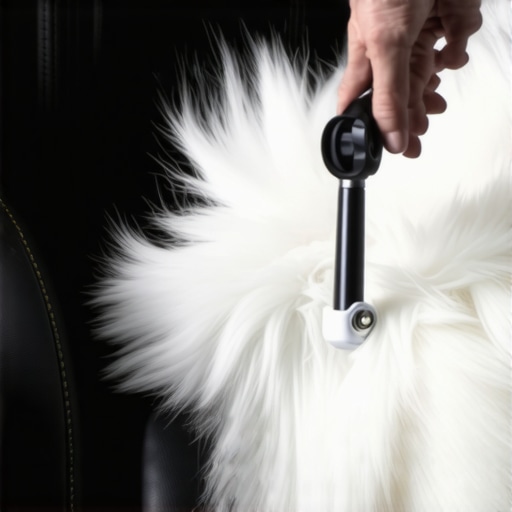
While the rubber glove trick is a fantastic DIY hack, if you find yourself cleaning your car weekly, it is time to invest in a dedicated detailing rake or a Lily Brush. I personally use the Mini Pet Hair Detailer because its specific polymer edge grabs the hair that standard vacuum brushes simply glide over. I discovered that using the wrong friction tool can actually generate enough heat to slightly melt synthetic polyester fibers, creating a permanent ‘burn’ mark that looks like a stain but is actually damaged plastic. I pair this manual agitation with a vacuum featuring a HEPA 13 filter. If you have ever wondered why your vacuum filter might be making your allergies worse, it is likely because low-grade filters allow microscopic pet dander to pass right through the motor and back into your breathing zone. For those of us with sensitive lungs, this is non-negotiable.
How do I maintain a pet-friendly interior over time?
Consistency beats intensity every single time. I used to wait until I couldn’t see the floor mats before cleaning, but now I incorporate a few minutes of maintenance into my daily house cleaning routine to maintain perfection. For car owners, this means a 60-second pass with a lint roller after every trip to the park. To make this easier, I recommend applying a ceramic fabric protector. According to the technical specifications from Gtechniq, these nano-coatings surround individual fibers without changing the feel of the seat, making the fabric hydrophobic. This prevents liquids—and the oils from your dog’s skin—from soaking into the foam, providing the ultimate upholstery care guide for lasting freshness. When accidents do happen, you can simply blot them away rather than scrubbing them into the grain.
Smarter Surfaces are the Future of Detailing
If you are preparing for a lease return or selling your vehicle, you need to follow a move-out clean checklist to simplify your transition. One area most people miss is the cabin air filter. No matter how much you scrub the seats, if the filter is clogged with hair and dander, the smell will return the moment you turn on the AC. Using sanitizing secrets for a safer house in 2025, we are seeing more people use portable ozone generators to neutralize odors, though these must be used with extreme caution to avoid damaging interior rubber seals. Looking ahead, I predict car manufacturers will soon introduce self-cleaning fabrics embedded with light-activated titanium dioxide, which breaks down organic matter like pet saliva automatically when exposed to sunlight. This type of innovation is already being discussed in effective house cleaning secrets from cleaning experts as we move toward more autonomous home and car maintenance. For now, try the fabric softener mist I mentioned earlier—it is the fastest way to break the static bond and get that professional look in under ten minutes.
The One Mistake That Taught Me Everything About Car Interior Hygiene
I once spent six hours detailing a client’s SUV, only to have them return it the next day because the dog smell came back. I had removed every visible hair, but I had not addressed the dander trapped in the seatbelt webbing or the door seals. I learned that hair is only half the battle; the microscopic skin cells and oils are what truly linger. If you are moving out and need your car or home to be perfect, how to get your security deposit back when you have pets often comes down to these hidden spots. Another lightbulb moment was realizing that some fabrics actually heat-seal if you use the wrong chemical; always test a small area first to avoid permanent damage. Finally, I discovered that cleaning while the car is in direct sunlight is a recipe for streaky residues and dried-on cleaners, so I always recommend working in the shade whenever possible.
The Gear I Actually Use When the Camera Is Off
You do not need a thousand-dollar setup to get professional results. I personally swear by the Lily Brush Mini for those stubborn spear hairs that defy even the best effective house cleaning secrets from cleaning experts. I also keep a set of detailing brushes with soft bristles for agitating the dust out of delicate AC vents without scratching the plastic. For the final sanitize, I rely on botanical-based solutions mentioned in our sanitizing secrets for a safer house in 2025 because they kill the odor-causing bacteria without leaving a chemical film that actually attracts more dirt later. These tools are my personal holy trinity for any interior job.
Drive Without the Dander Today
Cleaning your car should not feel like a punishment for being a dog lover. Once you master the friction-first approach and stop relying solely on suction, you will find that maintaining a pristine interior takes minutes instead of hours. Whether you are following upholstery cleaning tips for a fresh home revival or just prepping for a long weekend road trip, the peace of mind that comes with a fresh, hair-free cabin is worth the small effort. Go ahead, take that first step with the rubber glove trick and see the difference for yourself. Have you ever found a mystery stain or a hair patch in your car that seemingly would not budge no matter what you tried? Let me know your biggest detailing struggle in the comments below!