
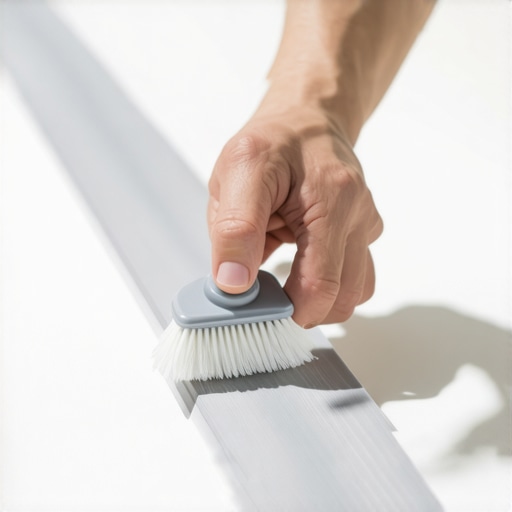
I vividly remember the afternoon my sliding glass door finally gave up. I was trying to step out onto the patio with a tray of drinks, and the door didn’t just stick—it screeched. A sound so high-pitched it probably offended every neighborhood dog. I looked down, and the track was a disaster zone. It wasn’t just dust; it was a solidified ecosystem of pet hair, dead bugs, and outdoor grit. I felt like a total failure as a homeowner. I tried to ‘quick fix’ it by spraying some window cleaner and wiping it with a paper towel. All I did was create a muddy paste that eventually dried into concrete. It was a visceral reminder that the small spots we neglect often cause the biggest headaches. [image_placeholder]
My Frustrating Battle with a Gritty Sliding Door
Early in my journey of keeping a home, I made the amateur mistake of thinking this was a once-a-year chore that required industrial power tools. I actually tried to pour a bucket of soapy water directly into the track once, thinking I’d just flush it out. Instead, I flooded my carpet and created a massive mold risk. Trust me, you don’t want to do that. If you’re currently dealing with a door that requires a gym membership to slide open, you’re not alone. I spent years doing it the hard way before I realized that the window track hack that uses a sponge and a utility knife is actually the gold standard for efficiency.
Does a five-minute fix actually work?
I get the skepticism. Most people assume that if a chore is this gross, it must be time-consuming. But we aren’t rebuilding the door here. We are performing a surgical strike on the grime. By using a specific combination of dry-lifting and targeted moisture, you can bypass the ‘scrubbing for hours’ phase. This is a vital part of a daily house cleaning routine to maintain perfection if you live in a windy or dusty area. It’s about working smarter, not harder, to keep those tracks gliding like they were just installed.
Why Your Gunked-Up Tracks Are a Secret Health Hazard
It’s easy to ignore those tracks because they’re underfoot and out of sight. However, that black gunk isn’t just harmless dirt. According to the American Lung Association, indoor air can be significantly more polluted than outdoor air, and window tracks are a prime collection point for outdoor allergens, pollen, and moisture-loving mold. When you slide that door open, you’re potentially kicking those particles right into your living room. Even why professional cleaners always start at the top of the room explains that gravity is our enemy; everything falls to the floor, and eventually, it all settles right in those sliding tracks. Cleaning these tracks is about more than just aesthetics; it’s about the longevity of your home. A clogged track wears down the rollers on the bottom of your door, leading to a repair bill that’s much higher than the cost of a little vinegar and a brush. If you’re prepping for a transition, knowing the window track cleaning hack you actually need for a move-out can be the difference between getting your deposit back and losing a chunk to maintenance fees. Have you ever had a guest struggle to open your patio door, leaving you to awkwardly explain that it just needs a little muscle? I want to hear your worst ‘stuck door’ stories in the comments! Today, I’m going to show you exactly how to stop the struggle.
Empty the Debris Before Adding Moisture
Starting with a dry run is non-negotiable. You wouldn’t try to mop a floor covered in loose gravel, and the same logic applies here. I once tried to skip this and went straight in with a wet rag; it was a disaster. The water turned the dust into a thick, gray paste that felt like I was trying to wipe up wet flour. It smeared into every tiny corner and actually made the door harder to move. Now, I always start with a narrow vacuum attachment or a stiff-bristled brush to knock loose the large chunks of grit and pet hair. This is one of the most effective house cleaning secrets from cleaning experts that saves you twenty minutes of scrubbing later. 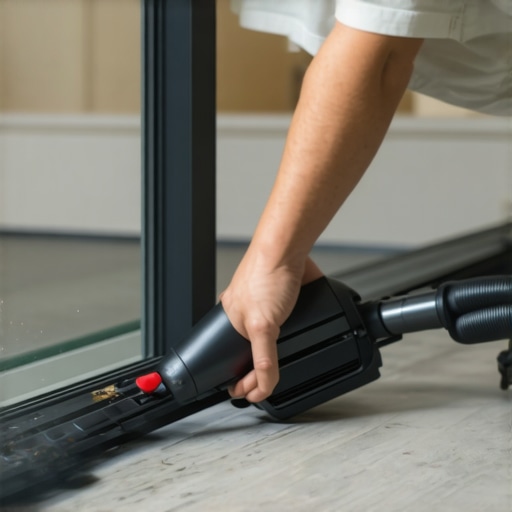
Grab the Vacuum First
Use your vacuum’s crevice tool to suck up the big stuff. If you have deep tracks, an old toothbrush works wonders for flicking the dirt out of the corners and into the path of the suction. Think of this like prepping a canvas before painting; the cleaner the surface is now, the better your final results will be.
The Magic of Chemical Reaction Cleaning
Once the loose dirt is gone, it’s time for the heavy hitters. You don’t need harsh chemicals that smell like a lab. A simple dusting of baking soda followed by a light spray of white vinegar creates a bubbling reaction that lifts the deep-seated grime to the surface. It’s like using a tiny army of jackhammers to break up the ‘concrete’ that has formed in the tracks over the years. This method is a staple when considering sanitizing hacks for safe house transitions because it’s both effective and safe for your family and pets.
Apply the Baking Soda and Vinegar Mix
Sprinkle a generous amount of baking soda into the track, focusing on the dark spots. Then, slowly pour or spray vinegar over it. Let it sit for about five to ten minutes. You’ll see the foam turn brown as it pulls the dirt out of the metal. This is the perfect time to check other areas of your home, perhaps following a daily house cleaning routine to maintain perfection in the kitchen while the vinegar does the hard work for you.
Mastering the Detailed Extraction Phase
After the fizzing stops, take a microfiber cloth or a paper towel and start wiping from one end to the other. You’ll be shocked at how easily the gunk comes up. For those stubborn spots in the very corner where the door meets the frame, I use a flat-head screwdriver wrapped in a thin cloth to get deep into the groove. If you’re preparing a rental for an inspection, utilizing move-out cleaning strategies to secure your deposit means paying attention to these mechanical details that landlords love to check.
Finish with a Dry Polish
The biggest mistake people make is leaving the tracks damp. Moisture attracts new dust instantly, and you’ll be back to square one in a week. Take a clean, dry cloth and buff the metal until it shines. This ensures that your house cleaning strategies for a sparkling home today actually last through the month. A dry track is a happy track, allowing the rollers to move without any resistance or ‘crunchy’ sounds.
Stop Wiping Your Disinfectant Away Too Early
Now that we’ve mastered the physical debris of the tracks, let’s talk about a major mistake I see when people move from cleaning to sanitizing. Most people think a quick spray of a disinfectant followed by an immediate wipe is enough, but in my experience, that is mostly hygiene theater. To actually kill germs, you have to respect ‘dwell time.’ According to the Environmental Protection Agency (EPA), many common household disinfectants require the surface to remain visibly wet for up to ten minutes to effectively neutralize pathogens. If you’re buffing the surface dry immediately, you’re essentially just moving the bacteria around with a damp cloth. This is one of those sanitizing secrets for a safer house in 2025 that even seasoned cleaners often overlook because we are always in a rush. 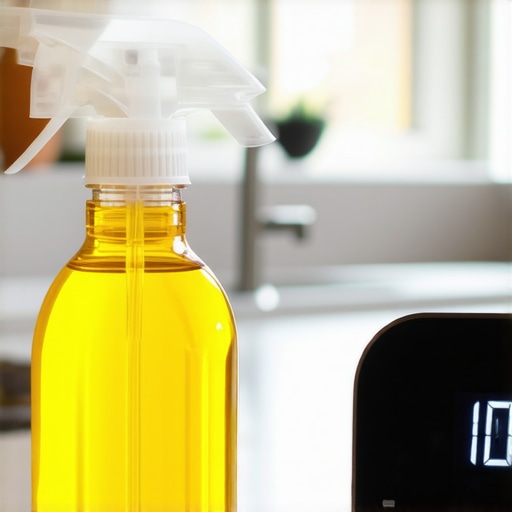
The Dangerous Lure of Excessive Soap
Another nuance that separates the pros from the amateurs is the ‘residue trap.’ Have you ever noticed that your surfaces feel slightly tacky after a deep scrub? This is the ultimate ‘oops’ factor. Homeowners often use way too much product, thinking more foam equals a deeper clean. However, excessive soap creates a microscopic sticky film that acts as a magnet for new dust. I see this happen constantly during a move-out cleaning strategies to secure your deposit session, where over-enthusiastic scrubbing with heavy detergents leaves the counters feeling grimy to the touch. Have you ever fallen into this trap? Let me know in the comments! It took me years to realize that ‘less is more’ applies to chemicals just as much as home decor.
Why does my furniture look worse after a professional-style scrub?
When it comes to upholstery, the stakes are even higher than a window track. Many people assume a steam cleaner is a universal solution, but why you should never use a steam cleaner on these specific upholstery fabrics comes down to fiber integrity. High heat can melt synthetic blends or cause permanent shrinkage in natural weaves. Furthermore, knowing how to treat s-coded upholstery fabric without ruining it is essential because ‘S’ stands for solvent-based cleaning only—applying water to these pieces will leave permanent, unsightly rings. Real expertise isn’t just about the strength of your scrub; it’s about the chemistry of your methods. Integrating effective house cleaning secrets from cleaning experts means pausing to check the label before you pull the trigger on that spray bottle. If you’re prepping for a big change, following a daily house cleaning routine to maintain perfection will always be easier than trying to fix a month of built-up chemical residue in one afternoon.
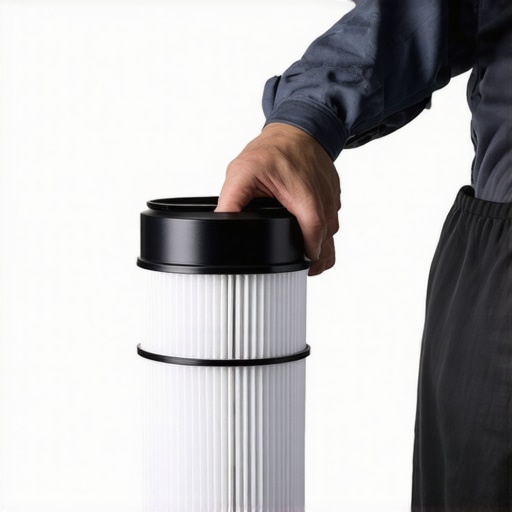
To avoid the sticky residue I mentioned earlier, I eventually had to change my entire approach to equipment. I realized that my standard store-bought tools were actually holding me back. For example, I upgraded to a high-efficiency particulate air (HEPA) vacuum because I learned why your vacuum is blowing dust back into the air and sabotaging your hard work. If you aren’t capturing the micro-particles at the source, you are essentially just moving the dirt around the room in a never-ending cycle. This is especially true for those of us with pets or allergies; the right tool isn’t a luxury, it is a requirement for a truly healthy environment.
The Specialized Gear That Keeps My Home From Falling Apart
When it comes to my furniture, I no longer guess. I follow the technical guidelines from the IICRC (Institute of Inspection Cleaning and Restoration Certification), specifically their S300 standard, which warns against the dangers of ‘over-wetting’ natural fibers. This can lead to cellulosic browning or even permanent shrinking. To stay safe, I always keep an ultimate upholstery care guide for lasting freshness nearby. For the small, detailed tasks like those pesky sliding tracks, I’ve found that a dedicated steam detailer—one with a narrow nozzle—is far superior to any chemical spray. It uses pressurized water vapor to melt grease without leaving behind the film that attracts new dust. This is the gold standard for effective sanitizing methods for a germ-free home because heat kills pathogens more reliably than a rushed spray-and-wipe session.
How do I keep everything looking new month after month?
Maintenance is a marathon, not a sprint. The secret to a home that always looks professionally cleaned isn’t a massive weekend overhaul; it is the implementation of micro-habits. For instance, I’ve adopted the 5-minute daily habit that keeps your entryway mud-free, which prevents 80% of the grit from ever reaching my sliding door tracks or carpets. By stopping the dirt at the door, I’ve extended the life of my flooring by years. Integrating house-cleaning strategies for a sparkling home today means being proactive rather than reactive. I also set a quarterly reminder to check the mechanical parts of my home, like the door rollers and window hinges, applying a dry silicone lubricant that doesn’t attract gunk. If you’re currently renting, staying on top of these small tasks is a cornerstone of move-out cleaning strategies to secure your deposit without the last-minute stress.
Where the Cleaning Industry is Heading in 2026
Looking ahead, I predict that home maintenance is going to become much more data-driven. We are already seeing the rise of smart sensors that can detect air quality and dust levels in real-time. By 2026, I expect we will have integrated systems in our homes that alert us exactly when a surface needs sanitizing secrets for a safer house in 2025, moving us away from arbitrary schedules and toward precision care. This technology will likely focus on chemical-free solutions like UV-C light and advanced steam tech, making our living spaces safer for both our families and the planet. To stay ahead of the curve, I highly recommend trying one advanced tip today: swap your generic ‘all-purpose’ cleaner for a pH-neutral solution for your sensitive surfaces. It is a simple shift from effective house cleaning secrets from cleaning experts that prevents the long-term degradation of your home’s finishes. Check your labels and see what you’ve really been putting on your furniture!
The Hard Truth About Neglecting Your Sliding Door Hardware
If there is one thing I’ve learned after years of trial and error, it is that a dirty track is actually an expensive track. When grit builds up, it doesn’t just look bad; it acts like sandpaper on the plastic rollers under your door. I once ignored a sticking door for a full summer, and by autumn, the rollers were so shredded I had to hire a professional to lift the entire 200-pound glass panel out of the frame. That ‘free’ cleaning I skipped ended up costing me a weekend of stress and a hefty repair bill. This is why I advocate for proactive maintenance—it’s not about perfection; it’s about protecting your biggest investment. I also realized that the black stuff in the tracks was often mold, not just dirt, which is why effective sanitizing methods for a germ-free home are so vital for your family’s health.
The Reliable Resources I Keep in My Utility Closet
You don’t need a hundred different sprays to maintain a high-end finish. My toolkit is surprisingly simple: a high-quality HEPA vacuum to ensure I’m not one of those people blowing dust back into the air, a handful of microfiber cloths, and a basic steam detailer. For the deeper dives into fabric care, I always keep the ultimate upholstery care guide for lasting freshness bookmarked. If you’re moving soon, don’t guess what the landlord wants—use a proven move-out clean checklist to simplify your transition. These resources have saved me from countless ‘rookie mistakes’ like using the wrong chemical on a sensitive surface.
Start Your Transformation One Track at a Time
It’s easy to feel overwhelmed by a whole house, but the magic happens when you focus on one small win. Once you hear that satisfying silence as your patio door glides open, you’ll be hooked on the results. Using smart house cleaning strategies for a sparkling home today isn’t just about the physical space; it’s about the mental clarity that comes with a well-ordered environment. You deserve a home that works for you, not against you. Have you ever discovered a ‘hidden’ spot in your home that was way dirtier than you expected? Let me know your biggest cleaning surprise in the comments below!