
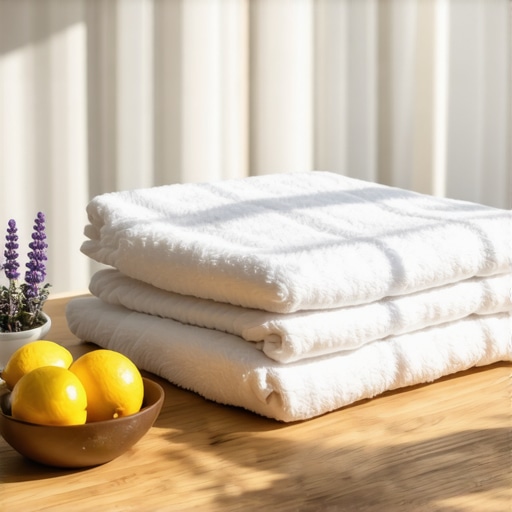
I stood there, frozen, as my guest politely handed back a hand towel that smelled like it had been used to dry off a swamp monster. I had just pulled it from the dryer! I thought I was being the ultimate clean person, but the truth was, my laundry routine was a disaster. That sour, damp odor—often caused by bacteria like Moraxella osloensis—is incredibly stubborn. According to the American Cleaning Institute, laundry odor is one of the top complaints among homeowners because traditional detergents often just mask the scent rather than killing the source. [image]
Stop Hiding the Stink and Fix Your Linens for Good
We’ve all been there. You step out of a relaxing shower, feeling like a million bucks, only to press a face cloth against your skin that smells like old gym socks. It’s frustrating because we think heat and soap should be enough. I used to think the answer was just adding more detergent and a triple dose of fabric softener. Big mistake. In fact, that’s exactly how to trap bacteria in your fabric instead of washing it away. Today, I’m going to share the exact routine I used to rescue my linen closet from the brink of disposal. We aren’t just talking about a quick spray of perfume; we are looking at sanitizing secrets that actually break down the biofilm causing that funk.
Can You Really Save Towels That Already Smell?
I get it—you’re skeptical. You’ve probably tried every hacks video on the internet and your towels still come out smelling like a wet basement. You might even be considering throwing them all out and starting over. Before you spend a fortune on new linens, let me tell you: yes, they are salvageable. The secret isn’t a secret chemical; it’s understanding the science of buildup. Early on, I didn’t realize that why your washing machine smells like a swamp often has everything to do with how your towels end up smelling. I was neglecting the machine itself, which meant I was just rotating the same mildew from the drum into the fibers. I spent years making this mistake before I realized that reviving fabrics requires a different approach than standard cleaning. Have you ever found yourself re-washing the same load three times because you forgot it in the machine overnight? I’d love to hear your worst laundry fail in the comments—we’ve all had them! Once I stopped relying on those sugary-sweet scent boosters and started focusing on real disinfection, everything changed. I’m going to walk you through the stripping process and the temperature settings that actually matter. We are going to treat your towels with the same care you’d give to ultimate upholstery care, ensuring they stay fluffy and, most importantly, scent-free for weeks. This isn’t just about laundry; it is about creating a home that feels truly fresh.
Strip Away the Biofilm Trapping Those Smells
The biggest reason your towels still smell is a layer of waxy buildup from detergents and softeners that traps bacteria deep inside the fibers. This is where you need to perform what is known as ‘laundry stripping.’ Fill your bathtub or a large basin with the hottest water possible and add a mix of borax, washing soda, and a small amount of heavy-duty detergent. I remember the first time I did this; I threw in six ‘clean’ white towels and walked away. Two hours later, the water was a murky, swampy gray. I was horrified. This deep-clean method is one of the most effective sanitizing methods for a germ-free home because it physically pulls out the gunk that a 40-minute machine cycle misses. Agitate the towels every hour and let them soak until the water cools.
#IMAGE_PLACE_HOLDER_B#
Ditch the Fabric Softener Immediately
It sounds counterintuitive because softener smells ‘pretty,’ but it is essentially liquid wax. It coats the fibers, making them less absorbent and creating a buffet for bacteria. If you are trying to maintain a daily house cleaning routine to maintain perfection, replace that blue liquid with half a cup of white vinegar in the rinse cycle. The vinegar cuts through any remaining soap residue without leaving a scent of its own once dry. This same logic applies when you are learning ultimate upholstery care—less is often more when it comes to chemical residues and maintaining fabric integrity.
Clean the Machine That Cleans the Clothes
You wouldn’t wash your dishes in a dirty dishwasher, yet we often ignore the washing machine for years. If your drum has a funky odor, your towels will never stand a chance. This is usually how to get rid of the musty odor in your washing machine: run a specialized cleaning cycle with a dedicated drum cleaner or a high-concentration bleach solution on the hottest setting. Pay special attention to the rubber gasket on front-loaders. I once found a layer of black slime behind mine that was single-handedly ruining my laundry. While you are at it, don’t forget to clean the filter inside your dryer to ensure proper airflow, which prevents the dampness that leads to mildew growth.
Master the Heat Settings for Sanitization
While heat kills most bacteria, it isn’t always the answer for every stain. For example, you should know why you should never use hot water on a fresh blood stain because it sets the protein into the fabric. However, for stinky towels, 140°F (60°C) is the magic number for sanitization. If your water heater is dialed too low, the soap won’t activate properly. To prevent future issues, follow how to stop cross-contamination while cleaning the bathroom by keeping your face cloths and floor mats in separate wash loads. This prevents the heavy bacteria from the floor from hitching a ride on the fabric you use on your face, ensuring a truly hygienic result.
Stop Wiping Your Disinfectant Away Too Fast
I used to think that a quick spray of a ‘germ-killing’ solution was enough to keep my family safe. I’d spray, wipe immediately, and feel like a cleaning hero. But here’s the contrarian truth that professional cleaners know: you are probably just moving the bacteria around. Cleaning and disinfecting are two entirely different processes. According to the Environmental Protection Agency (EPA), every registered disinfectant has a specific ‘dwell time’—the amount of time a surface must remain visibly wet to actually kill the pathogens listed on the label. Many common household cleaners require a full ten minutes of contact time to be effective. If you’re wiping it off after five seconds, you aren’t sanitizing; you’re just polishing the germs. This is exactly effective house cleaning secrets from cleaning experts: patience is more powerful than the scrub brush itself.
#IMAGE_PLACE_HOLDER_C#
The Natural Cleaner Trap That Ruins Expensive Surfaces
We’ve all heard that vinegar is the ultimate green cleaning solution. While I love a natural approach, using it blindly is a major ‘oops’ factor that can cost you thousands. Vinegar is an acid, and it can etch and dull natural stone surfaces permanently. I’ve seen beautiful kitchens ruined because homeowners didn’t realize why vinegar is not always the best choice for granite countertops. If you want to maintain a daily house cleaning routine to maintain perfection, you must match the pH of your cleaner to the surface you are treating. Using the wrong product creates a film that makes you wonder why your floors feel sticky even after you finished mopping. It isn’t more dirt; it’s a chemical reaction that’s destroying your finish.
How Do I Know if My Upholstery Can Handle Deep Sanitizing?
When it comes to fabrics, the stakes are even higher. I once tried to steam-clean a vintage velvet armchair and watched in horror as the fabric distorted right before my eyes. Before you apply any heat or liquid, you have to check the manufacturer’s cleaning code. If you see an ‘S’ tag, it means ‘Solvent Only.’ You absolutely must know how to treat S-coded upholstery fabric without ruining it. Water-based cleaners on these fabrics will cause permanent shrinking or water spotting. For those deeper refreshes, look into upholstery cleaning tips for a fresh home revival that prioritize fabric integrity over aggressive scrubbing. Real expertise means knowing when to step away from the steam cleaner.
The Hidden Spots That Kill Your Security Deposit
If you are moving, you might think a vacuum and a surface wipe-down is enough. It’s not. Landlords look for the grease you’ve ignored for years. One of the most critical move-out cleaning strategies to secure your deposit involves looking where you never look. For instance, do you know why the space behind the oven costs most renters their deposit? It’s a magnet for dust and congealed grease that most tenants ignore. Taking the extra twenty minutes to pull out appliances and apply sanitizing secrets to those hidden zones is the difference between getting your check back and losing it to a cleaning fee. Have you ever fallen into the ‘spray and wipe’ trap or lost a deposit because of a hidden spot? Let me know in the comments—I’ve definitely been there!
Now that you’ve addressed the hidden grease and bacterial build-up, the real challenge begins: keeping it that way. Most people treat deep cleaning as a once-a-year event, but I’ve found that the secret to a perpetually fresh home lies in the tools you choose to leave in your utility closet. For instance, I completely stopped using standard vacuums after realizing they were just redistributing the microscopic allergens I was trying to remove. If you don’t have a vacuum with a certified HEPA filter, why your vacuum is blowing dust back into the air becomes a daily frustration rather than a one-time fix. I personally rely on a sealed-system vacuum because it ensures that once the dirt enters the canister, it stays there. This is a non-negotiable part of any daily house cleaning routine to maintain perfection.
How do I keep my home truly sanitized for the long haul?
Maintenance isn’t about scrubbing for hours; it’s about strategic cycles. I follow the ‘Top-Down, Left-to-Right’ rule used by professionals, which ensures I never have to clean the same surface twice. But more importantly, I look at the technical side of my fabrics. According to the Institute of Inspection Cleaning and Restoration Certification (IICRC) S100 standard, consistent soil suspension is the only way to prevent permanent fiber degradation in your furniture. This means you should be using a soft-bristled brush to agitate your upholstery once a month before vacuuming. It prevents the grit from acting like sandpaper on the fibers, which is one of those effective house cleaning secrets from cleaning experts that actually saves you thousands in replacement costs over time.
#IMAGE_PLACE_HOLDER_D#
Invest in Tools That Work Harder Than You Do
If you are still using a traditional mop and bucket, you are likely just spreading dirty water around. I switched to a high-quality microfiber system with dual-chamber buckets to ensure only clean water touches my floors. However, be careful with the trendy gear; for example, you need to know why your steam mop might be ruining your laminate floors-2 before you blast your expensive flooring with high-pressure vapor. The heat can delaminate the glue, causing irreversible warping. Instead, focus on house cleaning strategies for a sparkling home today that prioritize pH-neutral cleaners and damp-mopping techniques. These tools, combined with a solid understanding of ultimate upholstery care guide for lasting freshness, create an environment where germs simply cannot find a place to hide.
Looking ahead, I predict a massive shift toward bio-enzymatic cleaners—products that use living bacteria to ‘eat’ organic waste like pet odors and grease long after you’ve finished wiping. We are moving away from harsh, skin-irritating chemicals and toward smart, probiotic sanitization. To get ahead of the curve, I challenge you to try one advanced tip this week: check your vacuum’s exhaust filter. If it looks gray or smells like old pets, it’s time for a replacement. You’ll be shocked at how much fresher your air feels once you stop why your vacuum filter might be making your allergies worse-2 from being a factor in your home. Taking the time to how to schedule a deep clean that actually lasts more than a week starts with ensuring your gear is in top shape.
My Biggest Reality Checks After Years of Cleaning Fails
Reflecting on my journey from ‘swamp towels’ to a truly fresh home, the biggest lesson I learned was that fragrance is not a substitute for hygiene. I spent hundreds of dollars on scented beads and softeners before realizing I was just perfume-coating a layer of bacteria. Another lightbulb moment occurred when I stopped treating my cleaning tools as self-cleaning; your sponges, mops, and brushes need a daily house cleaning routine just as much as your floors do. Finally, I learned to respect the science of dwell time—patience truly is the most effective ingredient in any disinfectant. Once I stopped rushing, my home didn’t just look cleaner; it felt physically lighter and healthier.
#IMAGE_PLACE_HOLDER_E#
The Gear That Makes My Scent-Free Routine Possible
If you are looking to upgrade your cleaning game, I recommend focusing on tools that actually remove matter rather than moving it around. I swear by high-density microfiber cloths, which can trap up to 99% of bacteria with just water, though I still use sanitizing secrets for high-touch areas. For anyone struggling with persistent kitchen odors, look into bio-enzymatic cleaners; they are much safer for your family than harsh bleach and continue working for hours. For those moving between homes, having a reliable move-out cleaning strategy involving a heavy-duty degreaser and a HEPA-filtered vacuum is the only way to ensure you leave the space better than you found it.
Your Path to a Refreshingly Clean Sanctuary
Taking control of your home’s environment doesn’t have to be an overwhelming weekend-long marathon. It starts with small, intentional changes: checking a fabric label before scrubbing, letting a disinfectant sit for the full ten minutes, or finally figuring out why your washing machine smells like a swamp. You deserve to live in a space that supports your health and provides real peace of mind. If you ever feel stuck or run into a stain that feels impossible to conquer, don’t hesitate to reach out to us at Spotless Carpetz for professional guidance. House cleaning is a skill that grows with time, and every step you take toward better sanitization makes your home a safer haven for everyone inside. What is the one laundry or cleaning smell you just can’t seem to get rid of? Let me know in the comments below!