
I stood in my kitchen last Tuesday, arms literally shaking from three hours of “elbow grease,” and looked at my island. It should have been a mirror. Instead, it looked like a dusty chalkboard that someone had tried to wipe with a greasy rag. I’d used the expensive sprays, the microfiber cloths, and even a power buffer I borrowed from my brother-in-law. Nothing. It’s a soul-crushing moment when you realize your “luxury” granite looks worse than the cheap laminate in your first apartment. I remember my neighbor, Mrs. Gable, coming over and asking if I had tried “that new miracle wax spray.” I did, and it just made the footprints from my cat look like permanent etchings.
Stop Buffing and Start Looking for the Real Culprit
If you are anything like I was, you probably think the solution is just more polish. I spent years thinking that if the shine wasn’t there, I just hadn’t rubbed hard enough. That was my first big mistake—I was essentially building a mountain of wax on top of my stone. If you’re following house cleaning strategies for a sparkling home today, you’ll learn that the secret to a real glow isn’t what you add, but what you take away. That dullness is usually a “ghost” layer of old soap, hard water minerals, or a wax-based cleaner that has finally given up the ghost. [image_placeholder] According to the Natural Stone Institute, using cleaners with the wrong pH balance can actually micro-etch the surface, turning that smooth finish into a series of microscopic valleys that swallow light instead of reflecting it. It is not just about dirt; it’s about the very chemistry of the stone.
Are your cleaning products actually the enemy?
It sounds like a conspiracy theory, but many “granite-safe” products are anything but. I once made the classic error of thinking vinegar is your best friend for cleaning hard water stains and applied it to a stubborn spot near my sink. Within minutes, I’d created a permanent dull patch. Granite is tough, but it’s chemically sensitive. Another trap I fell into was spraying cleaning products directly on surfaces, which leads to uneven saturation and those dreaded cloudy streaks. Have you ever felt like you were just moving the dirt around instead of actually cleaning it? It’s incredibly frustrating. Today, we are going to strip back the lies and the wax build-up to finally find the beautiful, deep stone hiding underneath. We’ll look at why your current routine is failing and how to fix it without calling in a professional crew.
Strip Away the Ghost Layers
To get that mirror finish, you have to hit the reset button. I spent a whole Saturday once trying to “clean” my counters with a generic kitchen degreaser, only to find the surface felt even stickier. What I was actually doing was emulsifying old wax into a paste. You need to use a dedicated stone stripper or a very mild, diluted mixture of ammonia and water—but only if you know your sealer can handle it. Think of this process like how you would safely lift decades of wax from floorboards without sanding; the goal is to dissolve the build-up without harming the foundation. When I finally used the right stripper, the sludge that came off was a muddy brown. It was the physical evidence of five years of “good intentions” sitting on my island. 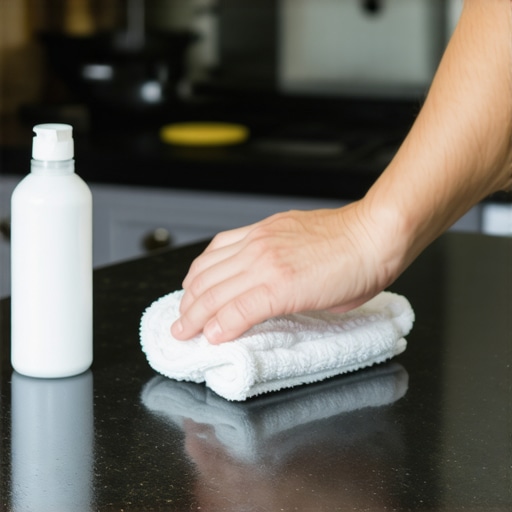
Why pH-Neutral Cleaners Are Non-Negotiable
Natural stone is alive in a chemical sense. Most people use dish soap, but dish soap is designed to cut grease on ceramic and plastic, and it often contains surfactants that leave a thin film behind. Over time, this film acts like a magnet for dust. Instead, you need effective sanitizing methods for a germ-free home that respect the stone’s delicate balance. I swapped my citrus-based sprays for a dedicated pH-neutral stone cleaner. It’s like switching from a harsh detergent to a gentle facial cleanser; it removes the grime without stripping the essential oils—or in this case, the sealant.
The Blotting Method for Stubborn Spills
Granite is porous. If you spill red wine or oil, your first instinct is to scrub. Stop. Scrubbing drives the liquid deeper into the microscopic pores of the stone. You need to treat it like a delicate fabric. Just as you would learn how to remove red wine from a white rug with a simple blotting trick, you should apply a clean, dry cloth to the spill and let it absorb the liquid vertically. If a stain has already set, you might need a poultice—a paste that literally draws the stain back out of the stone. I once had a ring from an olive oil bottle that I thought was permanent until I let a baking soda poultice sit on it for 24 hours.
Microfiber is Your Secret Weapon
The material of your cloth matters as much as the liquid. Standard rags often just redistribute the film. High-quality microfiber cloths have millions of tiny hooks that grab the particles. However, be careful—why your microfiber cloths stop working and how to fix them usually comes down to washing them with fabric softener, which clogs those tiny hooks and turns your “miracle cloth” into a regular old rag. I keep a dedicated drawer of “stone-only” microfibers to ensure no cross-contamination from greasier jobs in the garage or bathroom.
Establish a Routine That Actually Sticks
Consistency beats intensity every single time. You don’t need a three-hour deep clean every week if you have a daily house cleaning routine to maintain perfection. Every night, after the dishes are done, I do a quick mist and wipe. This prevents hard water minerals from bonding to the surface. If you’re moving out, remember that the most common move-out cleaning mistakes that cost renters money often involve neglected countertops that have developed “etching” from improper care. It only takes thirty seconds a day to save you hundreds in professional restoration fees later.Let’s dig deeper into a hard truth: most people are actually cleaning their homes into an early grave. I used to think that the smell of bleach meant safety, and the sight of suds meant progress. But as I’ve learned from years of trial, error, and ruined finishes, the most common cleaning beliefs are often the most destructive. Everyone says that more product equals more clean, but in my experience, the ‘more is better’ philosophy is how you end up with a sticky, chemical-laden home that actually traps bacteria.
Stop Trusting Your Eyes Alone
When it comes to the safety of your family, ‘visibly clean’ is a dangerous metric. We often spray a disinfectant and wipe it away immediately, thinking the job is done. This is the biggest ‘oops’ factor in modern home maintenance. Most household disinfectants require a ‘dwell time’ of three to ten minutes to actually kill pathogens. If you wipe it off instantly, you’re just moving the germs around in a wet slurry. According to the Global Biorisk Advisory Council (GBAC), true disinfection is a two-step process: you must physically remove the biofilm first with a cleaner, then apply the sanitizer and let it sit. If you are looking for sanitizing secrets for a safer house in 2025, you have to start respecting the clock. Have you ever fallen into the trap of the ‘spray-and-wipe’ sprint? Let me know in the comments.
Why Your Sanitizing Routine Might Be Making Your Family Sicker
It sounds counterintuitive, but by over-using harsh chemicals without proper rinsing, you create a surface that is prime real estate for new bacteria to bond to. This is especially true on soft surfaces. Many people try to ‘sanitize’ their couch by soaking it in store-bought sprays. This is a recipe for disaster. If you follow the ultimate upholstery care guide for lasting freshness, you’ll know that moisture is the enemy of deep fibers. When you over-wet a sofa, you’re not just cleaning the surface; you’re inviting mold to grow in the foam core where you can’t see it. Instead, you should be using upholstery cleaning tips for a fresh home revival that focus on dry extraction and light, pH-balanced mists. 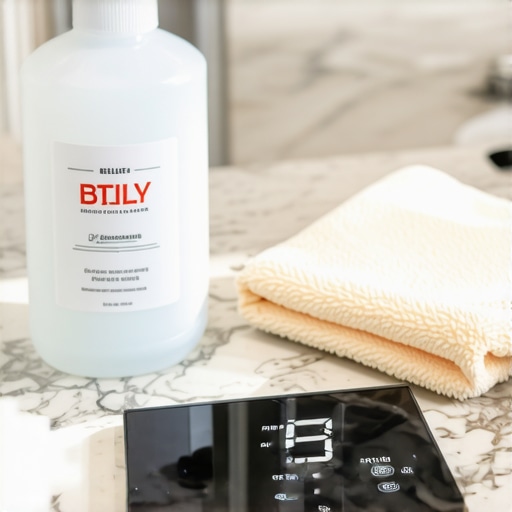
The Hidden Nuances of the Move-Out Inspection
If you are preparing to leave a rental, don’t make the mistake of focusing only on the obvious. Most tenants spend hours scrubbing the floors but forget the ‘high-touch’ grime that professional inspectors look for. Using move-out cleaning hacks ensure your deposit refund isn’t just about hard work; it’s about knowing that the grease on top of the door frames or the dust on the baseboard heaters is what costs you money. I’ve found that effective house cleaning secrets from cleaning experts usually involve a ‘top-to-bottom’ logic that prevents you from re-dirtying surfaces you just cleaned. If you’re feeling overwhelmed, a solid daily house cleaning routine to maintain perfection throughout your lease is the only way to avoid the ‘Move-Out Panic.’ Keep your tools clean, respect the chemistry of your stone and fabric, and remember that sometimes, the best cleaning tool you have is simply more time, not more chemicals.After years of wrestling with subpar mops and vacuums that spit out more dust than they sucked up, I realized that my equipment was the bottleneck. If your vacuum smells like a wet dog, you aren’t cleaning; you’re just aerosolizing bacteria throughout your living room. I finally invested in a vacuum with a sealed HEPA system. This was a game-changer because standard filters often leak microscopic particles back into the air. If you’ve noticed why your vacuum isn’t picking up dirt like it used to, it might be more than just a full bag; it could be a compromised seal. I also learned the hard way that a stinky machine is a warning sign. Understanding why your vacuum smells like burning hair and how to fix it fast saved me from buying a new unit when all I needed was to clear a tangled brush roll.
Invest in Tools That Don’t Just Move Dust Around
For my upholstery, I stopped using those handheld spot machines that just saturate the cushion. I switched to a high-heat steam cleaner. The heat doesn’t just clean; it sanitizes at a molecular level without the need for harsh surfactants that leave a sticky residue. According to the American Society for Microbiology, biofilms—those slimy bacterial communities—are surprisingly resilient to standard wiping. This is why I swear by my 275-degree steam cleaner. It breaks the bond of the biofilm instantly. This is a core part of effective sanitizing methods for a germ-free home that actually work. 
How can I maintain a deep-clean standard without burning out?
The secret isn’t a massive cleaning spree every Sunday. It’s about integrating small, technical wins into your life. I use the dwell time strategy for everything now. While I’m unloading the dishwasher, my cleaner is sitting on the counter, doing the work for me. This fits perfectly into a daily house cleaning routine to maintain perfection. If you are prepping for a big move, you should look at a move-out clean checklist to simplify your transition, but remember that the daily work makes that final scrub 90% easier.
The Future of Home Care is High-Tech and Low-Toxin
I predict we are moving toward a world where UV-C light and robotic precision become the standard, reducing our reliance on the gallon of bleach method. We’re already seeing this with automated floor cleaners that map out a home’s specific high-traffic zones. To stay ahead, you need to master house cleaning strategies for a sparkling home today that focus on preventative maintenance. Whether it’s using the ultimate upholstery care guide for lasting freshness or just being more mindful of the tools you use, the goal is long-term sustainability. Before you go to bed tonight, try the dwell time test: spray your kitchen counter, set a timer for five minutes, and don’t touch it. You’ll be shocked at how much easier the grime wipes away when you let the chemistry do the heavy lifting.
Three Hard Truths About Stone and Surface Care
I used to think that a clean home was a loud home—full of strong smells, vigorous scrubbing, and a lot of sweat. But the real lightbulb moment for me was realizing that stone and upholstery don’t want your strength; they want your patience. First, I learned that clean is a physical state, while sanitized is a biological one. You can’t reach the second without doing the first properly. If you’ve ever wondered why professional cleaners always vacuum the sofa before wiping it, it’s because adding moisture to a dusty surface creates a muddy slurry that sinks deep into the fibers. Second, I realized that my obsession with that fake lemon scent was actually a sign of chemical buildup. Finally, I discovered that the most successful homes aren’t those that are scrubbed once a month, but those that are maintained with a gentle, consistent logic. [image_placeholder]
The Tools I Trust to Get the Job Done Right
I don’t believe in buying every gadget on the shelf. My toolkit is lean and focused on chemistry rather than muscle. I swear by a dedicated pH-neutral stone cleaner because it preserves the natural soul of the granite without etching. I also highly suggest checking out effective house cleaning secrets from cleaning experts to see why professional-grade microfiber is non-negotiable—it’s the difference between moving dirt and removing it. For anyone moving houses, I always point them toward move-out cleaning hacks ensure your deposit refund because it teaches you to focus on the logic of the inspection, such as the grime on door frames that we often ignore in our daily lives. These resources have saved me more time and money than any miracle spray ever could.
Your Path to a Stress-Free Sparkling Space
Transforming your space isn’t about a one-day marathon; it’s about a fundamental shift in how you view your surfaces. Whether you’re mastering sanitizing hacks for safe house transitions or just trying to get through a busy week with the kids, remember that your home is a sanctuary, not just a chore list. High-quality house cleaning is an act of self-care that protects your investment and your family’s health. I encourage you to use a daily house cleaning routine to maintain perfection so that the deep-clean days become a celebration of your home rather than a battle against it. Have you ever struggled with a cloudy film on your granite even after you thought you finished scrubbing? Let me know in the comments below!