
I remember the heat of that July afternoon, frantically patting down the passenger seat of my car with a lint roller that was clearly out of its league. My golden retriever, Barnaby, had spent the weekend in the back, but somehow his fur had migrated everywhere. I was picking up a client for lunch, and my car looked like a sheep had exploded in it. I spent forty minutes with a gas station vacuum that had the suction power of a tired toddler, and it did absolutely nothing. The hair was woven into the fabric. I felt defeated. But that failure led me to discover that the best tools for this job don’t even need a plug. Today, I am going to show you how to reclaim your vehicle from the fur-pocalypse using simple household items.
Your Vacuum Isn’t the Hero You Think It Is
Let’s be honest: vacuums are great for crumbs, but they are surprisingly terrible at pet hair. The fibers of car upholstery are designed to be durable, which unfortunately means they act like tiny hooks for dog and cat fur. When you try to suck the hair out, the vacuum just slides over the top. Just like when I shared the trick to removing pet hair from deep pile rugs, the secret isn’t more power; it is more friction. I made the classic mistake early on of thinking a damp cloth would help, but all I did was create a soggy, hairy mess that took days to dry. You need to break the static bond and lift the hair before you even think about cleaning the surface.
Can You Really Clean Fabric Without Electricity?
It sounds like a gimmick, right? I was skeptical too. I thought if a two-hundred-dollar machine couldn’t do it, a pair of kitchen gloves or a squeegee stood no chance. But there is actual science here. According to the American Pet Products Association, nearly 70% of U.S. households own a pet, meaning millions of us are fighting this same fuzzy battle. Static electricity is a major reason why hair clings to synthetic fibers. By using rubber-based tools, you create a mechanical pull that rolls the hair into neat little clumps. This approach is a lifesaver whether you are doing a routine tidy-up or following a move-out clean checklist to avoid those hefty detailing fees. Have you ever felt like your car seats were permanently fuzzy no matter how much you scrubbed?
The Mechanical Magic of Rubber and Friction
If you have ever looked at your upholstery cleaning tips for a fresh home revival, you know that fabric choice matters. Car seats are often a tight knit. To get the hair out, you need to rake it. My first big win was using a simple rubber window squeegee. It felt ridiculous at first, but seeing those huge piles of fur accumulate in seconds was the most satisfying thing I’d seen in years. It is about working smarter, not harder, especially when you are trying to implement better house cleaning strategies for a sparkling home today.
Kitchen Gloves Turn Your Hands into Hair Magnets
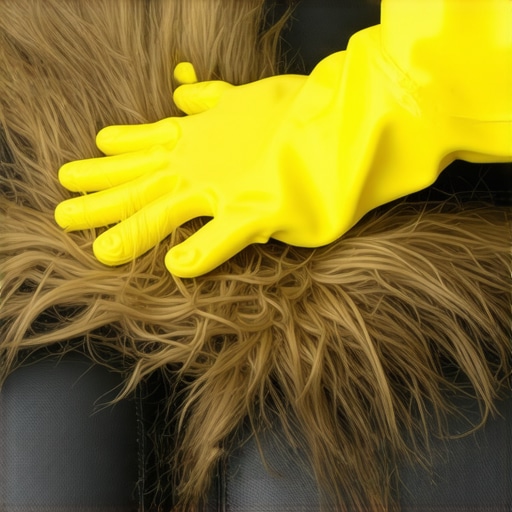
You likely have a pair of yellow latex kitchen gloves under your sink right now. Put them on and lightly dampen the palms with water—don’t soak them. As you run your hand over the car seat, the rubber creates a massive amount of static electricity that acts like a magnet for fur. I remember the first time I tried this; I was skeptical until I saw the hair literally leaping off the fabric to stick to the glove. This is one of those effective house cleaning secrets from cleaning experts that translates perfectly to the tight confines of a vehicle. You aren’t just rubbing the surface; you are using the friction to pull the individual hairs out of the ‘weave’ of the fabric. Once the glove is covered, just rinse it off and repeat.
Drag the Fur into Neat Piles with a Squeegee
For larger flat areas like the trunk or the back of the seats, a rubber window squeegee is your best friend. Imagine the squeegee is a rake and the pet hair is a pile of leaves. Start at the top and pull the squeegee toward you in long, firm strokes. This mechanical action is far more effective than any suction because it physically dislodges the ‘hooked’ ends of the hair. While you are at it, checking your car’s interior for deep-seated grime is just as important as following a move-out cleaning hacks ensure your deposit refund strategy; you want to be thorough to prevent odors from settling in. 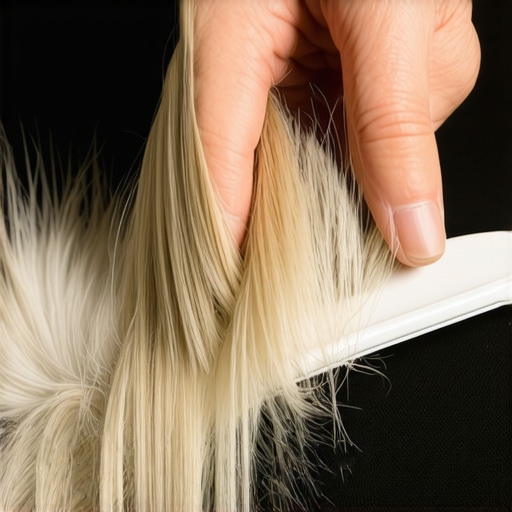
Spray the Fabric to Kill the Static Bond
If the hair is particularly stubborn, it is likely because of a high static charge in the synthetic fibers. Mix a capful of fabric softener with water in a spray bottle and lightly mist the seats. The softener lubricates the fibers, making it much harder for the hair to ‘grip’ the fabric. This is a tactic I often use when applying upholstery cleaning tips for a fresh home revival in my living room, and it works wonders on car carpets too. Let it sit for a minute, then go back in with your rubber tool. You will find the fur rolls into clumps with half the effort.
Don’t Force the Stone on Sensitive Fabric
For the most embedded hairs—the ones that look like they’ve been sewn into the seat—a detailer’s stone or a pumice stone can work. However, use extreme caution. I once got a bit too aggressive with a pumice stone on the headliner of my old sedan after Barnaby shook his coat out, and I ended up pilling the fabric so badly it looked like the ceiling was growing a beard. Always test a small, hidden area first. Lightly graze the surface; the abrasive texture of the stone catches the hair and drags it out. This level of detail is similar to why professional cleaners always vacuum the sofa before wiping it; you have to remove the dry debris before you can truly sanitize the material.
Use a Balloon for the Final Pass
It sounds like a party trick, but if you have tiny, flyaway hairs remaining, rub a blown-up balloon against your clothing to build a charge, then pass it over the seat. The stray hairs will stand up and jump to the balloon. It is an incredibly satisfying way to finish the job without breaking a sweat.Let’s dig deeper into why the ‘spray and scrub’ method usually fails. Most people assume that adding a cleaning solution will lubricate the hair, making it easier to wipe away. In reality, moisture is often the enemy of a truly deep clean. When you wet pet hair that is still embedded in the fabric, you are essentially creating a biological ‘paste’ made of dander, oils, and saliva. According to textile experts at the American Cleaning Institute, over-wetting fabrics can also lead to microbial growth deep within the seat cushioning where it cannot dry quickly. This is a common trap I see when people are executing move-out cleaning strategies to secure your deposit; they want the car or home to smell fresh, but they end up ‘locking in’ the debris before it is actually removed.
Stop Spraying Water on Your Furry Seats Immediately
If you haven’t consulted an ultimate upholstery care guide for lasting freshness, you might not realize that car manufacturers often use nylon or polyester blends specifically because they are durable. However, these materials have a high ‘triboelectric’ rating, meaning they generate static electricity with almost no effort. When you introduce water too early, you neutralize the static that we actually want to use to our advantage with rubber tools. I’ve seen so many people ruin their afternoon by turning a dry hair problem into a wet, muddy nightmare that eventually leads to a permanent stale odor.
Why do some car fabrics act like high-strength magnets for fur?
It comes down to the ‘denier’ or the thickness of the fibers. Cheap, loose-weave fabrics allow the sharp, barbed ends of pet hair to penetrate the surface and anchor into the foam underneath. Once that hair is anchored, a vacuum is useless. This explains why your vacuum isnt picking up dirt like it used to—it simply cannot overcome the mechanical lock of the weave. 
The Moisture Trap That Most DIY Detailers Fall Into
Another nuance many overlook is the chemical reaction between cleaning agents and pet proteins. If you use a high-pH cleaner without checking how to tell if your sofa fabric is colorfast before scrubbing or applying it to your car seats, you risk permanent discoloration. Furthermore, simply ‘sanitizing’ a surface covered in hair is impossible. You have to achieve total mechanical removal before you can apply sanitizing secrets for a safer house in 2025. Think of it like trying to paint a wall covered in dust—the paint won’t stick, and the sanitizer won’t reach the actual fabric fibers. This ‘wicking’ effect is why stains often reappear days after a cleaning. Have you ever spent hours scrubbing your car only to have that ‘wet dog’ smell return the next afternoon? Let me know in the comments if you’ve ever fallen into this moisture trap!Maintenance is the part everyone hates because it feels like a chore, but I’ve found that a three-minute sweep every Tuesday saves me three hours on Sunday. To keep things manageable, I keep a dedicated ‘hair kit’ in my glove box. My absolute favorite tool is the Lily Brush Mini. Unlike those sticky rollers that you have to peel and throw away—creating endless waste—this little rubber blade pulls hair out of the tightest crevices without needing a single refill. It is a staple in my daily house cleaning routine to maintain perfection in my mobile life. If you are serious about keeping your car pristine, you need tools that rely on physics, not adhesives.
How do I maintain a hair-free car over time?
The secret is consistency and a high-quality microfiber. I’ve seen people use cheap rags from the dollar store, but those just move the dust around and eventually lose their ‘grab.’ If you find your cleaning is becoming less effective, check why your microfiber cloths stop working and how to fix them to ensure you aren’t just pushing oils back into the fabric. I also recommend a quick monthly application of a fabric protectant. This creates a microscopic barrier that prevents the hair from ‘hooking’ into the weave in the first place. This proactive approach is exactly how you should handle move-out cleaning hacks ensure your deposit refund when the time comes to sell or return a lease; the less deep-cleaning you have to do at the end, the better. 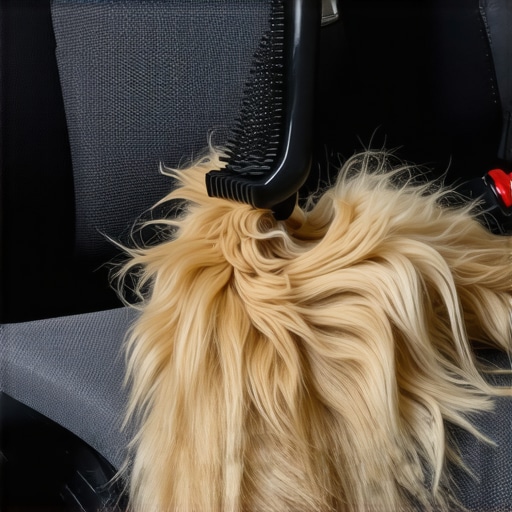
A Glimpse into the Future of Car Interiors
We are moving toward an era where we might not have to fight this battle at all. According to research published by SAE International, the next generation of automotive textiles is being developed with ‘omniphobic’ coatings. These aren’t just water-repellent; they are engineered at a molecular level to repel oils and organic matter like pet dander. Until that becomes the standard, we have to rely on smart ultimate upholstery care guide for lasting freshness techniques. I predict that in the next five years, we will see ‘self-sanitizing’ seats that use UV-C light integrated into the cabin to kill odors while you sleep.
Sanitize Without the Heavy Chemical Scent
Once the hair is gone, the smell often lingers. Instead of reaching for a heavy perfume spray, use a steam cleaner for a deeper level of hygiene. This is one of the most effective sanitizing methods for a germ-free home that translates perfectly to your vehicle. The high heat kills bacteria without the need for harsh liquids that can damage electronics or leave sticky residues. I’ve found that a quick steam session once a quarter keeps the car smelling ‘neutral’ rather than like a floral-scented kennel. This level of care is a pillar of house cleaning strategies for a sparkling home today.
Try the Static-Killer Mist Today
If you want to see an immediate difference, try the fabric softener mist trick I mentioned earlier. Go to your car right now, mix that capful of softener with water, and give your seats a light mist before using your rubber glove. You will be amazed at how the hair just gives up its grip. It is the single most effective way to see instant results with zero specialized equipment.
The Day I Realized Friction Beats Suction Every Single Time
The hardest lesson I learned is that a vacuum is a finisher, not a starter. When you rely solely on suction, you’re fighting a losing battle against the mechanical grip of the fabric weave. I used to spend hours struggling until I realized that a simple rubber squeegee could do in ten seconds what a vacuum couldn’t do in ten minutes. I also learned that ‘cleaning’ doesn’t always mean ‘washing.’ Adding water to an upholstery mess before the hair is gone creates a sticky bio-film that traps odors forever. To avoid this, I always refer back to my ultimate upholstery care guide for lasting freshness to ensure I’m not making things worse with unnecessary moisture. Static is your friend when you have a rubber tool, but your enemy when you use only a brush.
What I Keep in My Glove Box for Hair Emergencies
I’ve narrowed my kit down to three essentials that live in my car 24/7. First is a mini rubber detailing brush for the seams and corners where hair loves to hide. Second is a pack of heavy-duty latex gloves; they are the ultimate tool for generating the static needed to lift embedded fur. Third is a dedicated spray bottle with a weak fabric softener solution to break the static bond on stubborn patches. These tools allow me to maintain my car as part of my daily house cleaning routine to maintain perfection without needing a garage full of expensive equipment. I trust these specifically because they are sustainable and don’t rely on the ‘sticky tape’ method which often leaves a residue that attracts even more dirt later.
#IMAGE_PLACEHOLDER_E#
Your Path to a Pristine Cabin Starts with a Rubber Glove
It’s time to stop feeling defeated by the fur-pocalypse and start using physics to your advantage. Cleaning your car doesn’t have to be a weekend-long chore if you use the right friction-based tools from the start. Whether you’re just tidying up for a passenger or following move-out cleaning hacks ensure your deposit refund, these simple methods will save you time and money. For the final touch, remember that once the physical debris is gone, using effective sanitizing methods for a germ-free home and car will keep everything smelling neutral and fresh. Have you ever found a household item that worked better than a professional tool? Let me know in the comments below!