
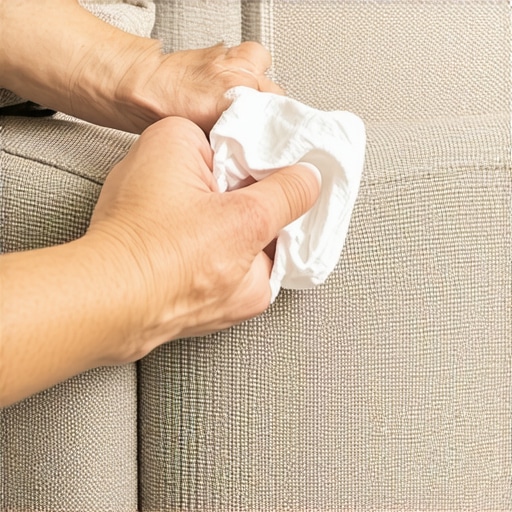
I stood there, staring at the growing white ghost on my navy blue sofa, and I actually felt my heart sink. It was my first “grown-up” piece of furniture—a velvet-like sectional that I’d saved three months of paychecks for. A tiny splash of coffee had landed on the armrest, and in my panic, I grabbed a soapy washcloth and started scrubbing like my life depended on it. By the time I stopped, the blue dye was all over my rag, and my beautiful sofa had a permanent, faded bald spot. I had no idea that “colorfastness” wasn’t just a fancy industry word; it was the difference between a clean couch and a ruined investment.
Stop Before You Scrub Your Favorite Chair
The truth is, most of us treat our upholstery like our laundry, but they are very different animals. When you’re dealing with effective house cleaning secrets from cleaning experts, you realize that some dyes are just sitting on the surface, waiting for a drop of water to set them loose. If you don’t check if your fabric is colorfast, you are essentially playing Russian roulette with your living room decor. I learned the hard way why you should never scrub a fresh liquid stain without knowing how the fibers will react. Today, I’m going to walk you through the exact process I use now—the “safe way”—so you never have to feel that gut-wrenching regret. We’re going to make sure your upholstery cleaning tips for a fresh home revival actually revive your home instead of wrecking it.
Does this simple test actually save your furniture?
I get it. You’re busy. You want that stain gone *now*. You might be thinking, “It’s just a little bit of water, what’s the worst that could happen?” Well, according to the IICRC (Institute of Inspection, Cleaning and Restoration Certification), improper cleaning techniques are the leading cause of permanent textile damage in homes. It’s not just about the color fading; it’s about the “bleeding” that can happen when one color runs into another. Have you ever tried to hide a bleach-like spot on a dark sofa? It’s nearly impossible. Taking sixty seconds to test a hidden corner is the only way to sleep soundly after a cleaning session. Before we dive into the chemistry of it all, I have to ask: have you ever jumped the gun and ended up with a faded spot on your couch? If so, you aren’t alone! It’s all part of the learning curve in the ultimate upholstery care guide for lasting freshness.
Find a Hidden Patch of Fabric First
The first rule of upholstery survival is finding a ‘guinea pig’ area. You want a spot that is completely out of sight—think the underside of a seat cushion, the back corner of the skirt, or the interior seam where the fabric wraps around the frame. I remember one time I was in a rush to clean an ottoman and I tested the cleaner on the side instead of the bottom. Even though it didn’t bleed, it left a faint ‘halo’ ring that I could never quite get out. It looked like a ghostly moon on a dark blue sea. Now, I always go for the hidden seams. This is one of those effective house cleaning secrets from cleaning experts that saves you from permanent heartbreak. If you are preparing for a move, this step is vital to include in your move-out clean checklist to simplify your transition, especially if you want to keep your furniture looking showroom-ready for the new place.
Perform the White Cloth Press
Once you’ve found your hidden spot, take a clean, white microfiber cloth. This is non-negotiable; using a colored rag is like trying to solve a puzzle in the dark—you won’t know if the color on the rag came from the sofa or the rag itself. Dampen a small corner of the white cloth with your cleaning solution. Press it firmly against the hidden fabric for at least thirty seconds. Think of this like a lie detector test for your furniture. You aren’t just looking for a massive puddle of ink; you’re looking for even the slightest hint of pigment transfer. 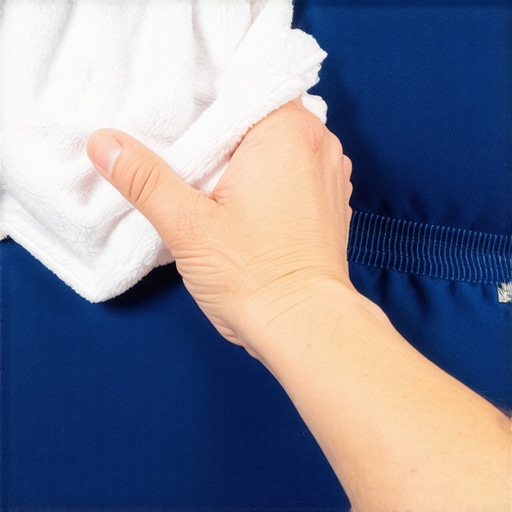
Wait for the Fabric to Dry Completely
This is where most people fail. They see no immediate color on the rag and start scrubbing the main stain. But chemistry takes time. Some dyes only react as they evaporate. You need to let that test spot dry entirely—use a hairdryer on a cool setting if you’re impatient. If the fabric looks distorted, stiff, or if the color has shifted even a shade, put the cleaner down. This is particularly important when you’re trying to how to lift grass stains from your cotton upholstery, as natural fibers are much more temperamental than synthetics.
Why You Must Vacuum Before Applying Any Liquid
Before you even think about moisture, you have to get the dry grit out. If you apply liquid to a dusty sofa, you are essentially making mud. This mud then sinks deeper into the fibers, creating a permanent ‘dingy’ look that no amount of scrubbing can fix. It’s the reason why professional cleaners always vacuum the sofa before wiping it. Think of it like sandpaper; if those tiny dust particles stay in the fabric while you rub, they act as an abrasive, shredding the delicate fibers. This level of detail is what separates a basic wipe-down from the sanitizing secrets for a safer house in 2025.
Handling Specialized Materials Like Suede
If you aren’t dealing with standard fabric, the rules change entirely. For instance, water is often the enemy of brushed textures. Knowing the only way to clean a suede headboard without water marks involves using specialized dry brushes or very specific solvents. Applying a wet ‘colorfastness test’ to suede can actually create a permanent water spot before you even check the dye! Always check the care tag for codes like ‘S’ (Solvent only), ‘W’ (Water-based), or ‘X’ (Vacuum only) before you even reach for your white cloth.The common wisdom is that ‘natural’ equals ‘safe,’ but I’ve seen more couches ruined by undiluted white vinegar than by commercial cleaners. While we often talk about effective house cleaning secrets from cleaning experts, one secret they rarely mention is pH balance. Vinegar is highly acidic. On certain synthetic blends or fabrics with factory-applied stain resistors, that acid can actually strip the protective layer or—worse—cause the dye to ‘bleed’ later on when it hits sunlight. According to the American Cleaning Institute, using cleaners with an inappropriate pH level can lead to premature fiber degradation, making your sofa look five years older in just five months.
Can you really sanitize without damaging the texture?
This is the million-dollar question for anyone obsessed with sanitizing secrets for a safer house in 2025. The trap here is ‘dwell time.’ Most people spray a disinfectant and immediately wipe it off. To actually kill germs, the surface usually needs to stay wet for several minutes. But leaving upholstery wet for ten minutes is a recipe for ‘wicking.’ This is when the moisture travels deep into the cushion, dissolves old dirt in the foam, and then brings it to the surface as it dries. You end up with a bigger, uglier ring than you started with. 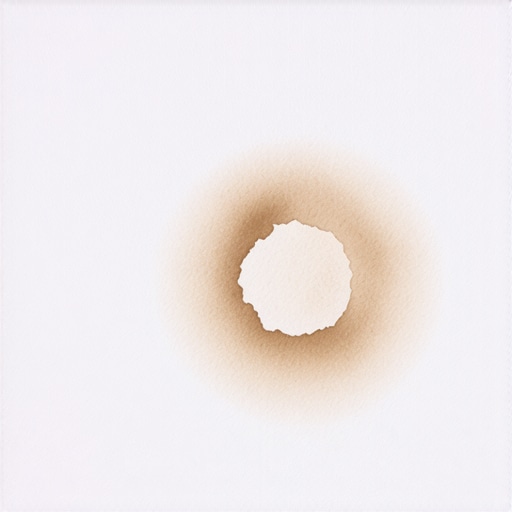 If you’re tackling this during a move, don’t let a ‘reappearing’ stain be one of the most common move-out cleaning mistakes that cost renters money. I always recommend using a ‘dry’ foam method for sanitizing delicate fabrics. It provides enough contact time to neutralize bacteria without soaking the core of the furniture. This is a vital part of move-out cleaning strategies to secure your deposit. Have you ever fallen into this trap where a stain magically reappears the next day? Let me know in the comments—I’d love to help you troubleshoot it! You might even find that why your carpet is still dirty after you shampooed it is the same reason your sofa looks dingy: too much soap residue. Soap is a magnet for dirt. If you don’t rinse it out properly, your furniture will actually get dirty faster than before. It’s all about the balance between cleaning and preserving the integrity of the material.To keep that fresh look long after the initial scrub, I rely on a very specific set of tools that I’ve curated over years of trial and error. I don’t just grab a generic vacuum; I use a high-suction model with a motorized brush roll attachment designed specifically for upholstery. If you’re following a daily house cleaning routine to maintain perfection, you’ll know that removing dry soil is 90% of the battle. The Carpet and Rug Institute (CRI) emphasizes in their technical documentation that dry soil is abrasive; it acts like tiny shards of glass that cut through fabric fibers every time you sit down. That’s why my first ‘power tool’ recommendation is a quality HEPA-filter vacuum—it traps the microscopic allergens instead of blowing them back into your living room.
Invest in the Right Gear for Better Results
Beyond the vacuum, I keep a specialized pH-balanced fabric protector in my cabinet. It’s not about saturating the piece; it’s about creating a microscopic barrier. For those of you with leather, knowing the professional way to clean leather upholstery without cracking it involves a dedicated conditioner that mimics the natural oils of the hide. These aren’t just ‘nice-to-haves’; they are essential house cleaning strategies for a sparkling home today that prevent you from needing a professional restoration next year. 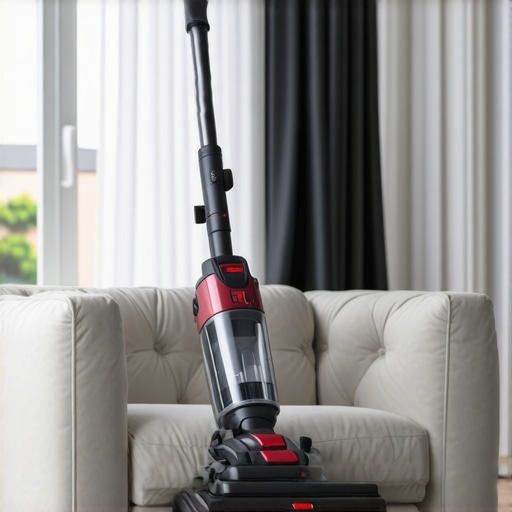
How do I keep my furniture looking new for years?
The secret isn’t a deep clean every month—it’s the ‘rotate and flip’ method combined with light, consistent care. I make it a point to rotate my sofa cushions every Sunday. It prevents uneven wear and keeps the internal foam from breaking down in one specific spot. When you combine this with effective sanitizing methods for a germ-free home, like using a UV-C light wand on high-touch surfaces, you’re creating a layered defense. If you’re a renter, these habits are the cornerstone of move-out cleaning strategies to secure your deposit. It’s much easier to hand over a pristine sofa than to explain away three years of neglected spills.
Antimicrobial Fabrics are the Future of Upholstery
Looking ahead, I suspect we are moving toward a world where we won’t need to spray chemicals at all. Manufacturers like Sunbrella are already perfecting ‘performance fabrics’ that are solution-dyed all the way through, making them nearly impossible to bleach out. In the next decade, I predict we’ll see residential upholstery integrated with nano-coatings that actively break down organic matter on contact. Until then, we have to stay diligent. I want to challenge you: go check your vacuum’s brush roll right now. If it’s tangled with hair and dust, it’s not cleaning—it’s just moving dirt around. Clean that brush, then give your favorite chair a slow, methodical pass. You’ll be shocked at what a ‘clean’ tool can actually pull out of the fabric.
What Upholstery Experts Won’t Tell You About Hidden Damage
After years of trial and error, I’ve realized that the biggest threat to your furniture isn’t just the accidental spill; it’s the cumulative effect of small mistakes. One major ‘lightbulb moment’ for me was discovering that using hot water on an unknown stain is a recipe for disaster. If it’s a protein-based spill, heat will ‘cook’ the stain into the fiber permanently. I always keep effective house cleaning secrets from cleaning experts in mind: cold water is your safest first move. Another hard-earned lesson? A cleaning ‘ring’ usually means you didn’t blend the damp area into the surrounding dry fabric. These are the nuances that transform a standard chore into expert-level preservation.
My Personal Toolkit for a Spotless Sofa
I don’t believe in cluttered cabinets, but I do believe in the right tools. My ‘survival kit’ for furniture includes professional-grade microfiber cloths—never dyed ones—and a dedicated pH-neutral cleaner. If you want to follow a daily house cleaning routine to maintain perfection, a high-quality HEPA vacuum is your best friend. It’s the only way to ensure you’re removing the abrasive grit that saws through fibers from the inside out. For those dealing with specialized items, knowing the professional way to clean leather upholstery without cracking it involves using a high-end conditioner that keeps the hide supple without feeling greasy. I trust these methods because they prioritize the long-term health of the fabric over a quick fix.
Start Protecting Your Investment Right Now
Your home should be a sanctuary, not a source of stress. By taking these small, deliberate steps—like the 60-second colorfastness test—you are shifting from a reactive mindset to a proactive one. Whether you are prepping for a move and using move-out cleaning strategies to secure your deposit or just want your living room to feel fresh, these upholstery cleaning tips for a fresh home revival are your roadmap. Don’t wait for the next spill to happen. Go grab a white cloth, find a hidden corner, and get to know your furniture today. Have you ever discovered a hidden care tag that completely changed how you cleaned a piece of furniture? Let me know in the comments below!