
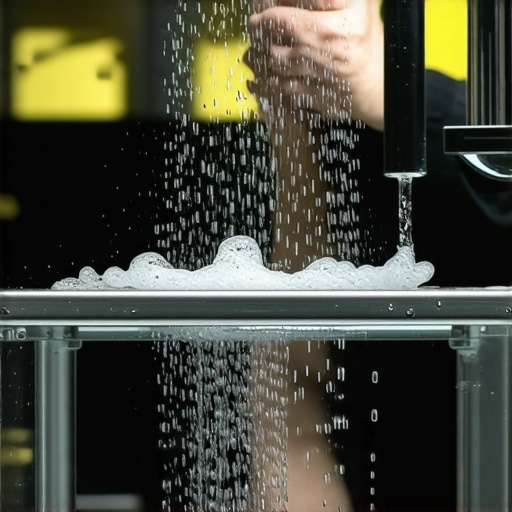
I stood there with the fridge door wide open, the cold air hitting my face, staring at a puddle of mystery syrup that had somehow petrified onto the glass. It wasn’t just gross; it was embarrassing. I realized then that my “I’ll get to it later” strategy was failing me. We’ve all been there—trying to shuffle jars around to hide the sticky rings, hoping the smell doesn’t migrate to the leftovers. Today, I’m showing you exactly how to tackle those shelves in record time so you can get back to your life.
Why I Finally Stopped Ignoring the Grime in My Fridge
For years, I was the queen of the “spot clean.” I’d grab a damp paper towel, give a half-hearted swipe at a spill, and call it a day. But the truth is, your kitchen has hidden hotspots that a quick wipe just won’t fix. I learned the hard way that ignoring these spills leads to mold growth in the most annoying places. One time, I even tried to use a metal butter knife to scrape off dried jelly—don’t do that. I left a permanent gouge in the plastic that haunted me until the day I moved out. Now, I use house cleaning strategies that actually work without ruining my appliances. While you’re at it, don’t forget to check the sticky film on top of your fridge, because that dust-grease combo is a nightmare.
Can You Really Get This Done in Minutes Without Emptying the Whole Fridge?
You might be thinking that a “quick” clean is just a myth and that you’ll end up with a kitchen floor covered in soapy water. I used to be a skeptic too. However, if you focus on the shelves first and ignore the perfectionist voice in your head, it’s totally doable. Interestingly, research from the National Science Foundation (NSF) found that the refrigerator vegetable compartment is often the most contaminated area in the entire kitchen, frequently hosting yeast, mold, and even E. coli. That’s why speed shouldn’t mean skipping the sanitizing part. Have you ever found a spill in your fridge that was so old it had basically become part of the shelf? I want to hear your horror stories!
Setting the Stage for a Five-Minute Refresh
Before we dive into the scrub, we need to talk about the fridge gaskets because if those are dirty, your shelves will just get gross again. Getting the right flow is essential to making this the quickest way to clean your refrigerator shelves.
The Quick-Strike Method for Sparkling Glass
To turn a messy fridge into a clean one in under ten minutes, you have to approach it like an assembly line. Most people fail because they move items from one side of a shelf to the other, creating a game of tetris that never ends. Instead, you need to clear exactly one level at a time. This keeps your workspace manageable and prevents you from feeling overwhelmed by the sheer volume of condiments you probably haven’t touched in a year. Integrating this into your daily house cleaning routine to maintain perfection prevents these sessions from becoming all-day marathons.
Clear One Level at a Time to Stay Sane
Start by pulling everything off the top shelf. Why the top? Because gravity is either your best friend or your worst enemy in cleaning. There is a specific reason why professional cleaners always start at the top of the room: any dust or debris you knock loose falls onto the dirty surfaces below, rather than ruining the ones you just finished. As you pull items out, check expiration dates. If that salad dressing expired when the last president was in office, toss it. Wipe the bottom of every jar with a damp cloth before setting it on the counter; otherwise, you’re just going to transfer that sticky ring back onto your clean shelf later.
Let Heat Do the Heavy Lifting on Sticky Spills
I learned this the hard way back in 2022 when a bottle of artisanal honey tipped over in the back of my fridge. I spent fifteen minutes trying to chip it off with a plastic spatula, nearly cracking the glass in the process. It was a disaster. Now, I use the ‘steam’ method. Instead of scrubbing until your arm hurts, soak a microfiber cloth in the hottest water your hands can stand. Lay that steaming cloth directly over the hardened spill and let it sit for two minutes. This softens the bond of the sugars, allowing you to wipe the entire mess away in one swipe. It’s like magic, and it saves your glass from scratches. 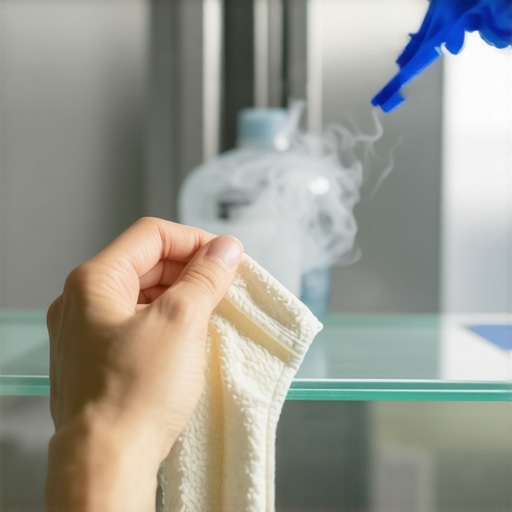
Kill the Bacteria Hiding in Your Crisper Drawers
Once the shelves are clear of visible gunk, you have to deal with what you can’t see. This is where most people stop, but skipping the sanitizing phase is a mistake. You want to use effective sanitizing methods for a germ-free home to ensure that the salmonella or E. coli found in meat drippings or old produce doesn’t hitch a ride on your fresh groceries. Spray a food-safe disinfectant—or a mixture of white vinegar and water if you prefer natural options—and let it sit for sixty seconds before wiping it dry. This ‘dwell time’ is the secret to actually killing germs rather than just moving them around. If you are preparing for a landlord inspection, these are the types of move-out cleaning strategies to secure your deposit that make a huge difference. A clean-looking fridge is good, but a sanitized fridge is what passes the white-glove test.Building on that white-glove test, I’ve noticed a major disconnect between looking clean and being truly sanitary. Everyone says vinegar and water is the holy grail for a natural home, but in my experience, relying on it for everything is a recipe for disaster. While it’s great for glass, vinegar is not always the best choice for granite countertops or natural stone. It can etch the surface, leaving permanent dull spots that no amount of buffing will fix. If you’re using it during a move-out, you might actually lose your deposit for damaging the stone rather than getting it back for cleaning it. This is one of those house cleaning secrets that pros know but DIYers often miss. Then there’s the Oops factor when it comes to furniture. I see so many people try to deep clean their couch by soaking a stain with a bucket of soapy water. This is the fastest way to ruin your upholstery. Over-wetting causes a phenomenon called browning, where the tannins in the backing material wick to the surface as it dries, leaving a permanent yellow ring. Instead of a fresh look, you’re left with a stain that’s worse than the original spill. You need to use upholstery cleaning tips for a fresh home revival that focus on moisture control. 
Is Your Disinfectant Failing Despite the Strong Chemical Smell?
Many people think that if a room smells like bleach or pine, it must be germ-free. However, according to the Environmental Protection Agency (EPA), dwell time is the most overlooked part of the process. If you spray a surface and immediately wipe it dry, you haven’t actually killed the bacteria; you’ve just made them wet. Most disinfectants require three to ten minutes of wet contact time to be effective. This is crucial for sanitizing secrets for a safer house in 2025. If you are rushing through your move-out cleaning strategies to secure your deposit, you might be leaving behind a bio-film that the next tenant will definitely notice. Have you ever fallen into this trap of spray and wipe thinking it was enough? Let me know in the comments. Also, be wary of your equipment; your vacuum might be spreading more dust around than it picks up if the filters are clogged, effectively undoing all your hard work on the surfaces above. Focus on the mechanics of cleaning—dwell time and proper tool maintenance—rather than just the scent.
The Tools That Actually Make a Difference
Most people walk into a big-box store and grab the cheapest pack of microfiber cloths they can find, but that’s exactly why your surfaces still look streaky. I’ve switched entirely to 300 GSM (grams per square meter) split-fiber cloths. These aren’t just rags; they are engineered to grab bacteria rather than just pushing it around. If you’re serious about your daily house cleaning routine to maintain perfection, you need a vacuum with a sealed HEPA system. If the system isn’t sealed, your vacuum filter might be making your allergies worse by venting fine dust back into your breathing zone. I personally use a Miele C3 because the filtration is hospital-grade, which is essential when you’re trying to keep a home truly sanitized. 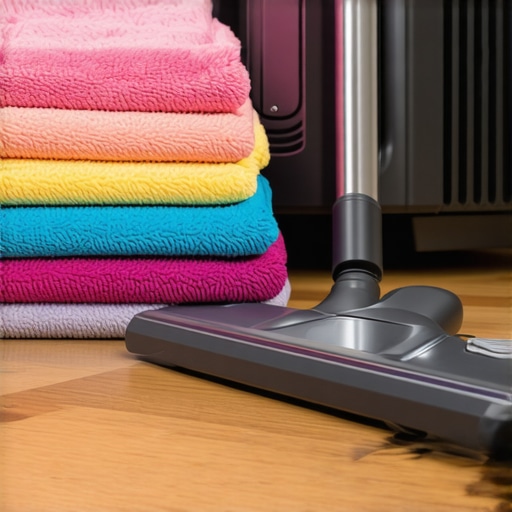
How do I maintain a deep-cleaned home over time?
The secret isn’t a massive cleaning day once a month; it’s the ‘dry-soil removal’ rule. For upholstery, this means vacuuming your sofa at least twice a week using a specialized upholstery tool. According to the IICRC (Institute of Inspection, Cleaning and Restoration Certification) S300 standards, removing dry particulate is 70% of the battle in professional cleaning. If you let dust sit on your couch, it acts like sandpaper, grinding down the fibers every time you sit. To keep things fresh, I keep a small bottle of pH-neutral fabric refresher nearby—not a heavy perfume, but a true odor neutralizer. This is part of the ultimate upholstery care guide for lasting freshness. When you stay on top of the small stuff, you won’t need to panic and look for move-out cleaning hacks to ensure your deposit refund later on because the home never reaches that level of ‘landlord-scaring’ grime.
Where Cleaning Technology is Headed in 2025
We are moving toward a world of ‘biophilic’ cleaning. I’m already seeing a shift from harsh synthetic disinfectants to probiotic cleaners that leave behind beneficial bacteria to keep surfaces cleaner for longer. We’re also seeing smart fridges that can actually detect food spoilage and alert you to potential mold growth before you can even smell it. It’s an exciting time for house cleaning strategies for a sparkling home because the tech is doing more of the heavy lifting. If you want to level up your game right now, I highly recommend buying a pack of pH testing strips. Before you put any cleaner on your expensive armchair, test it. If it’s too alkaline, you risk permanent color loss. Give that a try this weekend on a hidden spot—it’s the one ‘pro’ move that will save you thousands in furniture replacements.
What Nobody Tells You About Maintaining a Truly Sanitized Kitchen
After years of trial and error, I realized that the goal isn’t just a shiny surface; it’s about breaking the cycle of cross-contamination. One of the biggest ‘aha’ moments for me was realizing that a standard dishcloth can actually become a bacteria shuttle. Now, I use separate color-coded cloths for the fridge and the counters to ensure that effective sanitizing methods for a germ-free home are actually working. Another lesson learned: cleaning in the morning when natural light is brightest helps you see the grease films that you might miss under dim evening lights. Most importantly, I’ve learned that house cleaning strategies for a sparkling home are only as good as your consistency. If you can commit to just one shelf a week, you’ll never have to endure a deep-clean marathon again.
The Professional Tools I Wish I Had Ten Years Ago
If you’re tired of wasting money on products that don’t deliver, I recommend simplifying your kit to the essentials used by the pros. I personally swear by 300 GSM split-fiber microfiber cloths because they physically lift particles that cotton rags just glide over. For those tackling a bigger project, using a move-out clean checklist to simplify your transition is the only way to ensure you don’t miss those high-touch spots like light switches and door handles. I also keep a stash of pH testing strips; they are the ultimate insurance policy for your delicate surfaces. If you ever feel stuck or need professional advice on a tough stain, don’t hesitate to contact us for expert guidance. For fabrics, I always keep a bottle of neutral cleaner nearby, following the ultimate upholstery care guide for lasting freshness to prevent damage.
Turning a Daily Chore Into a Simple Choice for Your Health
Cleaning your fridge isn’t just about aesthetics; it’s about the safety of the food you feed your family. When you master these quick steps, you stop viewing maintenance as a weekend-ruining event and start seeing it as a series of small, manageable wins. By integrating sanitizing secrets for a safer house in 2025, you’re creating a foundation of health in the heart of your home. You’ve got the tools and the technique—now it’s time to clear that first shelf and see the difference for yourself. Have you ever discovered a ‘mystery jar’ in the back of your fridge that made you question everything? Let me know your funniest fridge finds in the comments below!