
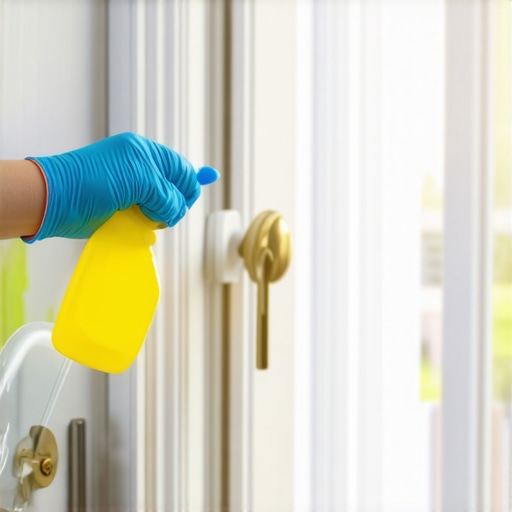
The air in my house felt heavy, like I could actually see the microscopic germs floating in the shafts of sunlight. My youngest had finally stopped shivering, and my husband was upright after four days of misery, but I stood in the middle of my living room feeling completely defeated. I was clutching a bottle of disinfectant like a weapon, staring at the mountain of used tissues and the sticky residue of electrolyte drinks on every surface. I knew I couldn’t just live like this. I had to reclaim my home from the invisible invaders that had held my family hostage for a week. Re-entering a ‘sick house’ after the fever breaks is overwhelming, but if you don’t do it right, you’re just waiting for the second wave to hit.
Resetting Your Sanctuary When the Fever Breaks
I’ll be honest: my first attempt at post-flu cleaning years ago was a total disaster. I ran around like a madwoman, spraying a floral-scented mist over everything and calling it a day. I didn’t actually clean anything; I just made the germs smell like cheap lavender. A week later? Round two hit. I learned the hard way that effective sanitizing methods for a germ-free home require more than just a pleasant scent. It’s about killing the pathogens where they hide. The flu virus is surprisingly resilient. According to the Mayo Clinic, flu viruses can live on hard surfaces like plastic or metal for up to 48 hours. That means your remote control, your fridge handle, and even your house cleaning strategies for a sparkling home need a serious upgrade after an illness. We are going to dive into a room-by-room strategy that actually works, focusing on high-touch zones that most people overlook.
Does All This Extra Scrubbing Really Make a Difference?
You might be sitting there, exhausted from playing nurse for a week, wondering if you can just wait it out and let the germs die on their own. I get it. The exhaustion is real. But think about those sanitizing hacks for safe house transitions we usually reserve for moving day—they are just as vital now. If you don’t take the time to sanitize door knobs during cold and flu season, you’re basically leaving a welcome mat out for the next bug. I remember skipping the bedroom linens once because I was too tired to do another load of laundry. Big mistake. Your bed becomes a breeding ground. Now, I always make sure to sanitize your pillow protectors and cases immediately. It’s the difference between a true recovery and a lingering cycle of seasonal crud. Have you ever finished a deep clean only to have the same cold circle back through your kids just days later? It’s the worst feeling in the world. Today, we’re going to ensure your home isn’t just ‘clean-looking,’ but actually safe for your family to breathe in again.
Start High and Let Gravity Help You
I used to make the mistake of vacuuming first, thinking I was getting the biggest ‘mess’ out of the way. But germs and dust are like microscopic hitchhikers; when you clean a ceiling fan or a high shelf, they just fall onto whatever is below. This is why you should always start cleaning from the top of the room. If you wipe down the counters before you dust the cabinets above them, you are basically doing the work twice. I once spent an entire Saturday morning scrubbing baseboards only to realize I hadn’t touched the dusty blinds above them. One flick of the wrist and my clean floors were covered in a grey film. Now, I start with the crown molding and light fixtures, working my way down to the furniture and finally the floors. This ensures that any pathogens disturbed during the process are eventually captured by your final floor pass.
Focus on the Things You Touch Constantly
We often think of ‘cleaning’ as the big visible stuff, like a shiny sink, but the real danger lies in the invisible grime on high-touch points. I remember when the stomach flu hit us a few years back. I was so focused on the bathroom tiles that I completely ignored the light switches and the TV remote. My son, feeling a bit better, spent an hour channel-surfing on the couch. By Tuesday, I was the one who was sick. I hadn’t sanitized the one object we all shared. Now, I make it a priority to learn the best way to clean grimy light switches without shorts and I keep a pack of disinfectant wipes specifically for the ‘hand zones.’ Door handles, fridge pulls, and even the microwave buttons need a dedicated swipe. 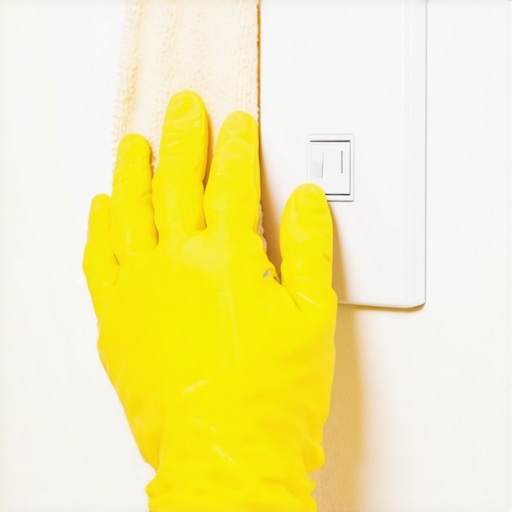
Don’t Forget the Digital Dirt on Your Electronics
Your phone is basically a third hand that you never wash. After a week of lying in bed scrolling through social media while recovering, that screen is a biohazard. You have to be careful, though; you can’t just douse an iPhone in bleach. You need to know the proper way to sanitize your phone screen without ruining the coating. The same goes for your workspace. If you were answering emails while sneezing, you must learn how to sanitize your home office keyboard and mouse safely to prevent a relapse the moment you sit back down to work.
Revitalize Your Soft Surfaces and Seating
Fabrics are like sponges for germs. While we focus on hard surfaces, the sofa where everyone curled up to watch movies is holding onto bacteria. I used to think a quick spray of fabric Refresher was enough, but that’s just masking the problem. For a real reset, you need upholstery cleaning tips for a fresh home revival that involve deep extraction or steam. These effective house cleaning secrets from cleaning experts emphasize that heat is your best friend when it comes to killing lingering viruses in fibers. I make it a rule to strip every pillow cover and throw blanket and toss them into the hottest wash cycle the fabric can handle. It’s the only way to feel like the ‘sick’ smell is truly gone.Let’s dig deeper into where most people fail, especially when they’re trying to transition from a ‘sick house’ back to a healthy one. The biggest myth I see—and I fell for this for years—is the ‘spray and wipe’ method. We see it in every commercial: a hand sprays a blue liquid, wipes it once, and the surface sparkles. In reality, if you wipe that disinfectant off immediately, you’ve done almost nothing to the bacteria. This is one of the most effective house cleaning secrets from cleaning experts: dwell time is everything. According to the Environmental Protection Agency (EPA), most household disinfectants require the surface to stay visibly wet for anywhere from four to ten minutes to actually achieve the ‘kill claim’ on the label. If you’re just misting and buffing, you’re essentially just moving the germs around.
Why Does My House Still Feel Grimy After a Deep Clean?
It’s a frustrating feeling, right? You’ve scrubbed for hours, but there’s still a ‘heaviness’ to the air or a slight tackiness to the floors. Often, the culprit is your tools. I’ve seen so many people try to sanitize their whole home using a single bucket of water. By the second room, why your mop bucket is spreading more dirt than it removes becomes painfully obvious. You are essentially bathing your floors in a bacterial soup. The same goes for microfiber; if you aren’t washing them correctly, they lose their charge and just smear grease. This is why learning why your microfiber cloths stop working and how to fix them is a vital piece of the puzzle for a truly sterile home.  One major ‘oops’ factor that can actually be dangerous is the ‘more is better’ approach to chemicals. When you’re desperate to kill germs, it’s tempting to mix bleach with your favorite floor cleaner for an extra punch. Don’t do it. Mixing bleach with anything containing ammonia or even vinegar creates toxic vapors that can damage your lungs far worse than the flu would. This is a common mistake I see during a frantic move-out clean checklist to simplify your transition. People want that ‘clean’ smell so badly they risk their health. Instead, rely on the ultimate upholstery care guide for lasting freshness or specialized cleaners that don’t require DIY chemistry. If you’re moving out or doing a seasonal reset, remember that the most common move-out cleaning mistakes that cost renters money usually involve the things they can’t see at first glance—like the hidden mold trap inside your refrigerator drip pan. It’s these nuances that separate a surface-level wipe-down from a professional-grade restoration. Have you ever fallen into the trap of mixing cleaners or skipping the wait time? Let me know in the comments.Once you’ve cleared the immediate viral threat, the real challenge begins: not letting the house revert to its chaotic, germ-ridden state. I used to think a clean house was a destination, but it’s more like a garden that needs constant weeding. The single biggest mistake I made for years was ignoring my equipment. If you’re using a vacuum with a clogged filter, you’re just a glorified dust-shuffler. I finally invested in a vacuum with a fully sealed HEPA system. According to technical standards from the Institute of Environmental Sciences and Technology (IEST), a true HEPA filter must capture 99.97% of particles as small as 0.3 microns. If your machine isn’t meeting this benchmark, those microscopic pathogens you just ‘cleaned’ are being exhausted right back into your breathing zone. This is precisely why your vacuum smells like burning hair and how to fix it fast. If the brush roll is tangled with hair and the bags are overflowing, the motor strains and the cleaning power vanishes. I’ve made it a habit to check my brush roll every Saturday morning; it takes two minutes, but it prevents that ‘dusty’ smell from ever returning. If you feel like your machine is failing you, investigate why your vacuum isnt picking up dirt like it used to before you go out and buy a new one. Often, a simple clog or a dirty sensor is the only thing standing between you and a sterile floor.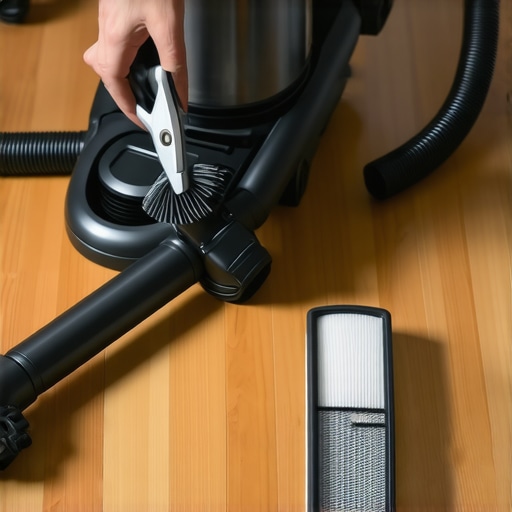
How do I keep the house this clean without burning out?
The secret isn’t marathon cleaning sessions every weekend; it’s about micro-habits. I realized that my daily house cleaning routine to maintain perfection only works if I stop treating ‘sanitizing’ as a special event. For example, while I’m waiting for the coffee to brew, I quickly sanitize your reusable water bottle properly. It takes thirty seconds, but it stops the spread of bacteria at the source. These small wins build a baseline of cleanliness that makes the big resets much less daunting. You don’t need a professional move-out clean checklist to simplify your transition every week, but you do need to understand how to layer your house cleaning strategies for a sparkling home today so you aren’t constantly playing catch-up. Looking ahead, I suspect we are moving toward a world where ‘smart sanitization’ is the norm. We’re already seeing UV-C light integration in HVAC systems and autonomous air purifiers that kick into high gear the moment they detect a spike in volatile organic compounds (VOCs). These sanitizing secrets for a safer house in 2025 are becoming more accessible every day. I’m currently testing a smart sensor that tells me exactly when my indoor air quality dips, which is my cue to open the windows or run the HEPA filter. Your challenge for today? Go grab your vacuum and flip it over. If that brush roll is a matted mess of hair and thread, take a pair of scissors and clear it out. You’ll be shocked at how much more ‘suck’ you get during your next pass.
Hard Truths About Post-Flu Scrubbing I Learned the Hard Way
After years of trial and error, I’ve realized that a ‘clean’ house isn’t always a safe one. One major lightbulb moment was discovering that my cleaning speed was actually my enemy; if you move too fast, you don’t give the disinfectant time to work. Another lesson? Stop using the same sponge for everything. When you’re dealing with flu germs, use disposable paper towels or color-coded cloths for the ‘danger zones’ like the toilet and light switches. Also, I stopped trusting my nose; just because it smells like lemon doesn’t mean the bacteria are gone. I had to dive into effective house cleaning secrets from cleaning experts to realize that true disinfection is a silent, unscented process. Finally, remember that learning why you should never spray cleaning products directly on surfaces is a game-changer—spraying your cloth first prevents you from aerosolizing the very germs you’re trying to kill.
The Gear That Actually Earned a Spot in My Utility Closet
I don’t believe in hoarding cleaning supplies, but three things are non-negotiable for me now. First, a high-quality set of microfiber cloths is essential, but you have to be careful about maintenance, otherwise you’ll wonder why your microfiber cloths are leaving lint everywhere instead of grabbing dust. Second, I swear by a handheld steam cleaner for the couch; it’s the core of my ultimate upholstery care guide for lasting freshness. High-temperature steam kills pathogens without leaving chemical residues that can irritate sensitive lungs. Third, I always keep a current list of approved disinfectants nearby. These sanitizing secrets for a safer house in 2025 aren’t about buying the most expensive tools, but about using the right ones correctly every time.
Take Back Your Peace of Mind and Your Health
Reclaiming your home from a nasty virus is about more than just hygiene—it’s about feeling safe in your own sanctuary again. When you’ve finished that final wipe-down and the air feels crisp, it’s like the weight of the illness has finally been lifted. Don’t feel like you have to do everything in a single day. You can slowly transition back into your daily house cleaning routine to maintain perfection as your energy returns. Even if you aren’t currently sick, these deep-cleaning habits are remarkably similar to what you’d find in a move-out clean checklist to simplify your transition, proving that a total reset is the best way to start any new chapter. You’ve got this, and your family will breathe easier because of your hard work. Have you ever found a hidden ‘germ trap’ in your house that you totally missed during a routine cleaning? Let me know in the comments below!