
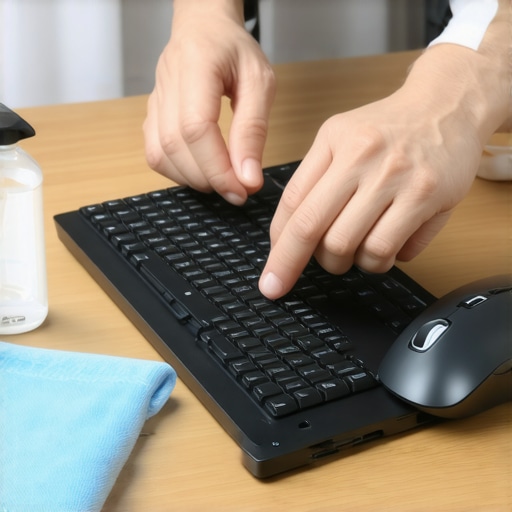
I sat down at my desk last Tuesday, coffee in hand, ready to tackle a mountain of emails, when I noticed it. A tiny, yellowish crust wedged under my ‘D’ key, paired with a distinct, greasy sheen on my mouse that definitely wasn’t there when I bought it. It’s a visceral realization we all have eventually. We spend eight hours a day touching these peripherals, often while snacking or rubbing our eyes, yet we rarely give them the same attention as a kitchen counter. I’ll be honest with you: I once toasted a perfectly good mechanical keyboard by being way too aggressive with a wet wipe. I thought I was being thorough, but I ended up with a $150 paperweight. Today, I want to share how you can avoid that heartbreak while still achieving a level of clean that makes your home office feel brand new again.
Stop Spraying Liquid Directly on Your Gear
The biggest mistake I ever made—and I see neighbors do this all the time—is treating a keyboard like a window. If you spray cleaner directly onto the keys, gravity does exactly what you’d expect: it pulls that moisture deep into the switches. This is where the short-circuiting happens. Instead, you need to learn why you should never spray cleaning products directly on surfaces and apply that logic to your tech. I’ve found that a slightly damp microfiber cloth is your best friend here. It’s about controlled moisture, not a soak. If you’re tackling a move or setting up a new space, you might even look into sanitizing hacks for safe house transitions to ensure everything in your office is up to par.
Is My Keyboard Actually That Gross?
You might think I’m being a bit dramatic, but the science is on my side here. According to a frequently cited study by the University of Arizona, the average office desk can harbor 400 times more bacteria than a toilet seat. Think about that for a second. We clean our bathrooms weekly, but when was the last time you really scrubbed your scroll wheel? If you’re anything like I was, the answer is probably ‘never’ or ‘not since 2022.’ Getting your peripherals clean is just as essential as following effective sanitizing methods for a germ-free home in general. Tell me, have you ever looked at your mouse in the afternoon sun and been absolutely horrified by the buildup? You aren’t alone.
Your Mouse is a Magnet for Dead Skin
It sounds lovely, doesn’t it? But it’s the truth. Every time you move that cursor, you’re leaving behind oils and skin cells that create a tacky residue. I used to think a quick swipe with my sleeve was enough, but that just pushes the grime into the sensor or the crevices of the buttons. You really need to know how to clean your computer mouse and scroll wheel properly using a toothpick and some 70% isopropyl alcohol on a cotton swab. It’s a bit tedious, sure, but the tactile click you get afterward is incredibly satisfying. It’s the same logic as maintaining your phone; you have to be careful about the proper way to sanitize your phone screen without ruining the coating. We’re aiming for a surgical strike on germs, not a carpet bombing of the internal electronics. By the time we’re done, your setup will be as fresh as if you’d just finished a professional house cleaning strategy for a sparkling home.
Pop Those Keycaps Off
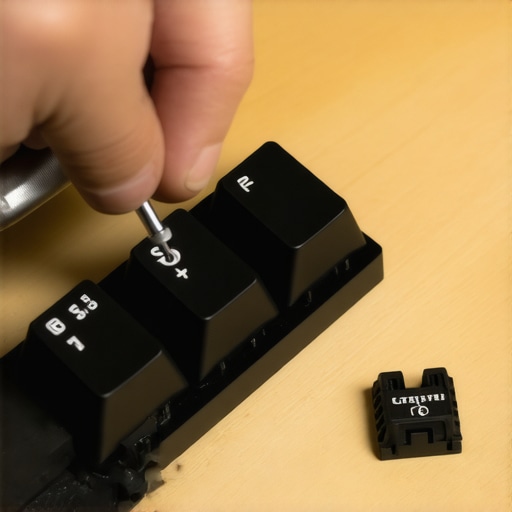
If you are using a mechanical keyboard, the most effective way to start is by removing the keys entirely. Think of it like deep-cleaning a rug; you cannot just vacuum the top if the dirt is woven into the fibers. Using a wire keycap puller is the safest way to avoid snapping the stems. It’s a process very similar to the upholstery cleaning tips for a fresh home revival where you have to address the hidden layers. I remember the first time I did this; I was horrified to find a petrified piece of popcorn from a movie night three months prior wedged under my shift key. By removing the caps, you can drop them into a bowl of warm water with a tiny drop of dish soap. Let them soak while you handle the board itself.
Why Vacuuming is Your Secret Weapon
Before you introduce any form of moisture to the keyboard base, you must remove the loose debris. There is a specific reason why professional cleaners always vacuum the sofa before wiping it: if you wet dust, you create a muddy sludge that is nearly impossible to get out of tight crevices. I use a small handheld vacuum with a brush attachment or a can of compressed air to blow out the hair, skin cells, and crumbs. I once skipped this step and tried to use a wet Q-tip immediately; I ended up pushing a gray paste into the mechanical switches that took me an hour to pick out with a needle. Don’t make that mistake. Clear the dry debris first to make the sanitizing phase much easier.
Sanitize the Contact Points Without Drowning the Board
Once the board is clear of loose junk, dampen a microfiber cloth with 70% isopropyl alcohol. You want it damp, not dripping. This is where you apply sanitizing secrets for a safer house in 2025 to your tech. Wipe the plate between the switches gently. For the keys themselves, after they have finished soaking, make sure they are 100% dry before snapping them back on. Even a tiny drop of trapped water can ruin a circuit. I usually let mine air dry on a towel for a full afternoon just to be safe. This level of patience is exactly what effective house cleaning secrets from cleaning experts suggest for any high-value item in your home.
How to Tackle Sticky Mouse Gunk Without Breaking the Sensor
Your mouse requires a different kind of finesse. Most of the grime lives on the ‘feet’—the little pads on the bottom that help it glide. I take a wooden toothpick and carefully scrape the ring of compressed dust and skin oils from the edges of these pads. It is incredibly satisfying to see the original color of the plastic return. When you are learning how to clean your computer mouse and scroll wheel, remember that the scroll wheel is basically a localized dust magnet. Use a can of air to blow out the internal housing of the wheel, then use a dry toothbrush to scrub the rubber texture. If your mouse has a high-gloss finish, be extra careful; harsh chemicals can strip the coating, leaving it feeling permanently sticky.
Focus on the Desk Surface Too
A clean mouse on a dirty desk is a recipe for instant re-contamination. Wipe down your mousepad or the desk surface using the same logic you would apply during a move-out inspection cleaning. If you have a cloth mousepad, many are actually machine washable on a cold, gentle cycle, but check the manufacturer’s site first. Last summer, I threw my extra-large desk mat in the wash after a coffee spill, and it came out looking brand new, though it took forever to air dry. Eliminating the oils from the surface where your palms rest will prevent that ‘tacky’ feeling from returning to your mouse within a few days.
While we’re obsessing over keyboard crevices, let’s talk about the chair you’re sitting in and the carpet under your feet. Most people think a quick spray of disinfectant and a vigorous scrub is the gold standard for handling spills or general grime. In my experience, that is the fastest way to ruin expensive furniture. I’m here to challenge the common belief that ‘elbow grease’ solves everything. In reality, scrubbing is the enemy of fiber longevity. You really need to understand why you should never scrub a fresh liquid stain because you’re essentially driving the pigments and moisture deeper into the padding. Instead, it’s all about the blot. This is a common pitfall in move-out cleaning strategies to secure your deposit; trying to fix a spot at the last minute with aggression often results in a permanent patch of frayed fabric that an inspector will spot instantly.
The Hidden Danger of the Spray and Wipe Habit
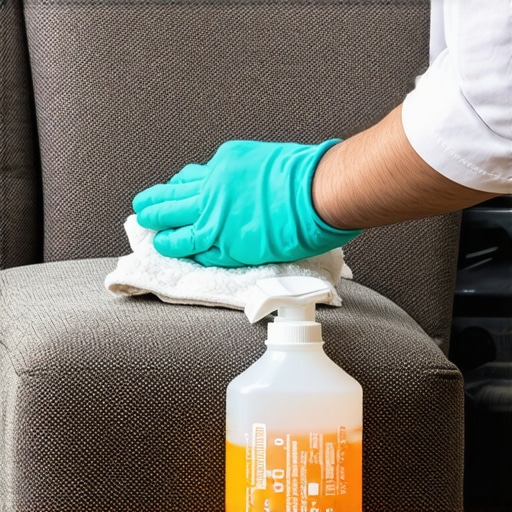
We’ve all done it: spray a surface and immediately wipe it dry. If you’re doing this, you aren’t actually sanitizing; you’re just cleaning the surface of visible dust. The ‘Oops’ factor here is ignoring dwell time. Most household disinfectants require the surface to stay visibly wet for three to ten minutes to effectively neutralize pathogens. If you wipe it away in five seconds, the bacteria are still there, just slightly more damp. This is why following effective sanitizing methods for a germ-free home is so critical. You have to let the chemistry do the work so you don’t have to. Using these sanitizing secrets for a safer house in 2025 involves a level of patience most of us haven’t been taught.
Does Dwell Time Really Matter for Home Sanitization?
To answer that, we have to look at the microbiology of our surfaces. A study published in the Journal of Applied Microbiology found that many common household pathogens, including certain strains of Staphylococcus, require significant contact time with a disinfectant to be fully eradicated on porous surfaces. If you’re rushing through your daily house cleaning routine to maintain perfection, you might be creating a false sense of security. Advanced cleaning is about managing the environment, not just making it look pretty. This is especially true for those following an ultimate upholstery care guide for lasting freshness; you have to balance the need for sanitation with the risk of over-saturating the material.
Why Your Carpet Feels Crunchy After You Clean It
Another common mistake I see is using too much soap. People think more soap equals more clean, but the opposite is true. If you don’t thoroughly rinse your textiles, the soap remains in the fibers and acts like a magnet for new dirt. This is the primary reason why your carpet is still dirty after you shampooed it. That sticky residue is what creates that ‘crunchy’ feeling and leads to rapid re-soiling. When you are implementing house cleaning strategies for a sparkling home today, remember that less is almost always more. Whether you’re dealing with a desk chair or a living room sofa, the goal is to leave no trace of the cleaner behind. It’s a nuance that separates the amateurs from the pros. Have you ever fallen into this trap? Let me know in the comments.
My Personal Toolkit for a Forever-Clean Desk
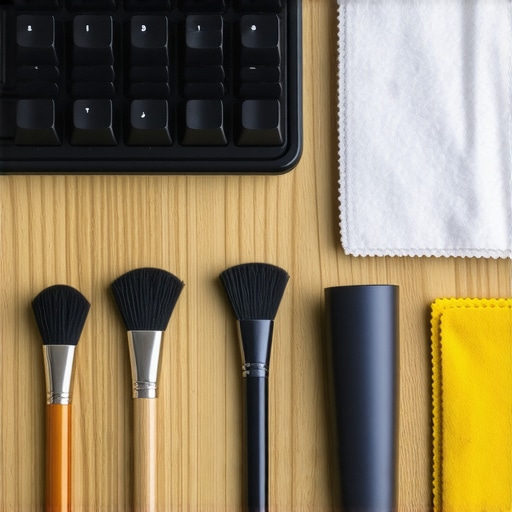
After years of trial and error, I’ve whittled my ‘cleaning command center’ down to three non-negotiables. First, a dedicated precision brush set—the kind used by watchmakers. These are stiff enough to flick out skin flakes but soft enough not to scratch your keycaps. Second, a high-quality HEPA-filtered vacuum with a micro-tool kit. If you aren’t using a filter that catches 99.97% of particles, you’re just redistributing dust into the air, which is a common mistake in any daily house cleaning routine to maintain perfection. Lastly, I keep a stack of 300GSM microfiber cloths. They have just enough ‘bite’ to grab grease without needing heavy solvents.
Professional standards back this up. The Institute of Inspection Cleaning and Restoration Certification (IICRC) S100 standard emphasizes that dry soil removal is the most critical phase of any restorative cleaning. Whether you are prepping for a move-out clean checklist to simplify your transition or just dusting your escape key, getting the dry grit out first prevents the abrasive wear that kills hardware and fabrics alike. This logic is the cornerstone of the ultimate upholstery care guide for lasting freshness. If you leave the grit in, it acts like sandpaper every time you sit down or type.
How do I keep my peripherals pristine every week?
The secret isn’t a massive deep clean every six months; it’s the ‘two-minute reset.’ Every Friday afternoon, I take a dry microfiber cloth and do a quick lap around my desk, mouse, and monitor. It prevents the oils from bonding with the plastic. If I notice a stain on my office chair, I immediately refer to upholstery cleaning tips for a fresh home revival to spot-treat it before it sets. This habit is much easier than a full-day scrub and is a key part of effective house cleaning secrets from cleaning experts who manage high-traffic spaces. Think of it as preventative maintenance rather than damage control.
What the Future of Home Office Hygiene Looks Like
I predict that in the next few years, we are going to see a massive shift toward self-sanitizing materials in the home office. We’re already seeing silver-ion coatings on medical-grade keyboards, and it’s only a matter of time before that tech hits the consumer market. Until then, we have to rely on effective sanitizing methods for a germ-free home to keep our workspaces safe. If you’re planning a move, utilizing sanitizing hacks for safe house transitions will be your best bet to ensure you aren’t bringing old germs into a new environment. If you want to see a real difference today, I challenge you to try the ‘toothpick scrape’ on your mouse feet tonight—you’ll be shocked at how much smoother it glides.
Staying ahead of the grime also means knowing when to stop. If you’re tackling a massive project like a full home transition, don’t forget to check your move-out cleaning strategies to secure your deposit. Often, the smallest details, like the dust in a window track or a smudge on a light switch, are what catch the eye of an inspector. Consistency is the only way to avoid that last-minute panic. Make sure you also look into move-out cleaning hacks to ensure your deposit refund if you’re dealing with stubborn stains on office carpets or upholstery.
Lessons I Learned While Salvaging My Desk
If there is one thing I have learned after years of trial and error, it is that moisture is a tool, not a solution. I used to think that a soaking wet cloth meant more cleaning power, but in the world of high-end electronics and sensitive fabrics, it is actually a recipe for disaster. This realization is why I am so vocal about why you should never spray cleaning products directly on surfaces. Another lightbulb moment came when I stopped viewing my office as a separate entity from the rest of my home. If you are diligent about your daily house cleaning routine to maintain perfection in the kitchen, that same discipline should apply to your spacebar and mouse. Finally, I realized that true sanitation is invisible; just because the dust is gone doesn’t mean the bacteria followed it.
Building a Pro-Grade Sanitization Kit
You do not need a closet full of chemicals to keep your tech in peak condition. I personally rely on a few specific items that have never let me down. I always keep 70% isopropyl alcohol on hand because it evaporates quickly enough to keep internal circuits safe while being strong enough to break down skin oils. I also swear by 300GSM microfiber cloths; they provide enough friction to lift grime without scratching delicate plastic. For those deeper dives into chair maintenance, I follow the ultimate upholstery care guide for lasting freshness to ensure my seating stays as clean as my keys. If you are ever unsure about a specific material, checking out effective house cleaning secrets from cleaning experts is my favorite way to avoid costly mistakes.
Give Your Desk the Refresh It Deserves
Cleaning your peripherals might feel like a chore at first, but once you feel the smooth glide of a debris-free mouse and the crisp click of a sanitized keyboard, you won’t want to go back. It is about more than just aesthetics; it is about creating a workspace that supports your health and focus. Whether you are prepping for a move and using a move-out clean checklist to simplify your transition or just doing a Friday afternoon reset, your future self will thank you for the effort. Don’t be afraid to take things slow and be meticulous with those sanitizing secrets for a safer house in 2025. Have you ever discovered something truly bizarre hiding under your keyboard keys? Let me know in the comments below!