
I will never forget the Tuesday night my kitchen turned into a biohazard zone. I was reheating some leftover chili—the kind with way too much cumin—and I forgot to cover the bowl. Pop. Sizzle. Splat. Within seconds, the interior of my microwave looked like a Jackson Pollock painting made of beans and grease. I did what most people do: I reached for the harshest chemical spray under the sink and started scrubbing until my knuckles were raw. It did not work. In fact, I learned the hard way that you should never spray cleaning products directly on surfaces like that, especially near the delicate vents of your appliances. The fumes were overwhelming, and the crusty mess just laughed at me. I was exhausted, the house smelled like a laboratory, and the microwave was still filthy. That was the moment I realized my house cleaning strategies needed a serious overhaul. Today, I am going to show you how a simple lemon can do what expensive chemicals cannot, saving you time and protecting your lungs in the process.
Why I Stopped Fighting My Microwave and Started Steaming It
The real secret to a clean kitchen is not elbow grease; it is knowing how to work smarter. I used to think that the more a cleaning product burned my eyes, the better it was working. I was wrong. When you are trying to ensure your deposit refund during a move, you do not have time to waste on ineffective methods. Steaming the grime is a game-changer. The acidity of a lemon, combined with the power of steam, loosens even the most stubborn, burnt-on food particles. According to the National Institutes of Health (NIH), citric acid is a highly effective natural disinfectant that can help eliminate common household pathogens without the need for toxic residues. It is one of those secrets from cleaning experts that actually lives up to the hype. I made the mistake early on of trying to scrape the walls with a butter knife, which ended up scratching the protective coating. Do not do that. Instead, let the citrus do the heavy lifting for you. This method is essential for sanitizing your house in 2025 while keeping things eco-friendly.
Is a Piece of Fruit Really Strong Enough for This Grime?
I get it. You are looking at that dried-on spaghetti sauce from three weeks ago and thinking a lemon is about as useful as a chocolate teapot. I was a skeptic too. But the trick to cleaning your microwave with a lemon is not about the fruit itself, but the chemical reaction that happens when that acidic water turns into a hot mist. It penetrates the porous structure of the food spills, breaking them down from the inside out. This is far safer than using the same chemicals you might use for reviving your upholstery near a space where you prepare food. Have you ever spent twenty minutes scrubbing a single spot in the microwave only to have it stay exactly where it is? I want to hear your most frustrating cleaning disaster stories! We are about to turn those frustrations into a distant memory as we walk through the exact steps to get that pristine, fresh-scented finish you have been craving.
The Zero-Scrub Method for Stubborn Spatters
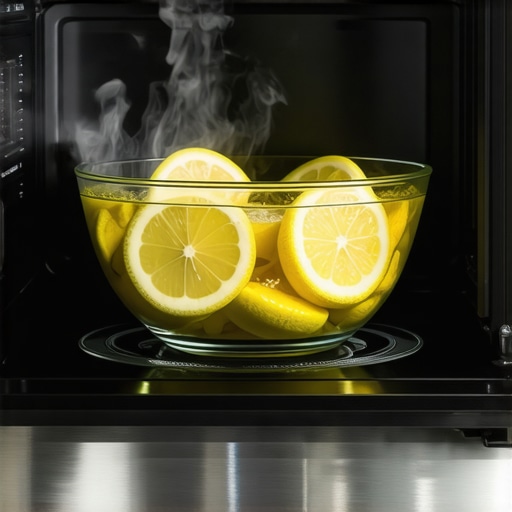
You only need three things: a microwave-safe bowl, about half a cup of water, and one fresh lemon. I remember my first attempt at this—I was so impatient I didn’t even slice the lemon; I just threw it in whole. It was a huge mistake that barely produced any steam. To get the best results, slice that lemon in half and squeeze some of the juice into the water before dropping the halves in. This increases the surface area for the citric acid to evaporate. If you find yourself in a pinch during a move-out, this is one of those move-out cleaning hacks to ensure your deposit refund because it requires almost zero equipment and leaves the appliance looking brand new.#IMAGE_PLACE_HOLDER_B#
Heat It Up and Wait for the Magic
Place the bowl inside and set your microwave for five minutes on high. You want to see the window get completely fogged up. That steam is carrying the citrus oil and acid into every nook and cranny. When the timer dings, resist the urge to open the door immediately. I once made the mistake of opening it too soon and got a face full of hot steam—not fun. Let it sit for at least five minutes. This “dwell time” is essential, much like how effective sanitizing methods for a germ-free home rely on the product staying wet on the surface to actually kill bacteria. During this time, the steam is essentially melting the glue-like bond of those old spaghetti stains.
Wipe the Interior From Top to Bottom
Once the five minutes are up, carefully remove the bowl—it will be hot! Take a clean cloth and start at the ceiling of the microwave. I’ve learned that you should always start cleaning from the top of the room or appliance so you aren’t dripping dirty water onto areas you already cleaned. The grime should slide off like butter. If you run into a particularly stubborn spot that feels like dried cement, dip your cloth directly into the warm lemon water and hold it against the spot for thirty seconds. This is a much better alternative than using a scouring pad which can ruin the finish, similar to how you have to be careful when figuring out the only way to clean sticky residue from new appliances without scratching them.
Clear Out the Turntable and Track
Don’t forget the glass plate. Most people just wipe around it, but I’ve found that the real smells hide underneath. Take the turntable out and wash it in the sink like a regular dish. While it’s out, use your lemon-dampened cloth to wipe the roller ring and the floor of the microwave. This is a key part of any daily house cleaning routine to maintain perfection. If your microwave has a greasy filter or vent, the steam will have loosened some of that buildup too. This is far less labor-intensive than cleaning greasy range hood filters, but it uses the same principle of heat and acidity to break down lipids.
The Final Polish for a Fresh Scent
Finally, use a dry microfiber cloth to buff the interior walls. If you notice streaks, it might be because of how you’re washing your rags; check out why your microfiber cloths stop working to ensure they stay absorbent. Your microwave shouldn’t just look clean; it should smell like a citrus grove. This same technique works wonders if you need to know the trick to cleaning toaster ovens without harsh chemicals. By the time you’re done, the interior should be as sanitized as if you’d used a gallon of bleach, but without any of the scary fumes.I will never forget the Tuesday night my kitchen turned into a biohazard zone. I was reheating some leftover chili—the kind with way too much cumin—and I forgot to cover the bowl. Pop. Sizzle. Splat. Within seconds, the interior of my microwave looked like a Jackson Pollock painting made of beans and grease. I did what most people do: I reached for the harshest chemical spray under the sink and started scrubbing until my knuckles were raw. It did not work. In fact, I learned the hard way that you should never spray cleaning products directly on surfaces like that, especially near the delicate vents of your appliances. The fumes were overwhelming, and the crusty mess just laughed at me. I was exhausted, the house smelled like a laboratory, and the microwave was still filthy. That was the moment I realized my house cleaning strategies needed a serious overhaul. Today, I am going to show you how a simple lemon can do what expensive chemicals cannot, saving you time and protecting your lungs in the process.
Why I Stopped Fighting My Microwave and Started Steaming It
The real secret to a clean kitchen is not elbow grease; it is knowing how to work smarter. I used to think that the more a cleaning product burned my eyes, the better it was working. I was wrong. When you are trying to ensure your deposit refund during a move, you do not have time to waste on ineffective methods. Steaming the grime is a game-changer. The acidity of a lemon, combined with the power of steam, loosens even the most stubborn, burnt-on food particles. According to the National Institutes of Health (NIH), citric acid is a highly effective natural disinfectant that can help eliminate common household pathogens without the need for toxic residues. It is one of those secrets from cleaning experts that actually lives up to the hype. I made the mistake early on of trying to scrape the walls with a butter knife, which ended up scratching the protective coating. Do not do that. Instead, let the citrus do the heavy lifting for you. This method is essential for sanitizing your house in 2025 while keeping things eco-friendly.
Is a Piece of Fruit Really Strong Enough for This Grime?
I get it. You are looking at that dried-on spaghetti sauce from three weeks ago and thinking a lemon is about as useful as a chocolate teapot. I was a skeptic too. But the trick to cleaning your microwave with a lemon is not about the fruit itself, but the chemical reaction that happens when that acidic water turns into a hot mist. It penetrates the porous structure of the food spills, breaking them down from the inside out. This is far safer than using the same chemicals you might use for reviving your upholstery near a space where you prepare food. Have you ever spent twenty minutes scrubbing a single spot in the microwave only to have it stay exactly where it is? I want to hear your most frustrating cleaning disaster stories! We are about to turn those frustrations into a distant memory as we walk through the exact steps to get that pristine, fresh-scented finish you have been craving.
The Zero-Scrub Method for Stubborn Spatters
You only need three things: a microwave-safe bowl, about half a cup of water, and one fresh lemon. I remember my first attempt at this—I was so impatient I didn’t even slice the lemon; I just threw it in whole. It was a huge mistake that barely produced any steam. To get the best results, slice that lemon in half and squeeze some of the juice into the water before dropping the halves in. This increases the surface area for the citric acid to evaporate. If you find yourself in a pinch during a move-out, this is one of those move-out cleaning hacks to ensure your deposit refund because it requires almost zero equipment and leaves the appliance looking brand new.#IMAGE_PLACE_HOLDER_B#
Heat It Up and Wait for the Magic
Place the bowl inside and set your microwave for five minutes on high. You want to see the window get completely fogged up. That steam is carrying the citrus oil and acid into every nook and cranny. When the timer dings, resist the urge to open the door immediately. I once made the mistake of opening it too soon and got a face full of hot steam—not fun. Let it sit for at least five minutes. This “dwell time” is essential, much like how effective sanitizing methods for a germ-free home rely on the product staying wet on the surface to actually kill bacteria. During this time, the steam is essentially melting the glue-like bond of those old spaghetti stains.
Wipe the Interior From Top to Bottom
Once the five minutes are up, carefully remove the bowl—it will be hot! Take a clean cloth and start at the ceiling of the microwave. I’ve learned that you should always start cleaning from the top of the room or appliance so you aren’t dripping dirty water onto areas you already cleaned. The grime should slide off like butter. If you run into a particularly stubborn spot that feels like dried cement, dip your cloth directly into the warm lemon water and hold it against the spot for thirty seconds. This is a much better alternative than using a scouring pad which can ruin the finish, similar to how you have to be careful when figuring out the only way to clean sticky residue from new appliances without scratching them.
Clear Out the Turntable and Track
Don’t forget the glass plate. Most people just wipe around it, but I’ve found that the real smells hide underneath. Take the turntable out and wash it in the sink like a regular dish. While it’s out, use your lemon-dampened cloth to wipe the roller ring and the floor of the microwave. This is a key part of any daily house cleaning routine to maintain perfection. If your microwave has a greasy filter or vent, the steam will have loosened some of that buildup too. This is far less labor-intensive than cleaning greasy range hood filters, but it uses the same principle of heat and acidity to break down lipids.
The Final Polish for a Fresh Scent
Finally, use a dry microfiber cloth to buff the interior walls. If you notice streaks, it might be because of how you’re washing your rags; check out why your microfiber cloths stop working to ensure they stay absorbent. Your microwave shouldn’t just look clean; it should smell like a citrus grove. This same technique works wonders if you need to know the trick to cleaning toaster ovens without harsh chemicals. By the time you’re done, the interior should be as sanitized as if you’d used a gallon of bleach, but without any of the scary fumes. Let’s dig deeper into why we’ve been conditioned to equate a chemical scent with a sterile environment. Most people assume that if a room smells like a swimming pool, it must be healthy. This is a common trap. In my professional experience, relying on heavy chemicals without proper mechanical cleaning is one of the most significant move-out cleaning mistakes that cost renters money. The Centers for Disease Control and Prevention (CDC) notes that cleaning—removing dirt and impurities—must always precede disinfecting. If you skip the soap-and-water step, organic matter can actually shield bacteria from the disinfectant. You aren’t sanitizing; you’re just coating the grime.
Stop Equating the Smell of Bleach with Cleanliness
True expertise in secrets from cleaning experts involves understanding the dangerous traps of modern cleaners. For instance, many DIY-ers accidentally create toxic gases by mixing incompatible products. When applying sanitizing hacks for safe house transitions, the goal is efficacy, not intensity. I’ve seen homeowners ruin granite countertops by using acidic natural cleaners that etch the stone, or use generic sprays on delicate upholstery that lead to permanent discoloration.
Why Your Sofa Might Look Worse After You Scrub It
Upholstery is another area where a little knowledge is dangerous. I get asked all the time why a professional clean is so different from a DIY attempt. The answer lies in moisture. Over-saturating a fabric sofa can lead to browning, where internal materials wick to the surface and create permanent rings. Following an ultimate upholstery care guide for lasting freshness requires a light touch. If you don’t have a daily house cleaning routine to maintain perfection, dust becomes embedded and turns into a sludge when you finally decide to wet it.
Don’t Ignore the Biofilms Hiding in Plain Sight
Finally, we have to talk about dwell time. This is the hidden nuance that separates amateurs from pros. Most disinfectants require the surface to remain visibly wet for several minutes to be effective. If you’re spraying and immediately wiping, you’re essentially just polishing the germs. This is particularly critical when dealing with the hidden grime on your dishwasher gasket. These rubber seals often host biofilms—slimy colonies of bacteria that are resistant to quick wipes. To truly sanitize, you need patience. Have you ever fallen into the spray and wipe trap and wondered why your kitchen still didn’t feel quite right? Let me know in the comments! Using these sanitizing secrets for a safer house in 2025 will ensure your home isn’t just clean-looking, but actually safe.To really scale these results and move beyond the ’emergency scrub’ phase, you have to stop treating your cleaning tools as disposable afterthoughts. I used to buy the cheapest vacuum I could find until I realized that my vacuum brush roll is ruining my hardwood floors by leaving micro-scratches that trap even more dirt. Now, I invest in a machine with a dedicated floor head and a HEPA filter. But even the best machine becomes a liability if you don’t maintain it. I’ve seen so many people panic because their machine loses suction, not realizing it is just a clogged filter or a tangled roller. Professional-grade maintenance is about these small, consistent cycles rather than one-off miracles. For instance, the Institute of Inspection Cleaning and Restoration Certification (IICRC) emphasizes that upholstery should be vacuumed weekly with a high-efficiency particulate air filter to prevent abrasive soil from becoming ‘set’ in the fibers. This is the bedrock of any ultimate upholstery care guide for lasting freshness.
The high-end tools that actually pay for themselves
I have become a bit of a purist when it comes to steam. If you can afford a high-pressure canister steam cleaner, buy one. It is the only way I have found to truly sanitize without the sticky residue of floor cleaners. I use it for everything from grout lines to curtains. If you are skeptical, look at how to sanitize your bathroom floor using steam alone to see how heat kills bacteria more effectively than a half-hearted mop swipe. This approach also prevents that cloudy film that often plagues homeowners who wonder why luxury vinyl plank floors look cloudy after mopping. When you use pure water vapor, there is no chemical buildup to attract more dust five minutes after you finish.#IMAGE_PLACE_HOLDER_D#
How do I maintain a germ-free home on a busy schedule?
The trick is to stop looking at cleaning as a weekend event and start seeing it as a series of thirty-second micro-tasks. Integrating a daily house cleaning routine to maintain perfection means wiping the high-touch points like door handles and light switches while the coffee brews. I also keep a dedicated spray bottle of 70% isopropyl alcohol tucked away in my home office. It is the best way I’ve found to sanitize your home office keyboard and mouse safely without risking liquid damage to the electronics. By doing these tiny bursts of sanitizing in 2025, you prevent the ‘biohazard zones’ from ever forming in the first place. I predict that within the next decade, we will see a shift toward ‘probiotic cleaning,’ where we apply beneficial bacteria to surfaces to crowd out the harmful ones, but until those bio-films are commercially standard, your best defense is high-heat steam and frequent mechanical removal. I challenge you to try one thing today: go clean out your vacuum’s brush roll and filter. You will be horrified by what’s in there, but your floors will thank you instantly.
The Hardest Lessons I Learned While Scrubbing Kitchens
Over the years, my perspective on house cleaning strategies has shifted from ‘blast it with chemicals’ to ‘understand the science.’ One of the biggest lightbulb moments for me was realizing that scent is a liar. A room that smells like a swimming pool isn’t necessarily sterile; it’s just pungent. I’ve also learned that friction is your best friend. No spray can replace the mechanical action of a good microfiber cloth lifting pathogens off a surface. Finally, I discovered that rushing is the enemy of hygiene. If you don’t allow for proper dwell time, you’re just moving germs around rather than killing them. This is especially true when you are trying to master move-out cleaning strategies to secure your deposit.
Tools That Actually Earn Their Spot in My Closet
I don’t believe in gadgets, but I do believe in results. To maintain a truly healthy environment, I rely on a few heavy hitters. First, a high-pressure canister steam cleaner is the only way to avoid the sticky residue that makes your luxury vinyl plank floors look cloudy after you mop. Second, a vacuum with a HEPA filter is essential, provided you remember that your vacuum brush roll is ruining your hardwood floors if it’s not adjusted properly. I also keep a stash of 70% isopropyl alcohol for when I need to sanitize your home office keyboard and mouse safely. These tools aren’t just about appearance; they are about longevity and health.
Take Back Your Home One Lemon at a Time
Cleaning shouldn’t feel like a battle you’re destined to lose. By shifting to these smarter, more intentional methods, you’re not just removing dirt; you’re creating a sanctuary. Whether you are deep-cleaning for a landlord or just trying to keep the flu at bay, remember that the smallest habits often yield the biggest rewards. Your journey toward sanitizing secrets for a safer house in 2025 starts with that very first bowl of lemon water. Don’t be afraid to ditch the harsh sprays and trust the process. You’ve got this!
Have you ever had a cleaning ‘fail’ that turned into a valuable lesson? Let me know in the comments below!