
I remember the first time I faced the ‘Splatter Zone’ after my kids decided to reheat a double-serving of spaghetti without a lid. It was a nightmare. The sauce had baked into a concrete-like substance that laughed at my paper towels. In my early days of keeping a home, I made the amateur mistake of using a heavy-duty abrasive sponge—the kind that leaves tiny, permanent scratches on the plastic interior—and I regretted it instantly. If you are currently working through a move-out clean checklist, you already know that a greasy, smelling microwave is the first thing a landlord or inspector noticed. But what if I told you that the absolute best tool for a sparkling interior was sitting right in your fruit bowl? Today, I am going to show you how to save your elbows and your sanity with a single lemon.
Stop Fighting the Grime and Let Steam Do the Work
Living in a busy house means the microwave is essentially the heart of the kitchen, but it is also the most neglected corner. I have spent years trying those expensive chemical sprays that smell like a laboratory accident, and honestly, they just make my leftovers taste like ‘fake lavender’ for a week. When I first heard about the lemon method, I was beyond skeptical. I thought there was no way a piece of fruit could handle the crusty residue of a thousand burritos. However, the science is solid—citric acid is a natural degreaser. Many of the most effective house cleaning secrets rely on this natural acidity to break down organic proteins and fats without damaging your health. Have you ever spent your entire Saturday afternoon scrubbing out a kitchen appliance only to feel like you barely made a dent? I have been there, and it is exactly why I switched to this low-effort hack.
Does a piece of fruit actually work better than chemicals?
I get the hesitation. You are probably worried you will end up with a sticky, citrusy mess instead of a clean appliance. I had the same fear until I realized that the magic isn’t just in the juice; it is in the steam. According to research cited by the Good Housekeeping Institute, the steam created by heating the lemon water loosens the burnt-on bits while the citric acid cuts through the grease, making the grime wipe away like butter. It is an essential part of effective sanitizing methods that keep your home safe without the need for a gas mask. This method is the ultimate ‘work smarter, not harder’ solution for anyone who hates the smell of bleach in their kitchen.
Turn Your Microwave into a Self-Cleaning Machine
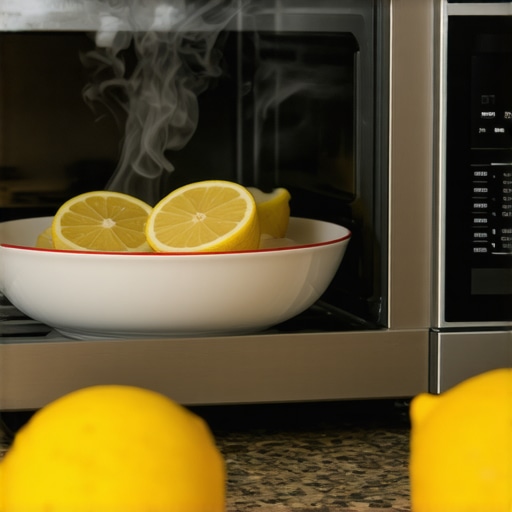
To get started, you don’t need a degree in chemistry, just a microwave-safe bowl and a single lemon. Fill the bowl with about 1 to 2 cups of water. I prefer using a deep glass bowl because it retains heat better than plastic. Slice your lemon in half and squeeze the juice directly into the water, then drop the halves right in. If you are dealing with particularly stubborn odors—maybe someone burnt popcorn last night—adding a tablespoon of white vinegar can amplify the effect, but the lemon alone usually does the trick for standard grime. This setup is a staple in many house cleaning strategies for a sparkling home today because it utilizes high-heat humidity to penetrate layers of dried-on food.
Squeeze and drop for maximum acidity
Don’t just toss the lemon in whole. You need the pulp and juice exposed to the water so they can atomize during the heating process. I learned this the hard way when I once tried to ‘steam’ a microwave by just putting a whole lemon on the turntable—it did absolutely nothing but get the lemon hot. By slicing and squeezing, you are creating an acidic mist. This is the same logic used in sanitizing hacks for safe house transitions, where you want the cleaning agent to reach every nook and cranny without you having to physically reach in with a brush.
The heat cycle that breaks the bond
Place the bowl in the center of the turntable and set the microwave to high power for five minutes. You want that water to reach a rolling boil. If you have a very high-wattage microwave, three minutes might suffice, but you are looking for the window to be completely fogged over with steam. This part of the process reminds me of how pros suggest the landlord approved strategy for cleaning oven racks without scrubbing; it is about letting a solution do the heavy lifting while you go grab a cup of coffee.
Patience is the secret ingredient
Here is the most important step: when the timer dings, do not open the door. If you open it immediately, all that pressurized, acidic steam escapes into your kitchen, and you lose your advantage. Let it sit for at least five to ten minutes. This ‘dwell time’ allows the moisture to fully saturate the crusty spatters. I remember one specific move-out clean where the microwave looked like a disaster zone. I was so rushed that I opened the door immediately, and I ended up having to scrub for twenty minutes. The next time, I waited ten minutes, and the mess wiped away in thirty seconds. This patience is vital when following move-out cleaning strategies to secure your deposit.
Wiping away the evidence of a hundred meals
Once the time is up, carefully remove the bowl—it will be very hot, so use oven mitts. Start by wiping the ceiling of the microwave, then the sides, and finally the bottom. The turntable should come right out; you can give it a quick rinse in the sink. If you encounter a spot that is still being stubborn, dip your cloth into the warm lemon water and hold it against the spot for a few seconds. This method is far more effective than any abrasive pad and keeps the interior as pristine as the day you moved in, much like the steps found in the move-in checklist for your new kitchen cabinets and pantry. You will notice the grease literally slides off, leaving a streak-free shine and a fresh, natural scent.
Stop Using Vinegar on Every Surface You Own
While the lemon and steam trick is a total game-changer for the microwave, I often see homeowners take the ‘natural cleaning’ craze a bit too far. There is a common belief that if it is safe to eat, it is safe for every surface. That is a dangerous myth. For instance, the same acidity that melts microwave grease will absolutely ruin a natural stone countertop over time. This is exactly why vinegar is not always the best choice for granite countertops; the acid can etch the finish and leave it looking dull and cloudy. When you are deep into move-out cleaning hacks to ensure your deposit refund, the last thing you want is to be charged for a professional stone restoration because you tried to be eco-friendly.
Is steam alone enough to kill foodborne pathogens?
This is where things get nuanced. While steam is incredible for loosening physical debris, it does not always equal total sterilization. According to microbiology experts at the University of Arizona, most ‘natural’ cleaning solutions require a specific ‘contact time’ to actually kill bacteria like E. coli or Salmonella. If you wipe the steam away too quickly, you might be leaving behind microscopic hitchhikers. This is a critical distinction in effective sanitizing methods for a germ-free home. For a true deep clean, especially after a spill involving raw meat, you might need to follow up your lemon steam with a targeted disinfectant.
Why Spraying Directly on Your Microwave Buttons is a Costly Mistake
I have seen more than one microwave meet an early grave because of the ‘Oops’ factor. Most people have the habit of misting their cleaning solution directly onto the appliance’s control panel. This is a huge error. Liquid can easily seep behind the plastic membrane or the buttons, short-circuiting the delicate electronics inside. This is a primary reason why you should never spray cleaning products directly on surfaces—always spray your microfiber cloth first. It is a small nuance, but it saves you from a $300 replacement bill. Have you ever fallen into this trap or accidentally damaged an appliance while trying to clean it? Let me know in the comments! I have definitely learned my lesson the expensive way more than once.
The Secret to a Zero-Scrub Finish
If you find that your microwave still feels slightly tacky after the lemon steam, you are likely dealing with polymerized grease—essentially oil that has been ‘baked’ into a plastic-like coating. In these cases, even the best house cleaning strategies for a sparkling home today suggest a tiny bit of mechanical help. Instead of reaching for a wire brush, use the dish soap trick for removing greasy buildup on kitchen cabinets and apply it to the microwave interior with a soft sponge. The surfactants in the soap break the molecular bond of the oil that the steam only loosened. This layered approach is what separates a standard tidy-up from the effective house cleaning secrets from cleaning experts who handle high-stakes move-out cleans every day. By understanding the chemistry behind the grime, you can stop scrubbing and start letting the science do the work for you.
Beyond the microwave, I have found that the real difference between a home that looks ‘okay’ and one that feels professional-grade comes down to the gear you keep in your utility closet. Most people grab the cheapest pack of microfiber cloths they can find, but those often shed lint and lose their static charge after just a few washes. I personally swear by 300 GSM (grams per square meter) cloths because they have the density required to actually trap bacteria rather than just pushing it around the counter. This is a core part of the effective house cleaning secrets from cleaning experts that I wish I had known a decade ago. High-quality microfiber acts like a magnet for dust, which is why I use it for everything from electronics to my upholstery cleaning tips for a fresh home revival.
How can I maintain a spotless kitchen without a weekly deep clean?
The answer isn’t working harder; it is about the ‘clean-as-you-go’ principle integrated into a daily house cleaning routine to maintain perfection. For me, that means a quick wipe of the high-touch zones every evening before I turn off the lights. To do this properly, you need to understand the ‘T.A.C.T’ principle—an industry standard cited by the IICRC (Institute of Inspection Cleaning and Restoration Certification). It stands for Time, Agitation, Chemistry, and Temperature. When you use a handheld steamer, you are optimizing the ‘Temperature’ variable, which drastically reduces the need for harsh ‘Chemistry.’ If you have never used a handheld steamer on your kitchen grout or the tracks of your sliding glass doors, you are missing out on the most satisfying part of home maintenance. It is also one of the most effective sanitizing methods for a germ-free home because it kills 99.9% of bacteria without a single drop of bleach. This tool is also a lifesaver for soft surfaces; I follow my own ultimate upholstery care guide for lasting freshness by steaming my sofa once a month to kill dust mites and remove odors. Looking ahead, I predict we are going to see a massive shift toward residential-grade UV-C light tools and AI-integrated vacuums that can identify specific types of floor grime in real-time, making sanitizing secrets for a safer house in 2025 even more accessible to the average family. If you want to level up your cleaning game right now, my advanced tip is to start ‘zone cleaning’—focus all your energy on one room for just 15 minutes a day rather than trying to tackle the whole house on a Saturday. This prevents the ‘burnout’ that often leads to neglected appliances and messy corners. Give it a shot this week and see how much lighter your weekend feels!
The Hardest Lesson I Learned About Tackling Hidden Kitchen Grime
One thing I realized way too late is that cleaning is a sequence, not a sprint. If you clean the microwave but forget the surrounding surfaces, you are just moving germs around. I once spent hours on the interior only to realize the hidden grime on your light switches was what actually made the kitchen feel ‘off’. Another lightbulb moment was realizing why your mop bucket is spreading more dirt than it removes—using dirty tools is like trying to dry off with a wet towel. Professional cleanliness comes from respecting the ‘top-to-bottom’ rule and never cross-contaminating your tools.
The Gear That Separates Amateurs from Pro Cleaners
I do not believe in having a cupboard full of fifty different sprays. My toolkit is lean and effective: a handheld steamer for the tough stuff and 300 GSM microfiber cloths for a streak-free finish. #IMAGE_PLACEHOLDER_E# If you are preparing to leave a rental, I highly recommend checking out the secret to getting your full security deposit back every time. These resources are my go-to because they focus on high-impact results rather than just busywork. I also rely on sanitizing hacks for safe house transitions to keep every home I touch truly healthy and safe for the next family.
Take Back Your Weekend and Your Security Deposit
Cleaning should not feel like a punishment or a marathon. When you use the right science—like the lemon steam trick—you reclaim your time and your sanity. Whether you are performing a final move-out clean or just maintaining your sanctuary, remember that consistency beats intensity every time. You have the tools and the knowledge; now it is time to see that sparkle for yourself! Have you ever discovered a natural cleaning hack that worked better than the chemical version? Let me know in the comments below!