
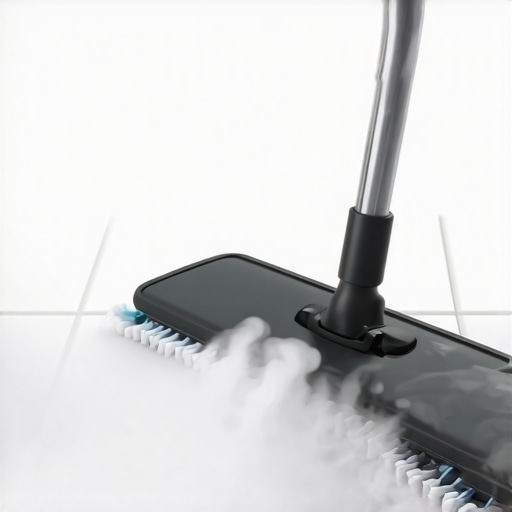
I remember kneeling on my cold, porcelain bathroom tiles last winter, tears streaming down my face. No, I wasn’t heartbroken—I was just over-cleaning with a heavy-duty bleach solution in a tiny room with zero ventilation. My eyes stung, my throat felt raw, and I realized I was probably doing more harm to my lungs than I was doing good for my floor. It was that “lightbulb moment” where I realized my obsession with effective sanitizing methods for a germ-free home shouldn’t require a hazmat suit. I wanted a space that was actually safe to walk on barefoot, even for my kids and pets. That is when I turned to the power of pure, pressurized water. It felt like a gamble at first, but once I saw the results, I never looked back.
[image]
High Heat Beats Chemical Residue Every Time
For years, I fell into the trap of thinking that if it didn’t smell like a swimming pool, it wasn’t actually clean. I’ve made some messy mistakes along the way, too. Early in my cleaning journey, I actually ruined a patch of flooring because I didn’t realize why a steam mop might be damaging laminate floors that aren’t perfectly sealed. I learned that lesson the hard way, but for a tile and stone bathroom, steam is the undisputed heavyweight champion. When you use chemical cleaners, you’re often just moving dirt around and leaving a sticky film behind. This film is exactly the reason your bathroom grout stays orange even after you think you’ve scrubbed it to death. Steam, on the other hand, penetrates the porous surface of the grout and lifts the gunk out without leaving a trace of residue. According to the Centers for Disease Control and Prevention (CDC), moist heat in the form of saturated steam is one of the most dependable methods for destroying microorganisms. It’s science, not just a gimmick.
Does Water Vapor Really Stand a Chance Against Bathroom Germs?
I know what you’re thinking because I thought it too: “Is a little bit of hot water really going to kill the stuff living around my toilet?” It feels too simple to be true. We’ve been conditioned to believe that we need “X-strength” acid or “Y-brand” disinfectant to be safe. But the reality is that most household bacteria, viruses, and even dust mites cannot survive temperatures above 175°F. Most residential steam mops hit at least 212°F at the boiler. You aren’t just cleaning the surface; you are performing a deep sanitizing hack for a safe house transition every single time you mop. Have you ever felt lightheaded from the fumes while scrubbing your bathroom floor? If so, you’re likely ready for a change that’s easier on your nose and better for your health. Today, I’m going to show you exactly how to get that hospital-grade clean using nothing but the stuff coming out of your kitchen tap. This approach is my go-to whether I’m doing a weekly refresh or a deep move-out cleaning strategy to secure a deposit.
Clear the Dust Before You Bring the Heat
Before you even think about plugging in your steamer, you have to get rid of the loose debris. Think of it like this: if you try to steam a dusty floor, you’re essentially making mud. I learned this the hard way when I first started using a steamer. I skipped the vacuum and went straight for the heat on my baseboards. Within seconds, I had created a grey, sludge-like paste of wet lint and dog hair that I had to scrape off with a putty knife. It was a disaster. Just as you must why you should always vacuum your mattress before you sanitize it, your bathroom floor needs a thorough sweep or vacuum first. This is a non-negotiable part of any daily house cleaning routine to maintain perfection. By removing the hair and grit, you allow the steam to reach the actual surface of the tile instead of wasting energy on top-layer fluff.
Let the Pressure Do the Heavy Lifting
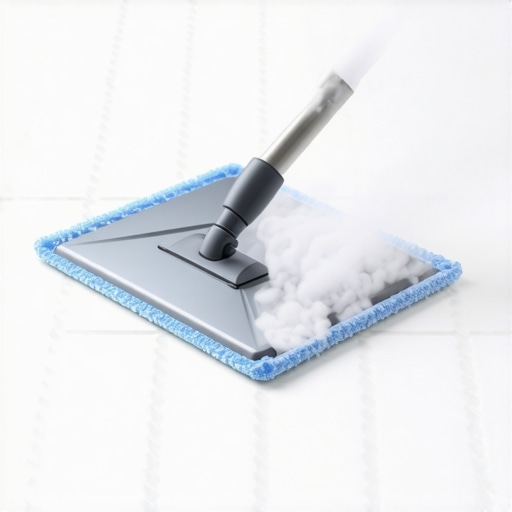
The biggest mistake people make with steam is moving too fast. Imagine you’re trying to melt an ice cube with a candle; you can’t just wave the flame past it and expect results. You need to let the heat dwell. For effective sanitization, you should glide the mop head at a rate of about one inch per second. This ensures the surface temperature stays high enough to kill germs. When I implement my house cleaning strategies for a sparkling home today, I always start from the highest point—usually the shower walls—and work my way down to the floor. This way, any condensation or dislodged grime drips onto surfaces you haven’t cleaned yet. It’s one of those effective house cleaning secrets from cleaning experts that saves you from cleaning the same spot twice. If you move too fast, the surface doesn’t reach the “kill zone” temperature. I usually count to three for every tile square I cover to ensure I’m being thorough.
Attack the Grime Hiding in Your Grout Lines
Grout is essentially a hard sponge that soaks up everything from dirty mop water to shampoo runoff. If you’ve ever wondered the reason your bathroom grout stays orange, it’s usually because bacteria and mineral deposits are trapped deep within those pores. To fix this, use the small nylon brush attachment that comes with most steamers. Focus the steam directly onto the grout line and scrub gently. The heat expands the pores of the grout, allowing the pressurized water to blast out the orange biofilm. I remember doing this in my guest bathroom and seeing the water turn dark brown instantly. It was gross, but incredibly satisfying. Once you’ve blasted the line, immediately wipe it with a clean microfiber cloth to pick up the suspended dirt before it has a chance to settle and dry again. Don’t forget the corners where the floor meets the wall; that’s where the most “gunk” accumulates and where the steam pressure really proves its worth.
Stop Treating Vinegar Like a Magic Eraser
I see it on every social media cleaning hack video: ‘Just use vinegar for everything!’ While I love the idea of non-toxic living, this is where a lot of well-meaning homeowners run into expensive trouble. We often assume that because something is natural, it’s universally safe. However, vinegar is an acid, and its low pH can be devastating for certain materials. If you have marble, limestone, or granite, you are essentially dissolving the surface of your stone every time you spray it. This is exactly why vinegar is not always the best choice for granite countertops or natural stone tile. According to the Natural Stone Institute, acidic cleaners can cause permanent etching, which no amount of steaming or scrubbing can fix. In my experience, relying on the high-heat sanitizing power of steam is far safer for stone than chemical ‘hacks’ that fight against the material’s natural chemistry. Have you ever fallen into this trap and noticed your stone losing its shine? Let me know in the comments.
Can You Actually Steam Clean Every Fabric in Your House?
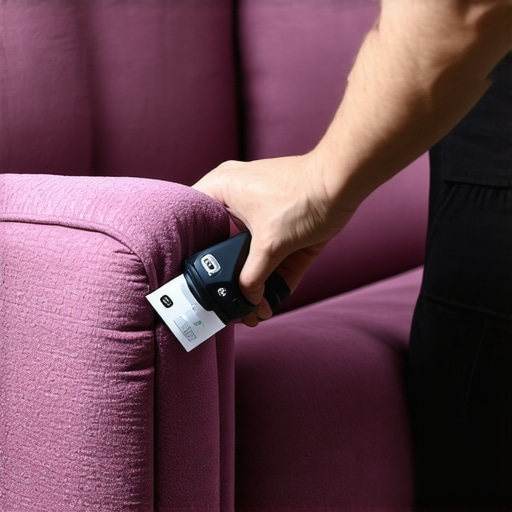
This is the question I get most from people who have finally ditched the bleach but are now over-excited about their new steam machine. The short answer is a resounding no. Just because a steamer is great for your bathroom floor doesn’t mean it belongs on your sofa. You have to be incredibly careful with delicate fibers like silk, velvet, or even some synthetic blends that can melt under high heat. In fact, knowing why you should never use a steam cleaner on these specific upholstery fabrics is what separates a DIY disaster from a professional-level result. I always tell my clients to check the cleaning codes—S, W, or SW—before they even think about pulling the trigger on a steam wand. If you ignore those codes, you risk permanent water spotting or fabric shrinkage that can’t be reversed, even with the best upholstery cleaning tips for a fresh home revival.
Don’t Let Residual Moisture Ruin Your Floors
Another nuance that people often miss is the ‘dampness factor.’ Steam cleaning isn’t just about the heat; it’s about managing the water. If you leave your floors too damp, especially in a bathroom with poor ventilation, you’re just creating a new breeding ground for mold. I always keep a few fresh microfiber pads handy to swap out the moment one becomes saturated. This is one of the most effective house cleaning secrets from cleaning experts: the tool does the loosening, but the cloth does the lifting. If your cloth is soaking wet, it stops lifting and starts redistributing. This is vital when you are performing move-out cleaning hacks to ensure your deposit refund, as landlords will specifically look for warped baseboards or moisture damage in corners. By mastering these sanitizing secrets for a safer house in 2025, you can ensure your deep clean is actually deep and not just a surface-level soak. If you ever feel overwhelmed by the technical side of fiber care, don’t hesitate to check out my ultimate upholstery care guide for lasting freshness or reach out to us through our contact us page for more personalized advice.
Invest in Gear That Actually Lasts Past Three Uses
I’ve wasted more money than I care to admit on ‘budget-friendly’ steamers that ended up in the landfill within six months. If you’re serious about making steam a core part of your cleaning arsenal, you need to look for a unit with a stainless steel boiler rather than an aluminum one. Aluminum pits and corrodes over time, especially if you have hard water. I personally use a continuous-fill system because it allows me to add water without waiting for the machine to cool down and depressurize. It’s a total game-changer when you’re mid-flow during a deep move-out cleaning strategy to secure your deposit. Just as you might notice why your vacuum isn’t picking up dirt like it used to when the filters are clogged, a cheap steamer will lose pressure as the heating element scales up. According to technical specifications from the International Electrotechnical Commission (IEC), the efficiency of household steam appliances is heavily dependent on the stability of the boiler pressure, which must remain constant to achieve true thermal disinfection. Don’t settle for a glorified tea kettle; get a tool that can maintain at least 4 bars of pressure.
How do I maintain my steam cleaner for the long haul?
The number one killer of steam cleaners is mineral buildup. Even if the manual says you can use tap water, I beg you to use distilled water. It costs a couple of dollars a gallon and will extend the life of your machine by years. If you’ve already been using tap water, you need to perform a descale every ten uses. I usually use a specialized descaling powder rather than vinegar, as it’s gentler on the internal gaskets. While you’re at it, make sure you are looking at the bigger picture of your bathroom’s health. Steam introduces a lot of humidity, which is why you should clean your bathroom exhaust fan every month to ensure that moisture is actually leaving the room. This prevents the very mold you’re trying to kill from coming right back. Integrating this into your daily house cleaning routine to maintain perfection ensures that your tools and your home stay in peak condition without requiring an emergency overhaul later.
The Future of High-Heat Home Sanitization
As we look toward the future, I predict we’re going to see a massive shift toward ‘smart’ steam technology. We are already seeing prototypes of AI-integrated steamers that can detect the surface type and automatically adjust the temperature and moisture content to prevent damage. This will eventually make those worries about why your steam mop might be damaging your laminate floors a thing of the past. These sanitizing secrets for a safer house in 2025 are becoming more accessible, moving away from harsh chemicals and toward physical kill methods like UV-C light combined with steam. It’s an exciting time to be a ‘clean freak.’ For now, I want you to try this one advanced tip: the next time you steam your bathroom, use the detail nozzle to blast out the tracks of your sliding shower door. You will be horrified and amazed at what comes out. If you run into any trouble or need a professional eye on your more delicate surfaces, feel free to visit our contact us page.
The Mistakes That Taught Me Everything About Deep Cleaning
Looking back at my transition to steam, I realized that my biggest hurdle wasn’t the machine itself, but my own mindset. I had to unlearn the idea that a ‘clean’ smell meant a clean room. Here is the reality: if you can smell the chemicals, you are breathing the chemicals. My ‘lightbulb’ moment was realizing that the best house cleaning strategies for a sparkling home today don’t require masking odors with artificial lavender. I also learned that patience is your best tool—rushing the steam process is just a waste of electricity. Finally, remember that your grout didn’t get dirty in a day, so it might take two or three passes to fully restore it to its original color. It’s a process of reclamation, not just a quick wipe.
The Toolkit That Actually Gets the Job Done
I never start a deep clean without my distilled water stash; it’s the simplest way to avoid clogging your machine’s internals. I also swear by heavy-duty microfiber cloths—specifically the waffle-weave variety for floors and plush ones for delicate surfaces. If you want to expand your heat-cleaning skills beyond the bathroom, I highly recommend checking out my ultimate upholstery care guide for lasting freshness to see how to handle your furniture. For those moving into a new space, keeping a copy of a move-out clean checklist to simplify your transition can help you prioritize which areas need the most heat. This systematic approach ensures you aren’t just blowing steam but actually disinfecting every corner.
Your Home Deserves a Fresh Start
Switching to steam is more than just a cleaning choice; it’s about creating a sanctuary where you don’t have to worry about what your kids are touching or what your pets are licking off the floor. As you implement these sanitizing secrets for a safer house in 2025, you’ll find a sense of peace that no bottle of bleach can provide. It’s time to let the power of heat do the work so you can get back to enjoying your home. Incorporating this into your daily house cleaning routine to maintain perfection will keep those allergens at bay indefinitely. Have you ever tried steam cleaning your bathroom and were surprised by what came out of the grout? Let me know in the comments below!