
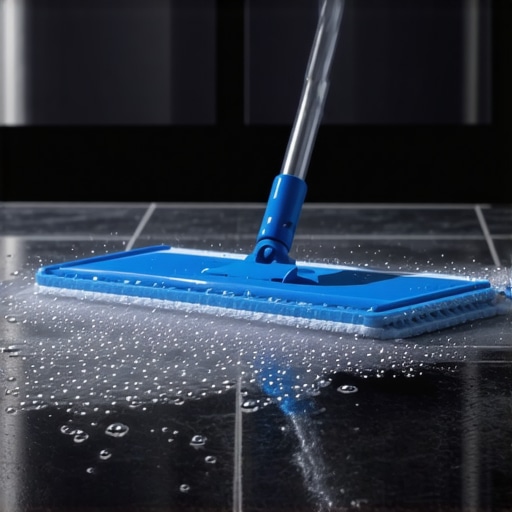
I’ll never forget the afternoon I stood in the middle of my kitchen, sunlight streaming through the window, only to realize my floors looked like a cloudy, smeared mess. I’d just spent forty minutes pushing a high-end steam mop around, expecting that commercial-ready shine. Instead, I had streaks. Not just a few, but a hazy roadmap of every single stroke I’d taken. It’s a gut-punch for anyone trying to maintain a sparkling home. You put in the effort, you use the modern tool, and yet the results look worse than if you’d just used a damp rag. If you’ve ever found yourself staring at your tile in frustration, wondering if you bought a lemon or if you’re just bad at cleaning, you aren’t alone. We’re going to fix those streaks today by looking at the small, often-overlooked errors that turn your steam into a smeary disaster. [image_placeholder]
Stop Chasing Your Tail with a Streaky Mop
The promise of a steam mop is alluring. No chemicals, just pure heat and water to kill germs. But the reality is that many of us are unknowingly sabotaging our efforts. Early on, I made the classic mistake of thinking the steam did all the work. I’d use the same microfiber pad for the entire house, basically dragging trapped dirt from the entryway all the way into the bathroom. It’s a common pitfall in many effective sanitizing methods; if the tool is dirty, the surface won’t get clean. In fact, your mop bucket is spreading more dirt than it removes if you aren’t careful, and the same principle applies to your steam mop pads. When those pads get saturated with grime, they stop absorbing and start pushing. A report by the University of Arizona’s microbiology department indicates that floor surfaces often contain more fecal bacteria than a typical kitchen counter, emphasizing why a clean mop pad is non-negotiable for a truly healthy home.
Is a Steam Mop Really Worth the Hassle?
You might be wondering if you should just go back to the old string mop and bucket. I get it. The skepticism is real when you see those cloudy residues. However, when you learn how to sanitize your bathroom floor using steam alone correctly, the results are unbeatable. The problem isn’t the technology; it’s usually the execution. Have you ever noticed those white, chalky streaks that appear even after the water dries? That was my biggest hurdle, and it turns out, it was my own tap water’s fault. Minerals in the water were being left behind as the steam evaporated, leaving a literal hard water map on my tiles. It’s frustrating, but completely solvable. Before we dive into the specific solutions, I have to ask: have you also dealt with that weird milky film on your tiles after mopping? It’s incredibly annoying, right? Let’s talk about why your water, your pads, and even your prep work might be the real culprits.
Ditch the Tap Water to Save Your Shine
Think of tap water as a soup of invisible minerals. When you boil it into steam, the water evaporates, but those minerals stay behind, like a ghostly, chalky residue on your floor. I remember a Saturday morning when I was in a rush and filled my mop reservoir straight from the kitchen sink. By the time the floor dried, it looked like I had mopped with diluted milk. I had to redo the entire 400-square-foot space. This is a fundamental part of house cleaning strategies for a sparkling home today; always use distilled water. It is inexpensive, and it ensures your machine isn’t spitting out calcium and magnesium that create those dreaded white hazy streaks.
Vacuuming Is the Secret Foundation of a Clean Floor
You cannot steam-mop a floor that has loose debris. Steam plus dust equals mud. It is that simple. If you leave even a fine layer of pet dander, hair, or grit, the heat turns it into a wet paste that your mop pad just smears around. It is the same logic behind why professional cleaners always vacuum the sofa before wiping it. You must remove the solids before you introduce moisture. I once tried to ‘quick mop’ near my back door without vacuuming first. Within three strokes, the pad was a grey, sludge-covered mess, and I spent the next hour chasing grey streaks across the room. For those with modern flooring, understanding why your steam mop is leaving streaks on laminate floors often boils down to this lack of proper prep work. 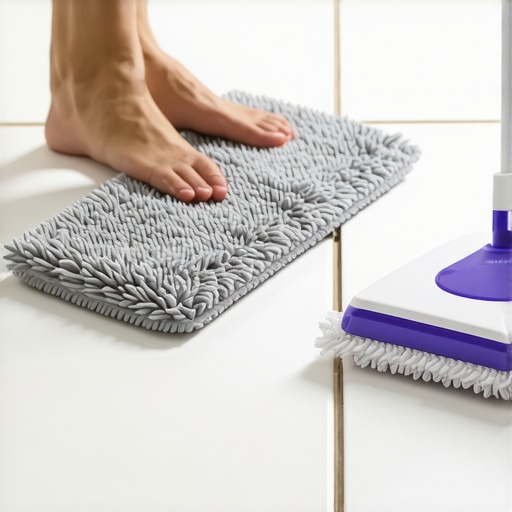
Stop Dragging Saturated Pads Across Your Tiles
Imagine trying to dry yourself off with a towel that is already soaking wet; it simply doesn’t work. The same applies to your microfiber pads. Most people use one pad for the entire house, but for effective house cleaning secrets from cleaning experts, you should change your pad every 150 to 200 square feet. Once the fibers are full of grime, they lose their ability to absorb, so they just deposit the dirt back into the grout lines and across the tiles. If your pads aren’t picking up dirt like they used to, it might be time to look into why your microfiber cloths stop working and how to fix them.
Keep the Steam Moving to Prevent Puddles
One of the biggest ‘streak-makers’ is hovering. If you leave the mop in one spot for too long, you are saturating that specific area with too much moisture. When that excessive water dries, it leaves a concentrated spot of residue. Move the mop in a continuous, rhythmic motion. It is very much like spray painting; if you stop moving your hand, you get a drip. Keeping a steady pace ensures the floor dries quickly and evenly, which is essential for maintaining that elusive, streak-free finish that makes your home feel truly renewed.
While keeping that rhythmic motion is vital for your floors, we need to address a common misconception that often traps even the most diligent cleaners: the idea that heat is a universal solvent. Everyone tells you that steam is the ultimate chemical-free solution, but in my experience, ‘water-only’ isn’t always the gold standard for every situation. If you are dealing with oily residues in a kitchen or protein-based stains on furniture, steam can actually act as a binder, ‘cooking’ the stain into the fibers or the grain of the wood. This is why you might find that your carpet is still dirty after you shampooed it or steamed it; you might have just set the grime instead of lifting it.
The Thermal Death Time Trap
Here is the nuance that most ‘how-to’ guides skip over: sanitization isn’t instantaneous. Many people believe a quick pass with a steam mop kills 99.9% of germs, but that is rarely the case in a real-world setting. According to guidelines from the Centers for Disease Control and Prevention (CDC), steam sterilization requires specific ‘dwell times’—often several minutes of exposure at high temperatures—to be truly effective against hardy pathogens. A two-second swipe across your tile might look clean, but it isn’t necessarily sanitized. This is one of those sanitizing secrets for a safer house in 2025 that pros use to ensure a surface is actually healthy, not just visually bright. Have you ever fallen into this trap of ‘speed-sanitizing’ and wondered why the house still felt ‘off’? Let me know in the comments.
Can Steam Actually Devalue Your Furniture?
I learned this the hard way when I tried to ‘freshen up’ a vintage armchair. I thought the steam would lift the dust, but instead, the moisture reached the internal wooden frame, causing a slight warp and a musty smell that took weeks to treat. Before you point that nozzle at your couch, you must consult the ultimate upholstery care guide for lasting freshness. Steam is a powerful tool, but it is aggressive. On certain fabrics, it can cause ‘water marks’ that are nearly impossible to remove. This is especially critical during a transition; using the wrong tool on a landlord’s sofa is a quick way to lose your security deposit. If you are prepping for a transition, these move-out cleaning hacks ensure your deposit refund by teaching you when to use heat and when to stick to dry methods.
Stop Spraying Chemicals Directly Before You Steam
One of the most dangerous ‘oops’ factors I see is the ‘boosted’ clean. People spray a heavy-duty floor cleaner down and then run a steam mop over it, thinking the heat will make the cleaner work better. In reality, the high-temperature steam can aerosolize the chemicals in the cleaner, sending them straight into your lungs. It can also cause a chemical reaction that leaves a permanent etch on some stone tiles. It is a fundamental rule in the industry: why you should never spray cleaning products directly on surfaces applies doubly when heat is involved. If you need a surfactant, apply it to your mop pad or use a designated pre-treat, but never turn your living room into a laboratory of boiling chemicals. Real expertise isn’t about working harder or hotter; it is about knowing the limits of your tools before they turn against your home’s finishes.
After years of trial and error, I’ve realized that the longevity of your clean depends entirely on the health of your gear. If you neglect the machine, the machine neglects your floors. For instance, if you don’t descale your steam mop every month, the internal heating element develops mineral “crust” that reduces the steam temperature. This means you aren’t actually sanitizing; you’re just getting your floor slightly warm and very wet. Incorporating this check into a daily house cleaning routine to maintain perfection prevents these mechanical failures from ruining your weekend.
Make the Machine Last as Long as the Floors
One of the best ways to keep things running is to understand the hardware. I use a specific brand of descaling solution every ninety days, but a 50/50 mix of distilled water and white vinegar works wonders too—just check your warranty first.
How can I ensure my steam mop stays at peak performance?
The biggest secret I can share from my years of deep cleaning is the “Post-Mop Purge.” After every use, I empty the water tank completely and run the machine for thirty seconds without a pad to clear the lines. This prevents stagnant water from growing biofilm inside the tubing. Also, pay attention to the pads. If you notice why your microfiber cloths are leaving lint everywhere, it is usually because you’ve used fabric softener—which is the “death sentence” for steam mop pads. Softener coats the fibers in wax, making them hydrophobic, so they can’t pick up the dirt you’re trying to melt away. Instead, wash them with a dedicated microfiber detergent. 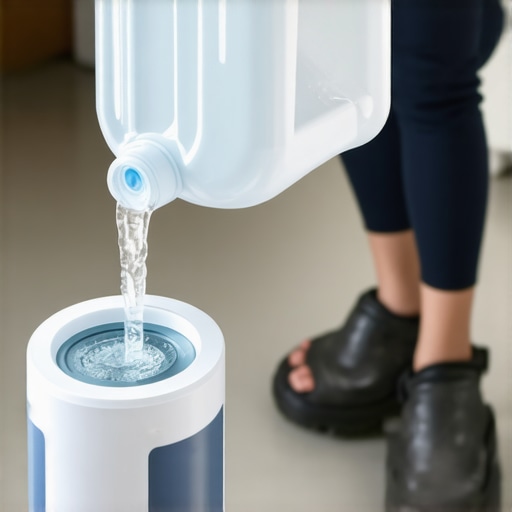 I personally recommend using a dual-texture pad—one side with nylon scrubbing strips for high-traffic zones and a soft plush side for buffing. This is one of those effective house cleaning secrets from cleaning experts that prevents you from having to go over the same spot four times. Furthermore, just as why you must clean the filter in your washing machine to get fresh clothes, you need to check the steam nozzle for clogs using a small pin. According to technical bulletins from Mohawk Industries, maintaining a consistent steam temperature is critical because fluctuating heat can cause “cupping” in luxury vinyl planks. They suggest that residential steam mops should never exceed a specific threshold of moisture output to protect the structural integrity of the floor’s core.
The Next Wave of Home Sanitization Technology
Looking ahead, I predict we are going to see a massive shift toward AI-integrated steam sensors. We already see this in high-end vacuums, but soon, your mop will likely detect the floor type automatically and adjust the steam PSI to prevent damage to delicate wood while blasting tile grout. It makes house cleaning strategies for a sparkling home today feel like child’s play compared to what is coming. For your next cleaning session, I want you to try this: Swap your tap water for distilled today, even if your tank is half full, and feel the difference in how the mop glides across the surface.
The Reality Check Most Steam Mop Manuals Forget
Over the years, I’ve realized that the biggest barrier to a clean floor isn’t the machine itself, but our expectations of it. We want it to be a magic wand that sanitizes in a single swipe, but real life requires a bit more nuance. One ‘lightbulb moment’ for me was realizing that heat doesn’t just kill germs; it also reactivates old soap residue from previous cleanings. If you’ve used heavy floor cleaners in the past, your steam mop is likely pulling that old gunk to the surface, causing that sticky film. Another lesson? The ‘squeak’ of a clean floor is actually a sign of a surface stripped of its natural finish—look for a smooth, silent glide instead. Finally, remember that steam is most effective when used as part of house cleaning strategies for a sparkling home today that prioritize mechanical removal of dirt before the heat ever touches the tile.
The Gear That Keeps My Floors Looking Like a Showroom
I don’t believe in buying every gadget on the shelf, but a few specific tools are non-negotiable for my routine. First, I always keep a dedicated gallon of distilled water under the sink; it’s the only way to avoid the mineral haze that tap water leaves behind. Second, I’ve switched entirely to dual-texture pads that combine scrubbing power with absorption. If you find your gear is failing, it might be time to learn why your microfiber cloths stop working and how to fix them so you aren’t just pushing dirt around. I also highly recommend keeping a simple digital timer nearby to ensure you hit those thirty-second ‘dwell times’ for true sanitization, a practice supported by sanitizing secrets for a safer house in 2025.
[image_placeholder]
Your Path to a Truly Pristine Surface
Cleaning shouldn’t feel like a battle against your own home. Once you master the rhythm of the steam and the importance of prep work, the results are incredibly rewarding. You aren’t just making the floors look better; you’re creating a healthier environment for your family to live in. Don’t feel like you have to tackle the whole house at once; start with your highest-traffic area and use these effective house cleaning secrets from cleaning experts to see immediate results. With the right technique, those frustrating streaks will become a thing of the past, and you’ll finally have the floor you were promised. Have you struggled more with white mineral streaks or that weird grey haze? Let me know in the comments below!