
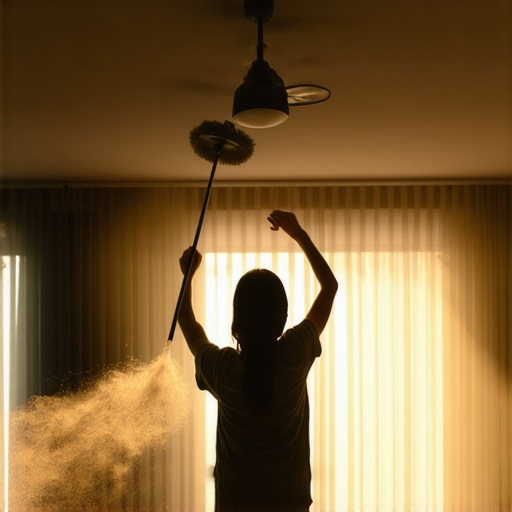
I’ll never forget the Saturday I decided to tackle a deep clean of my kitchen. I was so proud of myself; I’d scrubbed the floors until they practically glowed, feeling like a domestic superhero. Then, I looked up. The top of the refrigerator was coated in a thick, sticky layer of grease and dust. I grabbed my spray bottle, started wiping, and watched in absolute horror as gray, muddy drips cascaded down onto my pristine, damp floor. I had to start all over again. It was the moment I realized that gravity is either your best friend or your worst enemy when it comes to chores. If you’ve ever wondered why your house still feels dusty even after you just vacuumed, I can almost guarantee you’re fighting against the natural flow of physics. Today, I’m sharing the top-down philosophy that saved my weekends and my sanity, ensuring every minute you spend cleaning actually counts.
Gravity Never Takes a Day Off
When you start at the ceiling and work your way down to the baseboards, you’re essentially using physics to your advantage. Every time you wipe a dusty shelf or flick a cloth over a picture frame, microscopic particles take a nose-dive toward the floor. If the floor is already clean, you’ve just created more work for yourself. I made this mistake for years, thinking it didn’t matter where I started as long as I finished. But the truth is, a daily house cleaning routine to maintain perfection relies on one simple rule: never clean the same surface twice. By the time you get to the floors, you’re picking up everything that fell from above, leaving the room truly sanitized from top to bottom.
Is the top-down method actually worth the extra effort?
I hear this all the time. People think it’s too much work to grab a step stool or a long-reach duster. But consider this: The American Cleaning Institute emphasizes that methodical cleaning prevents the redistribution of soils, which is the primary cause of re-cleaning fatigue. If you’re skipping the high spots, you aren’t actually cleaning; you’re just shifting dirt around. This is especially critical if you’re following move-out cleaning strategies to secure your deposit, where an inspector will definitely notice the dust on the ceiling fan you ignored. Have you ever finished a room only to realize you missed the cobwebs in the corners, effectively ruining your hard work? Let me know if you’ve faced this specific problem, because I’ve definitely been there. Setting the stage for a proper clean means acknowledging that the air we breathe is full of settling debris, and we need to catch it as it falls.
High Altitude Dusting Saves Your Sanity
The first rule of the top-down method is to look up until your neck aches. You have to start with the ceiling fans, crown molding, and those pesky corner cobwebs. Think of dust like a waterfall; it’s always going to move toward the lowest point. If you start with the coffee table, every swipe you take at the light fixture above it later will just re-contaminate your hard work. I learned this the hard way during a frantic Sunday morning. I had just finished polishing my mahogany dining table to a mirror shine. I decided to give the chandelier a quick flick with a feather duster, and within seconds, my beautiful table looked like it had been through a sandstorm. It was a classic rookie mistake that doubled my workload. To avoid this, find the only way to clean high ceilings without a tall ladder and clear those rafters first. By the time you reach the middle of the room, the heaviest ‘debris rain’ has already finished falling.
Tackle the Walls and Upholstery Next
Once the ceiling is clear, move your focus to the vertical surfaces and seating. This is where you address the grimy fingerprints on the walls and the hidden crumbs in the sofa cushions. If you have leather furniture, you can’t just slap any cleaner on it; you need to know the professional way to clean leather upholstery without cracking it to maintain that supple feel. For fabric pieces, follow an ultimate upholstery care guide for lasting freshness to ensure you aren’t just pushing dirt deeper into the fibers. I treat my sofa like a filter; it catches everything falling from above, so it makes zero sense to vacuum the cushions before you’ve finished dusting the picture frames hanging right over them. Work in a circular motion around the room, wiping down window sills and lampshades as you go, always moving your cloth from the top of the object to the bottom.
Why Your Kitchen Sink and Countertops Wait Their Turn
In the kitchen, the temptation is to scrub the sink first because it’s the most satisfying part. Resist that urge. You should be cleaning the tops of the cabinets and the microwave before you even think about the basin. Why? Because why your kitchen sink is likely the dirtiest place in your home is exactly why it should be your final ‘wet’ task in that zone. You’ll be dumping dirty water and rinsing cloths there constantly. If you sanitize the sink first, you’ll just be splashing germs back onto a clean surface every time you rinse a sponge.
Save the Floors for the Final Act
The very last thing you touch is the floor. By now, every bit of dust from the ceiling, every crumb from the toaster, and every pet hair from the sofa has settled on the carpet or hardwood. This is the only way to ensure that when you’re done, you’re actually done. If you notice a strange scent during this final phase, investigate why your vacuum smells like burning hair and how to fix it fast so you aren’t just trading dust for a foul odor. Methodical cleaning isn’t just about being neat; it’s about being efficient so you can stop cleaning and start living.
Stop Drowning Your Surfaces in Chemicals
The biggest misconception I see—and one I fell for early on—is the ‘more product equals more clean’ mentality. We’ve been conditioned to think that a thick layer of foam or a soaking wet surface means the germs are dying faster. In reality, over-saturation is the fastest way to ruin your finishes. For instance, why you should never spray cleaning products directly on surfaces comes down to control. When you spray a wooden cabinet or a screen directly, the liquid seeps into joints and electronics, causing irreversible damage. Instead, spray your cloth. It’s a nuanced shift that pros use to ensure they aren’t leaving behind a sticky residue that actually attracts more dust. If you’ve ever wondered the real reason your luxury vinyl plank floors look cloudy after you mop, it’s usually because of this exact product buildup. You aren’t seeing dirt; you’re seeing layers of dried soap that have trapped micro-particles against the floor.
What should you do when a stubborn stain just won’t budge?
Most people reach for the harshest chemical possible and start scrubbing. This is a massive ‘oops’ factor, especially with fabric. The IICRC (The Institute of Inspection, Cleaning and Restoration Certification) warns that over-aggressive scrubbing or over-wetting upholstery can cause ‘browning’ or permanent fiber distortion. If you’re dealing with a spill, you have to know how to remove ink stains from a white couch without leaving a ghost mark, which involves blotting from the outside in, never scrubbing. Scrubbing breaks the fibers and pushes the pigment deeper. 
The Move-Out Trap That Costs Your Deposit
When you’re in the final stretch of a move, it’s easy to get sloppy. One of the most common move-out cleaning mistakes that cost renters money is ignoring the ‘dry’ areas of the home. Everyone scrubs the toilet, but almost no one thinks about why you should clean your bathroom exhaust fan every month. If that fan is caked in dust, your landlord sees a fire hazard, not a clean room. It’s these hidden nuances—the things gravity hides in plain sight—that separate a surface-level wipe-down from a professional-grade deep clean. Following a move-out clean checklist to simplify your transition ensures you don’t miss the baseboards or the tracks of the windows. Have you ever finished a grueling eight-hour cleaning session only to find a spot you missed the next morning? Have you ever fallen into this trap? Let me know in the comments. I’m curious if it was the ceiling fans or the inside of the dishwasher gasket that got you! If you’re still feeling overwhelmed, don’t hesitate to contact us for expert advice or professional help.
Sanitizing is Not the Same as Cleaning
This is a hill I will die on. You cannot sanitize a dirty surface. If there is a layer of grease on your range hood, spraying a disinfectant on it does nothing but waste the product. The grime acts as a shield for the bacteria. You must follow effective sanitizing methods for a germ-free home, which always starts with removing the physical soil first. Use sanitizing secrets for a safer house in 2025 to understand the dwell time—the minutes a product must stay wet on a surface to actually kill germs. Most people wipe it off immediately, which is just ‘expensive dusting.’ By slowing down and respecting the chemistry of your cleaners, you’ll spend less time working and more time enjoying a truly healthy home.But even the best technique fails if you’re using the wrong tools. I’ve spent a small fortune over the years testing fancy gadgets, only to realize that the pros stick to a few high-quality essentials. If you want to stop the cycle of endless scrubbing, you have to invest in tools that don’t fight you back. For me, that meant moving away from paper towels and embracing high-grade microfiber. However, if you aren’t careful, you’ll end up wondering why your microfiber cloths are leaving lint everywhere after just a few washes. The secret is to never wash them with cotton; the cotton fibers break off and get trapped in the microfiber hooks, essentially turning your cleaning cloth into a dust applicator.
Invest in Tools That Do the Heavy Lifting
Another non-negotiable tool in my kit is a vacuum with a bypass motor and a specialized brush roll. I used to think one vacuum could do it all, but I quickly learned that why your vacuum brush roll is ruining your hardwood floors is due to the stiff bristles designed for carpet agitating and scratching delicate finishes. Now, I use a soft-roller head for hard surfaces. It’s these small technical adjustments that preserve the life of your home. The Carpet and Rug Institute (CRI) actually notes in their technical guidelines that using the wrong vacuum height can lead to permanent fiber shading, which no amount of cleaning can fix. When you treat your equipment with the same respect you give your furniture, the results speak for themselves. 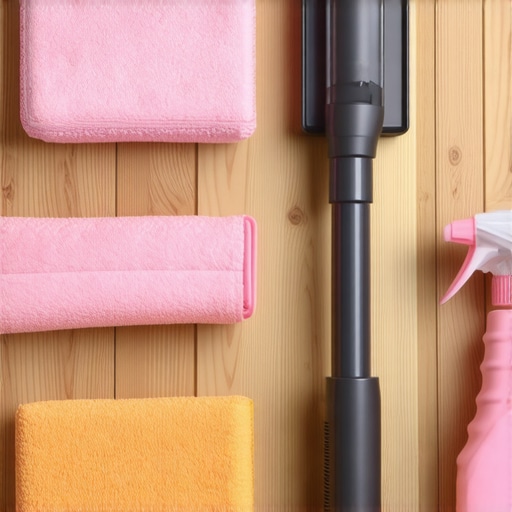
How do I maintain a deep-clean feel over the long haul?
The answer isn’t a marathon cleaning session every three months; it’s a series of small, strategic wins. A daily house cleaning routine to maintain perfection focuses on high-traffic touchpoints. I spend exactly ten minutes every evening doing a ‘sweep’ of the living area. This includes a quick check for spots on the sofa. If you have a specific fabric type, you’ll need the best method for cleaning a microfiber recliner to prevent water spots from setting in. By catching these small issues daily, you prevent the ‘grime-crust’ that makes deep cleaning such a nightmare. These effective house cleaning secrets from cleaning experts aren’t about working harder; they are about maintaining the baseline so you never have to start from zero again.
The Future of Home Hygiene and Scaling Up
I predict that over the next few years, we are going to see a massive shift toward ‘smart’ sanitization—think UV-C integration in HVAC systems and self-cleaning surfaces that utilize photo-catalytic coatings. We are already seeing the beginning of this with automated mopping robots that actually use clean water reservoirs. But until then, we rely on the fundamentals. If you are preparing for a big transition, using move-out cleaning hacks to ensure your deposit refund is your best bet for scaling your efforts quickly. My biggest piece of advice? Don’t be afraid to use professional-grade upholstery cleaning tips for a fresh home revival like using a dedicated fabric rinse to neutralize detergents. I want you to try one specific thing this weekend: take five minutes to flip your vacuum over and clean the hair out of the brush roll. You will be shocked at how much more suction you regain instantly. If you find your equipment is beyond a simple fix or the task is just too large, remember you can always contact us to bring in the heavy hitters.
The Hard Truth About My Failed Saturday Cleaning Sprints
For years, I believed that if I just worked faster, I’d be done sooner. I was wrong. The biggest lightbulb moment for me was realizing that cleaning is a sequence, not a race. If you skip the ‘dry’ cleaning phase and go straight to wet mopping, you’re just making mud. I also learned that you can’t rush the chemicals; following effective sanitizing methods for a germ-free home means letting the product sit long enough to actually work. Finally, never underestimate the power of a fresh start—using upholstery cleaning tips for a fresh home revival can breathe new life into a room faster than buying new furniture ever could.
The Toolkit That Finally Stopped the Scrubbing Fatigue
I’ve trimmed my cleaning closet down to the essentials that actually perform. First, I swear by dual-bucket mop systems to avoid spreading dirty water. Second, I only use pH-neutral cleaners for my stone and wood to prevent that cloudy film. Third, if you’re prepping for a transition, these move-out cleaning hacks to ensure your deposit refund often rely on simple tools like a melamine sponge and a good stiff-bristled detail brush for window tracks. These items aren’t expensive, but they are precise, and precision is what saves your back in the long run.
Take Back Your Weekends One Surface at a Time
Building a home you’re proud of doesn’t require a professional crew every single week—it just requires a shift in how you move through your space. By adopting smarter house cleaning strategies for a sparkling home today, you’re not just removing dirt; you’re creating a healthier environment for your family to thrive in. Don’t feel like you have to master every room at once. Pick one high-up corner, look for those cobwebs, and let gravity do its thing. You’ve got this, and the results will be well worth the effort. Have you ever spent hours cleaning a room only to realize you completely forgot to look up at the ceiling fan? Let me know in the comments below!