
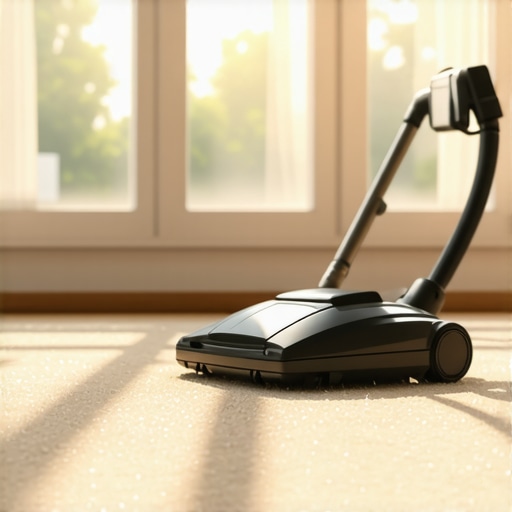
I was standing in my living room last Saturday, basking in that post-cleaning glow. The carpets had those perfect ‘V’ lines, the cushions were plumped, and the house smelled like a lemon orchard. Then, a single beam of afternoon sun sliced through the window. I watched, horrified, as a literal cloud of gray motes danced through the air, settling right back onto the coffee table I’d polished five minutes prior. It felt like a personal insult. I’d spent two hours sweating, yet the room looked like I hadn’t touched it. We’ve all been there, haven’t we? You put in the work, you haul the heavy machine around, but the results just… evaporate. It makes you want to throw the vacuum right out the front door.
That Sinking Feeling When You See Dust in a Freshly Cleaned Room
It took me years of sneezing and frustrated scrubbing to realize that I was essentially just ‘rearranging’ the dirt. I used to think that if the motor was loud and the suction felt strong, I was winning the war against allergens. I was wrong. In fact, one of the biggest mistakes I made early on was neglecting the very tool meant to help me. I once went an entire year without changing a filter because ‘it still looked okay’ from the outside. Trust me, why your vacuum isn’t picking up dirt like it used to often has more to do with maintenance than the age of the machine. Today, we’re going to look at the hidden physics of your home and how to stop that infuriating dust cycle once and for all. I’m promising you right now: by the time you finish reading this, you’ll know exactly which corners you’re cutting that keep the dust coming back. Have you ever felt like you’re just moving dust from one side of the room to the other? It’s a cycle that can drive any homeowner to the brink of madness.
Is My Vacuum Actually Just a Dust Fountain?
It’s a valid fear. If your vacuum doesn’t have a properly sealed HEPA system, you might literally be spraying fine particulates back into your breathing zone every time you flip the switch. According to the American Lung Association, vacuums without high-efficiency filters can actually stir up more dust and allergens than they remove, effectively polluting your indoor air while you think you’re cleaning it. I’ve learned the hard way that effective house cleaning secrets from cleaning experts usually involve a top-down approach rather than just focusing on the floor. If you’ve noticed a layer of gray film on your furniture the morning after a deep clean, you’re not crazy—you’re likely dealing with blowback. We also need to talk about the ‘invisible’ sources. Sometimes the dust isn’t coming from your shoes; it’s coming from inside the house. I remember being shocked to find out about the danger of dust mites in your pillows and how much they contribute to that ‘always dusty’ feeling. It’s not just about the carpets; it’s about the air, the upholstery, and even the static electricity that turns your floor into a magnet. If your rugs are acting like a dust sponge, you might even need to look into how to get rid of static in your freshly laundered rugs to keep them from pulling particles out of the air. It’s time to stop the frustration and start cleaning smarter, focusing on the systems in your home rather than just the visible surfaces.
Work With Gravity Instead of Fighting It
Think of dust like a slow-motion snowfall. If you start by vacuuming the floor and then move to the bookshelves, you’re essentially shoveling your driveway while it’s still snowing. To break the cycle, you have to embrace the top-down method. Start with the highest points in the room—ceiling fans, crown molding, and those tricky window treatments. I used to dread this because of the mess it made on the furniture below, but that’s exactly the point. You want that dust on the floor so you can actually remove it later. Using the secret to cleaning venetian blinds without taking them down can save you hours of frustration and stop those particles from migrating to your clean carpets. If you’re struggling with high reaches, remember the only way to clean high ceilings without a tall ladder often involves microfiber extensions that trap dust rather than just pushing it into the air.
Why Your Floor is Always the Last Stop
By the time you reach the floor, you’ve disturbed every hidden pocket of dust in the room. This is where most people fail during a move-out clean checklist to simplify your transition; they clean the floors first to make the room look good, then wipe the counters, and wonder why the floor feels gritty again ten minutes later. Always save the vacuum for the grand finale.
Fix Your Upholstery Before It Fixes You
Your sofa is essentially a giant, fabric-covered air filter. Every time you sit down, you force a ‘puff’ of air—and whatever is trapped inside—out into the room. I learned this the hard way when I bought a beautiful navy velvet couch. Within a week, it looked gray. I realized I was only cleaning the surfaces and ignoring the deep-seated dust within the fibers. You need to use upholstery cleaning tips for a fresh home revival to truly reset your living space. For more delicate pieces, be careful with your technique; for instance, knowing the one thing you should never do when cleaning a velvet couch can prevent permanent fabric bruising.
The Secret Life of Fabric Headboards
We spend a third of our lives in bed, yet the headboard is often the most neglected surface. It’s a magnet for skin cells and hair oils. I once spent an entire afternoon figuring out how to remove pet odors from a fabric headboard after my dog decided it was his new favorite scratching post. Regular vacuuming with a brush attachment is non-negotiable for ultimate upholstery care guide for lasting freshness.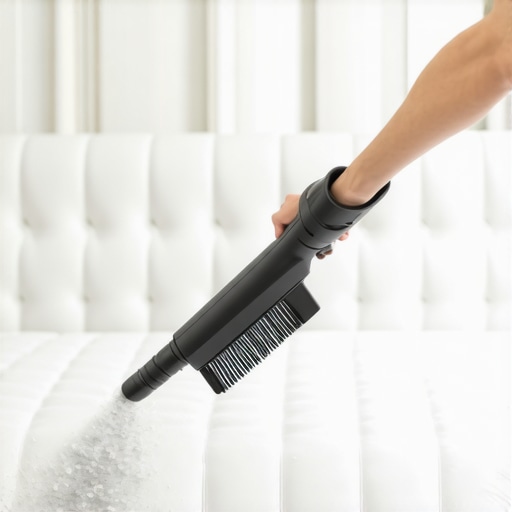
Sanitize the Spots You Touch but Never See
Cleaning is about what you can see; sanitizing is about what you can’t. In 2025, we’ve learned that a ‘sparkling’ home isn’t necessarily a healthy one. You have to target the high-touch zones that act as reservoirs for bacteria. I make it a habit to use sanitizing secrets for a safer house in 2025 every Sunday afternoon. This includes the ‘invisible’ culprits. You’d be surprised at the hidden grime on your light switches and how to kill it without causing an electrical short. Use a slightly damp microfiber cloth rather than spraying directly on the plate. Also, don’t forget how to sanitize door knobs during cold and flu season to keep the whole household from passing around the same bug.
Master the Art of the Slow Vacuum Pass
Most people use a vacuum like they’re participating in a race. If you move the machine too fast, the brush roll doesn’t have enough time to agitate the carpet fibers and the suction can’t pull the dirt from the base of the rug. It’s like trying to sip a thick milkshake through a straw while running—you just won’t get much. Slow down. For specialty items, you must adapt; learning the proper way to vacuum a wool rug without damage requires a different setting and a much gentler pace. When you’re dealing with hard surfaces, ensure you know why your vacuum brush roll is ruining your hardwood floors so you don’t trade dust for permanent scratches.I’ve spent a lot of time talking about how to clean, but we rarely talk about the ‘why’ behind the chemistry. For years, I believed that if a little bit of cleaner worked well, then a whole lot of it would work miracles. That is the biggest trap in the industry. Excess surfactant—the ‘soapiness’ in your cleaners—is actually designed to attract dirt. If you don’t rinse it out perfectly, you’ve essentially turned your carpet or sofa into a giant piece of Velcro for every dust mote in the room. This is a crucial part of effective house cleaning secrets from cleaning experts: less is almost always more. When you’re trying to handle a spill, remember the best way to lift coffee stains from a white sofa isn’t to drown it in solution, but to use a controlled, targeted approach that doesn’t leave a sticky residue behind.
Stop Wiping Your Sanitizer Away Immediately
Here is the contrarian truth: if you spray a counter and wipe it dry two seconds later, you haven’t sanitized anything. You’ve just performed ‘mechanical cleaning,’ which removes some surface debris but leaves the majority of pathogens behind. According to the Centers for Disease Control and Prevention (CDC), most household disinfectants require a specific ‘dwell time’—usually between three to ten minutes of remaining visibly wet—to actually kill viruses and bacteria. If you’re rushing through your daily house cleaning routine to maintain perfection, you’re likely missing this critical window. Using effective sanitizing methods for a germ-free home means slowing down and letting the chemistry do the heavy lifting for you while you move on to the next task. 
Can Over-Wetting Upholstery Lead to Structural Damage?
This is the ‘oops’ factor that haunts many DIYers and even some entry-level professionals. I once tried to deep clean a thrifted armchair and used so much water that the internal wooden frame warped and the staples began to rust, bleeding orange spots through the fabric. It’s a common mistake when following an ultimate upholstery care guide for lasting freshness without paying attention to the cleaning codes on the tag. If you’re not careful, you can create a damp environment inside the padding that never truly dries, leading to that musty smell we all hate. Always use the ‘mist and blot’ method rather than soaking.
Don’t Let These Move-Out Oversights Cost You Hundreds
When it comes to leaving a rental, most people focus on the floors and the walls. However, property managers have a ‘secret’ list of checks that catch people off guard. They look at the hidden grime on your dishwasher gasket and how to kill it because it’s a primary indicator of how well you maintained the appliances. Using specialized move-out cleaning strategies to secure your deposit involves looking for the ‘hidden’ dust, like the lint behind the dryer or the film on the ceiling fan blades. Even the tools you use matter; if you notice why your microfiber cloths are leaving lint everywhere, it’s probably because you’ve been washing them with cotton towels, which ruins their static charge and effectiveness. Have you ever fallen into the ‘more soap is better’ trap or forgotten the dwell time on your disinfectant? Let me know in the comments.
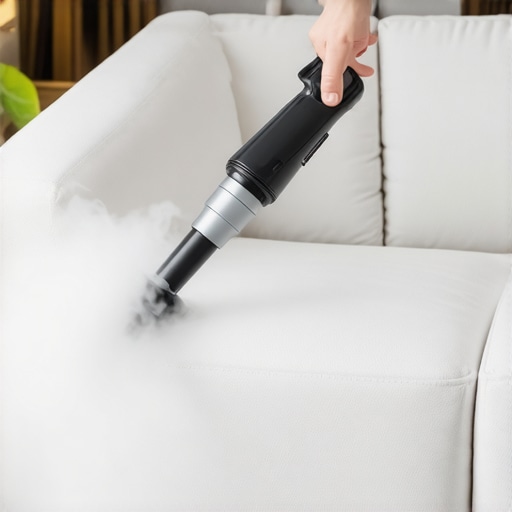
Once you realize that standard grocery store cleaners often cause more harm than good, the next logical step is looking at what the pros actually use. For years, I struggled with a basic upright vacuum and a bottle of all-purpose spray, wondering why my house never felt truly ‘reset.’ The turning point for me was investing in a high-quality steam cleaner. Unlike chemicals that leave a sticky film, steam uses heat to break the bond between grime and your surfaces. It’s one of those effective sanitizing methods for a germ-free home that doesn’t involve inhaling toxic fumes. I use my steamer for everything from tile grout to the crevices in my car seats. It’s the ultimate multi-tool because it sanitizes and cleans simultaneously, reaching temperatures that kill bacteria on contact without the need for a three-minute dwell time.
Stop Relying on Supermarket Sprays and Get a Real Steamer
If you’re serious about long-term maintenance, you have to look at your equipment’s filtration. I eventually upgraded to a vacuum with a certified HEPA seal, and the difference in my allergy symptoms was overnight. But even the best machine fails if you don’t maintain it. I’ve seen so many people complain that their equipment is dying, when in reality, they just haven’t serviced it. Understanding why your vacuum isn’t picking up dirt like it used to is usually the first step in extending the life of your investment. It’s about more than just emptying the bin; it’s about checking the brush roll for tangled hair and washing the pre-motor filters monthly. This level of care is what separates a ‘clean-ish’ house from a truly healthy environment.
How Can I Keep That Professional Shine Month After Month?
The secret isn’t a 10-hour cleaning marathon once a year; it’s the ‘Three-Month Reset.’ Every quarter, I go through my home with a specific focus on the items that act as dust reservoirs. I follow my own ultimate upholstery care guide for lasting freshness to ensure my sofas aren’t holding onto a season’s worth of skin cells and pet dander. During this time, I also tackle the deep-cleaning tasks often found on a move-out clean checklist to simplify your transition, even though I’m not moving. This includes cleaning behind the fridge and deep-scrubbing the tracks of my sliding doors. By treating your home like you’re preparing to sell it every few months, you prevent the build-up that makes ‘spring cleaning’ feel like such a nightmare.
The Pro Extractors That Actually Pull Dirt Out
When it comes to deep-seated stains in carpets or delicate fabrics, a regular vacuum won’t cut it. You need an extractor that can handle high pressure. According to technical documentation from the Carpet and Rug Institute (CRI), using extractors with their ‘Seal of Approval’ ensures that the equipment actually removes soil rather than just pushing it deeper into the carpet backing. This is a critical distinction. Most rental machines you find at the grocery store have poor recovery power, leaving your carpets far too wet and prone to mold. I personally use a small-scale professional spotter for my upholstery cleaning tips for a fresh home revival because it allows me to target spills instantly before they become permanent residents in my furniture.
Where the Cleaning Industry is Headed in 2026
I predict that we are moving toward a ‘smart’ maintenance era. We’re already seeing sensors that can tell you exactly how many particulates are in your carpet, but soon, our homes will likely feature integrated UV-C lighting in HVAC systems to automate the sanitizing process. We are moving away from heavy liquid chemicals and toward ozone-based and light-based solutions. I’m currently testing a few sanitizing secrets for a safer house in 2025 that involve dry-steam technology, which I believe will become the gold standard for every household within the next three years. This weekend, I want you to try one thing: take your vacuum’s filter out, give it a thorough wash (if it’s washable), and let it dry for 24 hours. You’ll be amazed at how much ‘hidden’ power your machine still has. Keeping your home perfect isn’t about working harder; it’s about making sure your tools are actually working for you.
The Hard Lessons That Finally Taught Me to Clean Smarter
It took me nearly a decade to realize that a ‘lemon fresh’ scent wasn’t actually proof of a clean home. In fact, if your rooms have a heavy chemical smell, you might just be masking lingering bacteria or trapped moisture. I learned this the hard way when I discovered why your kitchen towels smell musty even after washing; it wasn’t the soap, it was the bacteria buildup in the fibers that my ‘surface clean’ never touched. Another lightbulb moment was realizing that my expensive equipment was only as good as my maintenance schedule. If you neglect the hardware, you’ll quickly find out why your vacuum isn’t picking up dirt like it used to. Cleaning isn’t just about the act of scrubbing; it’s about managing the environment and the tools you use to keep it healthy.
What Stays in My Cleaning Caddy for Every Job
I’ve tested hundreds of gadgets, but my daily toolkit has narrowed down to four absolute essentials. First, a high-GSM microfiber cloth is my best friend for dusting, though you have to be careful about cross-contamination and laundry habits to avoid why your microfiber cloths are leaving lint everywhere. Second, I never start a deep clean without a dedicated rubber squeegee. It’s hands-down the trick to removing pet hair from deep pile rugs that even the best vacuums miss. Third, a quality handheld steamer for chemical-free sanitization. And finally, a small notebook to track my quarterly ‘reset’ tasks, ensuring I never miss the hidden spots like door gaskets or ceiling fan blades.
Turning Your Home Into a Sanctuary
Cleaning shouldn’t feel like an endless battle against an invisible enemy. It’s an act of care for yourself and your family. When you implement these house cleaning strategies for a sparkling home today, you aren’t just moving dust; you’re reclaiming your time and your health. Start with one room, one corner, or even just one filter change, and feel the immediate difference in the air you breathe. Have you ever found a dust trap in your home that totally surprised you? Let me know in the comments below!