
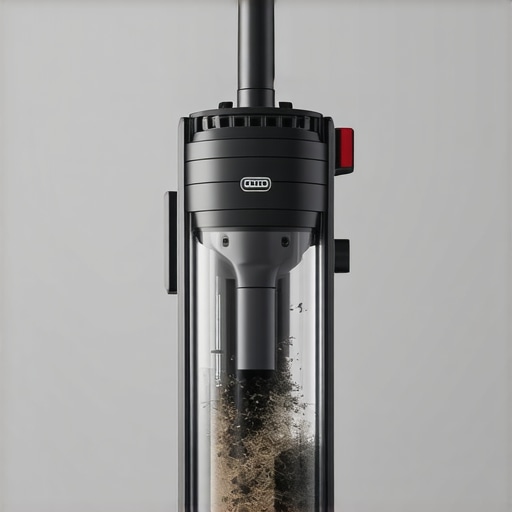
Ever been greeted by that stubborn dusty smell the moment you flip your vacuum on? It’s like inhaling a cloud of yesterday’s dust again—frustrating, right? I remember the first time I experienced it; I thought my vacuum was secretly harboring dust bunnies doing blushing tricks inside. Turns out, I wasn’t alone in this strange, musty phenomenon.
Uncovering the Hidden Culprits Behind the Dusty Vacuum Smell
Is it Really Just Dust or Something More Sinister?
From my own missteps, I learned early on that ignoring regular maintenance—like forgetting to clean or replace filters—made my vacuum smell worse over time. That smoky, dusty odor isn’t just dust; it often signals neglected filters, clogged hoses, or dust buildup on the motor parts. A study by the National Institutes of Health reveals that a clean vacuum can significantly improve indoor air quality, especially for allergy sufferers.
Now, you might be skeptical—”Isn’t a quick wipe enough?” I used to think so too. But I discovered that the real culprits hide in plain sight: dusty filters, blocked vents, and even dust trapped around the brush roll. Tackling these hidden spots is key to breathing fresh air and keeping your home spotless without the overpowering dust smell every morning.
Feeling that rage when your vacuum stinks up the whole room? I get it. That’s why I’m here to share practical, easy steps to eliminate that dust smell once and for all. Whether you’re about to tackle a big clean or just want your daily routine to stay fresh, understanding the root causes is your first move. Curious about maintaining a dust-free home? Check out these upholstery cleaning tips for a complete home revival.
Deep Cleaning Your Vacuum Components
Remove and Clean the Filters
Start by unplugging your vacuum and removing the filters. Rinse them under warm water until the water runs clear, then allow them to dry completely. This prevents trapped dust and mold that cause bad odors. Remember, damp filters can harbor bacteria, so ensure they’re fully dry before reinstalling. During my last DIY cleaning, I used a small brush to scrub stubborn dust from the filter casing—within minutes, my vacuum smelled noticeably fresher.
Clear Out the Dustbin and Hoses
Next, empty the dustbin or replace the bag if disposable. Wash the bin with soapy water or wipe with a damp cloth if appropriate. Use a long, flexible brush or a compressed air can to dislodge dust trapped in hoses and brush rolls. I once neglected this step and noticed only a slight improvement, but after thoroughly cleaning the hoses, the smell vanished entirely.
Sanitize Internal Parts and External Surfaces
Disinfect Motor and Brush Roll Areas
Apply a disinfectant spray or wipe to the motor housing and brush roll. Use a microfiber cloth to remove dust residues. For stubborn grime, a soft brush can help loosen debris. This step reduces microbial growth that contributes to odors over time. I use a natural disinfectant that doesn’t leave harsh chemical residues, making my vacuum safer and smell-free.
Sanitize with Essential Oils
Add a few drops of essential oils like lavender or tea tree onto a cotton ball and place it inside the vacuum compartment. This not only deodorizes but also imparts a pleasant scent. During my last refresh, I noticed a significant difference—fresh scents linger longer when combined with clean components.
Prevent Future Odors and Maintain Freshness
Regular Maintenance Schedule
Set a weekly reminder to empty the dustbin, wash filters, and check hoses. Consistent upkeep prevents dust accumulation that leads to smells. I make it a habit to do a quick check every Sunday, which keeps my vacuum functioning optimally without unpleasant odors.
Store Properly and Keep the Area Clean
Store your vacuum in a dry, well-ventilated space. Avoid damp areas that can promote mold. Also, keep the surrounding area tidy to prevent dust from settling on your cleaning tools. After cleaning and storing my vacuum properly, I noticed my home remains fresher and dust-free longer.
For comprehensive house cleaning techniques that supplement vacuum maintenance, consult these expert secrets to elevate your cleaning routine and maintain a dust-free environment.
Many homeowners are quick to adopt popular cleaning tips, but there’s often a gap between common practices and what truly works in maintaining a healthy, spotless environment. One widely held misconception is that regular surface wiping suffices for thorough sanitization. In reality, bacteria and mold often lurk in unseen corners, making deep, targeted cleaning essential. For example, a study published in the *Journal of Hospital Infection* emphasizes that surface contact cleaning must reach crevices and hidden areas to effectively reduce pathogen presence, not just the visible surface. Overlooking this can create a false sense of security.
Another common mistake involves upholstery care—many believe that regular vacuuming is enough. However, fabric fibers trap dust mites, pet dander, and allergens that standard suction can’t fully remove. Using targeted deep-cleaning methods like steam cleaning, which reaches temperatures capable of killing dust mites and bacteria, significantly improves indoor air quality. Yet, some assume that high heat damages delicate fabrics; this myth discourages proper sanitization. Experts, including those from the *Indoor Air Quality Association*, advocate for using appropriate steam cleaners on upholstery to eliminate microbial threats without harm.
When it comes to house cleaning, a nuanced understanding reveals that neglecting to disinfect frequently touched surfaces is a critical oversight—especially during flu season or a pandemic. Regularly disinfecting doorknobs, light switches, and electronic devices is vital, yet many skip this step due to misconceptions about the materials involved. Some believe that household disinfectants harm electronics; however, using suitable alcohol-based wipes is both safe and effective. Internal studies confirm that comprehensive disinfection reduces microbial transfer significantly, emphasizing that surface sanitization isn’t just for visible dirt but for limiting disease spread.
On the topic of move-out cleaning, a hidden nuance is the importance of detailed attention to overlooked areas like grout lines, vent covers, and appliance interiors. Landlords often penalize tenants for missed spots, yet many tenants underestimate their importance. For instance, cleaning grout with a specialized brush drastically improves bathroom hygiene and appearance—standard mopping can’t reach this level of cleanliness. A common trap is relying solely on chemical cleaners without mechanical action; using a small brush or a grout-specific cleaner enhances effectiveness. Read more on move-out cleaning strategies to ensure your deposit remains intact.
Finally, advanced homeowners are aware that improper cleaning agents can cause long-term damage rather than preserving surfaces. Mistaking vinegar as a universal cleaner, for instance, can etch natural stone countertops, contrary to popular DIY advice. According to research by the *Stone Industry Institute*, neutral pH cleaners sustain surface integrity better. Remember, understanding the pH and chemical composition of cleaning products prevents costly mistakes and preserves your home’s aesthetic for years to come.
Have you ever fallen into this trap? Let me know in the comments. By digging deeper into these nuances, you elevate your cleaning routine from basic to expert.
The Secret to Keeping Your Home Fresh and Safe Over Time
Maintaining a spotless and sanitized environment requires the right tools and a bit of know-how. Over the years, I’ve refined my toolkit with equipment that not only gets the job done effectively but also saves me time and effort in the long run. Investing in quality tools is crucial because they perform better, last longer, and deliver consistent results, making your upkeep routine smoother and more reliable.
Why Microfiber Cloths Are a Game Changer
I firmly believe that quality microfiber cloths are indispensable for any home sanitizing arsenal. Unlike cotton or paper towels, microfiber is highly effective at trapping dust, bacteria, and microbes without the need for excessive chemical use. I prefer high-pile microfiber cloths for surfaces like kitchen counters and bathroom fixtures because they conform easily to contours, ensuring thorough cleaning without streaks. Regularly washing and storing them properly prevents microbial buildup and maintains their effectiveness over time.
Investing in a Reliable Steam Cleaner
Steam cleaning technology has revolutionized deep sanitation, especially for upholstery, tiles, and grout lines. I personally use a vertical steam cleaner with adjustable pressure settings, which allows me to target stubborn spots without damaging fabrics or surfaces. According to a study by the National Institutes of Health, high-temperature steam kills a broad spectrum of bacteria, fungi, and dust mites — making it ideal for long-term allergen control. I recommend choosing models with easy-to-refill water tanks and accessories that can reach tight spaces for thorough cleaning.
Tools That Keep Moving-Out Cleaning Easy
When preparing for a move, precision and efficiency are key. A handheld grout brush, for example, helps me tackle those grimy lines in bathrooms without exhausting elbow grease. I use a specialized grout cleaning tool with stiff bristles and a comfortable grip that ensures I can scrub thoroughly without strain. Combining this with a vinegar-based grout cleaner, as suggested in this article, produces remarkable results. Don’t forget a high-quality, extendable duster for ceiling fans and vents; these are often overlooked but are hotspots for dust buildup that can affect air quality.
Future Trends: Automation and Smart Cleaning Devices
Looking ahead, I believe we’ll see an increasing move towards automated and smart cleaning tools. Robot vacuums with UV sterilization are becoming more affordable and efficient, promising maintenance with minimal effort. Additionally, app-controlled steam mops and monitorable air purifiers will integrate seamlessly into daily routines, providing real-time feedback on indoor air quality and surface sanitation. Staying updated with these innovations will ensure that your home remains a sanitized sanctuary without the hassle.
How Do I Maintain My Equipment and Tools Over Time?
Proper maintenance prolongs the lifespan of your cleaning tools and ensures consistent results. Regularly wash microfiber cloths in hot water with a tiny amount of detergent, and avoid fabric softeners which can reduce their effectiveness. For steam cleaners, always empty the water tank after use and descale periodically with manufacturer-recommended descaling agents. Wooden and plastic tools should be cleaned with gentle disinfectants to prevent microbial growth. Implementing a routine maintenance schedule, such as checking filters and replacing worn brushes, helps prevent breakdowns and ensures your tools perform optimally when you need them most.
Ready to elevate your cleaning game? Try upgrading to a high-quality microfiber cloth or investing in a steam cleaner with adjustable settings. These tools are a smart move for maintaining a healthy, fresh home over the long haul. Want more customized advice? Don’t hesitate to reach out—I’m here to help you achieve that spotless sanctuary.
The Unexpected Lessons Behind a Dust-Free Sanctuary
- One of the most eye-opening truths I discovered is that regular maintenance goes far beyond surface cleaning. Neglecting to replace filters or clean hoses creates a breeding ground for odors and microbes, often trapping dust and bacteria in unseen spots. It’s like leaving a little dirt bomb waiting to explode in your living space.
- I used to believe that quick wipes and superficial vacuuming were enough. Turning that idea on its head, I realized that deep cleaning tools and proper techniques—like using steam on upholstery or disinfecting vents—are the keys to maintaining long-term freshness.
- My biggest lightbulb moment was learning that microbial growth isn’t just about visible dirt; it’s about unseen spores and bacteria thriving in damp, neglected areas. Regularly sanitizing internal parts of your vacuum and home surfaces prevents this invisible build-up from impacting your health and happiness.
- Understanding the importance of proper equipment upkeep has transformed my approach. Keeping microfiber cloths in top shape and maintaining steam cleaners ensures they remain effective, saving me from re-cleaning and re-odorizing sooner than necessary.
Tools and Resources That Made All The Difference
Over time, I’ve come to trust a handful of reliable tools that consistently deliver results. My favorite microfiber cloths from this resource trap dust more effectively than traditional paper towels and are gentle on surfaces. A quality steam cleaner like the one I found at this site allows me to disinfect upholstery and tiles without harsh chemicals. For move-out scenarios, these strategies help me aim for that full deposit return. Additionally, books such as