
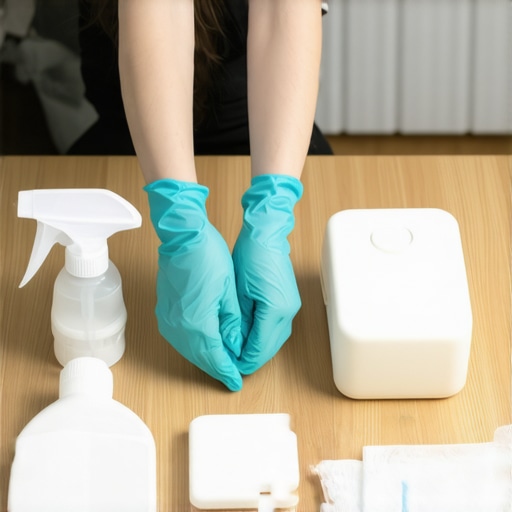
I remember the moment clearly—the scent of fresh paint still lingering, but beneath it, a faint, unsettling must. As someone who hates the idea of bringing potential germs into my sanctuary, I used to overlook the importance of a thorough move-in clean. That oversight left me sneezing more often and feeling uneasy in my own space. The lightbulb finally went off when I realized that the germs from previous occupants might be lurking in every corner, especially in high-touch areas and upholstery, turning my new home into an unintentional germ haven.
Why a Move-In Checklist Focused on Germs is Your Best Friend
Moving into a new place should be exciting, but if you’re like me—and you despise the thought of sharing your space with unfamiliar bacteria and viruses—the process becomes more about protection than mere aesthetics. A well-thought-out move-in checklist tailored to sanitize and disinfect can make all the difference. It not only helps you create a healthier environment but also ensures peace of mind. Scientific studies highlight that certain germs can survive on surfaces for days, even weeks, making preemptive cleaning an absolute necessity. In fact, research from the CDC indicates that regular cleaning and disinfecting significantly reduce the risk of infection from common household pathogens.
But here’s the catch: early in my journey, I made a costly mistake—I used generic cleaning sprays without confirming their effectiveness against the germs I was most worried about. That misstep underlined the importance of knowing which products work and how to use them correctly. For example, relying solely on surface cleaning without proper sanitizing can give a false sense of security.
I’ll walk you through a proven strategy—based on my personal experience and industry tips—that will help you effectively prepare your new home against germs. From sanitizing high-touch surfaces to tackling upholstery and hidden nooks, this checklist is your ally in creating a truly clean, safe space. If you’ve ever felt overwhelmed by the sheer number of cleaning tasks or skeptical about whether all these efforts are worth it, keep reading. I promise, a strategic approach can make this process manageable and even satisfying.
Ready to transform your move-in process from a germ-infested nightmare into a sanitized haven? Let’s dive into the essential steps that will set your mind at ease and your home perfectly clean. And if you’re curious about the latest effective techniques, check out [effective house cleaning secrets from cleaning experts](https://spotlesscarpetz.com/effective-house-cleaning-secrets-from-cleaning-experts) for more insight.
Start with a Deep Declutter and Prep
Before disinfecting, remove any visible debris or clutter that can trap germs, like old papers, dust, or trash. Think of it as clearing the runway before takeoff—you need a clean surface to work on for effective sanitation.
Choose the Right Cleaning Agents
Opt for EPA-registered disinfectants proven to kill common household germs. For porous surfaces or delicate fabrics, use specialized products—never rely solely on general-purpose cleaners. Confirm their efficacy against viruses like influenza or coronavirus to ensure safety.
Target High-Touch Surfaces
Focus on doorknobs, light switches, remote controls, countertops, and faucet handles. Use microfiber cloths dampened with disinfectant—they pick up more germs than paper towels. As I did when I first moved in, make sure to apply enough disinfectant and allow it to remain wet for the cook-time specified on the label—usually 3-5 minutes for maximum effect.
Sanitize Upholstery and Soft Surfaces
Upholstery can harbor germs and allergens. I recommend vacuuming thoroughly with a HEPA-filter vacuum, followed by spot cleaning with upholstery-safe disinfectant sprays—especially on cushions and sofas. For stubborn stains or odors, consider a professional upholstery cleaning, which uses techniques like hot water extraction to eliminate bacteria without damaging fabrics. Check out [upholstery cleaning tips for a fresh home revival](https://spotlesscarpetz.com/upholstery-cleaning-tips-for-a-fresh-home-revival) for detailed methods. 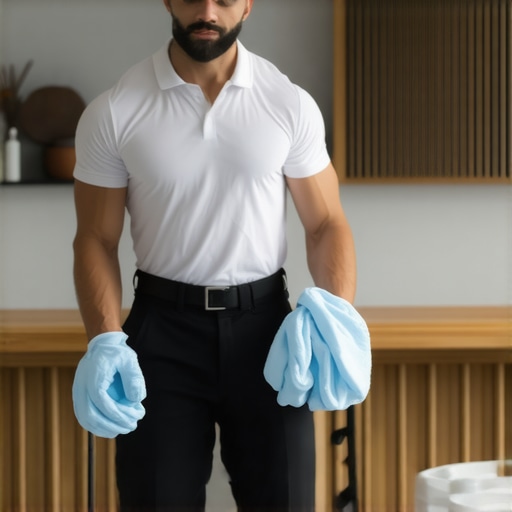
Address Hidden Corners and Edges
Don’t forget behind appliances, under sinks, and inside cabinets. Dust and germs settle there, especially in less-frequented areas. Use a long-handled duster or cloth to reach tight spots, and disinfect thoroughly. A quick wipe of the ceiling fan blades and light fixtures can also reduce airborne germs.
Tackle Carpets and Rugs Strategically
Deep cleaning carpets and rugs removes trapped bacteria, dust mites, and allergens. I once rented a steam cleaner for my apartment’s heavily stained rug, and it made a huge difference in reducing germs and improving air quality. For best results, use a steam cleaner with high-temperature settings or hire professionals if you’re uncertain of the correct procedure. Learn more about effective house cleaning secrets from cleaning experts to optimize your approach: expert cleaning tips.
Disinfect Electronics Carefully
Electronics like keyboards, remotes, and phones are germ magnets. Use 70% isopropyl alcohol wipes or sprays on a microfiber cloth to disinfect without damage. Avoid spraying directly onto devices—apply to cloth first to prevent liquid from seeping in and causing malfunction. Remember, electronics can be a hotbed for germs; regular cleaning significantly reduces associated risks. For a detailed guide, visit screen and gadget cleaning tips.
Ventilation and Air Quality
After cleaning, open windows or run exhaust fans to circulate fresh air. Airborne germs are minimized when indoor air is replaced or filtered through HEPA air purifiers. During move-in, ensuring good ventilation helps disperse residual disinfectant fumes and reduces lingering microbes.
Many people believe that simply running a mop over the floor or spraying some disinfectant is enough to ensure a clean, sanitized home. However, this oversimplification often leads to overlooked nuances that can compromise the effectiveness of your cleaning efforts. One widespread misconception is that using bleach or harsh chemicals automatically guarantees elimination of all germs. In reality, some porous surfaces and items like upholstery require specific cleaning approaches, since disinfectants may not penetrate deeply enough, allowing bacteria and viruses to survive. Scientific research indicates that certain germs, such as *Clostridium difficile* spores, can withstand common disinfectants if not applied correctly, emphasizing the importance of proper technique and product choice (source). Another common mistake involves neglecting high-touch areas or soft furnishings; many assume these are sanitized incidentally, but bacteria can hide in fabric fibers and under crevices, making targeted cleaning essential.
Are You Really Removing Deep-Set Dirt or Just Surface-Level Clean?
It’s tempting to think that a quick wipe accomplishes sanitation, but deep-seated dirt and biofilms require more intensive methods, such as hot water extraction or professional upholstery cleaning. Failing to address these hidden layers leaves your environment vulnerable to germs and allergens, which might cause health issues over time. This is why strategic cleaning, informed by expert techniques detailed in this resource, is crucial rather than relying on superficial methods alone. Additionally, many overlook the importance of cleaning tools themselves; microfiber cloths, for example, can trap germs, becoming sources of cross-contamination if not washed properly. Regularly updating your cleaning tools and understanding their proper use can significantly enhance hygiene outcomes. Never forget: relying solely on chemical disinfectants without mechanical cleaning can leave residual dirt and microbes intact. Combining physical removal with chemical sanitization maximizes effectiveness and creates a truly hygienic home environment. To optimize your cleaning strategy and avoid common pitfalls, check out sanitizing hacks for safe house transitions. Remember, thoroughness and attention to detail are your best allies in the fight against unseen germs. Have you ever fallen into this trap? Let me know in the comments.Maintaining a spotless and sanitized home after a move-in requires more than just initial cleaning. Investing in high-quality tools ensures that your efforts are effective and sustainable over time. I personally swear by a few key pieces of equipment that have transformed my cleaning routine and helped me sustain a healthy environment.
Ultrasonic Leak Detectors have been a game-changer in ensuring my home’s ventilation system remains airtight, preventing mold and stale air buildup. Using these detectors regularly, I can identify leaks early, saving me from costly repairs and poor indoor air quality in the long run.
Next is the Cordless Steam Cleaner. Unlike traditional mops, a handheld steam cleaner deeply penetrates surfaces, killing bacteria and removing grime without harsh chemicals. I use mine weekly on bathrooms, kitchens, and upholstery, which helps prolong the freshness of fabrics and surfaces. According to experts, a steam cleaner’s high temperature (over 212°F) effectively kills pathogens, making it a vital part of long-term sanitation. For detailed info, visit this comprehensive guide.
When it comes to dust and allergens, my HEPA-filter vacuum is irreplaceable. Not only does it trap microscopic particles more efficiently, but the filters are easy to clean and replace, ensuring consistent performance. I’ve found that regular use reduces allergy symptoms and keeps my air cleaner, especially when combined with proper ventilation techniques discussed here.
How do I keep my cleaning tools performing for years?
Regular maintenance of your cleaning equipment is crucial. Rinse microfiber cloths after each use with hot water and a splash of vinegar or a mild detergent—this prevents microbial buildup. Replace vacuum filters and HEPA cartridges as recommended by the manufacturer. Store tools in a dry, well-ventilated space to prevent mold and mildew development. Implementing these simple habits extends the lifespan of your tools and maintains their effectiveness, ensuring your home stays truly clean over time.
Looking ahead, the trend points toward smarter cleaning devices, like robotic vacuums integrated with app controls that can map your space and adapt cleaning schedules. These innovations promise even greater convenience and consistency, freeing you to focus on larger tasks or simply enjoy your space.
If you’re eager to optimize your cleaning arsenal, I recommend trying out a quality steam cleaner for upholstery and tiles. It’s an investment that pays off by reducing chemical use while boosting hygiene. For expert insights, explore these trusted cleaning tips.
Moving into a new home is exciting, but the real game-changer lies in understanding the subtle lessons learned during my cleaning journey. I realized early on that many cleaning myths—like relying solely on chemical disinfectants—can give a false sense of security. Instead, I discovered that combining mechanical cleaning with strategic product choices is key to truly eliminating germs. The importance of inspecting hidden corners and soft furnishings became evident when I caught overlooked spots that harbored bacteria, reminding me that thoroughness outweighs quick fixes. Finally, investing in professional-grade tools, like HEPA vacuums and steam cleaners, transformed my ability to maintain cleanliness and offered peace of mind for the long haul, proving that the right equipment is worth every cent for a healthier home environment.