
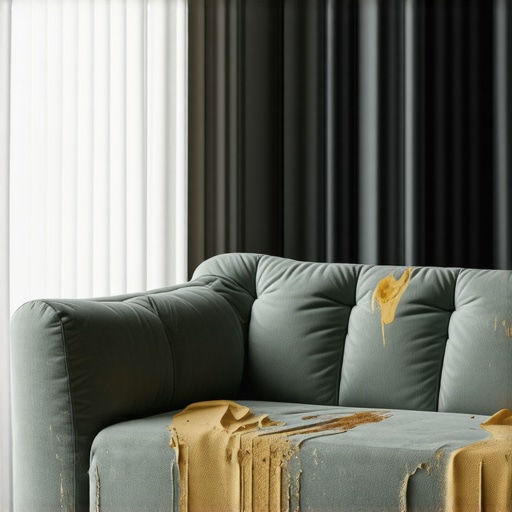
There was a moment in my home when I finally realized my couch had become a no-go zone. A quick glance revealed a mysterious stain that just wouldn’t vanish, and I started sneezing more than usual. It hit me—my furniture was hiding a mess, and I hadn’t noticed until it suddenly became impossible to ignore. That lightbulb moment was my wake-up call to take upholstery cleaning seriously, especially the need for professional help when signs start appearing.
Why Overlooking Upholstery Problems Can Spell Trouble for Your Home
Many of us get so busy that we dismiss the telltale signs of dirty or neglected furniture. But ignoring these signals can lead to health issues, damaged fabrics, and even a decline in your home’s overall cleanliness. In fact, a recent study showed that furniture can harbor allergens, bacteria, and dust mites that contribute to allergy symptoms and respiratory problems (source). Recognizing the signs early can save you both money and health in the long run.
Is Professional Upholstery Cleaning Worth the Cost and Time?
Honestly, I used to think a quick vacuum or spot treatment was enough. Big mistake. I once tried to tackle a coffee splash on my own, only to find that the stain set deeper, and I inadvertently damaged the fabric with harsh chemicals. Early on, I made the mistake of underestimating how fragile certain fabrics are and how professional cleaning can restore and extend the life of your furniture. Learning from that, I now know that investing in expert help makes a huge difference—and often, it’s more affordable than replacing your furniture prematurely.
If you’re wondering whether your upholstery needs a professional touch, keep reading. We’ll go over the key signs that indicate it’s time to call in the pros, so you can preserve your furniture and breathe easier at home.
,
Assess Your Furniture Before Diving In
Start by inspecting your upholstery for signs of deep dirt, stains, or odors. Take a closer look at fabric tags—these often contain crucial cleaning instructions. Remember, delicate fabrics like silk or velvet require special care, and aggressive cleaning might do more harm than good. I once tried steam cleaning my vintage velvet sofa without research—and ended up with a crushed texture; now I know to consult専門の洗浄方法 upholstery cleaning tips.
Prepare Your Cleaning Tools and Supplies
Gather essential tools: a vacuum with upholstery attachment, soft-bristled brushes, microfiber cloths, and cleaning solutions suitable for your fabric type. For stubborn stains, a mixture of mild detergent and water often suffices. Avoid harsh chemicals that can weaken fibers or cause discoloration. Having everything ready prevents mid-cleaning trips and ensures efficiency.
Vacuum Deeply to Remove Surface Dirt
Use a vacuum cleaner with a HEPA filter and an upholstery tool to thoroughly remove dust, pet hair, and loose debris. Work from top to bottom to prevent re-soiling cleaned areas. This step is similar to pre-washing dishes before using soap—it prepares the surface for deeper cleaning. I recall a time when skipping this step left my fabric looking patchy after cleaning, emphasizing its importance. dust removal techniques can be applied here.
Treat and Remove Stains Strategically
Identify stain types—oils, dyes, or protein-based—and select appropriate treatments. For example, blot coffee or wine stains with a clean cloth, then apply a stain remover suitable for upholstery. For greasy spots, a small amount of dish soap diluted in water works wonders; be cautious not to oversaturate. I once tackled a stubborn ink stain on my white armchair using an alcohol-based solution, which lifted the ink without bleaching the fabric. Be patient and repeat as necessary.
Understand Fabric Sensitivities and Test First
Always test cleaning solutions on hidden areas to prevent damage. Use a soft cloth with the solution to check for color fastness. This prevents unwanted bleaching or color bleeding—I’ve learned this the hard way after a color change on my fabric after a careless test. For delicate fabrics, consider consulting professional advice.
Deep Clean with Controlled Methods
For standard upholstery, a steam cleaner can penetrate fibers to lift dirt and kill bacteria. However, silk or velvet fabrics may suffer from heat damage—avoid steam cleaning for these materials. When I tried steam cleaning my microfiber sofa, I noticed residual moisture, which led to mold growth because I didn’t ventilate properly. To prevent this, allow plenty of drying time and keep the room well-ventilated. Using a microfiber mop with a gentle cleaning solution can mimic some benefits without risking fabric harm.
Ensure Complete Drying and Deodorizing
Allow your furniture to dry thoroughly—preferably with fans or dehumidifiers—to prevent mold or musty odors. Sprinkle baking soda over the surface, let it sit for 15-20 minutes, then vacuum again to absorb lingering smells. I once deodorized my pet-accustomed sofa this way, and the difference was immediate. Proper drying and deodorizing extend the lifespan and freshness of your upholstery.
Regular Maintenance Keeps It Fresh
Implement a routine—vacuum weekly and address stains promptly. Consider protective sprays to repel dirt and spills. For high-traffic areas, a professional deep clean every 12-18 months often preserves fabrics better than DIY efforts alone. Remember, consistent care reduces the need for intense cleaning sessions, saving time and money. Proper maintenance techniques are covered in detail here.
Many homeowners operate under misconceptions about upholstery care and house cleaning that can lead to costly mistakes and disappointing results. One prevalent myth is that regular vacuuming alone suffices to keep furniture pristine. In truth, deep cleaning at least once a year, preferably with professional help, is essential to remove embedded dirt, allergens, and bacteria that vacuuming can’t reach. Overlooking this can result in fabric deterioration and health issues, contradicting the common belief that DIY methods are always enough.
An often-neglected aspect is the significance of fabric-specific cleaning techniques. For example, many assume all upholstery can be steam cleaned or treated with harsh chemicals, but delicate fabrics like silk or velvet require specialized approaches. Misapplying standard cleaning solutions can cause irreparable damage or discoloration. Always check fabric tags and test cleaning solutions on hidden areas beforehand to avoid costly mistakes. Learn more about specialized cleaning procedures here.
Another misconception is that sanitizing isn’t necessary unless there’s visible grime. However, bacteria, dust mites, and allergens often reside deep within fibers, requiring proper disinfecting methods. Many rely solely on surface cleaning, which provides a false sense of security. Proper sanitization, especially in high-touch areas like upholstery and doorknobs, involves effective products and techniques, such as using hospital-grade disinfectants or UV treatments. For in-depth sanitizing hacks, see this guide here.
Curiously, many believe that the more chemicals used, the cleaner the home. This inverse thinking can backfire, especially with harsh disinfectants that may weaken fabrics or leave residues. Often, natural alternatives like baking soda, vinegar, or specialized eco-friendly cleaners achieve excellent results without compromising fabric integrity or air quality. As the experts highlight, using the right products thoughtfully enhances efficacy and safety. Read about effective natural cleaning options here.
Spot this common mistake? Falling into the trap of neglecting hidden dust traps like behind or underneath large furniture. These overlooked areas harbor accumulated dust and allergens, which can impact indoor air quality. Regularly moving furniture and cleaning confined spaces prevents buildup. You can detect these areas by inspecting under beds, behind refrigerators, and inside cabinet voids. This technique significantly improves overall cleanliness and hygiene.
Advanced house cleaning often involves more than surface chores. For example, many underestimate the importance of thoroughly disinfecting high-touch surfaces during flu seasons. These include switches, remote controls, and even sofa arms. Using microfiber cloths combined with appropriate disinfectants ensures bacteria are effectively killed. Proper sanitization of these hotspots reduces illness transmission – an underrated but vital step. Check detailed sanitizing strategies here.
Have you ever fallen into this trap? Let me know in the comments. Let’s share tips to master the hidden nuances of upholstery and house cleaning for a healthier, cleaner home.
Achieving Long-Term Results with the Right Equipment
Investing in quality tools makes a significant difference in maintaining a clean and healthy home. I personally swear by a HEPA-filtered vacuum with adjustable attachments, like the Dyson Upright Vacuum. Its powerful suction and specialized upholstery tools help me remove embedded dust and pet hair without damaging delicate fabrics. For deep cleaning, I use a professional-grade steam cleaner such as the McCulloch MC1275, which effectively eliminates bacteria and allergens from various surfaces, including upholstery and tiles. These tools have proven invaluable in maintaining a hygienic environment long-term, especially with regular use.
Embracing Automation and Smart Solutions
In recent years, smart cleaning devices have gained popularity. Robot vacuums like the iRobot Roomba can be programmed to clean floors daily, reducing dust buildup and allergens. Additionally, air quality monitors such as the Awair Element can alert you to particulate levels, prompting timely cleaning interventions. Incorporating these technologies into your routine ensures your home remains consistently fresh without ongoing manual effort, aligning with the future trend towards automation in household maintenance.
How do I sustain upholstery and house cleanliness over time?
Regular maintenance is key. Schedule professional upholstery cleaning at least once a year—more if you have pets or allergies—to preserve fabric integrity. Keep tools like microfiber cloths and vacuum attachments handy for quick spot maintenance. Also, establish everyday habits, such as wiping down high-touch surfaces with eco-friendly disinfectants from house cleaning experts and promptly addressing stains before they set. Consistent effort saves money and prevents the need for costly refurbishments later, ensuring your home stays inviting and sanitary over the long haul.
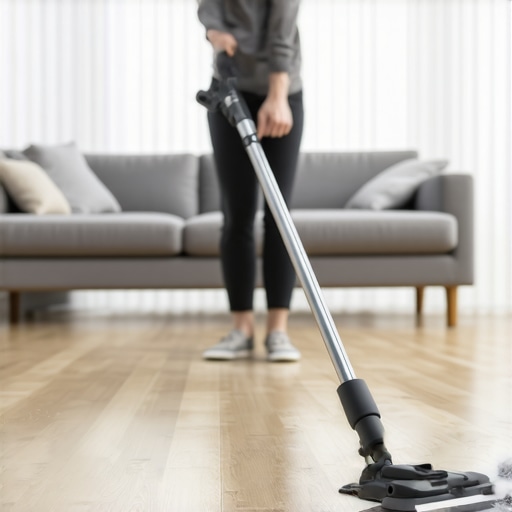
To step up your cleaning game, I recommend trying out a microfiber steam mop for quick refreshes on hard floors. Its versatility and ease of use make it a favorite among seasoned homeowners. Future advancements may bring more integrated cleaning systems that combine vacuuming, mopping, and sanitizing into single devices, further simplifying home care. Keep an eye on these innovations and adapt them to maintain your space effortlessly.
What I Wish I Knew Before My First Deep Upholstery Clean
One of the most eye-opening lessons I learned was the power of proper fabric testing. I once used a generic solution on my silk sofa and ended up with a watermark—lesson learned: always test in hidden spots and research fabric-specific cleaning tips here. This saved me from costly repairs and made me realize that patience and preparation are essential for long-term furniture health.
My Secrets to Avoiding Common Cleaning Pitfalls
I used to think that using lots of chemicals would give me a cleaner home. Turns out, natural solutions like baking soda or eco-friendly cleaners often do the trick without harming fabrics or the environment. It’s a game-changer for maintaining a safe, allergen-free space. Discovering that simple swaps can yield such impactful results transformed my approach to home hygiene—and it might do the same for you here.
The Unexpected Benefits of Regular, Mindful Maintenance
Beyond just appearance, consistent upholstery and house cleaning practices lead to better air quality and health. Vacuuming weekly, addressing stains immediately, and scheduling professional cleanings have extended the life of my furniture and reduced allergy symptoms. Embracing a routine might seem tedious, but the payoff is a healthier, happier home environment that I now cherish.
Curated Tips for Lasting Success
Invest in quality tools like a HEPA-filter vacuum and a microfiber steam mop. They cut down cleaning time and improve results—a great way to make ongoing maintenance easier. Additionally, incorporating smart devices like robotic vacuums and air quality monitors can help keep your environment consistently fresh without extra effort. If you want to find out more about effective tools and techniques, check out this resource.
Embrace Your Power to Transform Your Home
Now that you know these insider lessons and strategies, you’re equipped to make your upholstery and house cleaning a source of pride and comfort. Remember, every effort you make contributes to a healthier, more inviting space—so start small, stay consistent, and enjoy the rewarding results. What’s one cleaning habit you’re excited to try or improve upon? Share below—your insights could inspire someone else’s journey toward a cleaner home.