
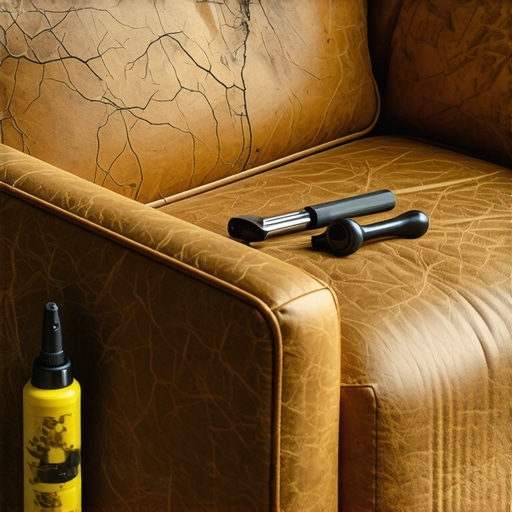
Just last week, I caught myself nervously inspecting my favorite leather sofa, my fingers tracing tiny cracks that hadn’t been there a month ago. It hit me—my cherished piece of furniture was aging faster than I expected. That lightbulb moment made me realize: I wasn’t alone. So many of us face the unsettling sight of cracking leather, and it can be downright heartbreaking when you consider the investment and sentimental value involved. If you’ve ever wondered why your leather sofa is cracking and what you can do to reverse or prevent it, you’re in the right place.
Understanding Why Your Leather Sofa Is Cracking
Leather is a natural material, and like skin, it needs proper care to stay supple and beautiful. Over time, exposure to sunlight, fluctuating temperatures, and even the dryness of indoor air can cause the fibers in your sofa to break down. One common mistake I made early on was over-cleaning my leather with harsh chemicals, thinking I was protecting it. Instead, I accelerated the cracking process. According to experts at Spotless Carpetz, improper maintenance is one of the top reasons leather starts to age prematurely.
Besides environmental factors, the quality of leather itself plays a role. Lower-grade leathers are more susceptible to cracking if not maintained properly. Also, neglecting regular conditioning can leave the surface dry and brittle, making it vulnerable to cracks. Think of your leather sofa as skin; it needs hydration and protection to stay resilient. If you’re wondering whether your sofa’s cracks are inevitable or fixable, read on—because there’s plenty you can do.
Is Cracking Leather Actually Beyond Repair?
Honestly, I was skeptical at first. When I saw my sofa’s cracks, I thought, “Well, that’s it.” But I learned that many issues stem from dehydration and neglect, not just irreparable damage. The key is to recognize early signs and act swiftly with the right care routines. I learned this the hard way — rushing into over-the-top solutions without understanding the basics only made things worse. That’s why I recommend starting with proper cleaning and conditioning, and I’ll guide you through this process step-by-step. Curious about how to restore your leather’s suppleness and prevent future cracks? Let’s dive into some effective strategies to give your furniture the care it needs.
Start with Thorough Cleaning
Clear your sofa of loose dirt and debris using a vacuum with a soft brush attachment. Afterward, dampen a microfiber cloth with distilled water and gently wipe the surface to remove dust and surface grime. This prepares the leather for deeper conditioning.
Choose the Right Cleaners
Avoid harsh chemicals; opt for pH-balanced leather cleaners or a mix of mild soap and distilled water. Test your chosen cleaner on a small, hidden area first to ensure it doesn’t discolor or damage the leather. Remember, over-wetting can worsen cracking, so use minimal liquid and dry thoroughly.
Apply Leather Conditioner Correctly
Use a high-quality leather conditioner suitable for your sofa’s grade. Apply a small amount to a clean, soft cloth and gently massage it into the leather in circular motions. Focus on cracks and dry patches. Conditioning restores moisture, increases flexibility, and helps prevent further cracking. Repeat this process every 6-12 months for optimal results.
Address Existing Cracks
For minor cracks, specialized leather repair kits can be effective. Clean the crack area thoroughly, then apply a leather filler according to the instructions. Once dried, sand lightly for a smooth finish and follow with a matching color-dye or conditioner to blend repairs seamlessly.
Protect Against Future Damage
Position your sofa away from direct sunlight and heat sources to prevent leather drying and fading. Use window coverings or UV-protective films to reduce sun exposure. Consider using slipcovers or throws during heavy use to shield the leather from spills, stains, and scratches.
Create a Maintenance Routine
Develop a regular maintenance schedule: clean monthly with a gentle cloth, condition biannually, and address spills immediately with a damp cloth. Keep indoor humidity levels balanced with a humidifier or dehumidifier to prevent leather from drying out or swelling.
Perform Regular Inspections
Check your sofa periodically for signs of dryness, cracking, or wear. Early intervention can save you from costly repairs or replacements later. When noticing initial cracks, acting promptly with conditioning can often restore suppleness and prevent worsening.
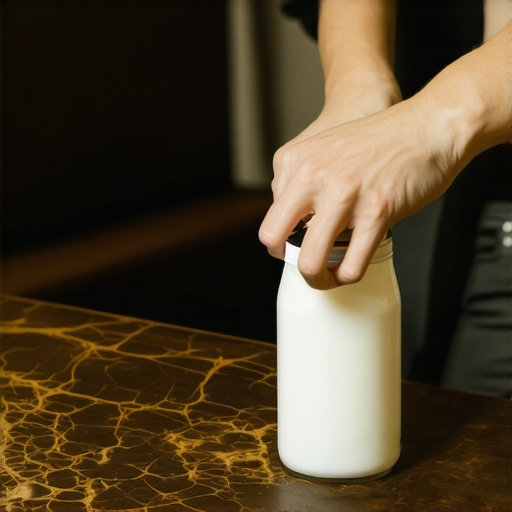
Imagine a close-up of a hand applying a nourishing leather conditioner to a cracked sofa surface, illustrating the essential step of hydration and care.
While many believe that regular cleaning routines are enough to keep homes truly safe and spotless, the reality is far more nuanced. A common misconception is that using the strongest disinfectants guarantees germ-free surfaces. However, in my experience, over-reliance on harsh chemicals can damage delicate fabrics and surfaces, especially upholstery, leading to accelerated wear and even micro-tears that harbor bacteria. Real expertise in sanitizing involves understanding the difference between superficial cleaning and deep, effective disinfection, which often requires tailored approaches. For instance, a study by the Supreme Clean Experts emphasizes that porous surfaces like upholstery and carpets need specific sanitizing techniques such as steam cleaning, not just surface sprays, to eliminate hidden bacteria effectively.
One major trap in move-out cleaning is assuming that standard vacuuming and surface wiping will pass inspection and secure your deposit. In reality, inspectors look for hidden grime, mold, and bacteria that root deep into fibers or grout lines. A quick sweep won’t cut it, and neglecting these details can cost tenants their full deposit — a costly lesson I learned firsthand. That’s why I recommend consulting comprehensive checklists like the Move-Out Cleaning Checklist, which guides you through deep cleaning essential areas.
When it comes to house cleaning, many homeowners underestimate the importance of maintaining airflow and humidity levels. Poor air circulation can cause mold spores and dust mites to thrive, worsening indoor air quality and making your efforts seem futile. Regularly inspecting and cleaning air vents and considering dehumidifiers can dramatically improve results, a tip backed by industry experts at Spotless Carpetz.
Upholstery cleaning, often seen as a superficial task involving just surface dust removal, actually requires understanding fabric-specific cleaning agents and techniques. For instance, microfibre sofas need gentle, pH-balanced cleaning solutions and sometimes even specific brushing techniques to prevent flattening or fiber damage. Using incorrect products can leave residues that attract more dirt or weaken fibers over time. An advanced method involves combining deep-cleaning with fabric conditioning, which restores softness and resilience. You can learn more about effective upholstery care here.
Now, a question for seasoned cleaners: how can you sanitize porous surfaces like upholstery and carpets without compromising fabric integrity or risking chemical exposure? The answer lies in understanding the science of microbial penetration and selecting techniques like hot vapor steam cleaning, which eradicates pathogens without chemicals. According to a scientific review, steam reaches bacteria and viruses embedded deep within fibers, providing an effective and eco-friendly sanitization method. Incorporating such advanced techniques ensures your cleaning routines are both safe and thorough.
So, have you ever fallen into this trap? Let me know in the comments. Remember, true expertise in cleaning goes beyond routine chores—it’s about understanding the intricacies and applying them carefully for lasting results.
Maintaining a spotless and healthy home requires more than just basic cleaning routines; it demands the right tools, consistent maintenance, and strategic approaches to ensure long-term results. Over the years, I’ve experimented with various equipment and methods to elevate my cleaning game, and today I’ll share the tools I highly recommend for sustained house care and upholstery preservation.
Invest in a Quality Upright Vacuum with HEPA Filtration
A reliable vacuum is the cornerstone of ongoing cleanliness. I personally opt for models equipped with HEPA filters because they effectively trap airborne allergens, dust mites, and pet dander, which is crucial if you want a truly allergen-free environment. A well-chosen vacuum with strong suction and versatile attachments, such as a brush head and upholstery tool, simplifies cleaning sofas, drapes, and carpets without degrading delicate fabrics. For detailed upholstery care, check out this guide.
How do I maintain my vacuum over time?
Regularly replacing filters, emptying the canister, and checking brush rolls for obstructions ensure optimal performance. Additionally, cleaning the filters with compressed air monthly prevents buildup that could compromise air quality and suction power.
Steam Cleaners for Deep Sanitation
While steam cleaning is often associated with deep sanitation, I found it invaluable for upholstery, especially when dealing with pet odors or hidden bacteria. I recommend a high-quality steam cleaner with adjustable steam levels and large water reservoirs; this allows thorough cleaning without frequent refilling. Steam penetrates deep into fibers, killing germs and removing ingrained dirt effectively. For sensitive fabrics, consult this article to optimize your approach.
How do I maintain my steam cleaner?
Empty the water tank after each use to prevent mold and mineral buildup. Regularly descale the appliance with vinegar solutions and inspect seals to ensure consistent performance.
Use Professional-Grade Upholstery Cleaning Solutions
DIY solutions can be tempting, but investing in professional-grade, pH-balanced cleaners preserves fabric integrity and prolongs upholstery life. I choose products recommended by experts and avoid harsh chemicals like bleach, which can cause discoloration. Pairing these cleaners with proper brushing techniques restores softness and resists future staining, as explained here.
How do I sustain my upholstery’s freshness over time?
Developing a routine of gentle vacuuming and spot treatments, combined with periodic professional cleaning, keeps fabrics resilient. Avoid saturating fabrics with cleaning solutions to prevent fiber damage.
Strategic Maintenance for Long-Term Success
Consistency is key — schedule regular inspections and cleanings to identify early signs of wear or damage. Use tools like microfiber cloths for dusting, which trap dirt without scratching surfaces, and employ air purifiers to maintain indoor air quality. Embracing technology and professional techniques ensures your home remains inviting and safe.
Adapting to Future Cleaning Trends
The industry is moving toward eco-friendly, chemical-free sanitization methods like ultraviolet-C light and advanced vapor systems. These innovations aim to maximize sanitation while minimizing environmental impact. I predict that integrating smart, automated cleaning devices will become mainstream, allowing homeowners to sustain cleanliness effortlessly.
Try incorporating a high-quality steam cleaner into your routine this month — it can transform your upholstery care by eliminating bacteria without relying on chemical disinfectants. Remember, maintaining your tools and adapting new techniques keeps your home at the forefront of cleanliness and health.
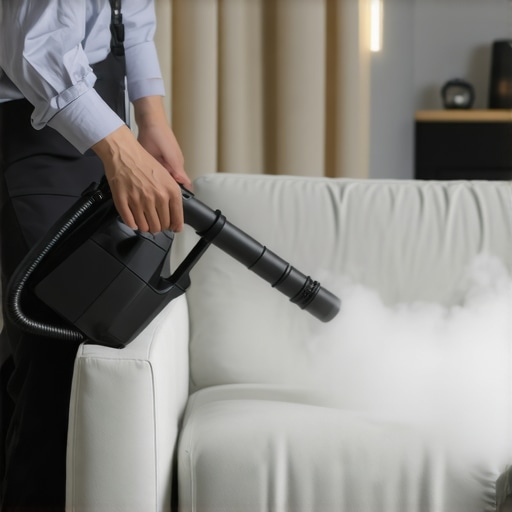
Image of a modern steam cleaner being used on a fabric sofa, highlighting the power of deep sanitation.
Throughout my years of maintaining home furniture, I’ve learned that truly caring for leather goes far beyond surface cleaning. One of the most eye-opening lessons was realizing how easily even minor neglect can lead to irreversible damage, especially when I thought regular cleaning alone would suffice. It’s a reminder that in the world of leather preservation, proactive, consistent routines are your best allies. Remember, the smallest cracks today can become costly fixes tomorrow if not addressed early—and this applies to your leather sofa’s health as much as anything else in home maintenance.
Unspoken Truths About Leather Longevity That No One Tells You
- Most people underestimate how environmental factors, like indoor heating or air conditioning, sap moisture from leather fibers, accelerating cracks. Keeping a stable humidity helps maintain suppleness.
- Ignoring early signs—like slight drying or surface roughness—can lead to deep cracking that’s impossible to fix with conditioners alone. Early intervention truly makes a difference.
- High-quality leather isn’t invincible; it requires tailored care routines. What works for one grade may harm another if not selected properly.
- Many overlook how improper cleaning products can strip natural oils, leaving leather brittle and prone to damage. Use pH-balanced cleaners designed specifically for leather.
- Patience is key. Rushing through repairs or conditioning can cause uneven absorption, making cracks more noticeable. Gentle, repeated treatments yield the best long-term results.
Guided Steps That Turn Leather Maintenance Into an Art
- Incorporate routine inspection—monthly checks for dryness or crack signs—helps catch problems early. Think of it as a health check-up for your furniture.
- Choose products consciously. I trust brands recommended by leather artisans or furniture experts, as they understand material intricacies better than general-purpose cleaners.
- Apply conditioners in thin layers, allowing each to absorb fully before the next. This prevents over-saturation and uneven drying.
- Protect leather from sunlight by repositioning furniture or using UV-filtering window films—prevention is often more effective than repair.
- Stay ahead of spills and stains by establishing a quick-response routine—dabbing clean, damp cloths immediately to prevent absorption leading to cracks or discoloration.
Real Lessons From My Leather Refinishing Experiments
- I’ve seen that attempting a quick fix with DIY filler kits can sometimes make things worse if not followed by proper finishing techniques. Patience and precision are essential.
- Understanding your leather’s unique grain and characteristics is crucial; some surfaces accept dye better than others, influencing repair outcomes.
- Over-conditioning or using the wrong product can clog pores, reducing breathability and causing further damage over time. Moderation is better than excess.
- I learned that consulting professionals for severe cracks is often more economical in the long run than risking DIY attempts that may mar the surface further.
- Ultimately, embracing a consistent, gentle care routine grounded in knowledge rather than assumptions keeps my leather furniture looking and feeling fantastic for years.
The Ultimate Toolbox for Leather Love
- pH-Balanced Leather Cleaners: Trusted brands like Leather Honey or Lexol are my go-to because they’re formulated to preserve natural oils.
- High-Quality Leather Conditioners: Regular application of these keeps fibers hydrated and resilient against cracking.
- Leather Repair Kits: For minor cracks, kits with fillers and dye markers provide excellent results when used carefully. I personally keep one handy for quick fixes.
- UV-Protective Sprays: Protect furniture from sunlight damage, especially if your sofa resides near windows.
- Soft Microfiber Cloths: Gentle on delicate surfaces, perfect for cleaning and applying conditioners without abrasion.