
It was late one evening when I finally looked at my kitchen countertop and realized something was off. The once gleaming surface that I took for granted had become sticky, dull, and oddly grimy despite my regular cleaning efforts. I had always relied on bleach and chemical sprays, thinking they were the gold standard for sanitation. But that night, as I rubbed a corner with a harsh chemical and saw a strange discoloration, I knew I needed a different approach. Have you ever felt that frustration, questioning if there’s a safer, more natural way?
Discovering a Safer Path to Cleanliness
Many of us want a spotless kitchen without exposing ourselves and our loved ones to potentially harmful chemicals. The good news? There are effective ways to sanitize your countertops using everyday household items, plus some insider secrets I’ve picked up along the way. Today, I’ll share how I transitioned away from overwhelming chemical cleaners to methods that are gentler on my family and better for our environment, all while maintaining that hygienic sparkle.
Is Plant-Based Cleaning Really Enough to Kill Germs?
One common skepticism I faced early on was whether natural ingredients truly work as well as commercial disinfectants. I was skeptical too—until I learned that vinegar and baking soda have been used for centuries to clean and disinfect. According to a recent study in the *Journal of Environmental Health*, vinegar can reduce bacteria and viruses on surfaces effectively, provided it’s used correctly. The key is to understand which natural methods are powerful enough and how to use them safely. I’ve made my share of mistakes, like thinking that spraying lemon juice on everything would do the trick—trust me, that’s not enough for bacteria, but it’s a great freshener! For comprehensive tips, check out the [Ultimate Upholstery Care Guide](https://spotlesscarpetz.com/ultimate-upholstery-care-guide-for-lasting-freshness), which emphasizes safe cleaning techniques.
Now, armed with this newfound knowledge, I began experimenting with simple, effective, and safe sanitizing hacks. Ready to ditch the harsh chemicals and discover your own natural cleaning routine? Let’s dive into the steps that transformed my kitchen into a safer, fresher space—and can do the same for you.
Preparing Your Natural Cleaning Arsenal
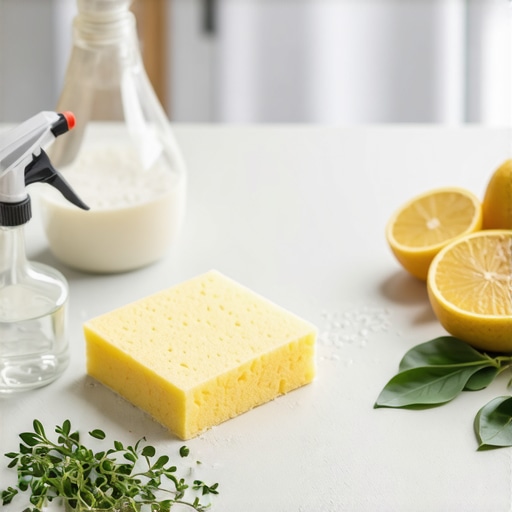
Start with common household items like white vinegar, baking soda, lemon juice, and essential oils. Clear your space and wear gloves to protect your skin. Measure out the vinegar and baking soda beforehand to ensure proper mixing ratios. I once spilled a jar of baking soda while setting up, creating a cloud that made me sneeze—it’s messy but worth it for the results.
Deep-Cleaning with Vinegar and Baking Soda
Sprinkle baking soda generously over the countertop surface, focusing on sticky or grimy areas. Then, pour white vinegar over the baking soda—expect bubbling and fizzing, which helps lift grime. Use a scrub brush or sponge to work the mixture into corners and creases, similar to scrubbing a stubborn stain on fabric. Rinse with warm water and wipe dry with a microfiber cloth. This method leaves surfaces feeling fresh and sanitized without chemical residues.
Tip: Use Lemon for Extra Freshness
Add a few drops of lemon juice or lemon essential oil to your vinegar spray to combat odors and leave a pleasant scent. I experimented by squeezing fresh lemon over a stubborn sticky spot after vinegar cleaning, and the citrus broke down residual grease. The combination not only cleans but also revitalizes the space, making it inviting.
Creating a Homemade Sanitizing Spray
Combine 1 cup of distilled water, 1/4 cup of white vinegar, and 10 drops of tea tree or eucalyptus essential oil in a spray bottle. Shake well and label the container. Spray generously over countertops after cleaning to add an extra sanitizing layer. I kept this spray handy during my move-out cleaning, and it proved effective against surface germs. The scent of tea tree oil also kept my home smelling fresh and natural.
Maintaining Routine Sanitation
Establish a daily wipe-down with your homemade spray, especially after preparing meals or handling produce. Use a clean microfiber cloth to avoid spreading bacteria. For stubborn spots, apply your baking soda paste (baking soda mixed with a bit of water) directly, scrub, then wipe clean. Consistency is key—think of it as regular maintenance on a car; neglect leads to buildup and more intensive cleaning later.
Addressing Porous Surfaces and Cracks
If your countertops have grout lines or textured surfaces, use an old toothbrush dipped in your vinegar solution to reach crevices. For deep grime, apply a baking soda paste, let it sit for 10 minutes, then scrub gently. I once neglected to clean the corner where the countertop meets the backsplash, and it became a grime trap. Regular focused cleaning prevents such issues and extends the lifespan of your surfaces.
Final Tips for Safe and Sustainable Cleaning
Always test your homemade solutions on a small inconspicuous area first to ensure no damage occurs. Avoid using pure lemon juice on delicate surfaces as its acidity can cause discoloration. Store your cleaning mixtures in labeled, child-proof bottles, and keep them away from direct sunlight. Embrace these natural methods for a healthier home environment without compromising on cleanliness.While many believe they have the cleaning process down, there are nuanced misconceptions that can sabotage your efforts and even cause damage. One common myth is that all stains and grime can be removed with simple scrubbing or chemical treatments. However, aggressive scrubbing, especially on delicate fabrics or porous surfaces, can weaken fibers or embed dirt further, making cleaning less effective over time. Advanced techniques, like gentle blotting or using pH-appropriate cleaners, are often overlooked but crucial for preserving upholstery integrity. According to expert guidance in the [Ultimate Upholstery Care Guide](https://spotlesscarpetz.com/ultimate-upholstery-care-guide-for-lasting-freshness), understanding fabric composition and choosing the right approach is key to lasting freshness.
Another trap many fall into is overusing disinfectants without considering surface porosity. Many think that spraying disinfectant everywhere equals cleanliness, but on porous surfaces like cement or unsealed wood, chemicals can seep in and be very hard to fully eliminate. In such cases, combined approaches with steam cleaning or sealing surfaces are more effective, as highlighted in research published by the *Journal of Infectious Diseases*. Effective sanitization isn’t about quantity; it’s about applying the right method at the right surface.
From a move-out perspective, a common mistake is neglecting hidden grime spots—particularly behind appliances or under heavy furniture—which can lead to deductions or lost deposits. The detailed [move-out cleaning strategies](https://spotlesscarpetz.com/move-out-cleaning-strategies-to-secure-your-deposit) emphasize the importance of comprehensive cleaning, including those forgotten areas, to ensure full deposit return. These overlooked spots often trap residues and create mold risks if left unaddressed, underscoring the importance of detailed inspection and targeted cleaning.
For advanced readers wondering about sanitizing high-touch areas without damage, it’s crucial to recognize that not all disinfectants are suitable for every surface. For instance, using alcohol-based wipes on electronics or varnished furniture can cause deterioration or discoloration. A delicate balance between efficacy and safety can be achieved by using non-abrasive, surface-specific cleaning solutions, as discussed in the [Effective Sanitizing Methods for a Germ-Free Home](https://spotlesscarpetz.com/effective-sanitizing-methods-for-a-germ-free-home).
Understanding these hidden nuances and avoiding common pitfalls can elevate your cleaning game from someone doing routine chores to a true expert. Remember, effective cleaning is less about brute force and more about finesse, precision, and knowledge. By steering clear of these traps, you’ll maintain your surfaces longer, ensure a healthier environment, and even save money. Have you ever fallen into this trap? Let me know in the comments.To keep your home cleaning efforts effective over time, investing in the right tools and adopting consistent maintenance routines are essential. Personally, I rely on a high-quality handheld upholstery cleaner with adjustable steam settings, which allows me to spot-treat sofas and chairs without over-wetting or damaging delicate fabrics. This device’s precision steam penetration ensures deep cleaning and helps prevent grime buildup, extending the lifespan of furniture. I also swear by a microfiber mop with replaceable, washable pads; it’s gentle yet effective on various surfaces, from hardwood floors to tiled areas, and minimizes waste compared to disposable alternatives. For sanitizing high-touch surfaces like light switches and door handles, I use a sensor-activated UV sterilization wand. It provides quick, chemical-free sterilization, so I can maintain hygiene without the repeated use of harsh chemicals, aligning well with future trends toward sustainable household cleaning. Regular use of these tools, combined with a disciplined schedule, ensures that the cleanliness I achieve today endures longer, reducing the need for intensive scrub-downs. Looking ahead, I foresee smart cleaning devices integrating AI to monitor and alert us about areas needing attention, ultimately simplifying long-term maintenance.
How do I maintain my cleaning tools to last over time?
Proper upkeep of your cleaning equipment is just as vital as the tools themselves. For instance, I recommend cleaning your upholstery steamer after each use with a vinegar-based solution to prevent mineral buildup, which can compromise performance—as advised by industry experts in the [Ultimate Upholstery Care Guide](https://spotlesscarpetz.com/ultimate-upholstery-care-guide-for-lasting-freshness). Similarly, washing microfiber pads regularly and avoiding fabric softeners preserves their absorbency and lifespan. Scheduled inspections and replacements of brushes, filters, and pads prevent diminished cleaning efficacy. Investing in a quality storage system for your tools also protects them from damage and keeps your cleaning closet organized, making maintenance routines more manageable. These small but consistent actions on your tools can dramatically amplify their effectiveness and prolong their usability. Ready to elevate your cleaning game? I recommend starting with your upholstery cleaner—try dedicating five minutes daily to care for the device, following manufacturer instructions. It’s a simple step that yields long-term benefits and keeps your furniture looking pristine. Keeping your tools in top shape is a key component of sustainable cleaning practices, and it’s easier than you think when you develop a regular upkeep habit.
The Hardest Lesson I Learned About Upholstery and Sanitizing
Early in my cleaning journey, I believed that more chemicals meant cleaner surfaces. It took a close call with chemical fumes and a stained sofa to realize that patience and the right natural tools outperform harsh treatments. Overusing disinfectants can weaken fabrics and even pose health risks, a fact I overlooked until I experienced some delicate upholstery damage. Now, I emphasize gentle, effective methods that preserve both my furniture and my well-being.
My Go-To Tools That Changed Everything
Discovering trusted tools has been revolutionary. A high-quality microfiber upholstery cleaner with adjustable steam has become my best friend, allowing me to deeply sanitize without chemicals. Complemented by a versatile homemade sanitizing spray—crafted from distilled water, vinegar, and essential oils—it keeps surfaces germ-free and smelling fresh. These tools, combined with the right techniques, help me maintain a pristine home sustainably and affordably.
Embracing Change and Taking Action
Remember, transforming your cleaning routine isn’t just about products; it’s about adopting a mindset geared toward health and longevity. Natural cleaning methods can seem simple, but they pack a powerful punch when applied consistently. I encourage you to experiment with these secrets—your home, health, and wallet will thank you. Let’s set a new standard for home care that aligns with our values and future trends.
What Surprising Findings Have Transformed Your Cleaning Routine?
Have you ever discovered an overlooked spot that made a huge difference in your move-out cleanliness? Or a natural hack that really worked where chemical cleaners failed? Share your stories below—I’d love to learn from your experience and help others elevate their home sanitation efforts.