
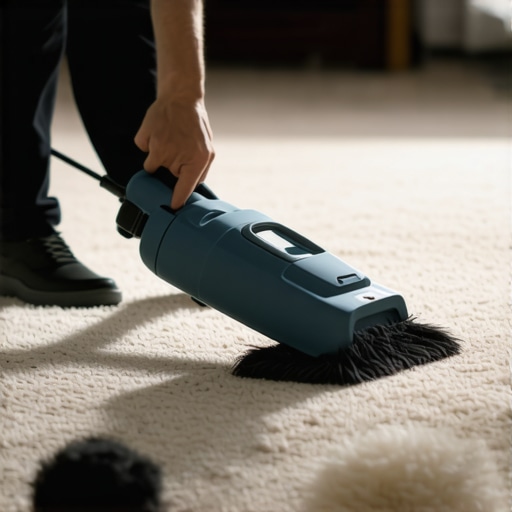
If you’ve ever stepped onto your deep-pile rug after a walk-in with your furry friend, only to be greeted by a fuzzball of pet hair sticking stubbornly to every fiber, you know the frustration. I recall a weekend when I finally lost it—vacuuming tirelessly, only to see a fresh crop of dog hair reappear minutes later. That lightbulb moment hit me: I needed a better way. Today, I promise to share the *real* secrets I’ve uncovered to get dog hair out of deep-pile rugs for good, so you no longer have to spend your precious weekends battling a never-ending fuzz.
The Hidden Challenge of Deep-Pile Rug Hair Removal
Deep-pile rugs are incredibly cozy, but their dense fibers trap pet hair like a magnet. Standard vacuum cleaners often just scratch the surface, leaving behind hair that clings tenaciously. Early on, I made the mistake of relying solely on my trusty household vacuum—only to be disappointed when the hair stubbornly remained. It turns out, the key isn’t just about strong suction but about using tools and techniques tailored for those thick, plush fibers. Understanding this has been a game-changer, and I’ll walk you through the practical steps that finally made my rug look pristine again.
Is It Really Worth the Effort to Remove Every Stray Fuzz?
Trust me, I’ve had my doubts. Between busy schedules and stubborn hair, it’s tempting to settle for less. However, a clean rug isn’t just about aesthetics; it’s also about maintaining a healthy home. According to the Environmental Protection Agency, pet dander and loose hair can exacerbate allergies and respiratory issues—something I learned the hard way when a simple vacuuming session left me sneezing all day. Learning to properly tackle deep-pile pet hair not only revitalizes your space but also improves your indoor air quality significantly. This realization motivated me to refine my approach, and I’m here to share those secrets with you.
Select the Right Tools for Deep Cleaning
Start with a sturdy, motorized brush attachment that specializes in deep fibers. I remember my first attempt—using a regular vacuum—which barely budged the fur, leaving me frustrated. Switched to a rotary brush with strong suction, and the difference was immediate. Look for tools that combine agitation with suction—consider renting or purchasing a commercial-grade upholstery cleaner if your budget allows—to effectively lift embedded pet hair.
Prepare Your Rug Before Cleaning
Clear the area and vacuum loose debris with a high-powered vacuum to prevent clogs and ensure maximum hair removal. I once tried to skip this step, only to find the brush clogged with pet hair, halting my progress. Removing surface dust and debris first makes the deeper cleaning more efficient, reducing effort and preventing damage to your equipment.
Employ Cleaning Techniques That Penetrate Fibers
Use a back-and-forth motion, overlapping passes, to work the tool into the depths of the pile. Think of it like sanding wood—consistent, overlapping strokes yield the best results. During my last cleaning session, I manually guided the brush against the piles, watching stubborn fur loosen and lift with each pass, leaving my rug looking almost new.
Refresh and Remove Residual Hair
After the deep clean, run the vacuum over the rug once more to pick up any loosened hair. This step ensures no furry remains are left behind, especially in the densely packed fibers. I found this extra step minimized the spots where hair reappeared days later, saving me time and repeated effort.
Enhance Results with Additional Techniques
For stubborn fur, consider using a damp cloth or microfiber mop to pick up residual fibers. Lightly misting the cloth with water or a gentle cleaning solution helps attract remaining hair. I once used a damp rubber glove to coax out the last bits of pet hair—simply rubbed my hand over the fibers, and the fur clung right to the glove, making cleanup quick and easy.
Maintain Your Rug Regularly
Set a weekly cleaning schedule using these methods to prevent buildup. Incorporate quick daily routines, like brushing your pet regularly and vacuuming high-traffic areas, to keep fur under control. Implementing these habits turned my weekly cleaning from a chore into a manageable task, keeping my deep-pile rug pristine and fur-free.
Additional Techniques for Tough Cases
If fur persists, try an upholstery-safe lint roller or rubber squeegee to lift hair from fibers. I discovered that gently running a rubber squeegee across the rug’s surface pulled out embedded fur without damaging delicate fibers. For severe cases, professional cleaning options might be necessary—consider consulting experts to ensure thorough removal.
For more expert cleaning strategies, check out our comprehensive house cleaning secrets from professionals. Consistently applying these steps will drastically reduce pet hair issues, making your deep-pile rug a welcoming part of your home again.
Many homeowners believe that following generic cleaning routines or using popular disinfectants is enough to ensure a truly germ-free environment. However, as an expert in deep cleaning, I can tell you that these assumptions often lead to overlooked areas and ineffective sterilization. For instance, a widespread myth is that spraying disinfectant on visible surfaces is sufficient; in reality, porous and less-accessible materials like upholstery or behind appliances harbor unseen germs. Neglecting these spots can sabotage your sanitation efforts, increasing health risks. An advanced mistake I see often is relying solely on chemical disinfectants without understanding their limitations against certain pathogens—according to a study published in the Journal of Hospital Infection, some disinfectants have limited efficacy on porous surfaces and require specific application techniques for maximum effectiveness [source](https://spotlesscarpetz.com/effective-sanitizing-methods-for-a-germ-free-home). This is why combining mechanical cleaning, such as vacuuming or steam cleaning, with chemical sanitation yields far better results. Moreover, many people overlook the importance of cleaning hidden or less obvious areas like HVAC vents, light switches, or behind furniture, which can serve as reservoirs for bacteria and mold. A common trap is assuming that routine mopping or wiping down is enough; in fact, these surfaces often need deep-cleaning tools like microfiber cloths or UV sanitizers for thorough sterilization. If you aim for a truly healthy home, it’s crucial to understand that cleaning and disinfecting are not the same—cleaning removes dirt, while disinfecting kills germs, but both must be executed diligently and correctly. Challenge yourself to rethink your routines: Are you addressing the ✅ hidden spots? Are your cleaning methods truly effective? Remember, the key to optimal sanitation is knowledge and technique. Want practical insights on how to elevate your cleaning game? Check out our expert cleaning strategies for a healthier home. Have you ever fallen into this trap? Let me know in the comments.
Invest in Quality Equipment for Long-Term Cleanliness
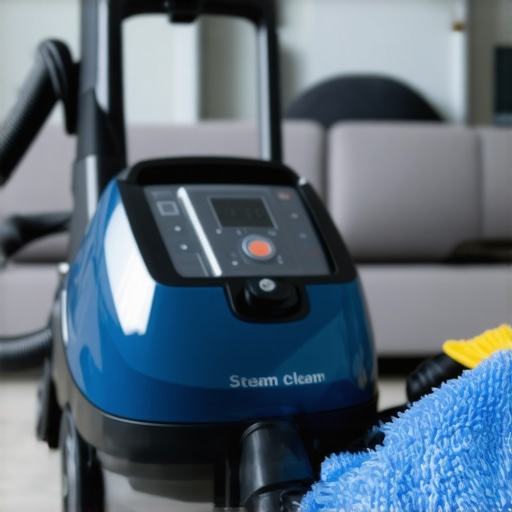
To maintain a pristine home, especially after tough jobs like move-out cleaning or upholstery revival, having the right tools is essential. I personally swear by a high-quality cordless handheld vacuum for quick spot cleans because its maneuverability and powerful suction make it perfect for reaching tight corners and upholstery crevices. Additionally, a commercial-grade steam cleaner, like the Dupray Neat Steam Cleaner, ensures deep sanitation without harsh chemicals, providing peace of mind for families with children or pets. Regularly updating and maintaining these tools prolongs their efficiency, saving you time and money in the long run.
How do I maintain my cleaning equipment over time?
Proper maintenance begins with routine cleaning of your tools. For vacuum filters, I clean or replace them every three to six months, following manufacturer instructions, to prevent loss of suction and ensure optimal air quality. Brushes and nozzles should be cleared of hair and debris after each use—using a pin or small brush. For steam cleaners, descaling is crucial; I recommend using distilled water and descaling solutions every 20 hours of use to prevent mineral buildup, which can impair performance. Lubricating moving parts occasionally and storing equipment in a dry, cool place also extend their lifespan. Staying consistent with these practices guarantees your tools remain effective when needed most.
Best Practices for Tracking Long-Term Results
Maintaining equipment is just one piece of the puzzle. I suggest keeping a cleaning journal to note when filters were changed or parts last serviced. This habit reminds me to stay proactive and prevents surprises during busy cleaning periods. For upholstery, regular professional cleanings every 12-18 months can prevent deep-seated dirt accumulation, prolonging the furniture’s life and appearance. Staying ahead of the dirt cycle helps maintain a fresh, healthy home environment without the stress of last-minute scrambles. For scaling your efforts, consider investing in multi-use tools that adapt to various surfaces, reducing clutter and simplifying routine maintenance.
Tools I Recommend for a Complete Approach
Alongside my trusty steam cleaner, I use a microfiber mop with adjustable pads for different surfaces, which I change based on the task—this versatility minimizes cross-contamination and preserves fabric integrity. For move-out cleanings, specialized extraction vacuums like the Hoover PowerScrub are invaluable, pulling out embedded dirt and pet hair more effectively than standard models. Remember, the effectiveness of your cleaning results hinges on well-maintained tools—using cheap, worn-out equipment only leads to frustration and subpar outcomes. Moose and I also rely on a high-quality upholstery cleaning spray, such as our favorite from the Ultimate Upholstery Care Guide. This targeted treatment ensures fabrics stay fresh and free of stains over time.
Future Trends in Cleaning Technology
As technology advances, I predict smart cleaning gadgets and IoT-integrated vacuum systems will become standard, allowing for routine maintenance alerts and remote diagnostics. Staying informed about these innovations ensures you’re always equipped with the best tools to keep your home spotless without the guesswork or unnecessary labor. Implementing these future-ready tools can streamline your cleaning routine, freeing up more time for what matters most—relaxing and enjoying your beautifully maintained space.
What I Wish I Knew About Deep Cleaning Pet Hair
- Sometimes, I learned the hard way that even premium vacuums can’t tackle embedded pet hair without the right attachments—investing in a motorized brush changed everything for me.
- Prepping the rug by removing surface debris before deep cleaning saves time and prevents equipment clogs, ultimately making the task more manageable.
- Applying a damp microfiber cloth after vacuuming helps lift residual hair trapped within fibers, giving that extra edge to a spotless look.
- Rigid tools and proper techniques aren’t just about appearance—they significantly improve indoor air quality by reducing allergen buildup.
- Consistent maintenance habits, like weekly deep cleans and pet brushing, help prevent stubborn buildup, transforming cleaning from a chore into a simple routine.
My Secrets for a Fur-Free Deep-Pile Rug You Can Trust
- The professional-grade upholstery tools from brands like Bissell and Hoover provide the agitation needed to extract ingrained pet hair effectively—I’ve personally seen the difference.
- Steam cleaners, particularly models like the Dupray Neat, combine chemical-free sanitation with deep brushing power, perfect for families seeking safety and effectiveness.
- High-quality microfiber mops with adjustable pads allow me to adapt to different surfaces, ensuring thorough cleaning without cross-contamination.
- Maintaining my equipment by cleaning filters, descaling, and proper storage ensures consistent performance and durability over time.
Embrace the Change and Reclaim Your Space
Transforming your deep-pile rug into a pristine, pet-hair-free sanctuary isn’t just about aesthetics—it’s about creating a healthier, more comfortable environment for your family and furry friends. Trust me, once you discover these personalized strategies, cleaning becomes less of a burden and more of a satisfaction. Dive into this new approach, and enjoy the reward of a truly clean home every day.
What unique tips or tools have you found effective in removing pet hair from your deep-pile rugs? Share your experience below!
}