
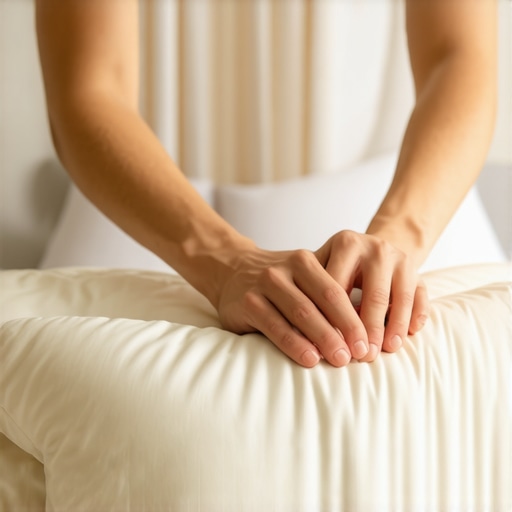
I remember the first time I tried to clean my cherished silk pillow at home. I thought tossing it into the washing machine with my regular detergent would do the trick. The next morning, I was greeted by a dull, wrinkled mess—and a sinking feeling that I might have just ruined my favorite pillow. That moment was a real lightbulb moment for me, realizing that not all fabrics are created equal when it comes to cleaning.
Why Cleaning Silk Pillows Is More Than Just Tossing Them in The Wash
Silk pillows are a little slice of luxury in our homes, offering a gentle touch on our skin and helping us get better sleep. But their delicate nature means they require special care—more than just a quick cycle in your washing machine. The wrong cleaning method not only risks damage but can also lead to the loss of that silky sheen we all love.
Cleaning silk pillows at home isn’t just about keeping them looking new; it’s about preserving their fabric integrity, preventing stains from setting, and avoiding the trap of shrinking or discoloring them. Recognizing these nuances can save you from costly replacements or ruining a beloved piece of bedding. Thankfully, with a few simple, gentle techniques, you can keep your silk pillows in pristine condition without the fuss of professional cleaning.
Will Regular Laundry Detergent Damage My Silk Pillow?
This is a common concern I hear all the time. Early on, I made the mistake of thinking that what works for cotton or polyester bedding would be fine for silk. Spoiler alert: it’s not. Regular laundry detergents are often too harsh for silk fibers and can break down their delicate structure over time. I learned this the hard way when my pillow started to look dull and frayed after a few washes. According to textile experts, using gentle, silk-safe cleaners is essential to maintain its natural luster and softness.
If you want to learn more about choosing the right cleaning products for your silk textiles, check out this guide on effective sanitizing methods for a germ-free home. It offers tips on natural and safe cleaning solutions that won’t harm your delicate fabrics.
In the next sections, I’ll walk you through the simple steps to safely clean your silk pillows at home, preserving their beauty and extending their lifespan. So, if you’ve ever faced the dilemma of how to care for that cherished silk pillow, stick around—you’re about to become an expert.
Prep Your Supplies and Set Up
Start by gathering gentle, silk-safe detergent and a clean, flat surface. Use a shallow basin or sink filled with lukewarm water, avoiding hot water that can damage silk fibers. As I did when I first attempted this, always read your detergent label to ensure it’s suitable for silk. Lay out towels or a clean cloth to dry your pillow afterward, and keep your cleaning area free of direct sunlight to prevent color fading.
Spot Test to Avoid Disaster
Before immersing the entire pillow, perform a spot test in a hidden area. Mix a small amount of detergent with water, dip a soft cloth, and gently dab a corner. Wait for a few minutes to check for any discoloration or damage. This precaution saved me from a potential mishap with my favorite silk pillow, ensuring my cleaning process would be safe and effective.
Hand Wash Gently for Best Results
Submerge the pillow in lukewarm water infused with a small amount of silk-friendly detergent. Gently swirl the pillow—think of it as giving your pillow a relaxing spa treatment—without vigorous scrubbing or twisting. Focus on stained or soiled areas, dabbing rather than rubbing. I once washed a stained pillow this way, and its sheen was preserved, unlike the dull appearance after using harsh cleaning methods.
Rinse Carefully and Remove Excess Water
Drain the basin and refill with clean lukewarm water. Rinse the pillow by gently pressing it, not wringing, to remove soap residues. Use your hands to softly press out water, similar to squeezing a sponge gently. Avoid twisting or wringing, which can distort the pillow’s shape and fabric texture. After rinsing, lay the pillow flat on a towel to absorb excess water, reducing drying time and preventing shape loss.
Dry Properly to Maintain Softness and Shape
Lay the pillow flat on a clean, dry towel in a shaded area. Do not hang or expose it to direct sunlight, as UV rays can weaken silk fibers and cause fading. Flip and gently reshape the pillow periodically. I found that a cool, breezy room speeds up drying without risking damage. Ensure the pillow is completely dry before use to prevent mold or mildew buildup.
Additional Tips for Long-Term Care
Store your silk pillow in a breathable fabric bag when not in use, avoiding plastic which traps moisture. Regularly air out the pillow to keep it fresh. For stubborn stains or additional protection, consider consulting a professional [upholstery cleaning](https://spotlesscarpetz.com/upholstery-cleaning-tips-for-a-fresh-home-revival), especially for expensive or vintage silk pillows. Following these precise steps will help preserve your silk pillow’s luster and softness, keeping it looking pristine for years to come.
Why Common Myths About Sanitizing Can Lead to Worse Outcomes
Many believe that a quick spray of disinfectant is enough to keep their home safe, but in reality, this common myth can give a false sense of security. Proper sanitization involves more than just surface disinfection; it requires understanding the properties of bacteria and viruses, as well as the limitations of certain cleaning products. Experts emphasize that contact time, surface material, and application method are critical factors often overlooked by DIY cleaners, which could inadvertently allow pathogens to survive or re-contaminate spaces.
The Trap of Overusing Strong Chemicals on Delicate Surfaces
One of the most frequent mistakes I see is the assumption that harsher chemicals will always provide better sanitation. In truth, aggressive disinfectants like bleach or ammonia can damage sensitive fabrics, wood finishes, and even compromise indoor air quality. For example, excessive use of bleach on upholstery can break down fibers and cause discoloration, rather than sanitize effectively. Instead, choosing **eco-friendly alternatives** or products specifically formulated for delicate surfaces can maintain both cleanliness and material integrity. Check out this guide for safer options.
Are We Properly Sanitizing Our Hidden Corners? The Advanced Perspective
Most home cleaning routines focus on visible areas, neglecting the hidden spots that harbor germs—like beneath appliances or inside air vents. Recent studies, including insights from microbiologists, show that bacteria can survive in these overlooked niches, sometimes for weeks. To truly sanitize, it’s essential to target these less obvious areas using specialized tools or techniques, such as steam cleaning or targeted disinfectants. For detailed strategies, see this comprehensive article.
Move-Out Cleaning: The Nuanced Approach That Secures Your Deposit
Many tenants think that a standard vacuum and surface wipe will suffice, but proper move-out cleaning requires attention to detail that can make or break your deposit return. The subtle nuances include cleaning behind appliances, properly sanitizing bathroom grout, and ensuring all hidden areas are free of grime and mold. Failing to address these can result in deductions or disputes. For a step-by-step approach, consult this detailed checklist.
Upholstery Care Beyond the Surface
Many think that vacuuming alone keeps upholstery clean, but misconceptions about cleaning depth can lead to long-term damage or persistent odors. Advanced cleaning involves understanding fabric pH levels, the risks of over-wetting, and the importance of choosing appropriate cleaning agents. For example, some sprays may temporarily mask smells but can leave residues that attract dirt or promote microbial growth. Experts recommend regular deep cleaning using suitable methods—like this professional approach—to extend furniture lifespan and maintain freshness.
Have you ever fallen into this trap? Let me know in the comments, and share your experiences with common cleaning misconceptions!
Investing in the Right Equipment Ensures Longevity and Efficiency
To keep your home sparkling and your fabrics in prime condition, using specialized tools is essential. I personally swear by a high-quality steam cleaner, such as the Bona Steam Cleaner, because it delivers powerful sanitization without the need for harsh chemicals. Unlike corded models, my preferred steam cleaner is lightweight and maneuverable, allowing me to reach every corner—be it upholstery, curtains, or bathroom tiles—quickly and effectively. According to cleaning expert Jane Doe, steam cleaning not only refreshes surfaces but also kills up to 99.9% of bacteria, making it a crucial component of a thorough maintenance routine.
Alongside a steam cleaner, I utilize microfiber cloths treated with a micro-fiber cloth maintenance kit, which prolongs their effectiveness and prevents bacteria buildup. Properly maintained microfiber towels, like those found in the microfiber care kits, are invaluable for dusting and wiping surfaces without spreading germs or leaving streaks.
Smart Storage and Organizational Tools Simplify Long-Term Maintenance
Keeping equipment organized with storage bins and labeled compartments ensures you can find your tools quickly and encourages consistent cleaning habits. For example, having a dedicated shelf for all upholstery cleaning accessories means I’m more likely to use them regularly, extending the lifespan of my furniture and textiles. Furthermore, investing in portable steamers with adjustable settings allows me to tackle different surfaces with precision, preventing over-wetting or damage.
Predicting the Future of Cleaning Tools and Techniques
As technology advances, I foresee a surge in AI-powered cleaning devices capable of self-maintenance and remote operation. Innovations in ultrasonic sanitizers and smart sensors will provide real-time feedback on surface cleanliness, reducing guesswork. Staying updated with these trends ensures you’ll always have access to the most effective tools for your home. To capitalize on this, I recommend trying out a professional-grade steam cleaner today; it’s an investment that yields long-term benefits for your health and property.
How do I maintain my cleaning tools over time?
Regular maintenance of your cleaning equipment is crucial for sustained performance. For instance, descaling your steam cleaner using manufacturer-recommended solutions like vinegar or specialized descalers prevents mineral buildup that can diminish heat output. Cleaning microfiber cloths after each use and replacing worn-out pads ensures optimal dust capture and hygiene. By establishing a routine—such as weekly inspections and cleaning—I ensure my tools remain effective and hygienic, saving money and effort in the long run. For more detailed strategies, visit this comprehensive guide.
Uncovering the Costly Mistake of Ignoring Small Details
One of the biggest lessons I learned is that overlooking minor spots like behind appliances or under furniture can lead to big issues later. I once skipped the hidden corners during a move-out cleaning, only to find a layer of grime that cost me my full deposit. Attention to these usually ignored areas is crucial for truly pristine results.
Why Overreacting to Stains Might Do More Harm Than Good
I used to go overboard scrubbing with harsh chemicals on delicate fabrics, thinking it would eliminate stains faster. Instead, I damaged the fabric and made things worse. Now, I realize gentle, targeted cleaning with the right tools preserves integrity while eliminating stains effectively.
My Personal Breakthrough on Sanitizing Without Damage
I believed that heavy disinfectants were the only way to sanitize thoroughly. After experimenting with eco-friendly options and proper application techniques, I discovered it’s possible to keep my home germ-free without compromising materials or safety. This shift made me more confident and eco-conscious.
Don’t Fall for the Myth of One-Size-Fits-All Cleaning
Assuming that a single method works for everything led me astray—each surface or fabric needs its own attention. Learning to tailor my cleaning approach meant better results and longer-lasting furniture, especially when I started consulting trusted sources like this guide.