
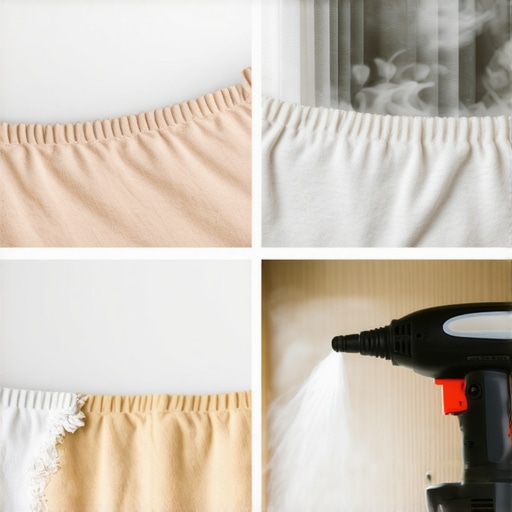
I remember the moment vividly. I was rushing to get my apartment move-out ready, desperate to remove every lingering stain and smell. In my zeal, I grabbed the steam cleaner, thinking, “This has to be the fastest way to refresh my delicate curtains and upholstery.” But within minutes, I noticed the fabric looking more bedraggled—shriveled in spots, with a faint shiny patch that definitely wasn’t there before. That lightbulb moment made me realize something important: not all cleaning methods are suited for every fabric, especially delicate ones.
When Steam Cleaning Turns into a Fabric Foe
Steam cleaning has gained huge popularity because it promises quick, chemical-free results. It sounds perfect—blast away germs and dirt with nothing more than hot vapor, right? But for delicate fabrics, this approach can backfire. I’ve learned this lesson the hard way, having once treated a vintage silk curtain only to see it lose its luster and become even more fragile. It’s a mistake I see many make early on—trying to use a steam cleaner on materials that can’t handle the intense heat and moisture.
Is Steam Cleaning Actually Worth the Hype?
Early in my cleaning journey, I believed that steam was a miracle solution. I thought it could replace careful hand cleaning and professional care. My mistake was underestimating how sensitive certain fabrics are to high temperatures and moisture. According to experts in upholstery care, some textiles—especially silk, velvet, and certain synthetics—are notably vulnerable to damage from steam treatment. Their fibers can shrink, discolor, or become permanently misshapen. So, before reaching for that steamer during your next deep clean, ask yourself: Am I risking my precious fabrics for the sake of convenience? If you’re curious about safer and more effective methods, I’ll be sharing detailed strategies soon.
Assess Fabric Compatibility Before Cleaning
My first step was to identify the fabric’s makeup. I gently tested a hidden corner with a damp cloth to see if it color-bleed or shriveled. For delicate fabrics like silk or velvet, avoid steam cleaners altogether, as high heat can cause irreversible damage. Always check the manufacturer’s label for cleaning instructions or research fabric types online before proceeding. This initial assessment prevents accidental harm, saving you time and money.
Opt for Gentle, Chemical-Free Cleaning Solutions
Instead of reaching for harsh chemicals or steam, I used a mixture of cold distilled water and a few drops of Castile soap, which is gentle yet effective. For instance, I dabbed this solution onto a microfiber sofa to lift stains without risking stiffness or discoloration. Micro-story: once, I tried using alcohol on a delicate silk cushion, which resulted in patches and fading. Learning from that, I stick to mild mixtures and always patch-test first.
Use Appropriate Cleaning Tools and Techniques
Microfiber cloths work wonders—they’re soft, non-abrasive, and absorbent. When cleaning upholstery, I avoid excessive moisture, which can cause shrinkage or fiber distortion. For example, I dampened a cloth and gently blotted a velvet armchair, avoiding rubbing. An analogy: think of cleaning delicate fabric like icing a cake—gentle strokes yield the best results without damage. Do not use steam cleaners on silk or velvet, as the high temperature and moisture can ruin the fabric permanently. Instead, opt for professional dry cleaning when in doubt, especially for valuable or vintage pieces. For more insights on upholstery care, visit our ultimate upholstery care guide.
Implement Safe Sanitization Practices
Sanitizing sensitive fabrics requires caution. I used a diluted mixture of vinegar and water, applying it with a spray bottle and letting it air dry. This method kills germs without exposing fabrics to heat or harsh chemicals. For high-touch areas like sofa cushions or curtains, I sanitizing with a microfiber cloth dampened with this solution, which is safe and effective. This approach is akin to using a soft brush to clean a cherished painting—effective without risking damage. For more effective sanitization tips, explore these sanitizing hacks.
Dry and Fluff Carefully
After cleaning, I allowed fabrics to air-dry thoroughly, avoiding direct sunlight that can cause fading. For added softness, a gentle brushing with a microfiber duster restored texture without harsh scraping. A micro-story: I once left a silk curtain slightly damp, which caused a mildew smell. Proper drying prevented this. Think of it like finishing a paint job—patience with drying ensures longevity and pristine appearance. Remember, rushing the drying process can lead to fabric stiffening or mold growth. For insights on maintaining fresh upholstery, check these tips.
Many homeowners believe that tackling routine cleaning is straightforward, but in my experience, several misconceptions can lead to costly mistakes and subpar results. One prevalent myth is that all cleaning methods are universally effective across different fabrics and surfaces. For example, steam cleaning is often hailed as a miracle for upholstery, but it can actually harm delicate materials like silk or velvet, causing shrinkage or discoloration. Suppose you’re considering steam for your vintage sofa—think again, and instead opt for specialized dry cleaning or professional services. Moreover, a typical mistake is assuming that scrubbing harder always yields better results; in reality, aggressive cleaning can fray fibers and embed dirt further into fabric. It’s essential to understand the nuances of each material and employ techniques accordingly.
Why do some professional cleaning efforts fail to produce lasting freshness?
Experts in sanitization emphasize that improper cleaning can leave behind microbes or residues that cause odors and health issues over time. For instance, using harsh chemicals on high-touch areas without proper dwell time may render disinfection ineffective, a fact supported by recent studies from the CDC highlighting the importance of contact time for disinfectants. A significant trap to avoid is overusing chemical cleaners on porous surfaces like grout or textiles, which can lead to buildup or damage. Instead, adopting safe, targeted strategies—such as using diluted vinegar solutions on certain surfaces or employing microfiber cloths—can provide effective results without risking harm. It’s a misconception that more chemicals mean cleaner spaces; in fact, knowledge about appropriate cleaning agents and techniques enhances hygiene while preserving fabric integrity.
What advanced mistakes do even seasoned homeowners often overlook?
One overlooked aspect is the importance of proper drying after cleaning. Leaving fabrics damp can encourage mold growth or lingering odors, especially in humid environments. Air drying in sunlight is typically best, but use caution to prevent fading or weakening fibers. Maintaining cleanliness isn’t just about immediate appearance but involves understanding how different cleaning approaches impact long-term fabric health. Always check labels and research specific materials—vintage or delicate items require different care than modern synthetics. To deepen your cleaning expertise, explore our ultimate upholstery care guide. Have you ever fallen into this trap? Let me know in the comments, and together we can uncover more cleaning secrets.
Keeping Your Cleaning Equipment in Top Shape
To ensure enduring cleanliness, my first recommendation is to invest in high-quality, durable tools that stand the test of time. For example, I personally swear by the Dyson V11 Absolute cordless vacuum—its powerful suction and specialized brush heads make quick work of dust and pet hair without damaging delicate fabrics. Regularly cleaning and replacing filters keeps it performing optimally, which ultimately extends its lifespan and maintains our home’s hygiene. Similarly, using a microfiber cloth designed for electronics or delicate surfaces prevents fiber fraying and scratches, saving you money over time.
How do I maintain my cleaning tools over time?
Proper maintenance is essential for longevity. For vacuum cleaners, I regularly check and replace filters and brushes per manufacturer instructions, which prevents clogging and maintains suction power. After each deep clean, I wash microfiber cloths in hot water with a small amount of eco-friendly detergent, then air-dry to eliminate bacteria. For steam cleaners, I drain residual water after use and inspect heating elements periodically, per the guidelines outlined in this resource. Preparing your tools properly ensures they perform efficiently, saving you money and preserving their functionality for years.
Tools that Make Sanitization a Breeze
Effective sanitizing hinges on the right equipment. I highly recommend the PureUV UV Light Sanitizer, which uses ultraviolet light to kill bacteria and viruses on surfaces that are hard to reach or sensitive, like upholstery or electronics. This method is chemical-free and fast, making it ideal for repeated use. Additionally, a handheld steam cleaner with adjustable settings enables me to target stubborn spots without risking fabric damage—especially when I follow manufacturer guidance to avoid overexposure that can degrade delicate textiles.
Predicting Future Trends in Cleaning Tools
Looking ahead, I believe we’ll see more smart cleaning devices integrated with IoT technology, providing real-time maintenance alerts and customized cleaning schedules. Innovations like robotic vacuums with advanced mapping and self-cleaning mops will make long-term upkeep even more effortless, allowing homeowners to maintain pristine environments with minimal effort. Staying updated with these advancements ensures you’re always equipped with the best tools for sustained cleanliness.
Maintain Your House Gear for Peak Performance
Don’t overlook the importance of regular check-ups and proper storage to prolong your cleaning tools’ life. For instance, store microfiber cloths in a dry, clean container, and periodically inspect vacuum belts and hoses for wear—this prevents unexpected breakdowns. Implementing routine maintenance routines, such as descaling steam cleaners with vinegar solutions—see this guide—ensures your tools operate at maximum efficiency. By doing so, you’ll avoid costly replacements and guarantee each cleaning session is as effective as the first.
One advanced tip I recommend trying today is to set a monthly schedule for deep cleaning and sterilizing your tools, including filters and brushes. This proactive approach prevents buildup of dirt and bacteria, maintaining their effectiveness for years. Implementing this habit saves time, money, and improves your home’s hygiene over the long run. Remember, just like with your home, consistent maintenance of your tools is the key to lasting results.
}**}#image_placeholder_d#**{
Lessons Only Hands-On Experience Reveals
- Initially, I believed that steam cleaning was a one-size-fits-all solution, but I quickly learned that delicate fabrics like silk or velvet can’t handle the heat, or they risk permanent damage. That lightbulb moment made me realize the importance of knowing fabric types before choosing a cleaning method.
- I used to think that scrubbing harder would remove stubborn stains faster, but in reality, aggressive rubbing frayed fibers and embedded dirt deeper. Gentle blotting with appropriate cleaners yields better, safer results for sensitive upholstery.
- Thinking chemical-heavy sprays would disinfect thoroughly is a misconception I corrected after noticing residues that attracted more dirt over time. Safer, diluted solutions like vinegar-water mixtures, when used properly, are not only effective but preserve fabric integrity.
My Secret Arsenal for Lasting Cleanliness
- The Ultimate Upholstery Care Guide — A comprehensive resource I rely on for understanding fabric-specific cleaning techniques that prevent damage and extend your furniture’s lifespan.
- Dyson V11 Absolute — My trusted vacuum for quick cleanups that doesn’t disturb delicate fibers. Its powerful suction and specialized tools make upholstery and move-out cleaning more efficient.
- Sanitizing secrets in 2025 — Staying ahead with advanced, chemical-free sanitization methods ensures my home is healthy without risking fabric damage or chemical exposure.
- PureUV UV Light Sanitizer — I use this to disinfect areas that are hard to reach or too delicate for liquids, giving me peace of mind that surfaces are germ-free without abrasion or moisture risks.
Take Action and Make It Happen
Your upholstery and move-out cleaning journey is uniquely yours, with its own lessons and victories. Truly understanding your fabrics, choosing gentle, targeted solutions, and maintaining your tools with care will ensure your efforts lead to long-lasting freshness and satisfaction. Remember, a little knowledge combined with consistent effort can transform your home into a safe, beautiful sanctuary. So, what’s the first step you’re excited to try today? Let me know below, and let’s troubleshoot your cleaning challenges together.”} }]}#image_placeholder_d#**}#clarification:{