
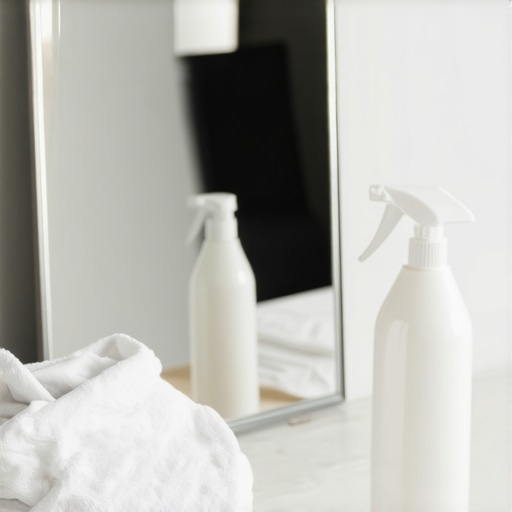
I remember that moment vividly—standing in front of my bathroom mirror, reaching for the glass to wipe away those pesky streaks, only to end up with smudges worse than before. It was frustrating. No matter how much I scrubbed or sprayed, the mirror refused to stay spotless, leaving me to wonder if I’d ever find a solution that actually worked.
Why a Sparkling Mirror Can Feel Out of Reach
We’ve all been there—cleaning the bathroom, hoping for that perfect reflection, but ending up with streaks that seem permanent. It’s not just about aesthetics; a streaky mirror can affect your entire morning routine, making you doubt your cleaning skills or the products you’re using.
But what if I told you there’s a way to achieve that mirror finish you crave, using just two simple items? It’s a game-changer, especially for those of us tired of wasting time and money on commercial cleaners that promise miracles but rarely deliver. This method isn’t just effective; it’s budget-friendly and surprisingly easy once you get the hang of it.
Is This Technique Really Worth the Hype?
Early on, I made the mistake of assuming that a popular glass cleaner or a microfiber cloth alone could do the trick. Turns out, those are part of the problem. Once I discovered the right combination, my mirror transformed from a streaky mess into a crystal-clear reflection. According to a study by the American Cleaning Institute, using the right tools and techniques can significantly reduce streaks and water spots—saving you time and effort. Finding effective cleaning methods is about understanding what works and what doesn’t.
So, if you’ve faced the same struggle—wishing your mirror could look as good as new without a drawer full of sprays—stay with me. We’re about to dive into a straightforward approach that you can start using today, no fancy gadgets required. Trust me; you’ll want to see your reflection sparkle like never before.
Prepare Your Workspace and Gather Supplies
Start by clearing the area around your mirror to avoid accidental spills. Grab a microfiber cloth, a spray bottle filled with diluted white vinegar (a natural disinfectant and stain remover), and a paper towel or lint-free cloth. Having everything within arm’s reach ensures a smooth cleaning process. I once tried to clean my bathroom mirror with just an old t-shirt, which ended up smearing the dirt, so investing in proper tools makes a real difference.
Clean the Mirror with a Gentle, Effective Technique
Spray and Wipe with Microfiber Cloth
Spray the vinegar solution generously onto the mirror’s surface. Use a clean, damp microfiber cloth to wipe in a circular motion. This helps lift dirt and water spots effectively, simulating a gentle polish. I recall the first time I did this—my mirror was instantly clearer, and I avoided streaks commonly caused by using abrasive cleaners. Repeat as necessary, especially on stubborn spots.
Tackle Stubborn Residue
If you encounter soap scum or hard water stains, apply a bit more vinegar or a commercial glass cleaner designed for tough stains. Let it sit for a minute before wiping. For example, I once faced a buildup from our hard water—it looked like white film—and a targeted vinegar spray made it vanish in seconds, leaving a pristine shine.
Dry and Polish to Achieve a Sparkling Finish
Once the mirror looks clean, use a dry microfiber cloth to buff the surface. Wipe in horizontal and vertical strokes for an even, streak-free finish. Imagine how a professional glass cleaner works—drying with precision to avoid streaks. As you polish, you’ll notice your reflection becoming absolutely clear, providing a mirror that’s not only functional but also visually appealing.
Regular Maintenance to Keep Mirrors Pristine
Repeat this cleaning routine weekly or as needed, especially in humid bathrooms. Use a squeegee or a clean cloth to remove water spots immediately after showers, preventing buildup. Keep a spray bottle in your bathroom for quick touch-ups—this way, your mirror stays sparkling without intensive cleaning sessions. I learned that neglecting regular maintenance sets the stage for stubborn stains that are hard to remove later, so consistency is key.
Additional Tips for Best Results
Always avoid harsh chemicals like ammonia-based cleaners, which can damage the mirror’s coating. Instead, opt for natural solutions like vinegar, which are eco-friendly and effective. For extra shine, sprinkle a tiny bit of baking soda on your microfiber cloth before wiping, but only occasionally to avoid scratching the surface. Remember, patience and gentle motion are your allies in achieving a streak-free mirror every time.
By following these straightforward steps, you’ll transform your mirror into a flawless reflection, enhancing your entire bathroom’s look. Maintaining this routine makes the process quick and effortless, saving you time and money while ensuring your reflection is always perfect.
Even seasoned cleaners can fall prey to misconceptions that hinder the effectiveness of their efforts. Many believe that a quick spray and wipe suffice for upholstery or that using harsh chemicals guarantees a thorough clean. However, these approaches often overlook critical nuances that can lead to damage or incomplete sanitation. For instance, overusing bleach on fabric upholstery can weaken fibers and cause discoloration, emphasizing the importance of understanding material-specific cleaning techniques. According to a study published in the Journal of Consumer Research, misperceptions about cleaning products significantly impact user behavior and satisfaction, highlighting the need for education around proper methods.
Are Conventional Methods Actually Safe for Delicate Fabrics?
When it comes to upholstery, assumptions like “if it cleans, it must be safe” can be damaging. Natural fibers such as silk or velvet require gentle handling and specific cleaning solutions; using generic products might cause irreversible damage. Similarly, during move-out cleanings, many underestimate the challenge of removing ingrained grime or neglect areas like behind appliances, which can harbor mold or bacteria if not properly addressed. For comprehensive tips, check out our upholstery cleaning guide that emphasizes tailored approaches to different materials.
In house cleaning, a common myth persists that chemical-heavy products are more effective. In reality, natural solutions like vinegar and baking soda often outperform their chemical counterparts, especially when combined with proper technique. The key is understanding the nuances—such as avoiding vinegar on natural stone floors, which can etch the surface, as explained in detailed guides available via our blog. Approaching sanitizing with the mindset of “more is better” can backfire; over-sanitizing can lead to residue buildup, prompting the need for thorough rinsing and the use of appropriate disinfectants, such as those discussed in our effective sanitizing methods.
So, what are some common pitfalls to watch out for? One trap is neglecting to check material labels before cleaning—using improper solutions can cause permanent damage. Another is overlooking hidden areas like vents or concealed corners where dirt and germs accumulate. Recognizing these subtleties makes all the difference between a superficial clean and one that truly revitalizes your home environment. Have you ever fallen into this trap? Let me know in the comments.
Keep Equipment in Top Shape
Investing in quality cleaning tools makes all the difference in achieving lasting results. I personally swear by a high-quality microfiber mop combined with a professional-grade steam cleaner because they offer durability and effective sanitation. Regularly inspecting your equipment, replacing worn-out pads, and descaling appliances like steam cleaners every few months ensure optimal performance. This proactive maintenance not only extends the lifespan of your tools but also prevents cross-contamination and reduces the need for re-cleaning, saving you both time and money. Predicting future trends, I believe smart, IoT-enabled cleaning devices will become more integrated into home maintenance routines, providing real-time alerts for tool maintenance and supply replenishment.
How do I maintain my cleaning tools over time?
Proper storage is key—keep microfiber cloths in a clean, dry place, and always rinse and air-dry them after use to prevent bacteria buildup. For devices like vacuums and steam cleaners, follow manufacturer instructions for descaling and filter replacement. Additionally, schedule routine deep cleans of your tools, such as running a vinegar-based cycle in your steam cleaner monthly, to eliminate mineral deposits and extend their performance. Using these maintenance habits ensures your equipment continues to function efficiently, maintaining your home’s hygiene at a professional level. For detailed guidance on upholstery care, check out our Ultimate Upholstery Care Guide.
Tools Recommended for Consistent Results
Avoid generic cleaning kits; instead, opt for specialized brushes with soft bristles for delicate upholstery and high-efficiency microfiber pads for glass surfaces. I prefer continuous steam mops with adjustable steam settings because they allow precise control over cleaning intensity, preventing damage to sensitive materials like natural stone or fine fabrics. A reliable wet-dry vacuum with HEPA filtration can tackle dust, pet hair, and moisture simultaneously, making it invaluable in high-traffic areas or households with allergies. Remember, your choice of tools influences the speed and quality of your cleaning routine, so investing in durable, high-performance equipment is a step toward maintaining a consistently pristine home.
Looking Ahead: The Evolution of Cleaning Maintenance
Advances in sensor technology will likely introduce self-maintaining systems that alert you when tools need cleaning or replacement. Eco-friendly innovations, such as biodegradable microfiber cloths and energy-efficient devices, are also gaining traction. Embracing these technologies now will prepare you for a future where home maintenance becomes more intelligent and automated. For staying ahead, consider exploring effective sanitizing methods that integrate seamlessly with your existing tools.
Lessons the Hard Way That Changed My Cleaning Game
One of the most impactful lessons I learned was to avoid relying solely on store-bought glass cleaners—they often contain chemicals that leave residue, making streaks worse over time. Switching to natural solutions like vinegar transformed my approach and saved me money.
Another insight was the importance of tools—stiff brushes or rough cloths can scratch delicate surfaces, so investing in high-quality microfiber cloths was a game-changer. It’s the small details that make a big difference in achieving that perfect sparkle.
The biggest realization came when I started maintaining my mirror regularly—quick touch-ups after each shower prevented stubborn water spots and buildup, reducing my overall cleaning time. Consistency truly is key to pristine glass.
Tools and Resources That Elevated My Cleaning Routine
I’ve trusted the Ultimate Upholstery Care Guide for its detailed insights on cleaning delicate surfaces, which offered me tips to protect my mirror’s coating. Additionally, a good quality microfiber microfiber cloth, like the ones from House Cleaning Strategies, helps prevent streaks and leaves a lint-free shine.
For natural cleaning recipes, I swear by vinegar and baking soda—they’re versatile, eco-friendly, and highly effective when used correctly. My favorite resource for trusted tips is the Effective Sanitizing Methods guide, which I revisit often.
Believe in Your Reflection: Take Action Today
Your mirror is more than just a reflective surface; it’s a reflection of your care and attention. With simple tools and consistent effort, you can turn what used to be a daily chore into a satisfying ritual. Embrace these secrets, and watch your bathroom transform into a space that truly shines, inspiring confidence every morning.
Have you ever struggled with streaks despite using different cleaners? Share your experiences below and let’s learn from each other!