
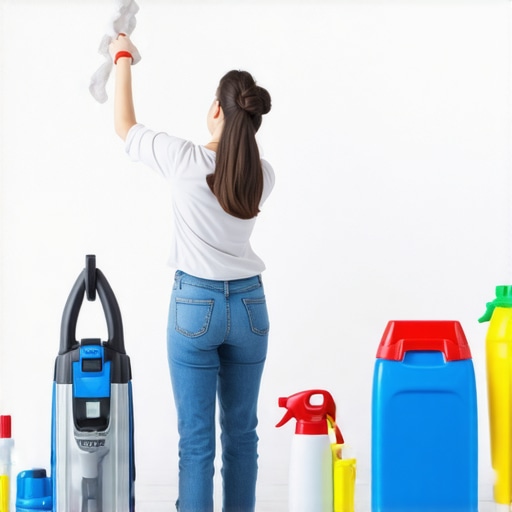
It was a moment of quiet horror. I had just finished what I thought was a thorough move-out cleaning, stepping back to admire my handiwork. Then I noticed it—not dust, not dirt, but a faint, overlooked layer of grime coating the walls behind the bookshelf. It hit me: I’d overlooked the most invisible, yet impactful detail in my cleaning routine. That tiny, dusty film could have cost me my security deposit! This lightbulb moment taught me a valuable lesson: never underestimate the importance of dusting your walls before a move-out clean.
The Hidden Enemy in Your Next Move
Walls often become the forgotten battleground when it comes to cleaning before leaving a rental. Most of us focus on appliances, floors, and visible surfaces, assuming the walls are too tedious or insignificant. But in reality, dust and grime accumulate in places we rarely pay attention to, turning your pristine-looking home into a silent offender during inspections. Believe me, I’ve been there—and paid the price. Properly dusting your walls isn’t just about cleanliness; it’s about safeguarding your deposit and ensuring a smooth transition to your next home.
Is Wall Dust Really Worth the Hype?
Initially, I thought dust on the walls was a minor detail, a “nice-to-have” rather than a must-do. That was my mistake. According to experts, even tiny residues can cause a property manager to deduct from your deposit, especially if the walls are textured or painted with matte finishes that trap grime more readily. Early on, I made the mistake of skipping this step altogether, thinking I could save time. But as I learned, the extra ten minutes of wall dusting could save you hundreds—and a headache—at the end of your lease.
Now, I make it a point to include wall dusting in my daily routine and especially before moving out. This simple act keeps your walls looking fresh and makes the final inspection a breeze. Ready to learn how to master this underrated cleaning step? Let’s delve into the why and how to make your move-out clean truly stand out.
Prepare Your Tools for Wall Dusting
Gather a high-quality microfiber dusting cloth, a step ladder if needed, and a gentle, all-purpose cleaner or plain water. Microfiber cloths trap dust better than feather dusters or sponges, reducing mess and improving efficiency. Imagine trying to wipe a chalkboard with a sponge; microfiber acts like a magnet for dust, making your task easier and faster.
Assess Wall Types and Prepare Accordingly
Identify your wall finishes—flat, matte, semi-gloss, or textured. Flat or matte paints trap dust more readily and require a softer touch. For textured walls, use a soft-bristled brush attachment on your vacuum or a dry microfiber cloth to avoid damaging the surface. This step is akin to choosing the right brush for delicate artwork—you need the correct tool to prevent damage and ensure thorough cleaning.
Start from Top and Work Down
Climb your ladder safely and dust from the ceiling corners downward in a gentle, sweeping motion. This prevents re-contaminating cleaned areas below. Think of this as painting a wall—always work from top to bottom to catch drips and dust fallout, saving you from re-cleaning already done sections.
Target Hidden Dust and Corners
Use a lightly damp microfiber cloth to reach behind fixtures or in corners where dust tends to settle unnoticed. For stubborn grime, lightly spray your cloth with a mixture of water and a few drops of mild detergent, then wipe. If your walls have scuff marks or stubborn spots, refer to this guide for effective removal without repainting efforts. Addressing these areas removes the invisible film that can cause inspections to flag your cleanliness.
Don’t Forget the Details
Carefully dust around light switches, outlets, and picture frames. Use a small brush or a cotton swab dipped lightly in water to reach tight spots. These details are the finishing touches that can make your move-out clean look professionally done and exceed expectations. Remember, meticulousness here can mean the difference between getting your full deposit or losing part of it.
Inspect and Finalize
Step back and visually inspect your walls. Use a flashlight held at an angle to catch any missed dust or smudges. Address any spots you missed. This step is similar to a painter stepping back to evaluate their work—small adjustments here ensure perfection.
Share Your Wall Care Tips and Tricks
During my first attempt, I underestimated wall dusting, leading to a minor deduction on my move-out inspection. But once I adopted this systematic approach, my walls looked spotless, and I secured my deposit without issues. Plus, I noticed that these steps saved time and effort in the long run. For ongoing home maintenance, incorporate wall dusting into your daily routine, ensuring your walls stay clean with less work over time. Properly maintained walls not only look better but also contribute to a healthier indoor environment, reducing allergens and dust buildup.
Many homeowners fall for misconceptions about upholstery and house cleaning, often leading to costly mistakes or subpar results. One common myth is that regular soap and water suffice for all fabrics; however, different materials require tailored cleaning strategies. For instance, natural fiber upholstery benefits from gentle cleaning, while synthetic fabrics might withstand more aggressive methods. Ignoring the specific cleaning requirements can cause damage or permanent staining. It’s also a mistake to believe that deep cleaning is unnecessary if furniture looks clean—dust and allergens can lurk beneath the surface, impacting indoor air quality. Professionals recommend periodic upholstery-specific treatments, such as those detailed in the ultimate upholstery care guide, to maintain fabric integrity and enhance longevity. An advanced nuance many overlook is the impact of improper drying techniques; leaving moisture trapped in cushions can promote mold growth and fabric deterioration. Always ensure fabrics are thoroughly and appropriately dried after cleaning. Moreover, there’s a widespread myth that sanitizing is only needed during a pandemic; in reality, regular sanitization prevents germ buildup, especially in high-touch areas, as supported by studies from health authorities. For move-out situations, many underestimate the importance of sanitizing vents, baseboards, and behind furniture—these are often overlooked but crucial in achieving a truly clean environment. Avoid falling into typical traps like overusing harsh chemicals, which can weaken fabric fibers, or neglecting detailed cleaning of hidden spots. Instead, follow expert strategies laid out in guides like sanitizing hacks for safe house transitions to ensure every corner is addressed without damage. Remember, a common mistake is to skip professional advice entirely, assuming DIY is sufficient—yet, special fabrics and stains often demand specialized care. To stay ahead, regularly update your knowledge with industry tips and avoid the pitfalls that can turn a simple clean into a costly mistake. Have you ever fallen into this trap? Let me know in the comments and share your experiences so others can learn.Maintaining a spotless home over time requires more than just occasional effort; it demands the right tools and consistent techniques. Personally, I’ve found that investing in high-quality equipment not only saves me time but also ensures a more thorough clean that withstands the test of time. For upholstery and house cleaning, a versatile steam cleaner like the Dupray Neat Steam Cleaner has become my go-to. Its ability to disinfect surfaces without harsh chemicals aligns with the trend towards eco-friendly cleaning methods, and I predict this will become the standard as consumers seek safer, sustainable options.
How do I keep my tools effective over the years?
Regular maintenance is crucial. For example, after each session, I rinse out the microfiber pads and brushes, avoiding buildup that can compromise cleaning performance. If you’re using chemical cleaners, always store them in a cool, dry place and check expiration dates to prevent degradation. For larger equipment like vacuums or polishers, scheduling annual professional servicing helps keep them running at peak efficiency, preventing costly breakdowns. Choosing reliable brands and reading user reviews can guide you toward durable, long-lasting tools. Additionally, integrating smart technology like app-controlled vacuums allows for scheduled cleaning routines, promoting consistency and thoroughness. In the future, I see automation playing an even greater role in maintaining cleanliness, with AI-powered devices adapting to your home’s specific needs. Incorporating these tools into your routine, along with proper upkeep, can dramatically improve your home’s longevity and hygiene. For detailed guidelines on maintaining your cleaning arsenal, visit our daily routine tips.
Shocking Truths I Discovered About House Cleaning
The first time I skipped meticulous wall dusting, I thought it was a minor oversight—until a landlord pointed out lingering grime that cost me my entire deposit. That wake-up call taught me that even invisible dust can have visible consequences, especially in move-out scenarios. Realizing this, I learned that attention to detail isn’t just about cleanliness—it’s about protecting your financial interests and reputation.
The Move-Out Secrets Most People Fail To Grasp
Initially, I believed vacuuming and wiping surfaces sufficed, but professional insights revealed that overlooked spots like behind appliances and inside vents are prime dirt hubs. These areas impact the final inspection more than you’d think. Incorporating thorough sanitizing and detailed cleaning, particularly of hidden corners, drastically improves your chances of full deposit recovery. Trust me, this extra effort is worth every minute.
Tools That Keep My Home Sparkling and Ready for Anything
I swear by a microfiber dusting cloth and a versatile steam cleaner—both make my cleaning routine less stressful and more effective. The microfiber cloth traps dust without spreading it around, while steam cleaning disinfects without chemicals. These tools, complemented by specialized guides like the Ultimate Upholstery Care Guide, help preserve fabrics and surfaces, extending their lifespan and maintaining a healthy environment.
Lessons Learned That Changed My Approach
- Never underestimate the power of a thorough wall dusting—it’s the secret to a truly clean home and a secure deposit.
- Investing in quality tools results in cleaner, faster, and safer household routines, saving time and money over the long run.
- Attention to hidden spots and neglected details pays off during move-out inspections, preventing deposits from slipping away.
- Professional advice and targeted resources elevate your cleaning game beyond basic maintenance, ensuring a healthier living space.
Discover Your Next Cleaning Breakthrough
If you’ve been overwhelmed by the thought of a perfect move-out clean or maintaining upholstery, remember that the right tools, tips, and mindset make all the difference. Browse trusted guides and adapt strategies that suit your home’s unique needs. With consistent effort and learned techniques, you can master the art of cleaning and safeguarding your belongings for years to come.
Are there areas you’ve neglected that might be costing you more than just time? Share your experiences below and let’s learn from each other’s cleaning journeys!