
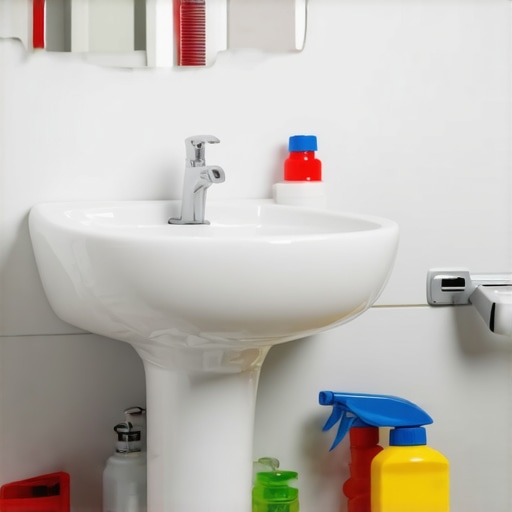
Walking into a new apartment and immediately noticing the faint scent of mold or the stubborn grime lurking in the corners? I remember my first move-in—a moment of excitement quickly overshadowed by a strange, lingering smell in the bathroom. It hit me then—there are often forgotten spots in bathroom prep that can cause more trouble than we realize. These hidden areas can harbor bacteria, mold, or dirt, turning what should be a fresh start into a potential health hazard. Today, I promise to share the insights I’ve gained from personal experience and research, guiding you through the often-overlooked spots that demand your attention before settling into your new home.
Why Overlooking Bathroom Nooks Could Cost You Later
Bathrooms are notorious for being tricky to clean thoroughly. Gaps between tiles, behind the toilet, and under fixtures can serve as breeding grounds for mold and bacteria if neglected. Failing to properly sanitize these areas doesn’t just compromise your home’s cleanliness; it can also lead to respiratory issues or worsen allergies. In fact, the Environmental Protection Agency reports that mold in indoor environments can contribute to respiratory problems, especially for sensitive groups.
One mistake I made early on was ignoring the stubborn buildup around the base of bathroom fixtures. That’s a common oversight, but it’s precisely where bacteria can thrive unnoticed. Regular deep cleaning of these spots can significantly improve air quality and hygiene. For tips on effective bathroom cleaning, check out this comprehensive guide on [effective house cleaning strategies](https://spotlesscarpetz.com/house-cleaning-strategies-for-a-sparkling-home-today). Ace your move-in cleaning by tackling these forgotten zones—you’ll enjoy a safer, fresher space from day one.
Is Skipping These Hidden Spots Really That Dangerous?
It’s a fair question. While some might think spending extra time on overlooked areas isn’t worth it, the reality is quite different. These small, often ignored spaces can hold onto mold spores, soap scum, and bacteria that conventional cleaning misses. I learned this harsh truth the hard way when a small, damp corner behind the toilet turned into a mold problem that required professional remediation. Trust me, what seems like a minor detail now can become a costly issue later.
Before you embark on your cleaning project, consider this: neglecting these spots might compromise your health and the future value of your rental. Remember, proper sanitation isn’t just about appearances; it’s about creating a safe environment. For more detailed advice on sanitizing methods, visit [sanitizing hacks for safe house transitions](https://spotlesscarpetz.com/sanitizing-hacks-for-a-safe-house-transitions), and don’t let overlooked spots turn your new home into a hazard.
Now that we’ve highlighted the importance of addressing these hidden dangers, let’s move into the practical steps to ensure nothing gets left behind in your bathroom cleaning routine. Ready to uncover the secrets for a truly germ-free bathroom? Let’s dive in.
Start with Decluttering and Inspection
Remove any items obstructing areas like behind the toilet or around fixtures. I recall a move where I cleared out the bathroom cabinet, revealing hidden mold behind products, emphasizing the importance of a thorough initial assessment. This sets the stage for targeted cleaning and prevents overlooking tricky spots.
Prepare Your Cleaning Arsenal
Gather disinfectants, brushes, microfiber cloths, gloves, and a scrub brush for grout. Think of your cleaning kit as a toolkit, similar to a mechanic’s, where each tool serves a specific purpose. Using the right tools ensures effective removal of grime without damage. For delicate surfaces, check this guide on appropriate cleaning methods.
Target Hidden and Overlooked Spots
Focus on grout lines, behind the toilet, under fixtures, and around sinks. Use a grout brush or old toothbrush dipped in a mixture of baking soda and water to scrub these areas vigorously. I once tackled a stubborn grout line with a dedicated brush, applying a baking soda paste, which resulted in a noticeable improvement. For stubborn stains, you might consider a commercial grout cleaner, but always test on a small area first.
Pay close attention to pipes and seals
Check and clean seals around toilets and sinks, as residual grime here often goes unnoticed. Remove the toilet seat and clean underneath, using a disinfectant spray for deep sanitization. Rinse with water and dry thoroughly. Remember, neglecting these areas can lead to mold buildup, as I discovered when a neglected seal caused a small leak and mold growth.
Disinfect and Sanitize Effectively
Use a disinfectant approved for bathroom surfaces, ensuring maximum coverage. Spray generously on high-touch areas like faucet handles, door knobs, and switches. Allow the disinfectant to sit for the specified time (usually 5–10 minutes) to kill bacteria and viruses. For a natural alternative, a mixture of vinegar and tea tree oil can be effective, but ensure proper ventilation. Learn more about effective sanitizing techniques.
Deep Clean Fixtures and Surfaces
Scrub surfaces like sinks, bathtubs, and shower walls with an appropriate cleaner. For soap scum and mineral deposits, a paste of baking soda and water applied with a scrub brush works wonders. I once used a mixture of vinegar and baking soda to remove hard water stains from tile grout, resulting in a sparkling finish. Rinse thoroughly and wipe dry to prevent water spots and mold regrowth.
Address Air Circulation and Moisture
Ensure proper ventilation by running the bathroom fan or opening a window during and after cleaning. This reduces residual moisture that can promote mold growth. I made a habit of leaving the fan on for 30 minutes post-cleaning, vastly reducing mold recurrence. Consider using a dehumidifier in damp bathrooms for added dryness and prevention.
Many homeowners assume that following general cleaning tips is enough to maintain a spotless home, but in reality, there are subtle pitfalls that can significantly reduce your effectiveness. One common misconception is that all cleaning products are interchangeable; however, experts emphasize that using the wrong cleaner for specific surfaces can cause damage or leave residues that promote bacterial growth. For instance, many rely on vinegar for cleaning, but it’s not suitable for certain materials like natural stone or hardwood, where it can etch or discolor the surface. In my experience, understanding the chemistry behind cleaning agents ensures you choose the right product, avoiding costly mistakes. Dive into [professional upholstery care tips](https://spotlesscarpetz.com/ultimate-upholstery-care-guide-for-lasting-freshness) to ensure every fabric remains vibrant and hygienic.
Have you ever fallen into this trap? Let me know in the comments.
## That One-Size-Fits-All Approach Doesn’t Work
Conventional wisdom suggests that a universal cleaner can handle all your needs, but this isn’t the case. Using an all-purpose spray to sanitize your entire house might seem convenient, yet it often neglects the nuances of different surfaces. For example, disinfecting bathroom tiles requires a different approach than cleaning delicate upholstery. Relying solely on generic products can lead to ineffective sanitization or even surface damage. A study by the International Journal of Environmental Research highlights how tailored cleaning protocols significantly improve hygiene outcomes. Investing in surface-specific cleaners shows tangible benefits, from extending furniture life to minimizing health risks.
## Beware the Sneaky Dirt Traps Many Overlook
One of the biggest mistakes is ignoring the areas that harbor embedded dirt and bacteria, such as beneath appliances or inside crevices. These hidden spots act as reservoirs for grime, compromising your entire cleaning routine. I once ignored the buildup behind the washing machine, only to discover mold growth that forced costly repairs. Regularly inspecting and cleaning these often-neglected areas is crucial. For comprehensive guidance on this, visit [move-out cleaning strategies](https://spotlesscarpetz.com/move-out-cleaning-strategies-to-secure-your-deposit) to learn how to uncover and tackle unseen dirt.
## Why Do Standard Sanitizing Methods Sometimes Fail?
At a glance, spraying disinfectants seems sufficient, but many standard methods don’t address porous surfaces or hidden microbes. For instance, porous materials like fabric or soft furnishings can harbor bacteria within their fibers, rendering surface sprays inadequate. Experts recommend deep cleaning and suitable sanitizing techniques tailored to each material. The Centers for Disease Control and Prevention (CDC) supports the use of follow-up steam or hot water cleaning for such surfaces to ensure thorough disinfection. Neglecting this nuance can leave behind harmful pathogens, risking your health.
## Don’t Let Common Myths Sabotage Your Cleaning Goals
A widespread myth claims that bleach is a miracle solution capable of sterilizing everything, but this is misleading. Overusing bleach, especially on colored fabrics or wood, can cause discoloration and deterioration. Moreover, improper mixing or application can release toxic fumes. In contrast, natural disinfectants like hydrogen peroxide or commercial eco-friendly solutions provide safer, equally effective alternatives when used correctly. Always research and test in small areas before extensive use. For a safer sanitation approach, explore [effective sanitizing methods](https://spotlesscarpetz.com/effective-sanitizing-methods-for-a-germ-free-home).**Maintaining a pristine and functional home requires more than just a quick wipe now and then. Investing in the right tools and establishing consistent maintenance routines can significantly extend the lifespan of your upholstery and ensure your space remains healthy and inviting. In this guide, I’ll share the tools I personally rely on, explain why they’re effective, and forecast future trends that could make home maintenance even easier.
How do I maintain my cleaning tools and equipment over time?
First, regularly inspect and service your equipment. For instance, I always clean my steam cleaner after each use, removing residues and checking for blockages. This prevents buildup that can diminish performance. Replace filters and brushes as recommended by manufacturers, ensuring optimal results. For upholstery, my go-to is a high-quality microfiber steam mop, which I use not only because it effectively loosens dirt and kills bacteria, but also because it’s gentle on delicate fabrics. The microfiber pads I use are washable and durable, reducing waste and saving costs in the long run.
Why invest in professional-grade equipment?
Professional cleaning tools, such as commercial-grade extractors, are often more powerful and durable than their household counterparts. I personally lease a commercial upholstery cleaner for deep cleaning sessions—it’s much more effective at removing embedded dirt and pet hair, and it shortens the cleaning time considerably. Modern models, like those from brands such as ProChem, incorporate high-efficiency particulate air (HEPA) filters and adjustable steam levels, which allow me to customize each cleaning task while safeguarding sensitive fabrics. Exploring these advanced devices can elevate your maintenance routine from average to professional quality.
Emerging trends: smarter cleaning for smarter homes
The future of home maintenance is heading towards automation and IoT integration. For example, smart vacuum systems like iRobot Roomba s9+ now come with mapping capabilities and scheduled cleaning, ensuring your upholstery and floors receive consistent care without manual intervention. Additionally, app-controlled steam cleaners are beginning to incorporate sensors that monitor humidity and dust levels, prompting you when a refresh is needed. Staying ahead by adopting such technology can save you time and effort, while ensuring your home stays spotless in the long run.
Tips for lasting results: Keep your equipment in top shape
Regular maintenance is vital. For example, always flush out your steam cleaner’s water tank to prevent mineral deposits. Use manufacturer-recommended cleaning solutions—resorting to generic chemicals may damage parts or decrease efficacy. Keep tools organized and stored in a dry, cool place to prevent corrosion and mold growth. To streamline your upkeep, create a maintenance schedule and mark it on your calendar. A little preventative care now can translate into years of effective use and superior cleaning results.
Boost your cleaning game with this pro tip
Try using a microfibre cloth dipped in a mixture of distilled water and a few drops of tea tree oil for touch-up cleaning of upholstery. This natural mixture disinfects and refreshes fabrics without leaving streaks or residues. Moreover, tea tree oil has antimicrobial properties, as detailed by experts in natural cleaning solutions, adding an extra layer of protection. Incorporate this simple step into your weekly routine and enjoy furniture that looks and feels like new.
For comprehensive upholstery maintenance tips, check out this guide. Remember, investing in quality tools and performing regular upkeep not only preserves your home’s beauty but also ensures a healthier environment. With the right approach today, you set the stage for a cleaner, more comfortable home tomorrow.
Lessons the Hidden Spots Taught Me About True Cleanliness
- Sometimes, my biggest cleaning breakthroughs came from failures—like overlooking a corner that led to mold growth, teaching me the importance of inspecting every nook before proceeding. This experience underscored how surface-level cleaning can be deceptive, and real hygiene demands digging deeper.
- I’ve realized that equipment maintenance isn’t just about prolonging tool life but ensuring every cleaning session is effective. A clean filter in my steam cleaner made an astonishing difference—reminding me that attention to detail in tools translates to cleaner, healthier spaces.
- New technologies, like app-controlled steam cleaners, have shown me that embracing innovation isn’t just trendy; it’s transformative. Staying ahead with smart tools ensures my home remains impeccably sanitized with less effort, freeing me to focus on what truly matters.
My Secret Arsenal for Upholstery and Sanitizing Smarter
- Microfiber cloths—they’re my everyday heroes for dust and stain removal, trusted for their durability and gentle touch. I swear by their ability to trap grime without spreading it around, especially when combined with a natural disinfectant like tea tree oil, which I rely on for eco-friendly freshness.
- Professional-grade tools like high-efficiency extractors have revolutionized my cleaning routines. They’re worth the investment for deep-seated dirt, offering results that DIY solutions rarely match. My go-to brand is ProChem, because I believe quality equipment saves time and sustains hygiene standards.
- Emerging smart devices, such as scheduled robotic cleaners and app-connected steam equipment, are game-changers. They ensure consistent, thorough cleaning and allow me to monitor progress remotely—bringing peace of mind in a busy world.
Take Action Now Before Your Space Tells a Different Story
Deep cleaning and upholstery care aren’t just chores—they’re investments in your health and happiness. Remember, the tiniest neglected corner or overlooked seal can become a hidden hazard. By staying proactive and leveraging quality tools and new technology, you’re ensuring your home’s cleanliness stands the test of time. Don’t wait for a small problem to turn into a costly fix—your future self will thank you. So, what’s your next step to elevate your household cleaning routine? Share your thoughts below and let’s learn together!