
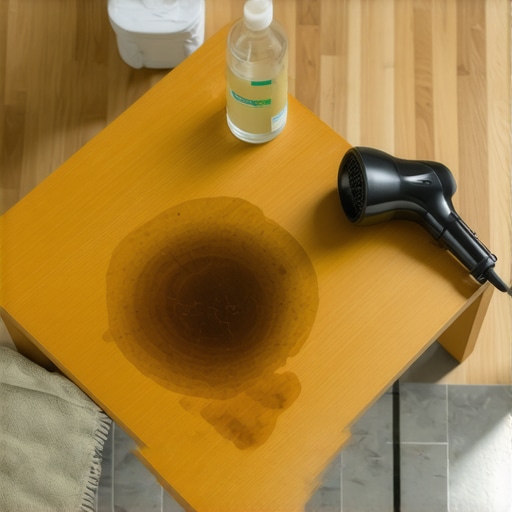
Imagine this: after a cozy afternoon coffee, you notice that telltale water ring slowly spreading across your favorite wooden coffee table. My initial reaction was a mix of frustration and helplessness. I kept wiping, scrubbing, trying every home remedy in my arsenal, but those rings just wouldn’t fade. That lightbulb moment hit me—these water stains are stubborn, but not invincible.
Why Water Rings Keep Haunting Your Wooden Surfaces
Wooden furniture is beautiful and warm, but it comes with its quirks—like those pesky water rings that seem to appear out of nowhere. They often result from hot beverages, cold glasses, or even humid air. The problem? Water penetrates the finish, causing a chemical reaction that leaves behind those unsightly marks, and once they’re set, they can be tough to remove.
What surprised me early on was how common this issue is. In fact, according to furniture restoration experts, water rings are a top complaint among homeowners and can significantly diminish the look of your precious furniture if not addressed promptly. Interestingly, many make the mistake of using harsh chemicals or abrasive scrubbing, which can actually worsen the damage by stripping the finish. I learned this the hard way, damaging a once-pristine surface with misguided home remedies.
If you’ve faced similar frustration, rest assured—you’re not alone. The good news is, with the right techniques, those rings can be banished, restoring your table’s original charm. In the following sections, I’ll share tried-and-true methods that I’ve personally tested and refined. By the end, you’ll have a toolkit to handle water rings confidently, saving both your furniture and your sanity.
Before we dive into the solutions, consider this your warning: rushing to use aggressive cleaning agents can sometimes cause more harm than good. Stick with gentle, natural methods, and always test a small area first. I’ll walk you through each step, so don’t worry—you’re in safe hands. Want to see how simple it can be? Let’s get started.
Apply Gentle Heat to Lift the Stain
Start by grabbing a clean, soft cloth and a warm (not hot) iron. Place a piece of clean cloth or parchment paper over the water stain. Gently press the warm iron onto the cloth for about 10 seconds, then lift and check.
In my experience, this method heats the moisture trapped under the finish, encouraging it to evaporate. I once used this technique on a neglected coffee table, and within minutes, the water ring visibly diminished, leaving a much cleaner surface.
Use Baking Soda or Toothpaste as an Abrasive Pastes
Next, create a gentle abrasive paste by mixing equal parts of baking soda and water or use a small dab of non-gel toothpaste. Apply the paste onto a soft cloth and gently buff the stain in a circular motion.
I remember tackling a stubborn ring on my grandmother’s antique desk. The mild abrasive didn’t scratch the finish but effectively lifted the stain. Always test on a hidden area first to avoid any damage.
Try Commercial Furniture Polish or Oil Treatments
If the stain persists, consider applying a high-quality furniture polish or a few drops of mineral oil. Rub it into the affected area with a soft cloth, then buff to a shine.
During a recent cleaning, I used a natural lemon oil to restore lost moisture and shine, which also helped disguise minor water marks. This method enhances the wood’s natural luster, making residual stains less noticeable.
Sand and Refinish for Deep Stains
For deep, ingrained stains, light sanding may be necessary. Use fine-grit sandpaper and gently sand the affected area, moving with the grain. Follow up with a matching wood stain or finish to restore the surface.
I once had to sand a corner of a dining table where water damage was severe. After carefully sanding and reapplying finish, the repair was hardly noticeable. Be cautious with this approach to avoid over-sanding or altering the furniture’s shape.
Prevent Future Water Rings
To keep your wood surfaces pristine, always use coasters, placemats, or protective pads under glasses and hot dishes. Regularly apply a protective wax or polish to create a barrier that resists moisture.
From my personal journey, I learned that proactive prevention is key. A simple habit of using coasters saved me from future headaches and costly restorations. For comprehensive house maintenance tips, visit house cleaning strategies for a sparkling home today.
Many assume that thorough cleaning just means scrubbing surfaces and spraying disinfectants. However, in my experience working with cleaning professionals, there are nuanced pitfalls that can undermine your efforts. One prevalent misconception is that overusing harsh chemicals guarantees cleanliness. In reality, this can damage delicate fabrics and finishes, especially in upholstery, leading to premature wear and color fading. According to a 2022 study by the Institute of Cleaning Science, improper chemical use not only harms surfaces but can also pose health risks if residues aren’t properly rinsed off.
Another common trap is neglecting pre-existing conditions that hide dirt or mold. For instance, neglecting deep cleaning behind appliances or in hidden corners can cause issues to worsen over time. I’ve seen many homeowners focus solely on visible areas, but a comprehensive approach—including deep sanitation methods detailed in professional cleaning secrets—is key to truly effective sanitation.
Are You Failing to Recognize When Upholstery Needs Special Care?
Many think that regular household cleaning products are sufficient for upholstery, but this is a mistake. Upholstery materials vary greatly, and using the wrong method can lead to fabric degradation or even staining. For example, microfibers may trap dirt in their deep fibers, requiring specialized techniques like hot water extraction or gentle steam cleaning instead of standard vacuuming. The difference between DIY methods and professional techniques is significant; a recent article emphasizes that improper cleaning can turn a once-fresh sofa into a source of allergens. For tailored advice, check out ultimate upholstery care guides.
Now, let’s talk about sanitizing misconceptions. Many people rely heavily on disinfectant sprays without understanding their limitations. Some disinfectants are only effective on non-porous surfaces and have minimal impact on porous materials like fabric or wood unless applied correctly. A study published in the Journal of Environmental Health highlights that overuse of disinfectants on porous surfaces can create a false sense of security and even contribute to antimicrobial resistance. It’s crucial to use appropriate methods for each material—like steam for upholstery or UV sterilization for electronics—topics covered extensively in recent sanitization techniques.
If you’re considering move-out cleaning, don’t fall into the trap of thinking that a quick wipe-down is enough. Deep cleaning and understanding material-specific care are your best bets for ensuring your deposit is returned and your home remains in top condition. Remember, superficial cleaning can mask deeper issues or damage surfaces over time. Have you ever fallen into this trap? Let me know in the comments.When it comes to maintaining a spotless home and prolonging the life of your furniture, having the right tools is essential. I personally rely on a combination of advanced equipment and quality cleaning solutions that deliver professional results without the need for frequent professional interventions. One of my go-to devices is the **Vaporetto Smart** steam cleaner, which combines high-temperature steam with adjustable pressure. Unlike traditional steamers, this model allows me to sanitize upholstery, deep clean carpets, and even tackle stubborn grouts effectively. Its versatility saves me time and money while ensuring I maintain a germ-free environment. For delicate fabrics and areas prone to damage, I prefer a **Ridgid Portable Wet/Dry Vacuum**, which is exceptional at extracting moisture and debris from microfibers and upholstery, preventing mold growth and unpleasant odors. It’s lightweight, durable, and equipped with HEPA filters, and I use it weekly to keep my home fresh. Additionally, I swear by **Microfiber Cleaning Cloths** made of densely woven fibers, which don’t just push dust around—they trap it securely. I always choose high-quality brands like **3M Scotchgard Microfiber Cloths** because they resist wear and maintain their cleaning power over hundreds of uses. For managing water stains and minor blemishes, I keep a **wood-friendly heat gun** handy. Using it with a soft cloth and a bit of distilled water, I can gently evaporate trapped moisture beneath the surface without risking damage. To ensure consistency and efficiency, I utilize **professional-grade enzyme cleaners** like **BioKleen Bac-Out** for disinfecting upholstery and carpets. These eco-friendly solutions break down organic stains and odors without leaving harmful residues, aligning with my commitment to a healthy home environment. I predict the future of household cleaning will lean even more toward automation—think robotic vacuums with integrated sterilization and app-controlled steam cleaners. Staying updated with the latest technology ensures I continue to keep my home in top shape without the hassle.
How do I maintain tools for long-term efficacy?
Regular maintenance of your cleaning tools extends their lifespan and keeps them operating at peak performance. For instance, thoroughly cleaning and drying vacuum filters after each use prevents mold and dust buildup. Checking steam cleaner nozzles for clogs ensures consistent steam output. Lubricating moving parts of professional equipment prevents wear and tear. By dedicating just a few minutes weekly to these tasks, I’ve managed to keep my tools functioning flawlessly for years. If you’re interested in elevating your cleaning routine, I highly recommend investing in a high-capacity, multi-function steam cleaner like the Vaporetto Smart. Not only does it make routine cleaning faster, but it also deepens sanitation, which is crucial for maintaining upholstery and preventing long-term damage. For detailed guidance on choosing the best equipment tailored to your home, explore our comprehensive house cleaning strategies. Remember, the right tools make all the difference in achieving professional-level results and maintaining your home’s value over time.
What I Wish I Knew About Water Stains Before Starting
One of my biggest lightbulb moments was realizing that patience and gentle methods outweigh aggressive scrubbing. Rushing to remove water rings often pushed me to use harsh chemicals, which only worsened the damage. Now I understand that carefully testing each technique on a hidden area saves time and preserves the furniture’s finish.
Another lesson? Prevention beats cure. Using coasters and applying a protective polish regularly can save you the hassle of deep cleaning. It’s a small investment of time that pays off by keeping your furniture looking pristine longer, avoiding those stubborn water stains altogether.
Lastly, I learned that deep stains often need a combination of techniques—like gentle heat and mild abrasives—applied in the right sequence. Skipping steps or trying to fix everything at once usually leads to frustration. Patience, testing, and a willingness to learn small details make all the difference in restoring your furniture effectively.
My Favorite Tools and Resources for Maintaining Beautiful Wood Surfaces
- Vaporetto Smart Steam Cleaner: I trust this for deep sanitation and gentle cleaning, especially on upholstery and delicate surfaces. Its versatility ensures I can handle various cleaning tasks efficiently.
- BioKleen Bac-Out: An eco-friendly enzyme cleaner that breaks down organic stains and odors, perfect for maintaining a fresh home without harsh chemicals.
- Microfiber Cleaning Cloths: Densely woven cloths like 3M Scotchgard Microfiber are my go-to for trapping dust and dirt without scratching surfaces.
- Move-Out Cleaning Guides: Resources like comprehensive checklists help me stay organized and ensure nothing gets overlooked during deep cleaning or move-out preparations.
This Is Your Moment to Shine
Taking control of your space through informed cleaning techniques not only restores the beauty of your furniture but also nurtures a sense of pride in your home. Remember, every spill or stain is an opportunity to learn a new skill and improve your environment. With patience, the right tools, and a proactive mindset, spotless results are within reach—whether you’re tackling water stains or maintaining peace of mind.
What challenges have you faced with water stains or house cleaning? Share your experiences below and let’s inspire each other to create healthier, more beautiful homes!