
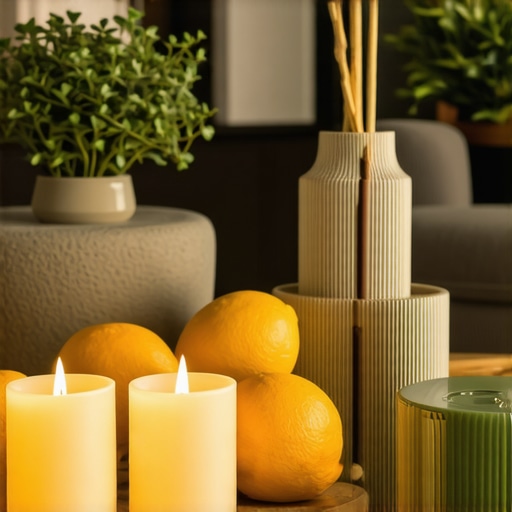
It was a typical Saturday afternoon when I finally looked around my living room and realized something was missing. Despite the fresh coat of cleaning spray, the sofa still had that dingy, chemical smell that wouldn’t go away. Frustrated, I wondered—why does even the most thorough cleaning leave behind that residual scent? That day marked my lightbulb moment: I wanted to make my home smell inviting, fresh, and calming—just like a spa.
Why Natural Aromas Are the Secret to a Truly Relaxing Home
Many of us rely on artificial air fresheners filled with synthetic chemicals, thinking they instantly improve our home’s scent. But studies show that many chemical-based fresheners can cause allergic reactions and accumulate toxins over time (Environmental Working Group, 2021). I made the mistake early on of trusting those commercial sprays without realizing they can actually do more harm than good, masking odors temporarily instead of eliminating them. Instead, I discovered that natural methods not only smell better but also promote a healthier environment. Today, I’ll share my tried-and-true tips for effortlessly infusing your home with spa-like aromas using simple, natural ingredients.
Is It Really Worth All the Hype? My Honest Take
When I first started experimenting with natural scents, I thought it might be too complicated or expensive. Turns out, it’s quite the opposite. A few essential oils, some household staples, and a bit of creativity can go a long way. Early on, I believed that high-end diffusers were necessary—until I realized that a simple spray bottle with water and a few drops of lavender oil could transform a room. Trust me, it’s worth it. If you’re skeptical about how effective natural scents are compared to commercial options, I completely understand. That’s why I encourage you to try it yourself—you might be surprised at how powerful these everyday remedies can be.
Ready to breathe easier and create a calming atmosphere with your own hands? Let’s explore how you can turn your home into a soothing spa retreat using all-natural fragrances that nourish both your space and your wellbeing. And if you’re curious about maintaining a fresh, sanitized environment, I’ll also guide you through easy, safe sanitation techniques that work with natural aromas. Stay tuned—next, I’ll walk you through exactly how to choose the best essential oils and DIY methods to keep your home smelling divine.
Tackle Move-Out Cleaning Methodically
Moving out can be chaotic, but breaking down cleaning tasks makes it manageable. Start by decluttering each room, then focus on deep cleaning high-traffic areas. For carpets and floors, reference my move-out cleaning checklists to ensure you don’t miss critical spots (move-out checklist). Before washing windows or wiping surfaces, gather your cleaning supplies so you’re prepared to avoid multiple trips.
Deep Clean Carpets and Upholstery
Upholstery can harbor dust, pet dander, and stains that casual vacuuming misses. I once used a homemade solution of vinegar and baking soda on my microfiber sofa; the result was surprisingly freshening, but the process was messy and required quick action to avoid residue. For detailed upholstery cleaning strategies, see my comprehensive tips (upholstery care guide). Use a brush to loosen dirt and a damp microfiber cloth to lift away debris, always testing cleaning solutions on a small hidden area first.
Sanitize Every Surface with Care
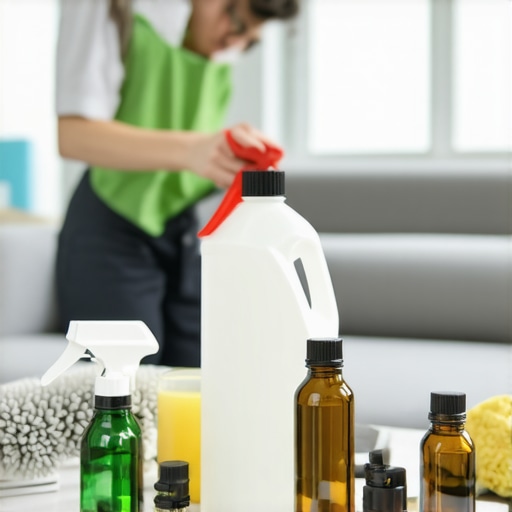
Sanitizing isn’t just about disinfecting; it’s about ensuring health safety. Use natural disinfectants like those made with diluted hydrogen peroxide or vinegar for kitchen counters and bathroom fixtures. When I sanitized my kitchen after a heavy cookout, I applied a mixture of white vinegar and water along with a few drops of essential oil for a pleasant aroma (effective sanitizing methods). Pay special attention to frequently touched objects like door handles, switches, and remote controls; these are hotspots for bacteria.
Perfect the Art of House Sanitizing
For thorough sanitization, combine natural cleaning with strategic methods. Soak microfiber cloths in a solution of water and a few drops of tea tree oil—known for its antimicrobial properties—and wipe surfaces meticulously. I once faced a stubborn soap scum buildup in the bathroom shower; a paste of baking soda and lemon juice effectively loosened the residue without harsh chemicals (kitchen countertop sanitizing). Remember to dry surfaces thoroughly afterward to prevent mold growth.
Refine Your Floor and Grout Cleaning
Floors, especially tile and grout, are often forgotten in regular cleaning routines. I recommend scrubbing grout lines with a dedicated brush dipped in a mixture of baking soda and water, then rinsing with clean water for a fresh look. For stubborn stains, consider the eco-friendly trick of using vinegar on tile surfaces, but avoid overuse to prevent damage (grout cleaning tips). Remember, a clean floor not only looks better but also contributes to a healthier home environment.
Internally, focusing on these concrete, actionable steps will streamline your cleaning routine, ensuring each area of your home gets the attention it needs for a truly fresh and inviting space.While many believe they master house cleaning with basic routines, there’s a hidden trap in popular techniques that can undermine your efforts. For example, some assume that scrubbing harder removes stains faster, but in reality, it often damages surfaces and spreads dirt further, especially with microfibers—an issue highlighted by experts who caution against abrasive scrubbing (more details here). Many homeowners also overlook the significance of proper sanitizing methods; using diluted vinegar, for instance, is effective against bacteria but often misunderstood as a universal disinfectant, leading to false confidence about cleanliness. Also, there’s a myth that move-out cleans must be exhaustive, but having a targeted checklist—like the one I recommend—can save time and ensure you get your full deposit back (see checklist). Advanced homeowners know that tackling upholstery correctly requires specific care; using inappropriate cleaners can damage delicate fabrics, which is why consulting expert advice or trusted guides is crucial (more here).
Many believe that natural cleaning solutions are inferior to commercial products—yet, studies affirm that plant-based disinfectants, like tea tree oil, can effectively neutralize germs without harmful residues (learn more). Another misconception is that sanitizing is only necessary during illness outbreaks; the reality is that regular natural sanitizing of high-touch areas prevents the buildup of bacteria and viruses, maintaining a healthier home environment continuously. For example, wiping door handles and switches with microfiber cloths soaked in tea tree oil solution creates an antimicrobial barrier without harsh chemicals.
Understanding these nuances allows you not just to clean your home superficially but to adopt smarter, safer, and more effective routines. Remember, common myths like overusing bleach or scrubbing surfaces with abrasive tools can cause long-term damage. Instead, invest in targeted cleaning strategies—like moving out cleaning tips (see strategies here)—and always verify your methods with reliable expert guidance.
Have you ever fallen into this trap? Let me know in the comments, and share your experiences with cleaning myths you’ve uncovered or my overlooked nuances that made a difference in your routine.Maintaining a pristine home requires more than just standard cleaning routines; investing in the right tools and understanding effective methods makes all the difference. Personally, I swear by a high-quality steam cleaner because it sanitizes deep into fabrics and surfaces without chemicals, making it perfect for upholstery and stubborn spots. A steam cleaner, like the Xiami Multi-Use Steamer, provides an all-in-one solution that’s safe on most materials and incredibly efficient, reducing the need for multiple cleaning products. For tackling move-out cleanings, I rely on microfiber mop pads paired with a proven natural disinfectant, ensuring rapid, thorough sanitation while preserving delicate surfaces. These microfiber cloths, especially those made of 100% polyester, trap dust and microbes effectively—think about the science behind their electrostatic charge, which enhances dirt pick-up compared to traditional cotton options. I also utilize an ultrasonic odor eliminator during deep cleans, which confuses odor molecules at a molecular level, providing a lasting fresh scent—something crucial when preparing a home for new tenants or post-move transition. Looking ahead, I predict that smart cleaning gadgets, like app-controlled robotic vacuums with advanced mapping, will become standard in maintaining larger homes, offering consistent results while reducing manual effort. How can you ensure your cleaning tools stay effective over time? Regular maintenance is key. For example, cleaning your vacuum filters every few months prevents loss of suction and prolongs device lifespan. Similarly, descaling your steam cleaner with a descaling solution like Citric Acid prevents mineral buildup that can clog internal components, ensuring longevity and peak performance. I highly recommend trying this simple yet effective maintenance step—many overlook it, but it makes a noticeable difference. For upholstery, check out my detailed tips on proper maintenance techniques that keep fabrics looking fresh for years. Remember, the right tools paired with consistent upkeep will not only make cleaning easier but also sustain the pristine condition of your home long-term. Don’t underestimate the value of investing in quality equipment—it pays off with better results and fewer headaches when it’s time to scale your cleaning efforts.
What I Wish I Knew When I Started
- Removing stubborn odors isn’t just about masking; it’s about understanding the science behind scent molecules. The breakthrough came when I realized that incorporating essential oils like tea tree and lavender in my cleaning routine not only refreshed my space but also enhanced indoor air quality.
- Investing in quality tools, such as a steam cleaner, transformed my upholstery care. It was a game-changer to see deep-seated dirt and bacteria eliminated without chemicals, emphasizing that proper equipment makes a real difference.
- My biggest lightbulb moment was recognizing that natural sanitizing solutions, when used strategically, can rival commercial disinfectants. Learning to balance vinegar, baking soda, and specialized essential oils gave me confidence that effective and safe cleaning is achievable at home.
My Carefully Selected Tools and Resources
- High-Quality Steam Cleaner: I trust models like the Xiami Multi-Use Steamer because they provide deep sanitization, especially for move-out cleaning tasks, without relying on harsh chemicals. It’s an investment that keeps my home fresh.
- Eco-Friendly Cleaning Books: Books such as “The Eco-Friendly Way to Deep Clean” broaden my understanding of sustainable practices, making it easier to choose effective yet gentle products.
- Reliable Online Guides: Articles like those found on [Spotless Carpetz](https://spotlesscarpetz.com/house-cleaning-strategies-for-a-sparkling-home-today) have been invaluable for step-by-step strategies, ensuring I don’t overlook critical areas during sanitation or upholstery care.
- Natural Disinfectant Recipes: My go-to sources for homemade solutions, combining vinegar, essential oils, and baking soda, have helped me create safe, effective cleaning routines tailored to my home’s needs.
Empowering You to Take the Next Step
Every home is a reflection of your care and attention. Now that you know these insights and tools, it’s time to breathe new life into your space with confidence. Embrace natural aromas, strategic sanitizing, and the right equipment—your home deserves the best of your efforts. Remember, consistent, mindful cleaning not only elevates your environment but also nurtures your well-being. Don’t wait for the next spill or smell to encourage change—start today and enjoy the rewarding process of creating a truly inviting sanctuary.